
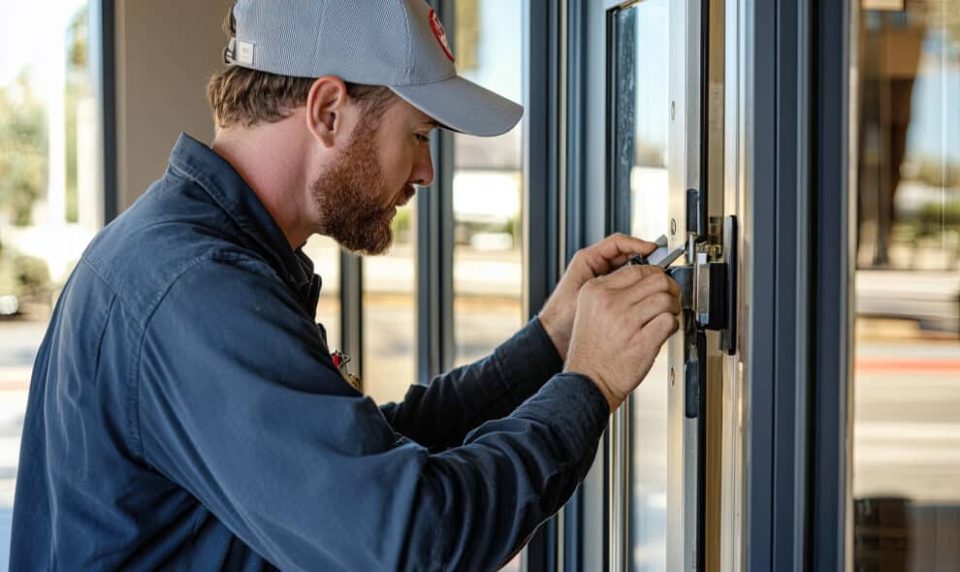
A single malfunctioning commercial door can bring the busiest operation to a grinding halt. Hours lost, deliveries delayed, and security compromised; the financial impact grows every minute a door is out of service. In situations where access or security is immediately affected, businesses may need emergency door repair to restore normal operations as quickly as possible. What most business owners don’t realize is that many of these costly repairs start with a handful of preventable errors.
Early Causes of Commercial Door Failures
Commercial doors are built to withstand heavy use, but their reliability begins with the way they are installed, the materials chosen, and the attention given afterward. Early missteps can doom even the best door to a shortened life.
Common Installation Mistakes and Their Impact
Poor installation is a silent saboteur. Doors not aligned properly may scrape frames, fail to seal, or stress hinges and tracks. Fasteners might be overtightened, weakening metal parts or misaligning mechanisms. Sensors and openers demand precise calibration; just a millimeter off can lead to false triggers or jams. These flaws often go unnoticed at first, but strain compounds until the day a door refuses to budge.
Material and Component Quality Issues
It’s tempting to cut costs with lower-grade steel or bargain-brand springs, but commercial settings punish weak components. Flimsy panels dent easily, corrode faster, and transmit shocks that wear out hardware. Subpar rollers and cables, especially on heavier doors, amplify vibration and fatigue every time the door moves. Over time, these small compromises set the stage for major breakdowns.
How Lack of Preventive Maintenance Accelerates Damage
Once installed, commercial doors face a daily grind. Without regular checks and lubrication, minor friction points turn into warped tracks, rusted hinges, or burnt-out motors. Small leaks can rot wooden frames, while ignored grit can chew through seals and bearings. Skipping preventive maintenance is like driving a car without ever changing the oil; the damage accumulates unseen, until a catastrophic failure demands attention.
Evolution of Repair Needs Over Time
Even the sturdiest commercial door develops issues as the years pass. Problems start small, but if left unchecked, costs and downtime escalate fast.
From Minor Adjustments to Major Failures
It starts with a door that closes sluggishly, or a new rattle in the mechanism. Perhaps an opener occasionally hesitates. These seem minor, but they are the warning lights. If a cable frays or a sensor loses alignment and isn’t fixed promptly, a minor service call turns into a full replacement of parts or systems.
Signs That Indicate Imminent Breakdown
Keep an eye, and an ear, out for:
– Unusual noises (scraping, grinding, squealing)
– Doors that stick, hesitate, or drop suddenly
– Visible gaps, dents, or sagging panels
– Repeated sensor or opener malfunctions
Ignoring these signs almost guarantees a more expensive, urgent intervention later.
The Escalating Cost of Delayed Repairs
A small outlay for early intervention can prevent the much bigger expense of an emergency call and major part replacement. For example:
– Routine track alignment: minimal cost and downtime
– Emergency replacement due to track collapse: hours of lost access, plus higher labor and rush parts charges
The longer issues are ignored, the more complex, and costly, the repairs become.
Modern Challenges in Commercial Door Maintenance
Running a business today means doors are subjected to more stressors than ever before. Technology, regulations, and the sheer pace of operations introduce fresh complications.
Impact of Frequent Use and Harsh Environments
High-traffic doors in retail, warehousing, or parking see hundreds of cycles per day. Dust, chemicals, weather changes, and even cleaning products can accelerate degradation. In cold climates, ice formation and salt contribute to corrosion. In busy urban areas, constant vibration from nearby machinery or traffic can loosen fixtures over time.
Technological Advances and New Vulnerabilities
Recent years have seen a surge in smart doors and automated openers. While these innovations boost security and efficiency, they introduce new failure points, software glitches, sensor misalignments, and network outages can all halt door operations. Keeping up with firmware updates and sensor calibration becomes just as critical as oiling a hinge.
Regulatory and Safety Compliance Demands
Modern commercial doors must meet stringent fire, accessibility, and safety codes. Neglecting maintenance can result not only in breakdowns but also in costly fines or legal liabilities. For example, a faulty sensor on an automatic door might violate accessibility regulations, while broken emergency exits can trigger immediate closures by inspectors.
Costly Errors in Emergency Repairs
When a commercial door fails, the temptation is to get it running again, fast. But rushed or ill-informed repairs often sow the seeds of even bigger problems down the line.
Common Misdiagnoses Leading to Recurrent Problems
Untrained eyes may fix a jam by forcing the door or replacing a single part, missing the deeper issue (such as a warped track or underlying electrical fault). The result? The same problem returns, often with more damage. Skilled technicians take time to trace symptoms back to their real source.
The Pitfalls of Using Non-Specialized Technicians
Not all repair services are created equal. General handymen or non-certified contractors may lack the experience with commercial door systems, particularly as models and technology grow more sophisticated. Incorrectly installed springs or sensors can compromise safety, expose the business to liability, or void warranties. Trusted providers ensure repairs meet both manufacturer and regulatory standards.
Over-repairing vs. Under-repairing: Finding the Balance
Some businesses, eager to avoid recurrence, authorize replacements for entire assemblies when a simple adjustment would suffice. Others, trying to cut costs, authorize only patch jobs that leave the root issue unresolved. The key is a balanced approach, precise diagnosis, targeted intervention, and a plan to monitor for recurrence.
Preventive Strategies That Save Money and Downtime
The most cost-effective repair is the one you never need. Proactive measures can keep doors working smoothly for years.
The Role of Regular Inspections and Tune-Ups
Scheduled inspections catch small issues before they mushroom. Lubricating moving parts, realigning tracks, tightening bolts, and testing sensors should be standard. These tune-ups extend the life of expensive components and sharply cut the risk of emergency shutdowns.
Choosing the Right Maintenance Plan for Your Business
Different settings demand different approaches. A retail storefront may need quarterly checks, while a busy warehouse might require monthly attention. The best plans adapt to usage patterns, climate, and regulatory pressures. Consider a provider with experience in tailored preventative maintenance, such as entretien de portes commerciales Dor Docteur, whose expertise covers both routine service and emergency response.
Leveraging Professional Expertise for Longevity
Working with certified professionals means benefiting from their knowledge of subtle warning signs, new technologies, and safety protocols. They can advise on upgrades, replacements, and efficiency improvements that pay for themselves over time.
Future Trends in Commercial Door Repair and Maintenance
The next five years will reshape what businesses expect from their doors, and from the teams that keep them working.
Smart Door Systems and Predictive Maintenance
Sensors that track cycle counts, wear, and vibrations can now predict failures before they happen. These systems alert business owners and service providers to perform targeted upkeep, preventing sudden breakdowns.
Eco-Friendly Materials and Sustainable Practices
As environmental standards rise, more companies are choosing doors made from recycled steel, low-VOC finishes, and energy-efficient designs. Maintenance providers increasingly offer green lubricants and recycling programs for old components.
How AI and IoT are Changing Emergency Response
Artificial intelligence and the Internet of Things are streamlining emergency repair. Connected door systems can self-diagnose, send service requests automatically, and guide technicians straight to the root cause, minimizing downtime and expense.
Maximizing ROI Through Informed Repair Decisions
Every repair is an investment. Making the right choices, at the right time, keeps costs down and doors open.
Understanding Warranty and Service Agreements
Know what’s covered and for how long. Many commercial doors come with extended warranties, provided maintenance is documented and performed by approved technicians. Skipping scheduled service may void coverage, turning a warranty claim into an out-of-pocket expense.
Prioritizing Repairs Based on Criticality and Usage
Not all doors are created equal. Loading dock entrances, fire exits, and customer entryways should always take priority. A good maintenance plan ranks doors by usage and importance, ensuring critical access points receive the fastest attention.
Building a Relationship with a Trusted Service Provider
Long-term partnerships yield better service. Technicians who understand your facility can spot trends, anticipate needs, and recommend upgrades that suit your operations. Consistency beats one-off repairs every time.
—
Avoiding the most common errors in commercial door care is a matter of vigilance, strategic investment, and professional guidance. By focusing on quality installation, regular maintenance, and informed decision-making, businesses can ensure their doors remain reliable gateways, not costly roadblocks.
