
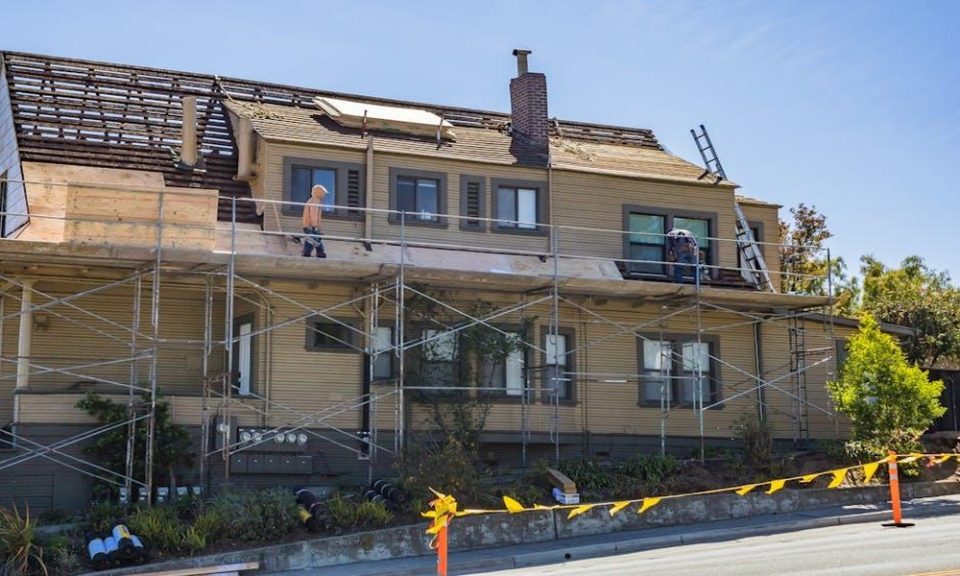
The Critical Role of Home Exterior Maintenance in Property Value
Your home is likely one of your most significant investments. Protecting this asset means taking proactive steps to maintain its exterior.
From the roof above to the foundation below, every part of your home’s shell works together to protect your sanctuary. This includes elements like your garage door repair and installation.
Ignoring small issues on the outside can quickly lead to major, costly problems inside. These can erode your home’s value and compromise its safety.
In this guide, we will explore why regular exterior maintenance is so important. We will focus on critical areas like roofing and garage door care. Our goal is to provide practical tips to ensure your home stands strong and retains its value year after year.
We often think of home maintenance as an ongoing chore, but it’s more accurately viewed as a strategic investment in your property. The exterior of your home is its first line of defense against the elements, pests, and the passage of time. Neglecting it can have far-reaching consequences, impacting everything from your home’s structural integrity to its market value.
Asset Protection and Home Equity: Regular exterior maintenance directly protects your most significant asset. By addressing minor issues promptly, we prevent them from escalating into major, costly repairs. For instance, a small crack in the foundation or a loose shingle might seem insignificant, but left unattended, they can lead to extensive water damage, mold growth, or structural compromise. Protecting your home from these threats safeguards your equity and ensures your investment appreciates over time.
Energy Efficiency: A well-maintained exterior acts as an effective thermal envelope for your home. Properly sealed windows, doors, and siding prevent air leaks, reducing the strain on your heating and cooling systems. This translates directly into lower energy bills and a more comfortable indoor environment. Weatherization tasks, such as replacing worn weatherstripping or sealing gaps with caulk, are simple yet highly effective ways to improve energy performance.
Moisture Barriers and Pest Prevention: Water is arguably the most destructive force a home faces. A sound exterior-including an intact roof, functional gutters, and sealed siding-directs water away from the structure, preventing moisture intrusion that can lead to wood rot, mildew, and foundation damage. Similarly, a well-maintained exterior minimizes entry points for pests. Cracks in the foundation, gaps around utility penetrations, or damaged screens can invite insects and rodents, which can cause significant damage and health hazards.
Long-Term Component Lifespans: Each exterior component of your home has an expected lifespan, but proper maintenance can significantly extend it. For example, an asphalt driveway, with proper installation and regular maintenance like annually filling cracks and applying sealer, can last almost 30 years. Similarly, exterior paints are designed to last from five to 10 years, varying by formula, sun exposure, wall material, and weather conditions. Adhering to recommended maintenance schedules helps us maximize the life of these components, delaying expensive replacements.
Insurance Compliance and HOA Regulations: Many homeowners’ insurance policies require homes to be adequately maintained to remain eligible for coverage. Neglecting maintenance could lead to denied claims for damages that might have been preventable. Furthermore, if you live in a community with a Homeowners Association (HOA), adhering to exterior maintenance standards is often a requirement. HOAs typically have guidelines for exterior aesthetics and upkeep, and non-compliance can result in fines or mandatory repairs.
By understanding these critical roles, we can appreciate that exterior home maintenance is not just about aesthetics; it’s about preserving our home’s financial value, ensuring its safety, and fostering a comfortable living environment.
Mastering Roof and Gutter Upkeep to Prevent Water Damage
Our roof is the ultimate protector of our home, bearing the brunt of weather elements day in and day out. Complementing the roof, a well-functioning gutter system is crucial for directing rainwater away from the foundation. Together, they form a formidable defense against water damage, making their proper upkeep paramount.
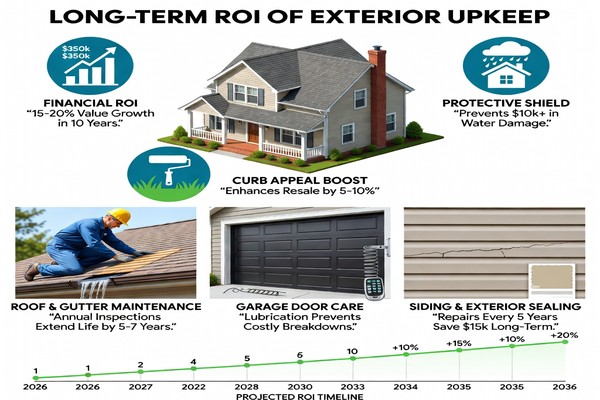
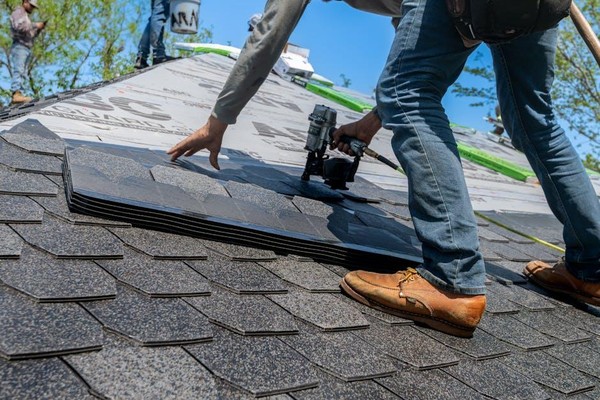
Roof Inspections and Repairs: Regular roof inspections are the cornerstone of preventive maintenance. While a professional roofer should inspect your roof every three years, we can perform visual checks more frequently. Using binoculars from the ground is a safe way to inspect for common issues like damaged, curling, or missing shingles. Asphalt shingles, though durable, can tear like cardboard when struck by falling branches or strong winds.
When we spot a damaged shingle, replacing it promptly is vital. This task usually takes about 10 minutes and involves carefully lifting the surrounding shingles, removing the old one, and sliding a new one into place, securing it with roofing nails and cement. It’s best to avoid walking on the roof in hot weather, as this can damage the shingles.
Beyond shingles, we should also pay attention to flashing around chimneys, skylights, and vent pipes. Flashing creates a watertight seal, and if it’s damaged or corroded, it can lead to leaks. While caulking and similar fixes for vent flashing are often temporary, a full replacement is sometimes necessary for a lasting solution. Similarly, inspecting and sealing valley joints-where two roof planes meet-is crucial. We can lift shingles and apply roofing cement along the valley flashing, then press the shingles down to ensure a tight seal.
Gutter Cleaning and Maintenance: Clogged gutters are a leading cause of water damage to homes. When gutters are full of leaves, twigs, and debris, rainwater overflows, cascading down the siding, eroding landscaping, and pooling around the foundation. This can lead to basement leaks, foundation cracks, and even wood rot in fascia boards.
We should aim to clean our gutters at least twice a year, typically in late spring after tree pollen and seeds have fallen, and again in late fall after all the leaves have dropped. In areas with heavy tree cover, more frequent cleaning might be necessary. A plastic spatula, cut to fit the gutter’s curve, can make cleaning easier and prevent scratching.
Beyond cleaning, we need to ensure downspouts are clear and directing water far enough away from the house, ideally 2-3 feet from the foundation. If downspouts are too short, extensions can be added. For leaky gutter seams, we can apply a new bead of gutter sealant between adjoining surfaces and use new pop rivets. For larger leaks or holes, a patch kit involving roofing cement and mesh can provide a durable fix.
Preventing Ice Dams and Foundation Erosion: In colder climates, ice dams can form when heat escapes through the roof, melting snow that then refreezes at the colder eaves. Clogged gutters exacerbate this problem, trapping water that turns into ice, pushing up under shingles and causing leaks. Clearing gutters before winter and ensuring adequate attic insulation can help prevent ice dams. Installing splash guards in valleys where water tends to overflow can also redirect water flow and protect plants below. Consistent gutter maintenance is a simple, yet highly effective way to prevent costly and extensive water damage to our homes.
Essential Garage Door Care and Safety Protocols
Our garage door is often the largest moving part of our home, serving as both an entry point and a significant aesthetic feature. Its proper functioning is critical not only for convenience but also for safety and security. Regular maintenance ensures its longevity and reliable operation.
Understanding High-Tension Components: Garage doors operate with springs (torsion or extension) that are under immense tension, designed to counterbalance the door’s significant weight. These components, along with cables and drums, are essential for smooth operation. However, due to the high tension, they can be extremely dangerous if mishandled. We should never attempt to repair or adjust torsion springs or any red-marked fasteners ourselves. These tasks are strictly for trained professionals. For comprehensive guidance on maintaining these critical components, referring to expert resources on Garage door exterior maintenance can provide valuable insights.
Safety Feature Checks: Modern garage door openers come equipped with crucial safety features that must be regularly tested.
- Auto-Reverse Safety Test: This feature prevents the door from crushing objects or people. We should test it monthly by placing a 2×4 board flat on the garage floor, centered under the door. When the door closes and hits the board, it should stop and reverse immediately. If it doesn’t, the opener needs professional repair.
- Photoelectric Sensors: These sensors, located near the bottom of the door tracks, emit an invisible beam that, if broken, signals the door to reverse. We should ensure they are clean, aligned, and unobstructed. A simple test involves waving a hand or foot through the beam while the door is closing; it should reverse instantly. If the sensors fail, they need immediate attention from a technician.
Lubrication and Cleaning: Moving parts benefit greatly from regular lubrication. We should lubricate hinges, rollers, and springs every six months using a silicone-based or lithium-based garage door lubricant. It’s important to avoid common household oils like WD-40, which can act as a solvent and attract dirt, potentially causing more harm than good. Tracks should be cleaned with a mild cleaner and wiped dry before lubrication. We should also inspect the track alignment and tighten any loose bolts or screws that may have vibrated loose over time.
Weatherstripping and Seals: The weatherstripping along the bottom of the garage door and around its perimeter plays a vital role in energy efficiency and keeping out pests and moisture. We should inspect it annually for cracks, tears, or hardening. Worn weatherstripping can be easily replaced, improving the seal and reducing drafts.
DIY vs. Professional Repairs: While many routine tasks like lubrication, cleaning, and safety checks can be handled by homeowners, certain repairs demand professional expertise.
DIY Garage Door Tasks Professional-Only Repairs Lubricating moving parts Torsion spring replacement/adjustment Cleaning tracks and sensors Cable replacement Testing auto-reverse and photo eyes Opener motor repair Replacing weatherstripping Track realignment (if significant) Tightening loose hardware Panel replacement (if structural) Checking door balance Electrical wiring issues Regular planned maintenance, whether performed by us or a professional, is the best way to assure safe operation, extend the life of our garage door, and lower its overall cost of ownership.
Prioritizing Home Exterior Maintenance for Siding and Windows
Beyond the roof and garage door, our home’s siding and windows are crucial elements of its exterior envelope, contributing significantly to both aesthetics and performance. Proper care for these components protects the interior from moisture and drafts, maintaining comfort and energy efficiency.
Siding Inspection and Repair: Siding, whether vinyl, fiber cement, or wood, is constantly exposed to the elements. We should regularly inspect it for signs of damage such as cracks, warping, rot, or peeling paint. For wood siding, paint can sometimes camouflage underlying issues. We can use a screwdriver to test the wood’s integrity; if it isn’t firm and hard, we may have a wood rot problem. Small areas of wood rot can often be treated by drying the wood and applying a wood preservative. More extensive damage may require replacing sections of siding.
For vinyl siding, look for cracks, loose panels, or signs of mildew. While vinyl is low-maintenance, it can crack in extreme cold or warp in intense heat. Minor cracks can often be repaired with a color-matched caulk, while severely damaged panels may need replacement. Fiber cement siding, known for its durability, still benefits from regular cleaning. Unlike some materials, fiber cement should be cleaned with a garden hose and a soft brush, avoiding high-pressure washers that can damage the finish.
Cleaning Siding: Regular cleaning removes dirt, grime, and mildew, which not only improves curb appeal but also prevents long-term damage. For most types of siding, a gentle power wash with a low setting, angled downward to prevent water from getting behind panels, is effective. For stubborn spots, a mild detergent solution can be used.
Window and Caulking Maintenance: Windows are notorious for air leaks if not properly sealed. We should inspect the caulking around window frames annually, especially after harsh weather. Cracks or gaps in the caulk allow drafts and moisture to penetrate, compromising energy efficiency and potentially leading to wood rot in window frames. Removing old, cracked caulk and applying a fresh bead of high-quality exterior caulk is a simple yet effective repair.
Beyond caulking, we should also check the weatherstripping around windows and doors. If it’s brittle, cracked, or missing, it should be replaced to prevent air infiltration. Window screens should be inspected for tears or holes, which can let in insects. Repairing or replacing damaged screens is a quick task that enhances comfort during warmer months. Cleaning exterior windows not only makes our home look better but also helps preserve the glass and frames by removing corrosive elements like pollution and mineral deposits.
By paying close attention to our siding and windows, we ensure our home remains well-protected, energy-efficient, and visually appealing for years to come.
Comprehensive Strategies for Driveways and Landscaping
Our home’s exterior maintenance extends beyond the structure itself to include the surrounding hardscapes and softscapes. Driveways and landscaping play a significant role in curb appeal, drainage, and overall property value. Proactive care in these areas can prevent costly issues and maintain a welcoming environment.
Driveway Maintenance: Driveways, whether asphalt or concrete, endure constant wear from vehicles, weather, and temperature fluctuations. Regular maintenance is key to extending their lifespan and preventing hazardous conditions.
- Asphalt Driveways: Asphalt driveways can last almost 30 years with proper installation and consistent maintenance. We should annually fill any cracks as soon as they appear, as they are easier to repair when small. Allowing them to grow can lead to larger potholes and costly repairs. Resealing an asphalt driveway every two to five years is crucial to protect it from UV rays, water penetration, and oil spills, significantly extending its longevity.
- Concrete Driveways: Concrete is durable but can crack over time. We should fix cracks in concrete promptly. For small cracks, a concrete caulk or sealant can be injected. For larger cracks or chipped steps, specialized repair compounds are available. It’s important to clean the cracks thoroughly before applying any repair material to ensure good adhesion. Addressing these issues not only preserves the driveway but also mitigates trip hazards, enhancing safety.
Landscaping for Home Protection: Our landscaping choices and maintenance practices can either protect or jeopardize our home’s exterior.
- Vegetation Clearance: We must ensure that vegetation isn’t harming our home’s exterior. Tree branches should not hang over the roof, as they can damage shingles, scratch siding, and clog gutters. Any dense shrubs or other growth should be kept at least a foot or two away from the siding. This prevents moisture buildup, inhibits pest access, and allows for proper air circulation, which is crucial for the health of our siding.
- Soil Grading and Drainage: Proper grading around the foundation is essential. The ground should slope away from the house to direct rainwater runoff. Low areas or holes in the yard can encourage pooling, leading to water saturation near the foundation and potential basement leaks. We should fill in these low spots with additional soil to ensure positive drainage. Puddles standing near the home for longer than 24 hours are a clear sign of a drainage issue that needs to be addressed.
- Mulching and Weed Management: Adding mulch to flower beds and around trees not only enhances aesthetics but also helps retain soil moisture, suppress weeds, and regulate soil temperature. This reduces the need for frequent watering and minimizes weed growth that can otherwise compete with desired plants and sometimes even grow into foundation cracks. Raking dead leaves from the yard is also important, as a thick layer can prevent sunlight, water, and nutrients from reaching the grass, potentially killing it.
By strategically maintaining our driveways and landscaping, we create a protective buffer around our home, safeguarding its structural integrity and enhancing its curb appeal.
Organizing Your Home Exterior Maintenance by Season
Effective home exterior maintenance isn’t a one-time event; it’s a continuous, seasonal process. By breaking down tasks into a seasonal checklist, we can manage the workload, anticipate potential issues, and ensure our home is prepared for whatever the weather brings.
Spring (Awakening and Inspection): As the weather warms, spring is the ideal time for thorough inspections and repairs after winter’s harshness.
- Roof and Gutters: Inspect the roof for any winter damage (missing shingles, loose flashing). Clean gutters thoroughly, removing any accumulated debris and checking for leaks or sagging.
- Foundation and Siding: Inspect the foundation for new cracks and seal them. Walk the perimeter of the house, inspecting siding for damage or peeling paint.
- Landscaping: Trim back any tree branches or shrubs that are too close to the house. Turn on and inspect irrigation systems for leaks or damage.
- Windows and Doors: Check window and door frames for rot and reapply caulk or weatherstripping as needed.
- HVAC: Change air filters. 1-inch filters should be changed every month, 2-inch filters every 2 months, and 4 to 5-inch filters every 6 to 12 months.
Summer (Protection and Preservation): Summer’s dry, warm weather is perfect for outdoor projects that require curing time.
- Decks and Fences: Clean, stain, and/or seal wood decks and fences. Wood decks typically need re-staining every two to three years depending on the environment. Inspect for loose boards, nails, or signs of rot and repair as needed.
- Driveways: Reseal asphalt driveways every two to five years. Fill any cracks in concrete or asphalt.
- Exterior Painting: If your home needs a fresh coat of paint, summer is often the best time for it, allowing for proper drying and curing.
- Pest Control: Inspect for termites and other pests, especially around the foundation and wood structures. Seal any new gaps or entry points.
Fall (Preparation for Winter): Fall is crucial for preparing our home to withstand the cold, wet, and potentially snowy months ahead.
- Gutters: Perform a final, thorough gutter cleaning after all leaves have fallen. Ensure downspouts are properly extended.
- Roof: A final roof inspection before winter can catch any issues that might lead to leaks or ice dams.
- Outdoor Plumbing: Disconnect hoses from outdoor spigots, turn off the water supply to exterior faucets, and drain them to prevent freezing and burst pipes.
- Windows and Doors: Reinforce weatherization by checking and updating weatherstripping and caulking. Consider installing storm windows if applicable.
- Chimney: If you have a fireplace, schedule a chimney inspection and cleaning by a CSIA-Certified professional.
Winter (Monitoring and Minor Tasks): While major outdoor projects are on hold, winter still requires vigilance.
- Snow and Ice: Carefully remove heavy snow loads from the roof if necessary, and clear snow and ice from walkways and driveways to prevent slips and falls.
- Icicles: Monitor for large icicles along the roofline, which can indicate poor insulation or ventilation and lead to ice dams. Remove them carefully.
- Indoor Air Quality: Continue changing HVAC filters on schedule.
- Safety Devices: Test smoke and carbon monoxide detectors monthly. Hard-wired and battery-powered detectors should be replaced every 10 years.
- Radon Testing: Test your home for radon every two years.
By following this seasonal approach, we can distribute maintenance tasks throughout the year, making them more manageable and ensuring continuous protection for our home.
Frequently Asked Questions about Home Exterior Maintenance
We understand that maintaining a home’s exterior can sometimes feel overwhelming. Here, we address some of the most common questions homeowners have to help clarify when to act, how often, and what to look for.
When should I call a professional instead of performing DIY maintenance?
Deciding between DIY and professional help often comes down to safety, expertise, and the extent of the damage. We should always call a professional for:
- High-Risk Tasks: Any work involving heights (especially on steep roofs), electricity, or high-tension components (like garage door springs) should be left to experts. The risk of serious injury outweighs potential savings.
- Extensive Roof Damage: While we can replace a few damaged shingles, widespread damage, persistent leaks, or issues with the roof’s structure warrant a professional roofing contractor. They have the tools and experience to properly assess and repair the problem.
- Electrical or HVAC Components: Repairs to the exterior components of your HVAC system or any outdoor electrical wiring should only be handled by certified technicians.
- Foundation Cracks: While minor hairline cracks can be sealed, significant or widening foundation cracks often indicate structural issues that require evaluation by a structural engineer or foundation repair specialist.
- Professional Pest Treatment: If we suspect a termite infestation or have a recurring pest problem, a licensed pest control professional can effectively identify and eliminate the issue, and advise on preventive measures.
- Lack of Tools or Expertise: If we don’t have the right tools, the necessary skills, or simply lack the time and patience for a task, hiring a professional is often the most efficient and safest option.
How often should I clean my gutters and inspect my roof?
Consistency is key for roof and gutter maintenance:
- Gutter Cleaning: We recommend cleaning gutters at least twice a year – once in late spring (after pollen and seeds have fallen) and again in late fall (after all leaves have dropped). If our home is surrounded by many trees, quarterly cleaning or even more frequent checks might be necessary. Post-storm inspections are also crucial to ensure no debris has clogged them.
- Roof Inspection: We should perform visual roof inspections from the ground (using binoculars) quarterly, especially after severe weather. This allows us to spot obvious issues like missing shingles or debris. For a more thorough assessment, a qualified roofer should conduct a professional inspection every three years. This includes checking flashing, seals, and the overall integrity of the roofing material.
What are the most common signs of hidden exterior water damage?
Water damage can often be insidious, starting subtly before becoming a major problem. We should be vigilant for these common signs:
- Peeling, Bubbling, or Blistering Paint: On exterior walls, this often indicates moisture trapped beneath the paint, trying to escape.
- Soft or Spongy Wood: Probe suspect areas (like window sills, fascia, or deck boards) with a screwdriver. If the wood feels soft or doesn’t splinter, it’s likely suffering from wood rot.
- Efflorescence on Masonry: White, powdery deposits on brick or concrete indicate that water is penetrating the material, dissolving salts, and depositing them on the surface as it evaporates.
- Foundation Cracks: While some hairline cracks are normal, widening or horizontal cracks can signal water pressure issues or foundation movement.
- Interior Ceiling or Wall Stains: Water stains on interior ceilings or walls, especially near exterior walls or the roofline, are a clear sign of a leak from above or outside.
- Mold or Musty Odors: Persistent mold growth on exterior surfaces, or a musty smell indoors, points to excessive moisture.
Addressing these signs early can prevent minor water intrusion from turning into extensive and expensive structural damage.
Conclusion
Our home is more than just a structure; it’s a significant investment, a source of comfort, and a place where memories are made. By embracing a proactive approach to exterior maintenance, we are not merely performing chores; we are actively safeguarding our investment, enhancing its value, and ensuring its longevity.
From the protective shield of our roof to the essential functionality of our garage door, every exterior component plays a vital role in our home’s overall health and performance. Consistent maintenance, guided by seasonal checklists and a keen eye for detail, allows us to catch small issues before they escalate into costly repairs. It contributes to energy efficiency, prevents devastating water damage, deters pests, and maintains the curb appeal that brings us pride of ownership.
While many tasks are well within our DIY capabilities, knowing when to call in a professional for high-risk or complex repairs is equally important for both safety and effectiveness. By staying informed, staying vigilant, and consistently scheduling upkeep, we ensure our homes remain strong, beautiful, and resilient for years to come.
