
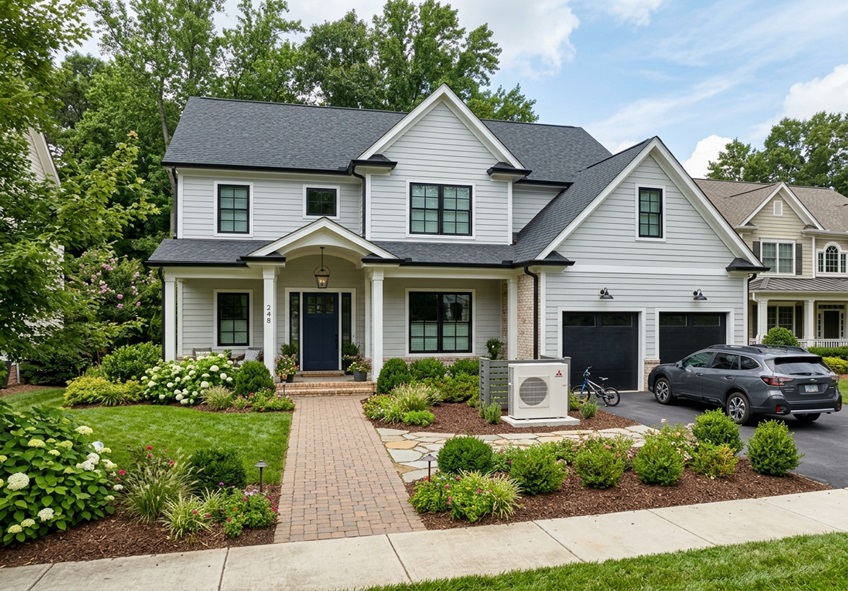
High-ROI Home Upgrades for Modern Curb Appeal and Efficiency
In today’s dynamic real estate landscape, the decision to invest in home upgrades transcends mere aesthetics. For urban and suburban homeowners alike, strategic renovations are powerful tools for enhancing property value, improving daily living, and preparing for future market demands. We understand that every dollar spent on a home improvement project should ideally yield a tangible return, whether that’s through increased comfort, lower utility bills, or a higher resale price.
This guide is designed to cut through the noise, offering data-driven insights into the home upgrades that truly matter. We’ll explore how focusing on key areas—from compelling exteriors that capture immediate buyer interest to advanced climate control systems that redefine efficiency—can significantly impact your home’s “effective age” and overall appeal. Understanding these nuances allows us to make informed choices, ensuring our investments are both wise and sustainable.
Join us as we delve into the latest findings from remodeling cost vs. value reports, examining which projects offer the highest return on investment. We’ll cover everything from the curb appeal champions that make a powerful first impression to the energy-efficient innovations, such as modern home heat pump upgrades, that promise long-term savings and comfort. Our goal is to empower you with the knowledge to transform your home into a more valuable, comfortable, and efficient asset.
When considering home improvements, the concept of Return on Investment (ROI) is paramount. It’s not just about what we spend, but what we get back – in terms of value, comfort, and market appeal. Recent data, particularly from the 2024/2025 Remodeling Cost vs. Value Report, consistently highlights that certain upgrades offer significantly higher returns than others. These high-ROI projects often align with modern buyer preferences for efficiency, low maintenance, and strong curb appeal.
A key factor in property valuation is a home’s “effective age.” This isn’t just its chronological age, but rather an appraiser’s assessment of the property’s age based on its current condition and level of updates. A well-maintained home with strategic upgrades can have a lower effective age, making it more appealing and valuable than a chronologically younger but neglected property. Our goal is to make smart investments that positively influence this effective age, ensuring our homes stand out in a competitive market.
The 2025 Remodeling Cost vs. Value Report serves as a crucial benchmark for homeowners. This annual report analyzes the average cost of popular remodeling projects and the value those projects retain at resale, providing a percentage of cost recouped. Understanding these trends helps us pinpoint where to invest our renovation dollars for maximum impact.
Strategic Exterior Home Upgrades for Maximum Value
First impressions are everything, especially in real estate. The exterior of our homes sets the stage for what buyers expect inside. Projects that enhance curb appeal consistently rank among the highest in terms of ROI because they capture immediate interest and signal a well-maintained property.
As the table illustrates, garage door replacement leads the pack, boasting an astounding 194% ROI. This seemingly minor change has a major visual impact, often accounting for a significant portion of a home’s front facade. A modern, insulated garage door with updated hardware can instantly elevate a home’s aesthetic, improve security, and enhance energy efficiency. Similarly, replacing a worn-out front door with a new steel entry door offers an impressive 188% ROI. This relatively inexpensive upgrade enhances security, improves insulation, and significantly boosts curb appeal, signaling quality and care to prospective buyers. For homeowners looking to make a more substantial visual statement, adding manufactured stone veneer to a portion of the home’s exterior can yield a 153% ROI. This upgrade adds texture, sophistication, and a sense of permanence that buyers often find highly desirable.
Beyond these top performers, other exterior improvements also offer substantial returns. Replacing old siding with new vinyl siding, for instance, can recoup around 97% of its cost. This not only refreshes the home’s appearance but also improves insulation and reduces maintenance. When considering comprehensive exterior home upgrades to maximize your property’s market appeal, it’s wise to consult with professionals who understand both aesthetic trends and structural integrity.
Landscaping also plays a critical role in curb appeal. A well-designed front yard can increase home value by 5.5% to 12.7%. The key here is focusing on mature plantings and low-maintenance greenery. Buyers are often looking for an attractive outdoor space that doesn’t demand excessive upkeep. Simple, clean landscaping signals that the property is cared for without imposing a burden on future owners. It’s about creating a welcoming visual that doesn’t just look good, but also contributes to the home’s overall “move-in ready” appeal. Remember the “30% rule”: generally, renovation costs should not exceed 30% of your home’s current value to avoid over-improving for your neighborhood.
Minor vs. Major Kitchen and Bath Home Upgrades
Kitchens and bathrooms are often considered the heart and soul of a home, and their condition heavily influences buyer decisions. However, the ROI for these spaces can vary dramatically depending on the scope of the renovation. The data consistently shows that minor remodels significantly outperform major, upscale overhauls.
A minor kitchen remodel, for example, averages a remarkable 96% ROI. This typically involves updating cabinet fronts (refacing or painting), installing new countertops (like popular quartz options), upgrading to mid-range appliances, and refreshing the paint and lighting. The average cost for such a project is around $26,790, recouping approximately $25,694 at resale. In contrast, a major upscale kitchen remodel might only return 38% of its cost. The lesson here is clear: buyers appreciate modern, functional, and aesthetically pleasing kitchens, but they are often unwilling to pay a premium for high-end, customized features that reflect an individual’s specific tastes. The goal is to modernize and neutralize, making the space broadly appealing without overspending on luxury elements that may not resonate with the next owner. For inspiration on how to blend modern functionality with classic charm, exploring examples of historic contemporary home upgrades can provide valuable insights into creating appealing, timeless spaces.
Similarly, a minor bathroom refresh offers a respectable 71% ROI. This could include updating fixtures, replacing a vanity, improving lighting, and installing neutral tile palettes. The cost for these types of updates typically ranges from $10,000 to $25,000, depending on the scope and market. Like kitchens, the key is to create a clean, functional, and modern space without excessive customization. Buyers often seek bathrooms that feel fresh and well-maintained, but costly overhauls with bespoke elements rarely translate to a dollar-for-dollar return at resale. Focusing on quality, mid-range materials and a universally appealing design will yield the best results.
Energy-Efficient Climate Systems and Home Heat Pump Upgrades
In an era of rising energy costs and increasing environmental awareness, energy-efficient upgrades are no longer just a luxury; they are a necessity that adds tangible value and appeal to a home. Buyers are increasingly prioritizing homes that offer lower utility bills and a smaller carbon footprint. This makes climate control systems a critical area for investment.
Central to energy efficiency is the HVAC system. Upgrading to an ENERGY STAR certified system is a smart move, as these units are designed to use less energy while providing optimal comfort. Multi-zone HVAC systems are particularly appealing, allowing homeowners to control temperatures in different areas of the house independently, further reducing energy waste. These systems are consistently ranked among buyers’ most wanted technology features.
To truly optimize energy savings, we recommend starting with a comprehensive home energy assessment. This audit identifies areas where energy is being lost and helps prioritize upgrades for maximum impact. Often, simple yet effective measures like air sealing and improving attic insulation can yield significant results. Proper attic insulation alone can save up to 10% on annual energy bills, while also enhancing indoor comfort year-round.
Another significant upgrade is a heat pump water heater. These highly efficient units can save a household of four approximately $550 every year on water heating costs. When considering comprehensive home heat pump upgrades, it’s important to look at the entire system, including the heat pump for heating and cooling, and a heat pump water heater for domestic hot water. These technologies offer substantial long-term savings and align with the growing demand for sustainable living.
Smart thermostats are another excellent investment, offering an easy way to manage energy consumption. These devices learn our habits, adjust temperatures based on occupancy, and can be controlled remotely, leading to substantial energy savings and increased convenience. Finally, ensuring the integrity of our ductwork is paramount. Leaky or poorly designed ducts can negate the efficiency of even the best HVAC system, leading to wasted energy and uneven heating or cooling. Regular inspections and necessary modifications can ensure our climate control systems operate at peak performance.
Strategic Planning for Long-Term Value and Sustainability
Investing in home upgrades requires more than just knowing which projects offer the highest ROI. It demands a strategic approach that considers our local market, neighborhood comparables, and long-term sustainability goals. The aim is not just a quick flip, but creating lasting value and a comfortable living environment that will stand the test of time and market fluctuations. Understanding appraisal factors and how our home fits into its immediate surroundings is key to making truly informed decisions.
Structural Additions and Functional Square Footage
Adding functional square footage or repurposing existing spaces is a powerful way to increase home value. Finishing a basement, for instance, can recoup an average of 70% of its cost at resale. While the average cost might be around $32,000, this can translate into an additional $40,000 to $50,000 in value for homes in the $250,000-$400,000 range, particularly in areas like Georgia. This project involves installing flooring, drywall, and paint, effectively creating a “valuable blank canvas” for potential buyers. Similarly, converting an attic into a usable living space can provide a significant boost in value.
The demand for dedicated home offices has surged, especially since 2020, making this a highly sought-after feature. Converting a spare bedroom or even a large closet into a functional office space can be a smart investment. Open floor plans also continue to appeal to buyers, as they create a sense of spaciousness and flexibility.
Here are some of the most sought-after features and upgrades in 2026, reflecting current buyer preferences:
Adding a half-bath to a home that currently only has one full bathroom can add $10,000 to $25,000 in value. However, construction costs for new bathroom additions can be substantial, making the ROI highly dependent on existing layouts and market expectations. Deck and patio additions, while offering a 45%-55% ROI on average, also vary significantly by region. In some warmer climates, outdoor living spaces are almost a necessity and can yield higher returns. For homes in areas with a strong emphasis on community and family, features like multigenerational living suites or Accessory Dwelling Units (ADUs) can also add considerable value by providing flexible living arrangements. Increasing functional square footage that aligns with current lifestyle trends is a reliable way to boost home value.
DIY Projects with High Impact and Low Cost
Not all valuable home upgrades require a massive budget or professional contractors. Many DIY projects can deliver high impact with relatively low cost, perfect for homeowners looking to refresh their space without breaking the bank.
One of the most cost-effective ways to add value is a fresh coat of paint. A neutral interior paint palette can add an average of $12,130 to a home’s value, and a professional exterior paint job typically runs around $3,177. Neutral tones allow buyers to easily envision their own furnishings and decor, making the home feel more spacious and inviting. Simple hardware swaps in kitchens and bathrooms—new cabinet pulls, faucet handles, or light fixtures—can also modernize a space for minimal investment.
Curb appeal can be significantly enhanced with just a few hours of effort. Pressure washing the exterior of the house, sidewalks, driveways, and patios can remove years of grime and instantly refresh surfaces for $241 to $418. Updating a mailbox (around $35) and house numbers (about $3 per digit) are small details that contribute to a polished first impression. Deep cleaning the entire home, including carpets and windows, also makes a huge difference in how buyers perceive the property.
However, it’s equally important to know which projects to avoid due to low or negative ROI. While a swimming pool might offer personal enjoyment, it often has a low or even negative ROI at resale due to high maintenance costs, safety concerns, and limited buyer appeal. Similarly, highly personalized luxury overhauls, such as custom wallpaper, sunrooms, or overly trendy designs, rarely recoup their costs. These projects cater to specific tastes and may not appeal to a broad range of buyers, making them risky investments if resale value is a primary concern. Sticking to neutral, functional, and broadly appealing upgrades is generally the safest bet for maximizing value.
Navigating Tax Credits and Local Market Comps
Maximizing the value of home upgrades isn’t just about the project itself, but also about leveraging available financial incentives and understanding our local market. Many energy-efficient upgrades qualify for federal tax credits or state/local rebates, significantly reducing out-of-pocket costs.
For federal energy tax credits, homeowners typically need to file IRS Form 5695 when completing their annual tax return. These credits can cover up to 30% of the cost for eligible energy-efficient improvements, such as home energy assessments, new windows, insulation, and certain HVAC systems. The process involves making an eligible upgrade, keeping detailed records of expenses, and then submitting the correct form with your taxes.
For rebates, the situation is a bit more localized. Energy Star rebates are managed at the state, territory, or Tribal level, meaning eligibility and amounts can vary widely. We can explore available incentives by visiting the Home Energy Rebates Portal or using the ENERGY STAR rebate finder to check what programs are active in our specific zip code.
Here are the general steps to claim energy incentives:
Beyond incentives, understanding our local market and neighborhood comparables is crucial. An appraiser’s perspective is invaluable here. They assess a home’s value not in isolation, but in comparison to similar properties in the immediate area. Over-improving a home beyond what is typical for the neighborhood can lead to diminishing returns, as the market may not support the higher valuation. Conversely, a home that is significantly less updated than its neighbors might struggle to sell at a competitive price.
Appraisers use the concept of “effective age” to determine a property’s condition relative to its chronological age. By making strategic, market-appropriate updates, we can lower our home’s effective age, making it more competitive and appealing to buyers. This involves researching recent sales in our area, understanding what features buyers in our specific market prioritize, and ensuring our upgrades align with those expectations. A well-planned renovation strategy balances personal enjoyment, energy savings, and market-driven value, ensuring our home remains a valuable and sustainable asset for years to come.
