
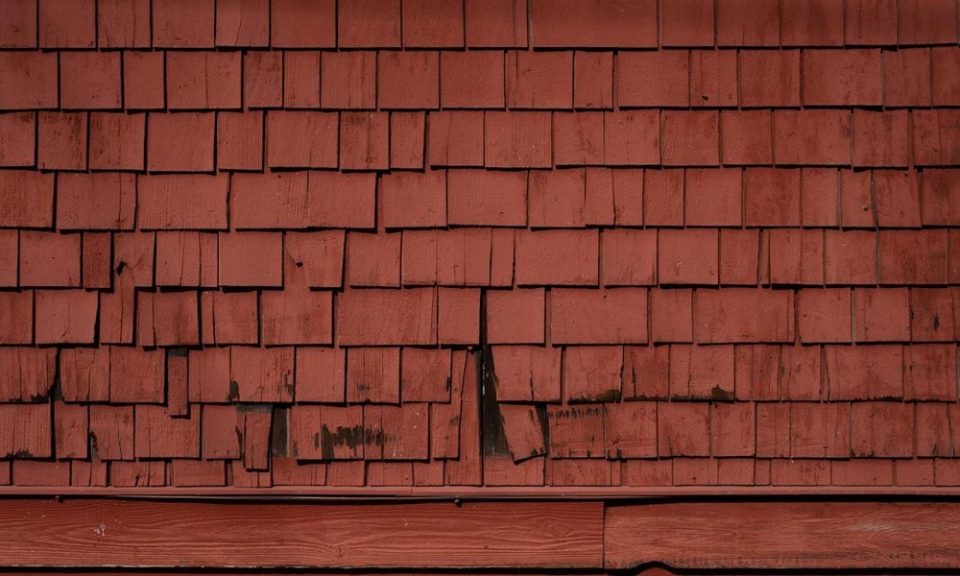
Identifying Signs of Emergency Roof Damage in Eagle Point
Your roof protects your home from unpredictable weather. But what happens when a sudden storm hits Eagle Point, OR, causing unexpected damage? A roofing emergency can be stressful and lead to bigger problems if not handled quickly. We understand these urgent situations. This guide will help you understand the signs of emergency roofing maintenance needs in Eagle Point, OR. We will cover what immediate steps to take and how to find expert help to secure your home.
To learn more about keeping your roof in top condition, explore our main roofing guide. If you need urgent repairs, please contact us today.
For reliable emergency roofing maintenance in Eagle Point, OR, contact us today.
Recognizing the early warning signs of roof damage is crucial for homeowners in Eagle Point, OR, where weather patterns can be unpredictable. Prompt identification can prevent minor issues from escalating into costly disasters.
One of the most obvious indicators of a roofing emergency is visible damage to shingles. After a storm, look for missing, cracked, or curled shingles. High winds, a significant factor in storm damage, can easily tear these protective layers away, leaving your roof’s underlayment exposed. Eagle Point, OR, experiences an average of 38 inches of rain per year, making a compromised roof particularly vulnerable to leaks and water damage.
Beyond the exterior, interior leaks and ceiling stains are undeniable red flags. Water stains on your ceiling or walls, peeling paint, or bubbling wallpaper often signify that moisture has penetrated your roof system. These issues can originate from various points, such as damaged flashing around chimneys or vents, or compromised seams in metal roofing-a popular choice in Oregon. Sagging rooflines are another serious sign, often indicating structural issues like waterlogged decking, rot, or weakened support beams, which demand immediate professional attention.
Other subtle, yet critical, signs include:
- Curled or buckled flashing: This metal stripping around roof penetrations is vital for waterproofing. If it’s damaged, water can easily seep into your home.
- Excessive moss or algae accumulation: While not always an emergency, heavy growth can trap moisture, accelerate shingle deterioration, and hide underlying damage, especially in a rainy climate like Eagle Point’s.
- Moisture intrusion in the attic: Check your attic for dampness, mold, or a musty smell, which are clear indicators of a leak.
- Granules in gutters: For asphalt shingle roofs, finding a significant amount of shingle granules in your gutters suggests that your shingles are deteriorating and losing their protective coating.
- Punctures or holes: These can be caused by falling debris, tree branches, or even improperly installed satellite dishes, creating direct entry points for water.
List of Visual Red Flags:
- Missing, cracked, or curled shingles
- Water stains on ceilings or walls
- Peeling paint or bubbling wallpaper
- Sagging roof sections
- Damaged or buckled flashing
- Excessive moss or algae growth
- Dampness or mold in the attic
- Granules accumulating in gutters
- Visible punctures or holes in the roofing material
Immediate Steps for Homeowners During a Roofing Crisis
When a roofing emergency strikes, acting quickly and safely is paramount to minimizing further damage to your Eagle Point home. Our priority is always your safety, so begin by ensuring everyone in your household is out of harm’s way.
Safety First: Never attempt to climb onto a damaged roof, especially during or immediately after a storm. The roof could be unstable, and wet surfaces are extremely slippery. Always assess the situation from a safe vantage point on the ground. Look for downed power lines, fallen debris, or structural compromises that could pose a risk.
Ground-Level Evaluation and Documentation: Once you’ve ensured safety, conduct a thorough ground-level evaluation. Take wide-angle photos of your entire home and roof, then zoom in for close-up shots of any visible damage. Document missing shingles, punctures, debris, and any interior leaks or water stains. This photographic evidence is crucial for insurance claims and for providing your chosen contractor with an initial understanding of the situation.
Temporary Tarping and Water Containment: If it’s safe to do so, and the weather permits, temporarily protecting the damaged area with a waterproof tarp can prevent further water intrusion. This is a critical step, as even a small opening can lead to significant interior damage, mold growth, and structural rot if left exposed. Secure the tarp firmly to prevent it from blowing away, using sandbags or weighted objects on the edges, but avoid nailing directly into the roof if possible, as this can create new damage. Inside your home, place buckets or towels to catch any dripping water, and move furniture and valuables away from leak points.
Debris Removal (If Safe): Carefully remove any easily accessible debris from your roof or gutters, such as small branches or leaves, being mindful of your safety. Avoid attempting to remove large, heavy, or precariously placed items, as these should be handled by professionals.
Professional Assessment: The next immediate step is to contact a reputable emergency roofing contractor in Eagle Point, OR. They can provide a professional assessment, safely install temporary repairs, and begin planning for permanent solutions. For comprehensive roofing solutions, including emergency services, we encourage you to explore resources like Emergency commercial roofing Eagle Point. Having a trusted expert on call can make all the difference during a stressful roofing crisis.
Proactive Strategies for Commercial Roofing Longevity
While the immediate response to a roofing emergency is critical, proactive maintenance is the cornerstone of preventing such crises in the first place, especially for commercial properties in Eagle Point, OR. Regular preventative maintenance can significantly extend the lifespan of a commercial roof, protecting your investment and ensuring business continuity.
Commercial roofs, whether flat, low-slope, or metal, face unique challenges. They are often larger, have more penetrations (HVAC units, vents, skylights), and are subject to heavier foot traffic for maintenance. In Eagle Point, OR, the average rainfall and potential for high winds mean that robust drainage and seam integrity are paramount.
Preventative Maintenance: A comprehensive preventative maintenance program typically includes annual or bi-annual inspections, cleaning, and minor repairs. These routine checks allow us to identify potential issues early, such as compromised flashing, clogged drains, or signs of membrane degradation, before they become emergencies. For businesses looking for guidance on maintaining their commercial roofs, a Commercial Roofing Eagle Point OR Guide can be an invaluable resource.
Drainage Efficiency: Efficient drainage is vital to prevent ponding water, which can accelerate roof deterioration and lead to leaks. Regular cleaning of gutters, downspouts, and internal drains ensures water flows freely off the roof.
Seam Integrity and Membrane Protection: For flat and low-slope roofs, the integrity of seams is crucial. Over time, UV exposure and temperature fluctuations can cause seams to separate. Metal roofing, popular for its durability, also requires attention to seam leaks, which can be a common issue. Regular inspections and resealing of these areas are essential. For detailed insights into maintaining various commercial roofing types, including metal, our Professional Commercial Roofing in Eagle Point OR article offers further information.
UV Resistance: Many commercial roofing materials benefit from coatings that enhance UV resistance, protecting the roof from sun damage and extending its life. These coatings also contribute to energy efficiency by reflecting sunlight.
Here’s a comparison illustrating the benefits of routine maintenance versus the consequences of emergency repairs:
Routine Maintenance vs. Emergency Repair
| Feature | Routine Maintenance | Emergency Repair |
|---|---|---|
| Cost | Predictable, lower long-term expense | Unpredictable, often significantly higher |
| Disruption | Minimal, scheduled around business operations | Potentially significant, unplanned downtime |
| Roof Lifespan | Extended, maximizes investment | Shortened, accelerates need for replacement |
| Damage Scope | Addresses minor issues, prevents escalation | Reacts to major damage, often includes secondary issues |
| Peace of Mind | High, confident in roof’s condition | Low, stressful, uncertain outcomes |
| Insurance | May reduce premiums, fewer claims | Higher likelihood of claims, potential premium increase |
A thorough commercial roof inspection goes beyond a simple visual check. It involves a detailed examination of various components to ensure the roof’s long-term performance and integrity. Key areas of focus include:
- Fastener Security: Check all fasteners, especially on metal roofs, for signs of loosening, corrosion, or pull-out, which can compromise the roof’s attachment and lead to leaks or wind uplift.
- Flashing Transitions: Examine all flashing around parapet walls, skylights, vents, and HVAC units. These are common points of failure where water can infiltrate if the flashing is cracked, lifted, or improperly sealed.
- Ponding Water: Identify any areas where water collects and stands for more than 48 hours after rainfall. Ponding water accelerates membrane degradation and can indicate structural issues or drainage problems.
- Gutter Clearance: Ensure gutters and downspouts are free of debris, leaves, and sediment. Clogged drainage systems can cause water to back up onto the roof, leading to leaks and ice damming in colder weather.
- Ventilation Flow: Verify that all roof vents are clear and functioning correctly. Proper ventilation is essential for managing attic temperatures and moisture, preventing issues like condensation and mold.
- Thermal Expansion: For metal roofs, inspect for signs of stress or damage caused by thermal expansion and contraction. Proper installation accounts for this movement, but issues can arise over time.
- Surface Degradation: Look for signs of wear and tear on the roof membrane, such as blistering, cracking, punctures, or thinning, which can be caused by UV exposure, foot traffic, or environmental factors.
Regular, professional inspections are a cornerstone of effective Commercial Roofing Eagle Point OR Tips and can significantly reduce the likelihood of unexpected repairs.
Addressing Commercial Roofing Storm Damage
Storms in Eagle Point, OR, can bring high winds and hail, leading to significant damage for commercial properties. Understanding how to address these specific threats is crucial for rapid recovery and preventing long-term issues.
Wind Uplift: High winds can exert immense pressure on a roof, leading to wind uplift. This can cause shingles or membrane sections to detach, especially at edges and corners. For metal roofs, wind can loosen fasteners or even peel back entire panels. Immediate inspection after a wind event is vital to identify and secure any compromised areas.
Hail Impact: Hailstorms can cause direct impact damage, leaving dents on metal roofs or bruising and cracking asphalt shingles. While sometimes not immediately apparent, hail damage can compromise the integrity of the roofing material, leading to premature aging and leaks. A professional inspection is often needed to detect subtle hail damage. For more on this, consider our insights on Commercial Roofing Hail Damage in Central Point OR.
Puncture Detection: Storms can bring down tree branches, loose debris, or even construction materials, creating punctures in the roof membrane. These holes, even small ones, are direct entry points for water. Swift detection and repair are essential to prevent extensive water damage inside the commercial building.
Emergency Stabilization: In the aftermath of severe storm damage, emergency stabilization measures, such as temporary tarping or patching, are critical. These steps protect the building from further water intrusion while permanent repairs are planned.
Structural Load: Heavy rainfall, especially when combined with compromised drainage or structural damage, can impose excessive loads on the roof structure. This is particularly concerning for flat roofs. A professional assessment will evaluate the structural integrity and ensure the roof can safely support its load.
Secondary Damage Prevention: Prompt action after storm damage is not just about fixing the roof; it’s about preventing secondary issues. Delays can lead to mold growth, interior water damage to equipment and inventory, and even structural rot, costing thousands more to fix. The average cost of roof repair in Oregon can range from $300 to $1,000, but complex issues can exceed $3,000. Prompt emergency roof repair can prevent further damage, with delays potentially leading to issues like mold growth and structural rot, costing thousands more to fix.
By understanding these specific storm-related threats and implementing a rapid response plan, businesses in Eagle Point, OR, can safeguard their commercial properties and minimize the impact of severe weather.
Documenting Damage for Insurance Claims
When your roof sustains damage, thorough documentation is your best friend when it comes to filing an insurance claim. This process helps ensure you receive the coverage you deserve and streamlines communication with your insurer.
Photo Evidence is Key: Start by taking a comprehensive set of photos and videos. This should include:
- Wide-angle shots: Capture the entire roof and your property to show the full context of the damage. Take photos from different angles around the house.
- Close-up details: Focus on specific areas of damage, such as missing shingles, punctures, dents, lifted flashing, or water stains. Ensure these close-ups are clear and well-lit.
- Interior damage: Don’t forget to document any damage inside your home, including ceiling stains, water drips, peeling paint, or damaged personal belongings. These photos link the exterior roof damage to interior consequences.
- Timestamped records: If your camera or smartphone has a timestamp feature, use it. This adds credibility to your documentation, proving when the damage was observed.
Written Logs and Communication: Maintain a detailed written log of events. This should include:
- Date and time of damage: Note when the damage occurred or was first discovered.
- Weather conditions: Record the type of weather event (e.g., heavy rain, high winds, hail) that caused the damage.
- Observations: Describe what you saw, both inside and outside your home.
- Contact information: Keep a record of everyone you speak with regarding the damage, including your insurance agent, adjusters, and roofing contractors. Note the date, time, and a summary of the conversation.
Claim Streamlining: Having a well-organized file of photos, videos, and written logs will significantly streamline your insurance claim process. It provides clear evidence to your adjuster, helps prevent disputes, and ensures that all aspects of the damage are considered for coverage. Some insurance policies require quick action to limit damage, so prompt documentation and contacting your insurer are essential. A professional roofing contractor can also assist with this process, providing expert assessments and estimates that support your claim.
Frequently Asked Questions about Emergency Roofing
What are the risks of delaying emergency roof repairs in Eagle Point?
Delaying emergency roof repairs, even for a short period, can lead to a cascade of costly and dangerous consequences for your Eagle Point home or business. What might seem like a minor leak can quickly escalate into a major problem, significantly increasing the repair scope and expense.
The primary risks include:
- Structural Rot: Water penetrating the roof can soak into the wooden decking, rafters, and other structural components, leading to rot. This weakens the entire roof structure and can compromise the safety of your home.
- Mold Growth: Damp conditions are ideal for mold and mildew to thrive. Mold can spread rapidly, posing serious health risks to occupants and requiring extensive remediation efforts.
- Electrical Hazards: Water and electricity are a dangerous combination. Leaks can affect electrical wiring in your attic or walls, creating fire hazards or causing electrical systems to fail.
- Increased Repair Scope and Cost: A small leak left unaddressed can damage insulation, ceilings, walls, and even flooring. What could have been a simple patch job might turn into a full roof replacement, interior renovation, and mold remediation project. Prompt emergency roof repair can prevent further damage, with delays potentially leading to issues like mold growth and structural rot, costing thousands more to fix.
- Compromised Insulation: Wet insulation loses its effectiveness, leading to higher energy bills as your HVAC system works harder to maintain indoor temperatures.
- Interior Property Damage: Beyond structural elements, water leaks can ruin furniture, electronics, personal belongings, and inventory in commercial settings, leading to significant financial losses.
Acting swiftly to address emergency roof damage is not just about fixing a leak; it’s about protecting your entire property and the health of its occupants.
How can I temporarily protect my roof from further damage?
When facing a roofing emergency in Eagle Point, OR, temporary measures can be crucial to prevent additional damage while you await professional repairs. These steps are designed to be a stop-gap solution, not a permanent fix.
- Waterproof Tarping: The most common and effective temporary solution is to cover the damaged area with a heavy-duty, waterproof tarp. Ensure the tarp extends well beyond the damaged section on all sides.
- Secure Fastening: Secure the tarp firmly to prevent it from being dislodged by wind. Use 2x4s or other sturdy materials to roll the edges of the tarp and then screw them into stable parts of the roof or fascia, avoiding nailing directly into the damaged area if possible. Sandbags or heavy objects can also be placed along the edges to weigh it down, especially in windy conditions.
- Interior Water Collection: Inside your home, strategically place buckets, pans, or plastic sheeting to collect any water that continues to drip. This prevents water from spreading and causing further damage to ceilings, walls, and floors.
- Avoid DIY Structural Fixes: While tempting, avoid attempting to fix structural issues yourself. This can be dangerous and may worsen the problem or void your insurance policy. Focus on containing the water and protecting exposed areas.
- Professional Temporary Sealing: If you are uncomfortable or unable to safely access your roof for tarping, contact an emergency roofing contractor. They can safely install temporary patches or tarps using professional techniques and materials, ensuring better protection until permanent repairs can be made.
These temporary solutions are for immediate protection. Contacting a qualified Roofing Contractor promptly for a permanent repair is essential.
What weather conditions in Eagle Point commonly lead to roofing emergencies?
Eagle Point, OR, experiences specific weather patterns that frequently contribute to roofing emergencies. Understanding these conditions helps homeowners and businesses prepare and react effectively.
- High Wind Gusts: Eagle Point can experience significant wind events, especially during seasonal storms. High winds are a leading cause of emergency roof repairs, as they can lift, tear, and dislodge shingles, flashing, and even entire roof sections. This exposes the underlying structure to moisture.
- Heavy Seasonal Rainfall: With an average of 38 inches of rain per year, heavy rainfall is a constant threat. Prolonged or intense rain can exploit any existing vulnerabilities in a roof, leading to leaks, water infiltration, and interior damage. Poor drainage or clogged gutters exacerbate these issues.
- Hail Storms: While less frequent than rain or wind, hail can cause direct impact damage, bruising or cracking roofing materials. This damage might not be immediately visible but can compromise the roof’s integrity over time, leading to leaks. Storm damage is a leading cause of emergency roof repairs, with high winds and hail being significant factors in the region.
- Ice Damming: In colder months, fluctuating temperatures can lead to ice dam formation along roof eaves. Ice dams prevent melting snow from draining off the roof, causing water to back up under shingles and into the home.
- Fallen Tree Limbs: Severe weather, particularly high winds and ice storms, can cause tree branches or entire trees to fall onto roofs, resulting in punctures, structural damage, and immediate emergencies.
- Rapid Temperature Fluctuations: The expansion and contraction caused by significant temperature swings can stress roofing materials, leading to cracks, loosened fasteners, and compromised seals, especially in older roofs or those with metal components.
These conditions highlight the importance of regular Roof Maintenance and prompt action when an emergency arises, ensuring your roof can withstand Eagle Point’s challenging climate.
Conclusion
Addressing emergency roof damage promptly in Eagle Point, OR, offers numerous long-term benefits that extend far beyond simply stopping a leak. It’s an investment in the safety, integrity, and value of your property, providing invaluable peace of mind.
The long-term benefits of swift action include:
- Preserving Property Value: A well-maintained and promptly repaired roof is critical to maintaining your home’s aesthetic appeal and market value. Undetected or prolonged damage can lead to costly structural issues that deter potential buyers.
- Preventing Costly Secondary Damage: As discussed, delaying repairs can lead to mold, structural rot, and extensive interior damage, turning a relatively minor repair into a major renovation project costing thousands more. Prompt action mitigates these risks.
- Ensuring Structural Integrity: Your roof is a key component of your home’s structural stability. Addressing damage quickly prevents weakening of the framework, protecting your entire property.
- Enhancing Energy Efficiency: Damaged roofs can compromise insulation, leading to heat loss in winter and heat gain in summer. Prompt repairs restore your roof’s thermal performance, helping to keep energy bills in check.
- Peace of Mind: Knowing your roof is sound and secure provides unparalleled peace of mind, allowing you to weather any storm with confidence.
Preventative maintenance is your best defense against future roofing emergencies in Eagle Point, OR. Regular inspections, ideally annually and after severe weather events, can identify minor issues before they escalate. Cleaning gutters, trimming overhanging branches, and addressing small repairs like loose shingles or minor flashing issues can significantly extend your roof’s lifespan. For commercial property owners, a dedicated Commercial Roofing maintenance program is even more critical.
By partnering with a reliable local roofing expert, you gain access to professional expertise, quality materials, and timely service, ensuring your roof remains a resilient guardian for your home or business in Eagle Point. We are committed to providing top-rated roofing solutions for your peace of mind.
