
Introduction
We all dream of a living space that truly reflects who we are and how we live. Transforming your home through thoughtful interior design and remodeling is a powerful way to achieve this. It’s about more than just changing walls or updating fixtures; it’s about creating an environment that enhances your daily life and brings joy.
In this extensive guide, we will explore the essential elements of a successful home transformation. We will delve into how careful planning shapes your space, from foundational design decisions to the selection of key materials.
We’ll examine the impact of modern countertops, exploring options like durable quartzite and elegant marble that are perfect for defining luxury kitchens and enhancing areas such as Stone bathroom vanity installation. We will also discuss the value of smart refinishing techniques, and consider how effective wall decor can complete your vision. Understanding these aspects helps us ensure every detail contributes to a cohesive and beautiful home.
The Synergy of Interior Design and Remodeling
Embarking on a home renovation project often brings a fundamental question to the forefront: who does what? Homeowners frequently ponder the distinct roles of a general contractor (GC) and an interior designer. While both are crucial to a successful project, their responsibilities and expertise differ significantly, making their collaboration indispensable.
A general contractor primarily oversees the construction aspects of a project. This includes managing structural changes, such as removing load-bearing walls, ensuring adherence to building codes, and securing all necessary permits. They are responsible for the physical execution of the design, coordinating tradespeople, scheduling work, and managing the construction budget and timeline. Their focus is on the structural integrity and practical construction elements, ensuring everything is built safely and correctly.
An interior designer, on the other hand, specializes in the aesthetic and functional aspects of a space. Their expertise lies in space planning, material selection, color palettes, lighting design, and the overall flow and feel of a room. They translate a homeowner’s vision into a cohesive design, often handling furnishings, window treatments, and final styling. While they can draw up floor plans and suggest layouts, they rely on the general contractor to determine the feasibility of structural changes and to execute the physical alterations. When it comes to enhancing your living environment, considering aspects like Home interior wall remodeling often bridges the gap between structural changes and aesthetic improvements, highlighting the need for both professionals.
The synergy between a general contractor and an interior designer is paramount. Without a designer, a newly remodeled space might be structurally sound but lack visual appeal or functional flow. Conversely, a designer’s vision, however brilliant, cannot be realized without a contractor to manage the construction and ensure compliance with building regulations. For instance, a designer might plan for a specific furniture layout, but it’s the contractor who ensures electrical outlets are placed correctly to accommodate lighting or charging needs, preventing costly rework later.
Collaborating from the outset ensures that the design vision is buildable and that construction decisions support the aesthetic goals. This integrated approach optimizes space usage, streamlines project timelines, and ultimately delivers a result that is both beautiful and functional.
The Design-Build Process for Interior Design and Remodeling
The design-build model is increasingly favored for its seamless integration of design and construction services under a single entity. This approach simplifies the remodeling journey, offering homeowners a single point of contact and accountability from concept to completion.
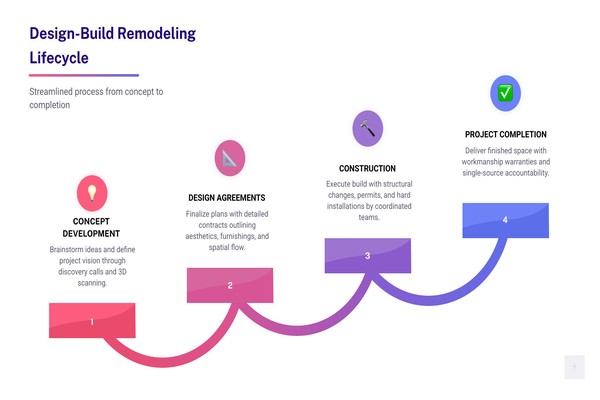
The typical step-by-step process for a design-build project unfolds as follows:
- Discovery Call and Home Visit: The process begins with an initial consultation where the homeowner discusses their vision, goals, and budget. Professionals conduct a site visit to assess the existing space and understand its potential.
- Design Agreement and 3D Scan: Once initial alignment is established, a design agreement is signed. Modern firms often utilize advanced tools like 3D scanning to create highly accurate digital models of the space. This precision helps in planning and budgeting, replacing approximations with exact measurements.
- Design Selections and Budget Development: This phase involves detailed design work. Interior designers present mood boards, material samples, and detailed drawings. Homeowners make selections for everything from flooring to fixtures, with real-time budget updates to ensure financial transparency. This is where the initial design concepts are refined into tangible plans.
- Construction Contract: With the design finalized and budget approved, a comprehensive construction contract is prepared. This document outlines the scope of work, timeline, payment schedule, and all project specifics, including permits and warranties.
- Construction and Warranty: The construction phase begins, managed by the design-build firm. A dedicated project manager ensures smooth execution, regular communication, and adherence to quality standards. Upon completion, a final walkthrough is conducted, and a workmanship warranty is provided, offering peace of mind for the homeowner. Firms like Jackson Design & Remodeling, with over 35 years of experience and a 98% client satisfaction rating, exemplify the benefits of this integrated approach, often offering comprehensive warranties.
This integrated process, championed by firms like Che Bella Interiors (with over 100 years of combined experience) and The Hamlin Group (with 23+ years of architecture experience), minimizes miscommunication and ensures that the design vision is executed precisely, often leading to faster project completion and greater client satisfaction.
Integrating Furnishings with Construction Plans
One of the most critical aspects of successful interior design and remodeling, often overlooked until it’s too late, is the integration of furnishings and electrical planning with the construction process. The importance of this cannot be overstated, as neglecting it can lead to costly mistakes and compromises in the final design.
Consider the placement of a dining table or a sofa. If the furniture layout is not finalized before electrical plans are drawn and construction begins, you might find yourself with inconveniently placed outlets, or worse, a chandelier that hangs off-center from your dining table. As one professional anecdote highlights, a client moving their dining table post-renovation discovered there was no wiring for a chandelier in the desired spot because the furnishings plan hadn’t been coordinated with the electrical layout upfront.
An interior designer’s expertise in spatial planning ensures that every piece of furniture, every lighting fixture, and every decorative element has its designated place. This detailed planning includes:
- Furniture Layout: Determining the optimal arrangement of furniture to ensure comfortable circulation, functional zones, and aesthetic balance.
- Electrical Placement: Precisely locating outlets, light switches, and junction boxes based on the furniture layout and lighting design. This includes planning for floor outlets, wall sconces, and ceiling fixtures.
- Window Treatments: Considering the style and functionality of drapes, blinds, or shades during the early design phase to ensure appropriate window framing and hardware installation.
By integrating these design elements with construction plans, professionals can avoid common pitfalls. This proactive approach ensures that the architectural details, the hard installations, and the final furnishings all work in harmony, creating a cohesive and functional space. It prevents the need for expensive electrical rerouting, patching walls, or compromising on the ideal furniture arrangement, ultimately saving both time and money for the homeowner.
Material Innovation in Modern Kitchens and Bathrooms
In April 2026, the selection of materials for luxury kitchens and bathrooms continues to evolve, driven by a desire for both aesthetic appeal and enhanced performance. Homeowners are increasingly seeking surfaces that offer durability, ease of maintenance, and a timeless look. Among the most trending options for countertops and surfaces are quartzite, marble, and quartz, each bringing unique characteristics to the table.
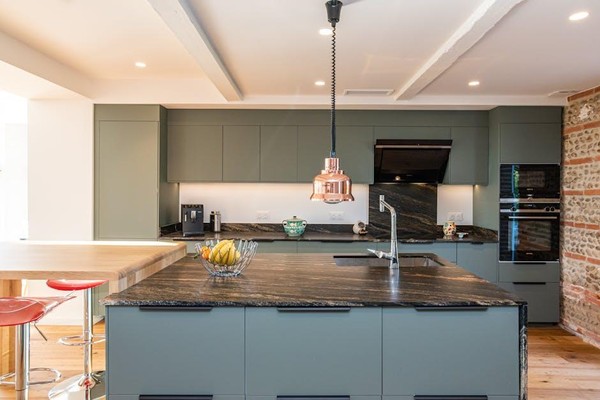
Quartzite is a natural stone known for its striking resemblance to marble but with superior durability. It’s highly resistant to scratches, heat, and etching, making it an excellent choice for busy luxury kitchens. Its natural veining and crystalline sparkle offer a sophisticated aesthetic. For example, Taj Mahal Quartzite is a popular choice for high-end renovations in Chicago suburbs, offering a luxurious yet practical surface.
Marble remains a classic symbol of elegance and luxury. Its distinctive veining and soft, luminous appearance are unparalleled. While it requires more maintenance due to its porous nature and susceptibility to etching, many homeowners are drawn to its unique character and the patina it develops over time. Calacatta marble is particularly sought after for its bold, dramatic veining. For those considering this timeless material, our guide on marble countertops offers deeper insights.
Quartz (engineered stone) continues to be a top choice, especially in the Chicago metro area, due to its non-porous nature, making it highly resistant to stains and bacteria. It offers a wide range of colors and patterns, including those that mimic natural stone, providing design flexibility without the maintenance concerns of marble. Brands like Q Quartz, Silestone, Caesarstone, LG Viatera, Cambria, and Daltile offer diverse options. To learn more about this versatile material, explore our page on quartz countertop.
Other notable materials include:
- Porcelain: Praised for its versatility, durability, and resistance to heat, scratches, and UV light, porcelain is gaining traction for countertops and large-format tiling.
- Ultra-compact surfaces (like Dekton): These engineered materials are created under extreme pressure and heat, resulting in surfaces that are incredibly resistant to everything from scratches and stains to high temperatures and UV rays. Explore options like ultra-compact countertops and dekton countertops for cutting-edge durability.
When it comes to design details, eased edges are considered timeless and universally appealing for countertops. In terms of color, the trend is shifting from stark “all-white everything” to warm neutrals and vein-focused patterns, which add character and depth to kitchens and bathrooms. This desire for warmth and natural movement is evident in the popularity of materials like Fantasy Brown, a natural stone that often sparks debate about whether it’s marble or quartzite due to its varied composition. Understanding the nuances of materials like these is key to making informed decisions for your home.
Trending Surfaces for 2026
As we move through 2026, several specific surface trends are defining luxury kitchens and bathrooms:
- Fantasy Brown: This natural stone, often a blend of marble and quartzite, continues to be highly requested. Its unique patterns and warm tones offer a sophisticated alternative to traditional granite or stark white marble.
- Calacatta Quartz: For those who love the look of Calacatta marble but desire less maintenance, Calacatta quartz provides the same dramatic veining and luxurious aesthetic in a more durable, engineered format.
- Taj Mahal Quartzite: This specific type of quartzite is celebrated for its creamy white background with subtle gold and brown veining, offering an elegant and resilient option that mimics marble.
- Soapstone and Limestone: These natural stones are gaining popularity for their soft, tactile finishes and unique character. Soapstone offers a rich, dark appearance that darkens with age, while limestone provides a softer, more earthy aesthetic. Discover more about limestone countertop options.
- Matte Finishes: Beyond specific materials, matte finishes are trending across all surface types, offering a sophisticated, understated elegance that reduces glare and fingerprints.
- Antimicrobial Surfaces: With an increased focus on health and hygiene, surfaces with inherent antimicrobial properties or treatments are becoming more desirable, particularly in kitchens and bathrooms.
- Sustainable Sourcing: Homeowners are increasingly conscious of the environmental impact of their choices, leading to a demand for sustainably sourced natural stones and eco-friendly engineered materials.
The choice of countertop material is a significant decision that impacts both the functionality and aesthetics of your space. It’s essential to consider durability, maintenance requirements, and how the material aligns with your overall design vision. Our comprehensive guide, is natural stone right for your kitchen a comprehensive guide, can help you explore further.
Refinishing and Surface Restoration
Beyond installing new materials, refinishing and surface restoration offer a cost-effective and sustainable alternative for homeowners looking to update their kitchens and bathrooms. This approach focuses on revitalizing existing surfaces rather than replacing them entirely.
Services such as cabinet refinishing can transform outdated or worn cabinetry, giving a kitchen a fresh, modern look without the expense and disruption of a full cabinet replacement. Similarly, tile reglazing can breathe new life into old, discolored, or chipped bathroom tiles, making them look new again. For homeowners looking for comprehensive updates, exploring options for Kitchen and bath transformations can reveal a range of possibilities, from minor aesthetic tweaks to major overhauls.
The benefits of refinishing include:
- Cost-Effectiveness: Significantly cheaper than full replacement, making it an attractive option for budget-conscious renovations.
- Reduced Waste: Extends the life of existing materials, contributing to a more sustainable remodeling practice.
- Minimal Disruption: Often quicker and less invasive than demolition and new installation.
- Aesthetic Upgrades: Allows for color changes, new finishes, and modernizing the look of existing elements.
Refinishing can be applied to various surfaces, including countertops, bathtubs, sinks, and tiles, using durable, eco-friendly coatings. This method is particularly valuable for preserving elements with good structural integrity while updating their appearance to align with current design trends.
Strategic Planning and Budgeting for Homeowners
Effective budgeting and strategic planning are the cornerstones of a successful interior design and remodeling project, preventing common pitfalls like cost overruns and unexpected delays. For homeowners, understanding how to allocate funds wisely, select products strategically, and navigate sales cycles can make a significant difference in achieving their dream home without financial strain.
One key strategy involves timing product selection with major sales events. For instance, events like Way Day, often touted as the “best weekend possible to buy great, affordable furniture and decor,” can offer substantial savings, sometimes up to 80% off. Similarly, seasonal discounts and end-of-year sales provide opportunities to purchase high-quality items at reduced prices. However, it’s crucial to consider material lead times, especially for custom or imported items, as these can impact project timelines.
To avoid overruns, we recommend:
- Detailed Planning: Work with your design-build team to create a comprehensive plan that includes every detail, from major structural changes to the smallest decorative accents.
- Contingency Fund: Always allocate an additional 10-20% of your total budget as a contingency fund for unforeseen issues or desired upgrades during the project.
- Clear Contracts: Ensure your contract with professionals clearly outlines the scope of work, materials, timeline, and payment schedule.
- Product Selection: Make all major product selections (countertops, flooring, fixtures, appliances) early in the process. Changes mid-project can lead to delays and additional costs.
- Value Engineering: Discuss options with your team to achieve desired aesthetics within budget constraints, exploring alternative materials or design solutions that offer similar impact at a lower cost.
Budgeting for High-End Interior Design and Remodeling
For high-end projects, budgeting takes on additional layers of complexity. While the principles remain the same, the scale of investment and the level of customization require meticulous financial management.
- Fixed-Price Packages: Some firms offer fixed-price design packages, which can help control design costs, ranging from £195 to £695 per room, as seen in some professional listings.
- Investment Ranges: Be prepared for significant investment ranges. Luxury materials, custom millwork, and specialized craftsmanship naturally command higher prices.
- Labor Costs: In high-end projects, skilled labor often accounts for a substantial portion of the budget. Quality craftsmanship is an investment in the longevity and finish of your home.
- Material Allowances: Work with your designer to establish realistic material allowances. If you opt for upgrades beyond these allowances, understand the cost implications upfront.
- Return on Investment (ROI): Consider the ROI of your choices. While some luxury upgrades might not yield a direct financial return, they significantly enhance your quality of life and the home’s intrinsic value.
- Transparency: Top-rated companies, like The Hamlin Group, emphasize “budget wisdom,” ensuring clients are informed and comfortable with financial decisions throughout the luxury remodeling experience.
Visual Tools and Modern Design Technology
Modern interior design and remodeling heavily rely on visual tools and technology to enhance planning, communication, and decision-making. These tools empower homeowners to visualize their future space with unprecedented clarity, minimizing guesswork and preventing costly mistakes.
- 3D Room Previews: Apps like Houzz allow users to “View in My Room 3D,” using a device’s camera to preview how products would look in their actual space. This augmented reality feature is invaluable for furniture and decor selection.
- Visual Match Technology: Houzz also offers “Visual Match,” enabling users to discover products directly from design photos, simplifying the sourcing process.
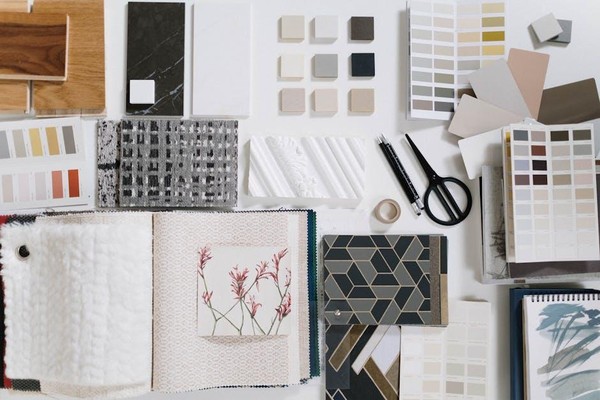
- Mood Boards and Digital Sketches: Designers create digital mood boards to convey aesthetic concepts, combining images of materials, furniture, and colors. Digital sketches and renderings provide detailed visual representations of proposed designs.
- 3D Scans: As mentioned, 3D scanning creates highly accurate digital models of existing spaces, forming the foundation for precise design and construction planning. Armitage Interiors, for example, uses 3D scanning as part of their design agreement process to ensure accurate layouts and pricing for kitchen and bathroom projects.
- Project Management Software: Many design-build firms utilize project management software (like JobTread, used by The Hamlin Group) to keep clients informed with real-time updates, schedules, and budget tracking. This transparency fosters trust and reduces anxiety throughout the renovation.
While popular home design apps like Houzz offer immense inspiration and resources (over 25 million photos, 5 million products, and 3 million professionals), users do encounter pain points. Reviews sometimes highlight issues with inability to edit posts, sign-in problems, or ideabook organization flaws. Professionals address these by providing a curated, guided experience. They leverage these tools for inspiration and product sourcing but offer personalized support, managing the complexities of project execution and ensuring a smooth, stress-free journey from concept to completion.
Navigating Trends and Professional Selection in 2026
As we look at interior design and home remodeling in April 2026, several key trends are shaping residential spaces, influenced by leading design authorities like HGTV, Studio McGee, and Emily Henderson. These trends reflect a desire for comfort, functionality, and personalized aesthetics.
From HGTV, we see a strong emphasis on resort-inspired retreats and smart home integration, exemplified by their Smart Home 2026 located in Orlando. This includes features that blend luxury with cutting-edge technology, creating spaces that feel both indulgent and highly functional. Charming Dutch doors are also highlighted as a trending design element, adding character and versatility to homes.
Studio McGee continues to champion its “New Heritage” aesthetic, which blends timeless elegance with modern sensibilities. For 2026, their spring collection emphasizes “heritage in bloom,” focusing on light layers, fresh textures, and a sense of renewal after winter. They highlight the importance of thoughtful details, from mixing and matching dining seating for an elevated look to styling rugs as statement pieces. Their projects often showcase a blend of rugged natural beauty with refined warmth, creating inviting and sophisticated environments.
Emily Henderson’s insights, while often tied to retail events like Way Day, point to practical and accessible design upgrades. Her discussions on color palettes for updating “honey oak kitchens” suggest a move towards refreshing existing elements with contemporary finishes and hues, rather than always opting for full replacement. This reflects a trend towards sustainable updates and maximizing the potential of current home features.
Overall, the trends for 2025-2026 lean towards:
- Biophilic Design: Integrating natural elements, light, and views to connect occupants with the natural world.
- Artisanal Textures: A preference for handcrafted elements, natural wood, woven materials, and tactile surfaces that add warmth and character.
- Mixed Metal Finishes: Combining different metal tones (e.g., brass, matte black, brushed nickel) to add depth and visual interest.
- Personalized Spaces: Moving away from generic designs towards homes that truly reflect the homeowner’s personality and lifestyle.
Selecting Professionals for Interior Design and Remodeling
Finding and selecting the best interior designers or remodeling professionals is a critical step in ensuring your project’s success. With many options available, homeowners need a systematic approach to identify top-rated companies that align with their vision and values.
Here’s how to navigate the selection process:
- Portfolio Review: Start by examining a professional’s portfolio. Look for projects that resonate with your aesthetic and demonstrate their range of capabilities. Firms like L. Evans Design Group, with over 50 years of combined experience, often showcase diverse projects.
- Verified Hires and Client Testimonials: Platforms like Houzz provide invaluable insights, listing “verified hires” and “1M+ total reviews” left by homeowners. These testimonials reveal the qualities of top-rated companies, often highlighting excellent communication, adherence to budget, quality craftsmanship, and a high client satisfaction rating (e.g., Jackson Design & Remodeling boasts a 98% satisfaction rate). Look for consistent praise regarding timeliness, cleanliness, and professionalism.
- Local Expertise: Opt for professionals with strong local knowledge. They will be familiar with regional building codes, preferred suppliers, and local design trends. For example, Chicago Countertop Co. positions itself as a local expert on countertop trends in the Chicago metro area.
- Awards and Certifications: Industry recognition, such as NARI COTY Awards (won multiple times by The Hamlin Group) or “Best of Houzz” badges, signify a commitment to excellence and professional standards.
- Communication Standards: Top-rated companies prioritize clear and consistent communication. They keep clients informed at every stage, from initial concept to final walkthrough. As one client of The Hamlin Group noted, their crew was praised for “timeliness, cleanliness, and communication.”
- Full-Service vs. Specialized: Consider if you need a full-service design-build firm that handles everything under one roof (like Che Bella Interiors or Armitage Interiors) or if you prefer to hire separate contractors and designers. A full-service firm can offer a single point of contact and streamlined project management, which can be particularly beneficial for complex projects.
By thoroughly vetting potential professionals against these criteria, homeowners can confidently select a team that will bring their vision to life with expertise and integrity.
Leveraging Design Apps and Addressing Pain Points
Home design apps, particularly Houzz, have revolutionized how homeowners approach remodeling, offering a vast repository of inspiration and resources. With over 10 million downloads and access to 25 million high-resolution photos, Houzz serves as a powerful tool for visualizing ideas, sourcing products, and connecting with professionals. Its “View in My Room 3D” feature allows users to preview products in their space, and “Visual Match” helps identify items from photos.
However, users also encounter common pain points with these apps, which professionals are well-equipped to address:
- User Interface Challenges: Some users report difficulties with editing posts or organizing ideabooks effectively. While apps provide tools, a professional designer offers the expertise to curate ideas into a cohesive, actionable plan.
- Information Overload: The sheer volume of photos and products can be overwhelming. Designers help homeowners navigate this vastness, filtering options to present only those that align with their specific style, budget, and functional needs.
- Professional Matching: While Houzz lists millions of professionals, finding the right one can still be a challenge. Professionals offer tailored consultations, understanding a client’s unique requirements and matching them with suitable design and construction teams.
- Privacy Concerns: Users may have concerns about data privacy. Reputable firms operate with strict confidentiality, ensuring client information and project details are protected.
- Lack of Personalization: Apps provide general advice, but a professional offers personalized solutions, adapting designs to individual preferences, architectural constraints, and lifestyle requirements.
- Quality Control: When shopping for products through apps, verifying quality can be difficult. Designers leverage their network of trusted suppliers and knowledge of materials to ensure high-quality selections.
By combining the inspirational power of design apps with the expertise and personalized service of professionals, homeowners can overcome these challenges, ensuring a smoother, more effective, and ultimately more satisfying remodeling experience.
Frequently Asked Questions about Interior Design and Remodeling
What is the primary difference between a general contractor and an interior designer?
A general contractor focuses on the structural integrity, building codes, and physical execution of a project, managing construction, permits, and tradespeople. An interior designer specializes in space planning, aesthetics, material selection, and furnishings, ensuring the space is functional and visually appealing. Their collaboration ensures the design is both beautiful and buildable, with the contractor handling the “how” and the designer focusing on the “what” and “why” of the space’s look and feel.
Why is a design-build firm often preferred over hiring separate entities?
A design-build firm offers a single point of contact and responsibility for both design and construction. This integrated approach reduces communication gaps, minimizes conflicts between design intent and construction reality, and often leads to more accurate budgeting and faster project completion. It streamlines the entire process, offering a cohesive team from concept to final walkthrough, and often includes comprehensive warranties on workmanship.
How do 3D scans and visual tools prevent costly remodeling mistakes?
3D scans create highly accurate digital models of your space, allowing designers to precisely plan furniture layouts and electrical placements. Visual tools like 3D room previews and mood boards enable homeowners to visualize the final outcome before any construction begins. This ensures that elements like outlets, light switches, and chandelier wiring align perfectly with the final room configuration and furniture placement, preventing expensive rework, electrical rerouting, or aesthetic compromises after construction is complete.
Conclusion
Embarking on an interior design and remodeling journey is a significant investment, not just of finances, but of time and dreams. As we’ve explored, a holistic approach, where design and construction are seamlessly integrated, is key to transforming a house into a personalized, functional, and aesthetically pleasing home. From understanding the distinct yet collaborative roles of contractors and designers to strategically budgeting and leveraging innovative materials like quartzite and quartz, every decision contributes to the final masterpiece.
The trends for April 2026 emphasize personalized spaces, smart integration, and a blend of timeless elegance with modern comfort. By carefully selecting professionals, utilizing cutting-edge visual tools, and making informed material choices, homeowners can navigate the complexities of remodeling with confidence. The result is a living space that not only meets current industry standards but also reflects individual style, offering functional elegance and enduring value for years to come.
