
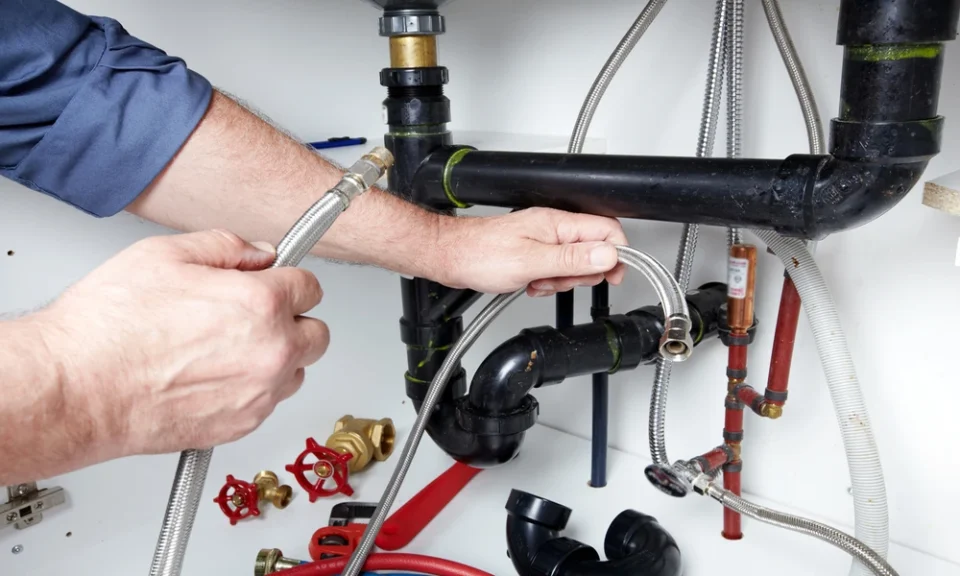
Is It Safe and Legal to Do Your Own Plumbing Work?
The desire to save money and gain a sense of accomplishment often leads homeowners to consider tackling plumbing projects themselves. In June 2026, the question “Is it safe to do your own plumbing work?” remains a common one, and the answer is nuanced. While some minor tasks are well within a homeowner’s capabilities, others carry significant risks and legal implications.
First, let’s address the legality: Is it legal for a homeowner to do their own plumbing work? In most jurisdictions across the United States, homeowners are legally permitted to perform plumbing work on their primary residence. This is often covered under what’s known as a “homeowner-builder exemption” or “owner-occupant exemption.” However, this exemption typically comes with important caveats. The homeowner must usually reside in the property, and in many cases, they must personally perform the work, not hire unlicensed individuals to do it for them. If the property is a rental, a commercial building, or a multi-unit dwelling, these exemptions rarely apply, and licensed professionals are almost always required.
Beyond the general legality, it’s crucial to understand what plumbing work can a homeowner do without a permit? This varies significantly by location, as plumbing regulations and permit requirements vary by location or state. Generally, minor repairs and like-for-like replacements that do not alter the existing plumbing system, its layout, or its capacity often do not require a permit. Examples typically include:
- Fixing a leaky faucet by replacing a washer or cartridge.
- Unclogging a drain with a plunger or a small hand snake.
- Replacing a showerhead or a faucet aerator.
- Swapping out a toilet flapper or a fill valve.
- Installing a new toilet if it’s a direct replacement and doesn’t involve altering the drain or water supply lines.
However, any work that involves constructing, extending, or altering the plumbing system, or replacing main water and sewer lines, almost universally requires a permit. This includes tasks like installing a new water heater, moving a sink, adding a new bathroom, or making significant changes to drain lines.
When considering what plumbing tasks are safe for DIY and which ones should always be left to professionals? assess both your skill level and the potential consequences of a mistake. Simple, visible tasks with clear access points are generally safer for DIY. For anything more complex, especially work involving gas lines, sewer systems, or major alterations to the water supply, professional expertise is non-negotiable.
Here’s a general guide to safe DIY tasks:
- Fixing Leaky Faucets: Replacing worn washers, O-rings, or cartridges in a dripping faucet can save thousands of gallons of water annually. A single dripping faucet can waste more than 3,000 gallons of water per year, so this is a highly impactful DIY fix.
- Clearing Minor Clogs: Using a plunger, a small drain snake, or a baking soda and vinegar solution can often resolve slow drains. Avoid harsh chemical drain cleaners, as they can damage pipes over time.
- Replacing Showerheads and Faucet Aerators: These are simple screw-on/off tasks that require minimal tools.
- Replacing Toilet Components: Flappers, fill valves, and even entire toilets (if it’s a direct replacement) can often be handled by a homeowner.
- Insulating Exposed Pipes: A simple way to prevent freezing in colder months.
However, the line between safe DIY and professional-only work is critical. What are the risks and potential costs of doing your own plumbing work? The risks are substantial and can quickly outweigh any perceived savings. Approximately 69% of homeowners reported being unsuccessful when attempting to fix a plumbing issue independently. A botched DIY job can lead to:
- Water Damage: Improperly sealed connections or overtightened fittings can lead to leaks, causing extensive water damage to walls, floors, and ceilings. A broken washer hose, for example, can spurt out 500 gallons of water per hour, highlighting the rapid destruction potential. This damage can also foster mold growth, leading to serious health hazards and expensive remediation.
- Code Violations: Work performed without a permit or not up to code can result in fines, forced remediation, and significant issues when trying to sell your home.
- Health Hazards: Improper sewer line work can expose your household to harmful bacteria like E. coli and dangerous gases.
- Safety Risks: Gas line work carries the extreme risks of fire, explosion, or carbon monoxide poisoning. Electrical components in water heaters also pose electrocution risks.
- Insurance Issues: As we will discuss further, unpermitted or improperly executed DIY work can lead to homeowners insurance claims being denied.
- Increased Costs: Often, a homeowner’s attempt to fix a problem results in a more complex and costly repair for a professional later, essentially paying twice for the same issue.
To ensure long-term functionality and peace of mind, it’s often wise to consult an expert for more involved projects. For a deeper dive into discerning when a plumbing task might be beyond your DIY capabilities, consider exploring resources like affordable plumbing DIY safety. This guide provides valuable insights into recognizing the complexity of various plumbing scenarios.
[LIST] of Safe DIY Plumbing Tasks
- Replacing faucet washers or cartridges
- Unclogging minor drains with a plunger or snake
- Replacing showerheads and faucet aerators
- Swapping out toilet flappers or fill valves
- Insulating exposed pipes to prevent freezing
- Tightening loose faucet handles or shower arms
When to Choose DIY vs. Professional Affordable HVAC Services
While our primary focus is on plumbing, the principles of DIY safety and professional expertise extend equally to your home’s heating, ventilation, and air conditioning (HVAC) systems. Just like plumbing, HVAC systems are complex, interconnected networks crucial for your home’s comfort and safety. Attempting complex repairs without the proper training, tools, and understanding can lead to inefficient operation, safety hazards, and costly damage.
The decision to tackle a home repair yourself versus calling a professional often boils down to assessing the system’s complexity, the diagnostic tools required, potential safety hazards, and the technical expertise needed. For both plumbing and HVAC, professionals bring specialized knowledge and equipment that homeowners typically lack, ensuring repairs are done correctly, efficiently, and safely.
Recognizing When You Need Affordable HVAC Services for Heating Systems
Your home’s heating system, whether it’s a furnace, boiler, or heat pump, is a finely tuned machine. While changing air filters is a simple and recommended DIY task, anything beyond that usually warrants professional attention.
Heating maintenance involves intricate components such as burners, heat exchangers, ignitors, and safety controls. A professional technician can perform thorough diagnostics, identify potential issues before they become major breakdowns, and ensure the system operates at peak efficiency. For example, a cracked heat exchanger can leak carbon monoxide, a silent and deadly gas. Diagnosing and repairing such a critical component requires specialized tools and training that only a certified HVAC professional possesses. Attempting to tamper with these systems without expertise can compromise your home’s safety and the system’s longevity.
Why Complex Cooling Repairs Require Professional Affordable HVAC Services
Similarly, air conditioning systems are complex, involving refrigerants, electrical components, and precise airflow optimization. Handling refrigerants, for instance, is not only dangerous but also illegal without proper certification due to environmental regulations. Incorrect refrigerant levels or improper handling can damage the compressor, the heart of your AC unit, leading to extremely expensive repairs or even complete system replacement.
Electrical components within cooling units also pose significant electrocution risks for untrained individuals. Furthermore, achieving optimal airflow and system longevity requires precise calibration and adjustments that only an experienced technician can provide. While you can certainly clean your outdoor condenser unit or replace your air filter, any issues involving refrigerant leaks, electrical malfunctions, or persistent cooling problems should always be entrusted to a licensed HVAC professional. They have the diagnostic tools to pinpoint the exact problem and the expertise to fix it safely and effectively.
The Risks and Consequences of Unpermitted Home Repairs
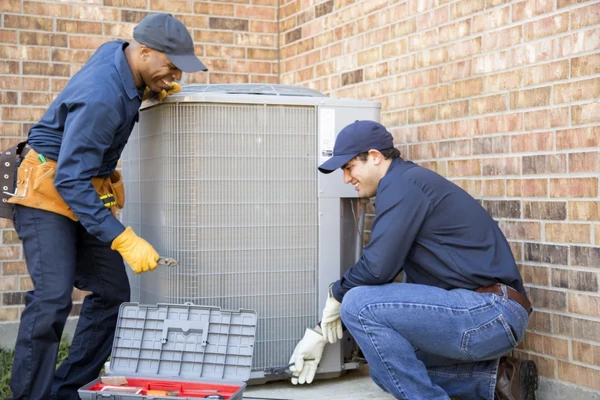
Engaging in significant plumbing or HVAC work without the necessary permits carries a cascade of potential negative consequences that can far outweigh any initial cost savings. Understanding these risks is crucial for any homeowner contemplating a DIY project.
One of the most significant implications is how unpermitted DIY work affects homeowners insurance coverage. Most homeowners insurance policies contain clauses that allow insurers to deny claims for damage caused by unpermitted or improperly performed work. If a DIY plumbing repair leads to a burst pipe and extensive water damage, or an unpermitted electrical modification to an HVAC unit causes a fire, your insurance company may have grounds to refuse coverage. This means you would be solely responsible for the entire cost of repairs, which could amount to tens of thousands of dollars, including mold remediation and structural damage. The permit and inspection record serves as a crucial paper trail, protecting you against future insurance claim denials by verifying that the work met established safety and building codes.
Beyond insurance, what happens if you do plumbing work without a permit or license? The consequences can be severe:
- Fines and Penalties: Local municipalities can impose substantial fines for unpermitted work, sometimes daily until the issue is resolved.
- Forced Remediation: You may be required to uncover and redo the work under the supervision of a licensed professional, incurring additional costs for demolition, repair, and inspection.
- Difficulty Selling Your Home: During a home inspection prior to sale, unpermitted work will often be discovered. This can lead to delays, negotiations for significant price reductions, or even the collapse of the sale if buyers are unwilling to take on the liability. Non-compliant work can negatively impact home resale value.
- Safety Hazards: As mentioned earlier, unpermitted work is often uninspected work, meaning potential safety hazards like gas leaks, electrical fires, or unsanitary conditions could go undetected, endangering your household.
- Mold Remediation and Structural Damage: Improper plumbing can lead to hidden leaks that cause mold growth and compromise the structural integrity of your home over time, requiring expensive and disruptive repairs.
It’s tempting to bypass the permit process to save time or money, but the long-term risks are simply too high. Permits exist to protect homeowners by ensuring that all work meets safety standards and building codes. While homeowners can sometimes pull their own permits, the responsibility for compliance still rests squarely on their shoulders.
DIY Risks Professional Benefits Risk of water damage, mold, structural issues Guaranteed quality and code compliance Potential for code violations and fines Work passes inspections, ensuring safety and legality Homeowners insurance claim denial Work is covered by professional liability insurance Safety hazards (gas leaks, electrocution) Licensed and insured technicians prioritize safety Decreased home value due to unpermitted work Enhances home value with documented, compliant improvements Costly re-work if initial DIY fails Efficient, correct first-time fixes with warranties Frequently Asked Questions About Home Maintenance Safety
Navigating the complexities of home maintenance, especially when it involves plumbing and HVAC, often leads to many questions for homeowners. We’ve compiled answers to some of the most common inquiries to help you make informed decisions.
Can a homeowner pull their own plumbing or HVAC permit?
Yes, in many areas, a homeowner can pull their own plumbing or HVAC permit, but with significant stipulations. This capability falls under the aforementioned “homeowner-builder” or “owner-occupant” exemptions. The primary requirement is almost always that the homeowner must own and reside in the property and personally perform the work. You typically cannot pull a permit for work on a rental property, a commercial building, or if you intend to hire an unlicensed individual to do the work.
Requirements vary widely by municipal guidelines and local codes. For example, some jurisdictions might allow homeowners to pull permits for water heater replacement or minor electrical panel upgrades, while others may require a licensed professional for any work touching these systems. It’s crucial to check with your local building department before starting any project to understand their specific permit requirements and the scope of work allowed under a homeowner permit. You cannot pull permits if your name is not on the title, you live in a shared building like a condo, you do not reside in the home, or the work involves gas lines. Gas line work, in particular, is almost universally restricted to licensed professionals due to the inherent safety risks.
How does unpermitted DIY work affect homeowners insurance?
Unpermitted DIY work can have a severe impact on your homeowners insurance coverage. While simply making a DIY repair doesn’t automatically void your entire policy, it can lead to a claim denial if that specific work causes damage. Insurers often look for compliance with building codes and the presence of necessary permits when assessing claims related to structural or system failures.
If, for instance, you install a new water heater without a permit and it subsequently leaks, causing significant water damage, your insurance company may deny the claim. They could argue that the damage resulted from uninspected, non-compliant work. The lack of a permit means there’s no official record that the work met safety standards. This can leave you fully responsible for the cost of repairs, mold remediation, and any associated structural damage. The permit and inspection record is what creates the paper trail that protects against future insurance denial, ensuring that a qualified third party (the inspector) verified the work’s safety and adherence to code.
What plumbing and HVAC tasks are entirely safe for DIY?
For both plumbing and HVAC, there are several tasks that are generally considered safe for DIY, assuming you have basic tools and follow instructions carefully. These are typically minor repairs or maintenance tasks that don’t involve altering the main systems, gas lines, or complex electrical components.
Safe DIY Plumbing Tasks:
- Replacing Faucet Aerators: These small screens at the end of faucets can get clogged with mineral deposits, reducing water flow. Replacing them is a simple screw-on task.
- Replacing Showerheads: Similar to aerators, new showerheads are easy to install.
- Clearing Minor Clogs: Using a plunger or a simple hand snake for a single, localized clog is usually safe.
- Fixing Running Toilets: Replacing a flapper or fill valve is a common and straightforward repair.
- Insulating Exposed Pipes: This prevents freezing and bursting in cold weather.
Safe DIY HVAC Tasks:
- Changing Air Filters: This is perhaps the most important and easiest DIY HVAC maintenance task, crucial for air quality and system efficiency.
- Cleaning Outdoor Condenser Coils: With the power off, gently hosing down the outdoor unit can improve efficiency.
- Clearing Drain Lines: For AC units, clearing a clogged condensate drain line can prevent water leaks.
- Programming Your Thermostat: Optimizing your thermostat settings can save energy and enhance comfort.
However, for anything beyond these basic maintenance and minor repairs, especially tasks involving gas lines, refrigerants, major electrical work, or significant alterations to either plumbing or HVAC systems, it is always best to call a licensed professional.
Conclusion
Maintaining a comfortable and safe home environment is an ongoing endeavor, and understanding when to embrace DIY projects versus when to call in a professional is a critical skill for every homeowner. As we’ve explored, while the allure of saving money on plumbing and HVAC repairs is strong, the potential risks and costs of tackling complex tasks without proper expertise can be substantial. From extensive water damage and safety hazards to denied insurance claims and diminished property value due to unpermitted work, the consequences of a botched DIY job often far outweigh the initial savings.
We encourage you to confidently handle minor tasks like replacing faucet aerators, clearing simple clogs, or changing HVAC air filters. These are excellent ways to maintain your home and save on service calls. However, for any work involving gas lines, main water or sewer lines, significant electrical components, or system alterations, the expertise of a licensed and insured professional is invaluable. They possess the specialized tools, training, and knowledge to ensure the work is done safely, efficiently, and in compliance with all local codes.
Investing in professional care for complex plumbing and HVAC needs is an investment in your home’s safety, longevity, and your family’s peace of mind. By making informed decisions about your home maintenance, you ensure long-term comfort and avoid costly mistakes, keeping your home a sanctuary for years to come.
