
The Critical Role of Indoor Air Quality in Modern Homes
We spend a lot of time inside our homes. So, the air we breathe indoors is very important. Good indoor air quality is vital for our health and comfort. This is especially true in places like Tacoma, WA, where changing weather impacts our homes. Poor air can cause allergies or breathing problems.
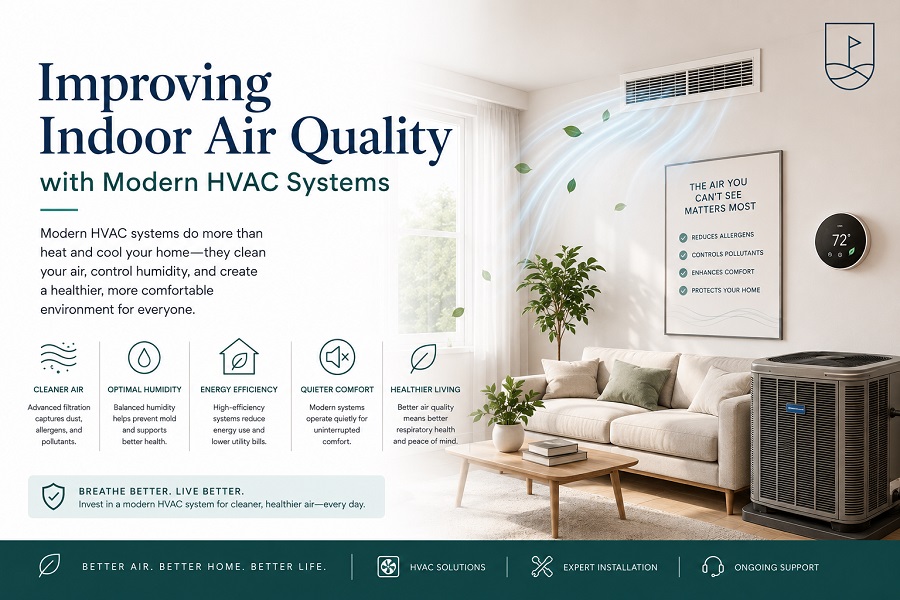
Modern heating, ventilation, and air conditioning (HVAC) systems do more than just warm or cool your space. They play a big role in making your home healthier. In this guide, we will look at how new HVAC technologies can greatly improve the air inside your house. We will also discuss when it’s smart to upgrade your system. This helps ensure the best indoor air for your family’s Tacoma heating and air quality needs.
The air inside our homes can often be more polluted than the air outside. This might seem surprising, but our sealed modern homes can trap a variety of contaminants. These include dust mites, pet dander, pollen, mold spores, volatile organic compounds (VOCs) from cleaning products and furniture, and even bacteria and viruses. For residents in Tacoma, WA, where damp winters can encourage mold growth and seasonal allergens are prevalent, managing indoor air quality (IAQ) is particularly important.
Poor IAQ can have significant health impacts. It can exacerbate allergies and asthma, lead to respiratory issues, cause headaches, fatigue, and even long-term health problems. Children and the elderly are often more susceptible to these effects. Beyond health, IAQ directly influences comfort. Imbalanced humidity levels, for instance, can make a home feel clammy or excessively dry, impacting skin, sinuses, and even the structural integrity of your home. A well-maintained HVAC system is a primary defense against these issues, actively working to filter and regulate the air we breathe every day.
How Modern HVAC Systems Filter and Purify Air
Modern HVAC systems are sophisticated machines designed to do much more than just temperature control. They are equipped with advanced components that actively work to clean and purify the air circulating through your home. This multi-layered approach helps to remove particles, neutralize pathogens, and reduce odors, contributing significantly to a healthier living environment.
At the core of air purification in an HVAC system are its filtration mechanisms. While basic fiberglass filters offer minimal protection, modern systems can integrate a range of advanced technologies:
- HEPA Filters: High-Efficiency Particulate Air (HEPA) filters are renowned for their ability to capture at least 99.97% of airborne particles 0.3 microns in size. This includes tiny particles like dust, pollen, mold spores, and even some bacteria and viruses, making them highly effective for severe allergy sufferers.
- Air Purifiers: These are often integrated units that can combine several technologies, such as advanced filtration, ionization, or photocatalytic oxidation (PCO), to actively neutralize airborne pollutants.
- UV Lamps (Ultraviolet Germicidal Irradiation): Installed within the HVAC system’s ductwork or near the evaporator coil, UV lamps emit ultraviolet light that kills or inactivates airborne bacteria, viruses, and mold spores as they pass through the system. This is particularly effective in preventing mold growth on the evaporator coil, a common source of musty odors.
- Media Filters: These are thicker, pleated filters that offer a much larger surface area than standard filters, allowing them to capture more particles without significantly impeding airflow. They are typically rated higher on the MERV scale.
To illustrate the difference in filtration capabilities, consider the following comparison:
Feature Standard Fiberglass Filters High-Efficiency Media Filters (e.g., MERV 8-13) Particle Capture Large dust, lint, pet hair Fine dust, pollen, pet dander, mold spores Efficiency Low (approx. 2-5% for fine particles) Medium to High (approx. 70-90% for fine particles) Lifespan 1 month 1-3 months Airflow Restriction Low Moderate Cost Low Moderate Impact on IAQ Minimal, primarily protects HVAC equipment Significant improvement in air quality
Advanced Filtration Technologies for Better Indoor Air Quality
Beyond the basic filter, several advanced technologies contribute to superior indoor air quality:
- MERV Ratings (Minimum Efficiency Reporting Value): This is a standardized rating system that indicates a filter’s ability to capture airborne particles. Filters with higher MERV ratings (typically 8-13 for residential use) are more effective at trapping smaller particles like pet dander, mold spores, and even some bacteria. However, it’s crucial to ensure your HVAC system is compatible with higher MERV filters, as some older systems may struggle with the increased airflow resistance.
- Electrostatic Filters: These filters use static electricity to attract and trap airborne particles. They can be washable and reusable, offering a cost-effective and environmentally friendly option for capturing fine dust and allergens.
- Carbon Activated Filters: Often combined with other filter types, activated carbon filters are highly effective at absorbing gaseous pollutants and odors. This includes smoke, cooking smells, pet odors, and VOCs, making them invaluable for maintaining a fresh-smelling home.
Ventilation Strategies to Enhance Indoor Air Quality
While filtration cleans the air, proper ventilation ensures a constant supply of fresh outdoor air while expelling stale, polluted indoor air. Modern HVAC systems incorporate sophisticated ventilation strategies:
- Energy Recovery Ventilators (ERVs) and Heat Recovery Ventilators (HRVs): These systems are designed to bring in fresh outdoor air without significant energy loss. ERVs transfer both heat and moisture between incoming and outgoing air, helping to balance indoor humidity. HRVs primarily transfer heat. Both are excellent for maintaining good IAQ in tightly sealed homes by providing controlled outdoor air intake and stale air exhaust, reducing the buildup of indoor pollutants.
- Controlled Outdoor Air Intake: Some advanced HVAC systems allow for precise control over the amount of fresh air brought into the home. This ensures adequate ventilation without over-ventilating and wasting energy, especially important in the varied climate of Tacoma, WA.
- Stale Air Exhaust Systems: Dedicated exhaust systems in kitchens and bathrooms help to remove moisture, odors, and cooking fumes directly to the outside, preventing them from circulating throughout the home.
Upgrading Your System: When to Consider Replacement
Even with diligent maintenance, heating systems eventually reach the end of their lifespan. In Tacoma, WA, where a reliable heating system is essential for comfort and safety during the cool, damp winters, knowing when to consider a 24-hour heating replacement can prevent significant discomfort and potential hazards. Modern heating systems offer vastly improved efficiency, reliability, and indoor air quality features compared to older models.
Here are key signs that indicate it might be time to consider an emergency or planned heating system replacement:
- System Age: Most furnaces and heat pumps have a lifespan of 10-15 years, though some can last longer with excellent maintenance. If your system is approaching or exceeding this age, it’s a good idea to start planning for replacement. Older systems become less efficient and more prone to breakdowns.
- Frequent Repairs: If you’re calling for repairs multiple times a year, the cost of these repairs can quickly add up, often equaling or exceeding the cost of a new, more reliable system. This is a clear indicator that your system is struggling.
- Skyrocketing Energy Bills: A sudden or gradual increase in your heating bills without a corresponding change in usage or energy prices often signals that your system is losing efficiency and working harder to maintain desired temperatures.
- Uneven Heating: Cold spots in certain rooms or inconsistent temperatures throughout your home can indicate that your heating system is no longer distributing heat effectively. This could be due to an aging unit, ductwork issues, or a system that is improperly sized for your home.
- Unusual Noises or Smells: Grinding, squealing, banging, or persistent rattling sounds from your furnace or heat pump are red flags. Similarly, a burning smell, a persistent dusty odor, or a metallic scent can indicate serious problems that warrant immediate professional attention. A smell of gas, even faint, requires immediate evacuation and a call to 911.
- Yellow Pilot Light (for gas furnaces): A healthy gas furnace pilot light should be blue. A yellow or flickering pilot light can indicate incomplete combustion, which can produce dangerous carbon monoxide. This is an emergency situation.
- Complete System Failure: The most obvious sign is when your heating system simply stops working, especially during cold weather. This often necessitates an emergency 24-hour heating replacement, as delaying can lead to frozen pipes, extreme discomfort, and health risks.
Risks of Delaying Heating System Replacement: Delaying a necessary heating system replacement, particularly in Tacoma’s cold climate, carries several risks:
- Safety Hazards: An old, malfunctioning furnace can pose risks of carbon monoxide leaks (which are odorless and deadly), gas leaks, or even fire.
- Extreme Discomfort and Health Risks: A sudden heating failure in freezing temperatures can lead to an uncomfortably cold home, increasing the risk of illness, especially for vulnerable populations.
- Secondary Damage: Without adequate heat, pipes can freeze and burst, leading to extensive water damage and costly repairs.
- Higher Costs: Old systems are energy inefficient, leading to higher monthly utility bills. Emergency repairs are often more expensive than planned maintenance or replacement.
The Emergency Replacement Process: When an emergency 24-hour heating replacement is needed, the process typically involves:
- Initial Contact: You’ll call a professional HVAC service provider. Many reputable companies in Tacoma offer 24/7 emergency services, ensuring someone is available to take your call day or night.
- Rapid Assessment: A certified technician will be dispatched to your home to quickly diagnose the issue. They will determine if a repair is feasible and cost-effective, or if replacement is the best option.
- System Selection and Installation: If replacement is necessary, the technician will help you choose a suitable new system based on your home’s size, your budget, and energy efficiency preferences. Many providers can offer same-day service for emergency installations, ensuring your home is warm again as quickly as possible. Financing options are often available to help manage the investment in a new system.
Preparing for a 24-Hour Heating Replacement Service Call: To help technicians respond efficiently during an emergency:
- Clear the Area: Ensure clear access to your existing furnace or heat pump and the surrounding workspace.
- Gather Information: Have your system’s model and serial numbers handy, along with any recent service records.
- Note Symptoms: Be prepared to describe the issues you’ve observed, such as strange noises, smells, or specific operational problems.
Common types of heating systems that may require emergency replacement in Tacoma include gas furnaces, electric furnaces, and heat pumps. Each has specific characteristics, and a professional can guide you on the best replacement for your home’s needs and the local climate.
Frequently Asked Questions about Home Air Systems
Homeowners often have questions about how to best maintain their heating systems and ensure optimal indoor air quality. Here, we address some of the most common inquiries.
How often should HVAC filters be replaced to maintain clean air?
The frequency of HVAC filter replacement is one of the most crucial factors in maintaining good indoor air quality and system efficiency. As a general rule, filters should be checked monthly and replaced every 1 to 3 months. However, this can vary significantly based on several factors:
- Occupancy: Homes with more residents tend to accumulate dust and dander faster.
- Pets: Homes with pets often require more frequent filter changes due to shedding and dander.
- Allergies/Asthma: If anyone in your household suffers from allergies or asthma, more frequent changes (e.g., monthly) can significantly improve their symptoms.
- Air Quality Concerns: If you live in an area with higher outdoor pollution or during seasons with high pollen counts, more frequent changes are beneficial.
- Filter Type: Higher MERV-rated filters, while more effective at trapping particles, can sometimes require more frequent changes if they become clogged quickly. Clogged filters restrict airflow, forcing your system to work harder, which can lead to higher energy bills and premature wear and tear.
Regular filter replacement ensures your system can efficiently clean the air and operate without undue strain.
Can a new heating system resolve persistent humidity issues?
Absolutely. Older heating systems often lack the advanced controls and design features found in modern units, making them less effective at managing indoor humidity. A new heating system, particularly a high-efficiency heat pump or a furnace paired with a modern air conditioning unit, can significantly improve persistent humidity issues.
Modern systems come with:
- Variable-Speed Blowers: These allow the system to run for longer periods at lower speeds, which is more effective at removing moisture from the air without overcooling your home.
- Advanced Dehumidification Modes: Many new heat pumps and air conditioners have dedicated settings or features designed specifically to reduce humidity, even when cooling isn’t the primary need.
- Proper Sizing: A new system, correctly sized for your home by a professional, will operate more efficiently and effectively. An oversized system can cycle on and off too frequently (short-cycling), which means it doesn’t run long enough to properly dehumidify the air.
By balancing indoor humidity, a new system can prevent condensation, inhibit mold and mildew growth, and make your home feel more comfortable at higher temperatures, potentially saving on energy costs.
What are the signs that an old furnace is degrading home air?
An aging or poorly maintained furnace can actively degrade your home’s air quality and pose serious safety risks. Here are key signs to watch for:
- Excessive Dust Accumulation: If you notice an unusual amount of dust accumulating quickly on surfaces, it could indicate that your furnace’s filter is clogged, improperly installed, or that the system itself is circulating dust and debris rather than filtering it effectively.
- Strange or Persistent Odors:Musty/Moldy Smell: This often points to mold or mildew growth within the ductwork or on the evaporator coil, which the furnace then circulates throughout your home.
- Burning Smell: A burning smell could be dust burning off the heat exchanger (common at the start of the heating season) or, more seriously, an electrical issue or a cracked heat exchanger.
- Metallic or Chemical Odors: These can indicate a variety of mechanical problems that release unpleasant substances into the air.
- Yellow or Flickering Pilot Light (Gas Furnaces): As mentioned earlier, a healthy pilot light is blue. A yellow or flickering flame is a critical warning sign of incomplete combustion, which produces carbon monoxide (CO). CO is an odorless, colorless, and deadly gas. If you see a yellow flame or suspect CO exposure (symptoms include headache, dizziness, nausea, shortness of breath), evacuate your home immediately and call 911.
- Increased Allergy or Respiratory Symptoms: If residents experience a noticeable increase in allergies, asthma attacks, or general respiratory irritation when the heating system is running, it’s a strong indicator that the furnace is circulating allergens and pollutants.
- Dry Air: While not directly a pollutant, a furnace that excessively dries out the air can lead to discomfort, dry skin, irritated sinuses, and static electricity, impacting overall indoor air quality and comfort.
Addressing these signs promptly with professional inspection and potential 24-hour heating replacement in Tacoma, WA, is crucial for both your family’s health and safety.
Conclusion
The importance of indoor air quality cannot be overstated, especially in our modern, often tightly sealed homes. From mitigating allergens and controlling humidity to preventing the circulation of harmful pollutants, a robust and efficient HVAC system is your primary tool for creating a healthy and comfortable living environment.
By understanding the advanced filtration technologies available, implementing smart ventilation strategies, and recognizing the signs that your current system may be degrading your home’s air, you empower yourself to make informed decisions. Proactive maintenance, including regular filter replacement, is key to extending the life of your system and ensuring its optimal performance. However, when an older system frequently breaks down, struggles with efficiency, or poses safety concerns, considering a system upgrade or a 24-hour heating replacement becomes a wise investment in your family’s long-term health and comfort.
Don’t wait for a complete system failure during the coldest months to address your heating needs. Regular professional assessments can help identify potential issues before they become emergencies. Investing in a modern, energy-efficient heating system not only improves your indoor air quality but also enhances your home’s overall comfort, reduces energy consumption, and provides peace of mind for years to come.
