
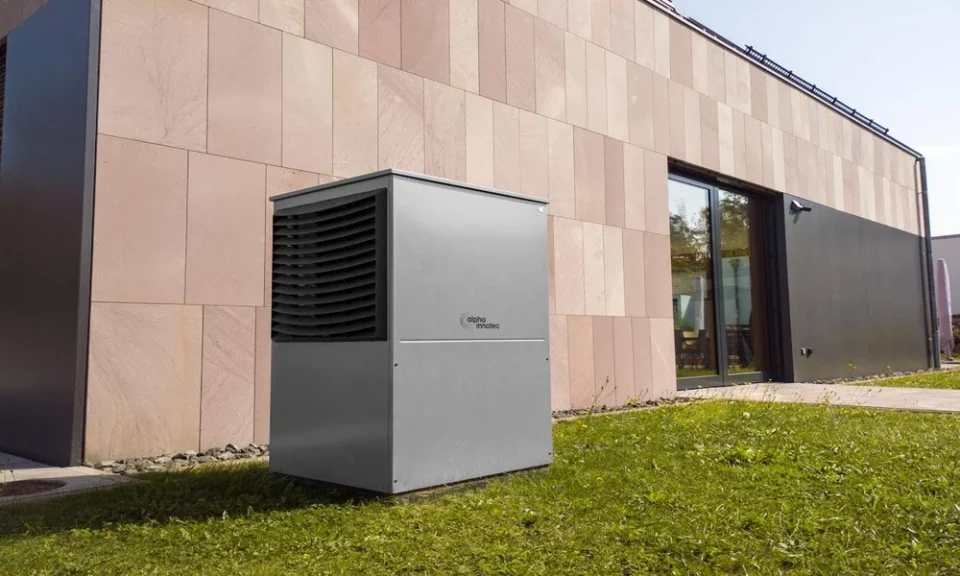
Introduction
In June 2026, many of us are more aware of our environmental footprint than ever before. A big part of this comes from our homes. Traditional heating and cooling systems are a major energy user, often accounting for about 40% of a home’s total energy consumption. This not only impacts our utility bills but also contributes significantly to carbon emissions.
The good news is that advancements in technology offer a clear path forward. We can create comfortable indoor spaces while also protecting our planet. This guide will explore eco-friendly HVAC, showing how sustainable heating and cooling solutions are changing the way we live.
We will dive into the main types of eco-friendly systems available today. We’ll look at their efficiency, costs, and environmental benefits. We’ll also cover essential energy efficiency ratings, government incentives, and key considerations for homeowners. Our goal is to help you understand how adopting Eco-friendly HVAC operations can reduce your carbon footprint and energy bills.
The Rise of Eco-Friendly HVAC Systems
The HVAC industry is currently undergoing a significant transformation, driven by a global imperative for sustainability. As of June 2026, there’s a clear shift towards developing and implementing technologies that minimize environmental impact while maximizing energy efficiency. This movement is not just about reducing operational costs; it’s about addressing climate change, improving indoor air quality, and creating healthier living and working environments. The market is seeing an influx of innovative products and services designed to meet these evolving demands, making sustainable HVAC solutions more accessible than ever before.
A notable development in this landscape, particularly for communities like Bloomington, Indiana, is the acquisition of Ecofriendly Mechanical by Harrell-Fish. This strategic move, announced recently, is poised to significantly impact the availability and adoption of sustainable HVAC solutions in the region. Ecofriendly Mechanical, with its four decades of service to the Bloomington community, has built a reputation for its focus on energy-efficient and environmentally conscious practices. Harrell-Fish, established in 1985, brings a broader operational scale and experience in HVAC and plumbing services. The combination of these entities means that residents and businesses in Bloomington can expect enhanced access to cutting-edge, sustainable mechanical solutions. This acquisition exemplifies a growing trend where larger firms integrate specialized eco-focused companies to expand their green service offerings, combining operational prowess with a deep commitment to energy efficiency. For a broader view of how technology is reshaping the sector, exploring 6 Eco-Friendly Technologies that are Changing HVAC offers valuable insights into current innovations. Similarly, understanding various Green HVAC Solutions | Eco-Friendly HVAC Systems can further illuminate the diverse options available for a more sustainable future.
Core Technologies in Sustainable Climate Control
When we talk about sustainable climate control, we’re referring to a suite of advanced systems designed to heat and cool our spaces with significantly less energy and a reduced environmental footprint. These technologies move beyond traditional combustion-based heating and refrigerant-heavy cooling, embracing renewable energy sources and highly efficient operational principles. The goal is a comfortable indoor environment that also contributes to carbon reduction and a healthier planet.
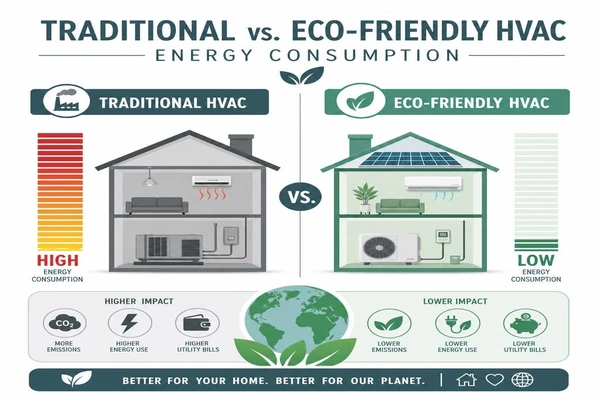
High-Efficiency Heat Pumps as an Eco-Friendly HVAC Option
Heat pumps stand out as a cornerstone of eco-friendly HVAC, offering an incredibly efficient way to heat and cool homes and businesses. Unlike conventional furnaces that generate heat by burning fuel or traditional air conditioners that only cool, heat pumps transfer heat. In winter, they extract heat from the outside air (even cold air contains heat) and move it indoors. In summer, they reverse the process, moving heat from inside your home to the outside. This heat transfer mechanism is what makes them so efficient.
Modern heat pumps can achieve efficiencies of 300% to 400%, meaning they produce three to four times more energy than they consume. This remarkable efficiency translates directly into significant energy cost reductions, with homeowners potentially saving up to 50% on their energy bills. For many families, this could mean annual savings of as much as $1000 on heating and cooling costs. Advancements in technology, particularly “hyper heat” models, have also dramatically improved their performance in colder climates, making them a viable and efficient option even in regions with harsh winters. For example, systems like the MRCOOL Hyper Heat 2nd Gen 4 Ton 16.5 SEER2 Central Ducted Heat Pump Split System are designed to maintain high efficiency even when outdoor temperatures drop significantly, some boasting nearly 93% efficiency at 0°F. To ensure your heat pump continues to perform at its peak efficiency, regular maintenance is key; learn more about essential care with a Heat Pump Tune Up guide.
Geothermal and Solar-Powered Systems
Beyond air-source heat pumps, geothermal and solar-powered HVAC systems represent even deeper dives into renewable energy for climate control.
Geothermal systems tap into the stable temperatures of the earth beneath our feet. Below the frost line, the ground maintains a relatively constant temperature year-round, typically between 45°F and 75°F, depending on the region. Geothermal heat pumps circulate a fluid through a loop of underground pipes, exchanging heat with the earth. In winter, the fluid absorbs heat from the ground and transfers it into your home. In summer, it extracts heat from your home and disperses it into the cooler earth. This constant, moderate temperature source allows geothermal systems to achieve extraordinary efficiency rates, often ranging from 300% to 500%. This translates into substantial utility bill savings, with homeowners typically seeing reductions of 30% to 60% on their energy costs. While the upfront installation cost can be higher, the long-term savings and minimal environmental impact make it a compelling choice.
Solar-powered HVAC systems harness the sun’s energy, either directly or indirectly, to power heating and cooling. This can involve solar thermal collectors for water heating, which can then be used in radiant heating systems, or photovoltaic (PV) panels that generate electricity to run conventional or heat pump HVAC units. For homeowners who invest in solar panels to offset their electricity consumption, incorporating HVAC into this renewable energy source can lead to dramatic reductions in electric bills-by as much as 80% in some cases. While a fully solar-powered HVAC system might require a significant array of panels, even partially offsetting energy use with solar can make a substantial difference in both environmental impact and operating costs.
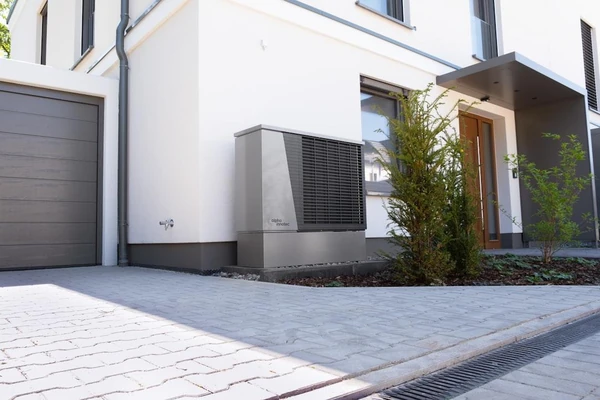
Ductless Mini-Splits and Zoned Comfort
Ductless mini-split systems offer a flexible and highly efficient alternative to traditional ducted HVAC, particularly for homes without existing ductwork, additions, or for creating zoned comfort. These systems consist of an outdoor compressor/condenser unit and one or more indoor air-handling units, connected by a small conduit that houses the power cable, refrigerant tubing, and condensate drain.
A key feature of many mini-split systems is their use of inverter technology. This allows the compressor to vary its speed and output, rather than simply cycling on and off like traditional systems. By continuously adjusting to the exact heating or cooling demand, inverter-driven mini-splits operate more efficiently, maintain more consistent temperatures, and reduce energy waste. This continuous operation also minimizes the strain on the electrical grid, as there are fewer high-power startup surges. The result is significantly lower energy consumption and quieter operation.
The “ductless” nature means they avoid the energy losses associated with ductwork (which can account for 20-30% of energy consumption in central forced-air systems). Furthermore, mini-splits excel at zoned comfort. Each indoor unit can be controlled independently, allowing different rooms or areas of a home to be set to different temperatures. This means you only heat or cool the spaces you’re using, further optimizing energy use and reducing utility bills. For those considering adding this versatile technology to their home, a detailed guide on Mini Split for Home can provide valuable insights. To understand how mini-splits contribute to a broader strategy of customized climate control, exploring the benefits of Zoned HVAC Systems is also highly recommended.
Hybrid Systems and Advanced Ventilation Solutions
The pursuit of eco-friendly HVAC often leads to innovative combinations that leverage the strengths of different technologies. Hybrid systems and advanced ventilation solutions are prime examples, offering enhanced energy efficiency, improved reliability, and superior indoor air quality. These integrated approaches are becoming increasingly popular as homeowners seek comprehensive climate control that is both sustainable and effective.
Dual-Fuel and Heat Pump Boiler Combinations
Hybrid systems, particularly dual-fuel setups or heat pump + boiler combinations, are designed to maximize energy efficiency and reliability by intelligently switching between different heating sources. A dual-fuel system typically pairs an electric air-source heat pump with a high-efficiency gas furnace. The heat pump handles most of the heating and all of the cooling, operating very efficiently in moderate temperatures. When outdoor temperatures drop below a certain threshold (e.g., 35-40°F), where the heat pump’s efficiency might decrease, the system automatically switches to the gas furnace, which is more cost-effective for heating in extreme cold. This optimizes energy use by always utilizing the most efficient fuel source for the prevailing conditions.
Similarly, heat pump boiler combinations, often seen in hydronic heating systems, integrate an air-to-water heat pump with a high-efficiency boiler. These hybrid dual-fuel hydronic systems can provide both space heating (e.g., for radiant floors or radiators) and domestic hot water. Advanced models, such as the ECO Hybrid system, use refrigerants like R32, which has a lower global warming potential than older refrigerants, aligning with environmental goals. These systems can achieve impressive Coefficients of Performance (COP), sometimes exceeding 5.37, indicating exceptional energy efficiency. The automatic switching mechanism ensures optimal performance and significant energy savings, offering a robust solution for diverse heating needs. Considering a comprehensive upgrade for your home’s warmth? Exploring options for a New Heating System can help you decide if a hybrid approach is right for you.
Energy Recovery Ventilation and Indoor Air Quality
While efficient heating and cooling are crucial, maintaining healthy indoor air quality (IAQ) is equally important for a truly eco-friendly home. Modern, tightly sealed homes, while energy-efficient, can trap indoor pollutants and excess moisture. This is where Energy Recovery Ventilation (ERV) and Heat Recovery Ventilation (HRV) systems play a vital role.
HRV units work by continuously exchanging stale indoor air with fresh outdoor air. Before expelling the indoor air, a heat exchanger captures its thermal energy and transfers it to the incoming fresh air. In winter, this pre-heats the fresh air, reducing the load on your heating system. In summer, it pre-cools the incoming air, easing the burden on your air conditioner. ERV systems go a step further by also transferring moisture, which can be particularly beneficial in humid climates to reduce indoor humidity or in dry climates to retain some moisture.
Innovations in this area include single-room HRV units that are easy to install without extensive ductwork. For instance, the Breezy Eco | Vents Global system features a ceramic heat exchanger that can achieve up to 92% heat recovery efficiency and recover up to 50% of moisture. These units are designed for ultra-low power consumption and can significantly improve indoor air quality by supplying filtered fresh air, removing stale air, and maintaining healthy CO2 and humidity levels. They are a stark contrast to air conditioners, which only recirculate air and do not introduce fresh air. By integrating such systems, we not only enhance comfort and health but also contribute to the overall energy efficiency of the home by reducing the energy needed to condition incoming air. Understanding the importance of indoor air quality is paramount for a healthy home, and further insights can be found in our discussion on IAQ You.
Key Considerations for Upgrading to Sustainable Systems
Transitioning to an eco-friendly HVAC system is a significant investment that requires careful planning and consideration. It’s not just about choosing a new piece of equipment; it’s about optimizing your home’s entire climate control strategy for efficiency, comfort, and environmental responsibility. From initial assessment to long-term financial planning, several factors will influence your decision and the ultimate success of your sustainable upgrade.
Selecting the Right Eco-Friendly HVAC System for Your Home
The journey to an eco-friendly HVAC system begins with a thorough understanding of your home’s unique needs.
- Home Energy Audit: Before selecting any system, a professional energy audit is crucial. This assessment identifies areas of energy loss in your home, such as inadequate insulation, leaky windows, or inefficient ductwork. Addressing these issues first can significantly reduce your heating and cooling load, allowing for a smaller, more efficient HVAC system.
- System Sizing (Load Calculation): Correct sizing is paramount. An HVAC system that is too small won’t adequately heat or cool your home, leading to discomfort and overworking the unit. Conversely, an oversized system will cycle on and off too frequently (short-cycling), which wastes energy, causes temperature fluctuations, and reduces the system’s lifespan. A precise load calculation considers factors like your home’s square footage, insulation levels, window types, local climate, and even the number of occupants and heat-generating appliances. For guidance on appropriate sizing, reviewing resources like Choosing the Right AC Size can be very helpful.
- Climate Considerations: Your local climate plays a significant role in determining the most suitable eco-friendly HVAC system. For instance, air-source heat pumps perform exceptionally well in moderate climates, while “hyper heat” models are designed for colder regions. Geothermal systems offer consistent performance regardless of outdoor air temperature variations.
- Understanding System Benefits: Familiarize yourself with the various eco-friendly options-heat pumps (air-source or geothermal), ductless mini-splits, and hybrid systems-and their specific advantages. Consider factors like upfront cost, operational efficiency, maintenance requirements, and how each system aligns with your lifestyle and environmental goals.
- Long-Term Planning: An eco-friendly HVAC system is a long-term investment. Consider the system’s lifespan, warranty, and the availability of parts and service. For a comprehensive overview of what to consider before making such a significant home improvement, consulting a Buying a Home HVAC Checklist can provide invaluable guidance.
Understanding Energy Efficiency Ratings and Certifications
When evaluating eco-friendly HVAC systems, specific ratings and certifications serve as crucial benchmarks for efficiency and performance. Understanding these metrics empowers consumers to make informed decisions that benefit both their wallets and the environment.
- SEER2 (Seasonal Energy Efficiency Ratio 2): This rating measures the cooling efficiency of air conditioners and heat pumps. It’s a revised standard introduced in 2023, providing a more accurate representation of seasonal energy consumption compared to the older SEER rating. A higher SEER2 number indicates greater efficiency. For example, a system with a 16.5 SEER2 rating is significantly more efficient than one with a lower rating, meaning it uses less electricity to produce the same amount of cooling.
- ENERGY STAR: This is a government-backed symbol for energy efficiency, providing simple, credible, and unbiased information. Products earning the ENERGY STAR label meet strict energy efficiency guidelines set by the U.S. Environmental Protection Agency. Choosing ENERGY STAR certified HVAC equipment ensures you’re selecting a product that will save energy and reduce greenhouse gas emissions.
- AFUE (Annual Fuel Utilization Efficiency): This rating applies to furnaces and boilers, measuring how efficiently they convert fuel (like natural gas or oil) into usable heat over a typical heating season. An AFUE of 90% means that 90% of the fuel’s energy is used to warm your home, while the remaining 10% is lost through the flue. Higher AFUE ratings signify greater efficiency and less wasted fuel.
- HSPF2 (Heating Seasonal Performance Factor 2): Similar to SEER2, HSPF2 is the updated standard for measuring the heating efficiency of heat pumps. It calculates the total heating output in BTUs divided by the electricity consumed in watt-hours over a typical heating season. A higher HSPF2 rating indicates a more efficient heat pump for heating purposes.
Here’s a comparison of these key HVAC efficiency ratings:
| Rating | System Type | What It Measures | Higher Rating Means | Environmental Benefit |
|---|---|---|---|---|
| SEER2 | Air Conditioners, Heat Pumps | Cooling efficiency | More efficient cooling | Reduced electricity use and lower carbon emissions |
| ENERGY STAR | Various HVAC equipment | Overall efficiency | Meets high-efficiency standards | Significant energy savings and reduced greenhouse gases |
| AFUE | Furnaces, Boilers | Heating efficiency | More efficient fuel combustion | Less fuel consumption and lower fossil-fuel emissions |
| HSPF2 | Heat Pumps | Heating efficiency | More efficient heating | Reduced electricity use for heating and lower carbon emissions |
The initial investment in an eco-friendly HVAC system can be substantial, often ranging from $13,000 to $30,000 depending on the system type and installation complexity. However, numerous financial incentives are available to help offset these upfront costs, making sustainable solutions more accessible and affordable. As of June 2026, governments at federal, state, and local levels, along with many utility companies, offer a variety of programs designed to encourage the adoption of energy-efficient technologies.
These incentives can include:
- Federal Tax Credits: The U.S. federal government often provides tax credits for qualifying energy-efficient home improvements, including certain heat pumps, geothermal systems, and other high-efficiency HVAC equipment. These credits can reduce the amount of tax you owe, directly lowering your overall cost.
- State and Local Rebates: Many states and municipalities offer their own rebate programs. These might be direct cash rebates for installing specific high-efficiency units or grants for energy-saving home upgrades.
- Utility Company Programs: Energy providers frequently offer rebates or low-interest financing options for customers who upgrade to more efficient heating and cooling systems. These programs are often designed to reduce peak energy demand and overall grid strain.
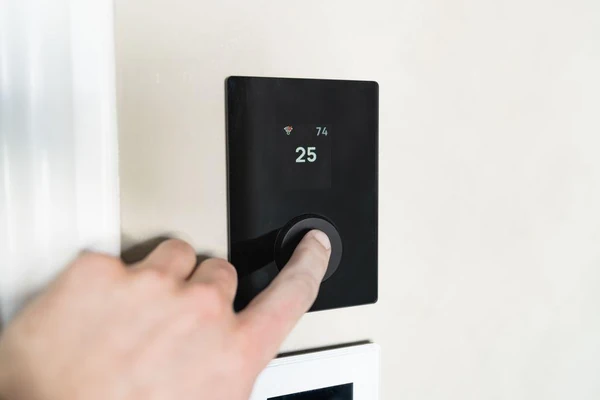
These incentives play a critical role in improving the long-term return on investment (ROI) for eco-friendly HVAC systems. While the upfront cost might be higher, the combination of substantial utility bill savings (which can be 20-40% lower monthly) and available financial aid significantly shortens the payback period. Furthermore, smart thermostat interfaces, which often qualify for their own rebates, can further enhance savings by optimizing system operation based on occupancy, weather, and your preferences, leading to energy savings of around 10% to 30%. By actively researching and leveraging these programs, homeowners can make the transition to sustainable HVAC a financially sound decision.
Frequently Asked Questions
As we consider the shift towards more sustainable home comfort, many questions naturally arise. Here, we address some of the most common inquiries about evaluating, transitioning to, and maintaining eco-friendly HVAC systems.
How do I evaluate the eco-friendliness of my current HVAC system?
Evaluating the eco-friendliness of your existing HVAC system involves looking at several key indicators:
- System Age: Older systems (typically 10-15+ years for ACs/heat pumps, 15-20+ years for furnaces) are generally much less efficient than modern units. They lack the advanced technologies like variable-speed compressors or inverter drives that contribute to significant energy savings.
- Energy Bills: Consistently high heating and cooling bills, especially compared to similar-sized homes in your area, can indicate an inefficient system. Traditional HVAC systems account for about 40% of a home’s energy use, so if your bills are disproportionately high, your system might be a major contributor.
- Refrigerant Type: If your air conditioner or heat pump uses R-22 refrigerant (often called Freon), it’s not eco-friendly. R-22 is an ozone-depleting substance that has been phased out due to environmental concerns. While servicing is still possible with reclaimed R-22, new systems use more environmentally benign refrigerants like R-410A (though R-454B and R32 are newer, even lower GWP alternatives).
- Performance Issues: Frequent breakdowns, inconsistent temperatures, or excessive noise can all be signs of an aging or struggling system that is likely operating inefficiently.
- Professional Inspection: The most reliable way to assess your system’s eco-friendliness and overall condition is to schedule a professional inspection and energy audit. HVAC technicians can measure efficiency, check for leaks, assess ductwork integrity, and provide a clear picture of your system’s current environmental impact and potential for improvement. For comprehensive assessments and service, consider engaging local experts in HVAC Services Catonsville or similar service areas.
What are the long-term benefits and challenges of transitioning to green HVAC?
Transitioning to eco-friendly HVAC technologies offers a wealth of long-term benefits, alongside some initial challenges to consider.
Long-Term Benefits:
- Reduced Carbon Footprint: This is perhaps the most significant environmental benefit. By using less energy, especially from fossil fuels, and utilizing cleaner refrigerants, green HVAC systems dramatically lower your home’s contribution to greenhouse gas emissions and climate change.
- Significant Energy Savings: As highlighted, modern eco-friendly systems can reduce energy consumption by up to 30%, leading to monthly utility bill reductions of 20-40%. Heat pumps alone can save families up to $1000 annually.
- Increased Home Value: Homes equipped with green certifications or energy-efficient systems often command a higher market value, selling for 5% to 15% more than comparable properties without these features. This makes the investment a valuable asset.
- Enhanced Comfort and Indoor Air Quality: Many green systems offer more consistent temperatures, quieter operation, and improved filtration, contributing to a more comfortable and healthier indoor environment.
- Energy Independence: Integrating renewable sources like solar or geothermal can reduce reliance on fluctuating energy grids and fossil fuels.
Potential Challenges:
- High Upfront Costs: The initial investment for energy-efficient HVAC systems can be higher than traditional units, ranging from $13,000 to $30,000. However, incentives and long-term savings often mitigate this.
- Installation Complexity: Some advanced systems, like geothermal, require more complex installation processes, which can affect timelines and costs.
- Maintenance Requirements: While many green systems are durable, they still require regular, professional maintenance to ensure optimal efficiency and longevity. Neglecting maintenance can negate efficiency gains.
- System Compatibility: Older homes may require additional upgrades (e.g., insulation, ductwork modifications) to fully benefit from new eco-friendly systems.
- Awareness and Education: Understanding the various technologies, ratings, and incentives can initially feel overwhelming for homeowners.
Despite the challenges, the long-term financial and environmental rewards of green HVAC typically far outweigh the initial hurdles. For those committed to maintaining their systems for peak performance and longevity, joining a program like the Green Guardian Club can provide peace of mind and ensure continued efficiency.
How does professional installation impact eco-friendly HVAC performance?
The performance and longevity of an eco-friendly HVAC system are profoundly influenced by the quality of its installation. Even the most advanced, high-efficiency equipment will underperform if not installed correctly.
- Proper Sizing: As discussed, accurate load calculation and system sizing by a certified professional are critical. An incorrectly sized system will either struggle to maintain comfort or cycle inefficiently, wasting energy and shortening its lifespan. Professionals ensure the system perfectly matches your home’s unique heating and cooling demands.
- Duct Sealing and Design: For ducted systems, airtight and properly designed ductwork is essential. Leaky ducts can lose 20-30% of conditioned air before it reaches your living spaces, negating the efficiency of your new unit. Professional installers ensure ducts are sealed, insulated, and correctly sized for optimal airflow.
- Refrigerant Charge Accuracy: The amount of refrigerant in an AC or heat pump system is precise. An incorrect charge (too much or too little) can significantly reduce efficiency, increase energy consumption, and cause premature component failure. Certified technicians use specialized tools to ensure the charge is exactly right.
- System Integration and Calibration: Modern eco-friendly systems, especially hybrid or smart systems, often involve complex controls and integration with other home components. Professional installers ensure all parts work harmoniously, calibrating thermostats, zoning controls, and other features for peak performance.
- Safety and Compliance: HVAC installations involve electrical, refrigerant, and sometimes gas connections. Professionals adhere to local building codes, safety regulations, and manufacturer specifications, ensuring a safe and compliant installation.
- Warranty Protection: Most manufacturers require professional installation by certified technicians to validate their product warranties. DIY or uncertified installations can void these crucial protections.
Professional installation is not just about connecting pipes and wires; it’s about optimizing the entire system for maximum efficiency, comfort, and durability. For a clear understanding of what to expect, reviewing resources like Key Steps AC Installation Process and What to Expect During AC Installation can help homeowners prepare for a smooth and successful upgrade.
Conclusion
As we look ahead from June 2026, the trajectory of home comfort is clearly aligned with sustainability. Eco-friendly HVAC systems are no longer niche products but essential components of modern, responsible living. From the remarkable efficiency of heat pumps and the earth-powered reliability of geothermal systems to the flexible comfort of mini-splits and the health benefits of advanced ventilation, the options for sustainable heating and cooling are diverse and highly effective.
The long-term benefits-reduced carbon footprints, significant energy savings, increased home value, and enhanced indoor comfort-make the transition to green HVAC an investment that pays dividends for years to come. While initial costs and the complexity of choice can be considerations, government incentives, rebates, and the guidance of certified professionals are making these solutions more accessible than ever.
Embracing eco-friendly HVAC is a powerful step towards environmental responsibility, allowing us to enjoy comfortable homes while actively contributing to a healthier planet. It’s about making choices today that will positively impact our future and the world around us. For those inspired to make a tangible difference, consider supporting initiatives that further environmental restoration, such as partnering with organizations like One Tree Planted to help reforest our planet. The future of heating and cooling is green, and it’s within our reach.
