
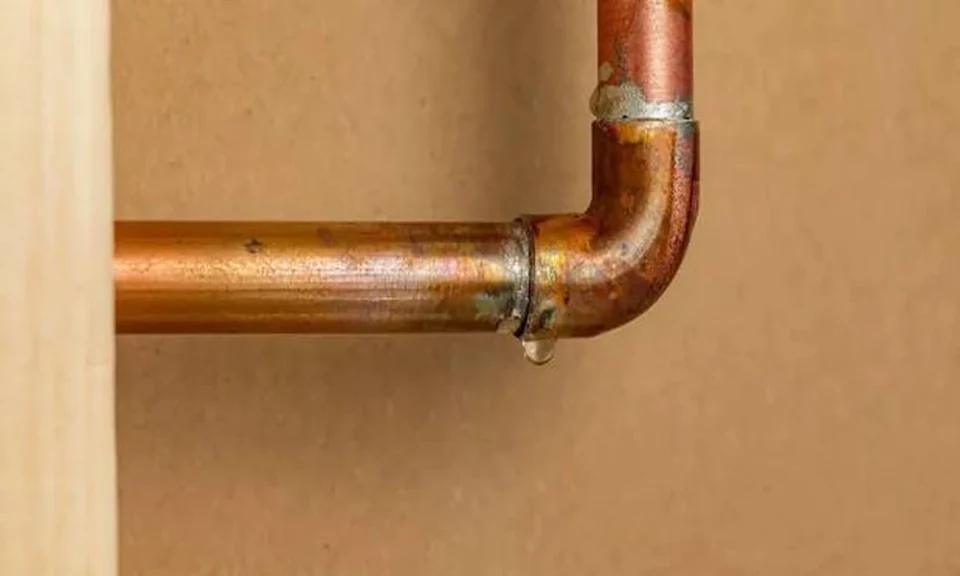
A hidden leak rarely announces itself with a dramatic burst pipe. More often, it shows up as small, easy-to-dismiss changes around the home, a musty smell, a slightly higher water bill, a patch of skirting board that never quite dries out. 0800 Homefix regularly diagnoses leaks that have been quietly running for weeks or months before a homeowner noticed anything obviously wrong, which is exactly why knowing the early signs matters.
This guide runs through the ten warning signs worth watching for, what each one usually means, and when it’s time to bring in a professional for leak detection.
Early signs of a hidden water leak include unexplained water bills, damp patches, musty smells, peeling paint, warped flooring, reduced water pressure, mould growth, sounds of running water, warm spots on floors, and a moving water meter dial when no taps are running. Any combination of these signs points toward a leak that’s likely been developing for some time.
1. Unexplained Water Bills
A steadily climbing water bill, with no obvious change in household usage, is one of the clearest signals something’s wrong behind the scenes.
Unexplained water bills often mean water is escaping somewhere in the system, whether that’s an underground supply pipe, a fitting inside a wall, or a fixture that’s been quietly dripping longer than anyone realised. Comparing bills over several months, rather than just one unusual reading, helps confirm whether it’s a genuine trend.
2. Damp Patches on Walls or Ceilings
Damp patches that appear without an obvious external cause, such as recent heavy rain, are a strong indicator of an internal leak rather than penetrating damp from outside.
Patches that darken, spread, or return after redecorating point toward moisture intrusion prevention being ignored rather than resolved, since painting over a damp patch never addresses the source underneath.
3. Musty or Damp Smells
A persistent musty smell, particularly in rooms without an obvious source of moisture, often means water is sitting somewhere it shouldn’t, encouraging mould and mildew to develop out of sight.
This smell can appear well before any visible staining, making it one of the earliest and most reliable warning signs of hidden pipe damage.
4. Peeling Paint or Bubbling Wallpaper
Paint that bubbles, cracks, or peels away from a wall, especially in a pattern that doesn’t match sunlight exposure or general wear, usually means moisture is building up beneath the surface.
This is a slower-developing sign, often taking weeks to become obvious, which makes it easy to miss during the early stages of a leak.
5. Warped or Lifting Flooring
Wooden or laminate flooring that starts to warp, buckle, or lift at the edges, particularly near a bathroom or kitchen, often points to water seeping in from below rather than surface spills.
Tiled floors can show a similar pattern through cracked grout lines or tiles that shift slightly underfoot, both signs worth investigating before the damage spreads further.
6. Reduced Water Pressure
A noticeable drop in water pressure, especially if it’s happened gradually rather than suddenly, can mean water is escaping somewhere between the mains supply and your taps.
This is a symptom that’s easy to attribute to the water company or an old system, when in fact it often points directly to hidden pipe damage somewhere within the property’s own plumbing.
7. Mould Growth in Unusual Places
Mould appearing in areas without an obvious moisture source, such as the corner of a bedroom or inside a cupboard against an external wall, is a strong sign of a leak rather than simple condensation.
Bathroom and kitchen mould is often expected, but mould turning up elsewhere in the home deserves a closer look rather than just being cleaned away repeatedly.
8. Sounds of Running Water
Hearing water running or dripping when every tap in the house is off is one of the more direct signs something’s wrong, even if the source isn’t immediately obvious.
This sound can travel through walls and floors, meaning the actual leak might be further from the noise than expected, which is exactly the kind of detective work professional detection equipment handles far more accurately than guesswork.
9. Warm Patches on Flooring
If a section of flooring feels noticeably warmer than the rest of the room, particularly with underfloor heating or a hot water pipe running beneath it, this often signals a leak from the heating or hot water system rather than the cold mains supply.
This sign is easy to miss underfoot but can usually be confirmed with a simple hand check across different areas of the floor.
10. A Moving Water Meter With Everything Turned Off
This is one of the most reliable DIY checks available to homeowners, and it takes only a few minutes.
Turn off every tap and appliance using water, then check the water meter. If the dial continues moving or the reading changes after 15 to 20 minutes, water is escaping somewhere in the system, confirming a leak even before any visible symptoms appear.
Comparing the Warning Signs
| Sign | What It Usually Means | Urgency |
|---|---|---|
| Unexplained water bills | Ongoing leak somewhere in the system | Investigate promptly |
| Damp patches or peeling paint | Internal leak affecting walls | Investigate promptly |
| Musty smells | Hidden moisture and early mould | Investigate soon |
| Moving water meter | Confirmed active leak | Act immediately |
| Warm flooring patches | Heating or hot water pipe leak | Act immediately |
Why Domestic Plumbing Inspections Matter
Routine domestic plumbing inspections catch developing issues long before they become visible, which is exactly why they’re worth considering even without an obvious symptom present.
A professional inspection uses specialist equipment such as thermal imaging and acoustic detection to locate leaks hidden behind walls, under floors, or underground, without the guesswork or unnecessary disruption that comes with blindly opening up pipework to search for a source.
Protecting Your Property Long Term
Property water protection isn’t just about fixing a leak once it’s found. It also means addressing ageing pipework, checking accessible joints periodically, and acting quickly on any of the early signs covered above rather than waiting for a small issue to become a significant repair.
Frequently Asked Questions
How do I know if I have a hidden water leak?
Watch for unexplained water bills, damp patches, musty smells, or a moving water meter when all taps are off, since these are the most reliable early indicators.
Can a hidden leak cause structural damage?
Yes. Prolonged, undetected leaks can weaken timber, damage plasterboard, and encourage mould growth that affects both the structure and air quality of a home.
How is a hidden leak actually found?
Professionals use thermal imaging, acoustic listening equipment, and moisture meters to pinpoint the source without unnecessary demolition.
Is it worth checking the water meter myself?
Yes. It’s one of the simplest and most reliable DIY checks, taking just 15 to 20 minutes with all water usage turned off.
How much does leak detection cost in the UK?
Costs vary depending on the property and how accessible the suspected area is, though early detection is almost always cheaper than repairing extensive water damage later.
Should I worry about a small, occasional damp patch?
Yes, even small or intermittent patches deserve investigation, since leaks often start subtly before becoming more consistent and obvious.
Staying Ahead of Hidden Leaks
Catching a leak early protects your home, your bills, and your peace of mind, and most of the warning signs above are things any homeowner can notice with a little attention. Acting quickly once you spot one makes all the difference to the scale of repair needed.
0800 Homefix provides professional water leak detection and repair across London and the South East, using specialist equipment to locate hidden leaks accurately, backed by a 24/7 emergency response and no call-out fee.
