
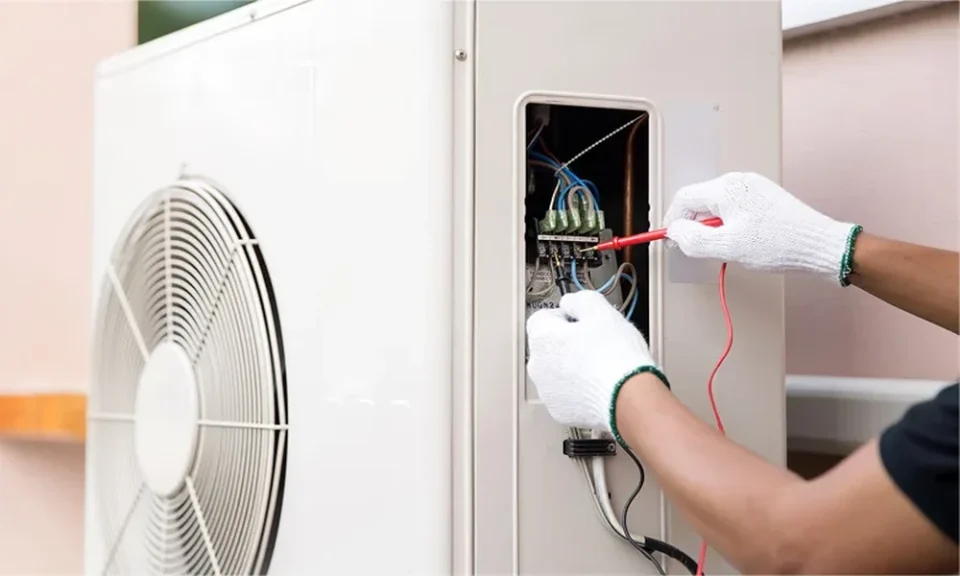
When the temperature drops, a malfunctioning heater will make your cozy home very uncomfortable. Knowing the most common furnace problems can help you recognize issues early and know when to call a qualified HVAC technician from Furnace Repair West Jordan. When you spot warning signs early, you avoid bigger and more expensive repairs.
Frequent furnace issues.
- Strange noises.
A furnace that works properly is relatively quiet. A broken part or mechanical issue might be the reason for strange noises such as banging, rattling, or squealing sounds. To prevent any further damage, have a professional HVAC technician fix it.
- Clogged air filters.
As a homeowner, remember to change your system’s air filter regularly. When contaminants clog the air filters, it significantly reduces airflow into the system, leading to wear and tear, high energy bills, and complete shutdown to prevent overheating. Check the filters’ condition monthly and change them when they look dirty.
- Thermostat issues.
A thermostat can malfunction due to loose wires, dirty sensors, or dead batteries. When this happens, a furnace may work intermittently or not at all. Ensure the thermostat is set to heat and increase the temperature to see if it works. Check the batteries if the screen is black. Contact a professional to repair or replace the thermostat.
- Ignition problems or pilot lights.
Older furnaces have pilot lights, while newer models have an electrical ignition. These components are important before the furnace starts the heating cycle. If one of these parts is not working properly, the furnace will fail to heat efficiently. The reason for this could be a clogged gas line, wear and tear over time, dirt buildup, a dirty air filter, or a malfunctioning sensor. If the furnace is old, you might need to replace the entire system if it is an outdated or inefficient model. The HVAC technician can get your furnace working by replacing the ignition system in newer models.
- Short cycling.
Does your furnace turn on and off too frequently without fully heating your home? This is called short cycling and is caused by malfunctioning thermostats, clogged air filters, and oversized furnaces that heat the place too quickly. It can lead to issues such as reduced system efficiency, increased energy bills, and potential damage to components over time.
- Cracked heat exchanger.
A cracked heat exchanger causes inefficiency and can also leak carbon monoxide, which is fatal in high concentrations. If the heat exchanger of the furnace is cracked, look out for signs like unusual smell, flickering or yellow pilot light, and soot around the furnace burners. If you see the following signs, switch off the furnace and contact a qualified HVAC technician.
- Broken or dirty flame sensor.
If the flame sensor is dirty or broken, your furnace can shut down too soon or fail to start completely. The purpose of the flame sensor is to detect the presence of a flame. To avoid safety risks, the furnace will shut down.
- Gas valve issues.
If the gas valve is malfunctioning, the furnace will not receive the necessary fuel needed to produce heat. Because of this, the furnace may shut down unexpectedly or fail to start.
Do not ignore the warning signs that your furnace might have issues. Common furnace issues include strange noises, clogged air filters, thermostat issues, ignition problems, short cycling, cracked heat exchanger, broken flame sensor, and gas valve issues. Contact a qualified HVAC technician to inspect and repair a furnace with persistent problems.
