
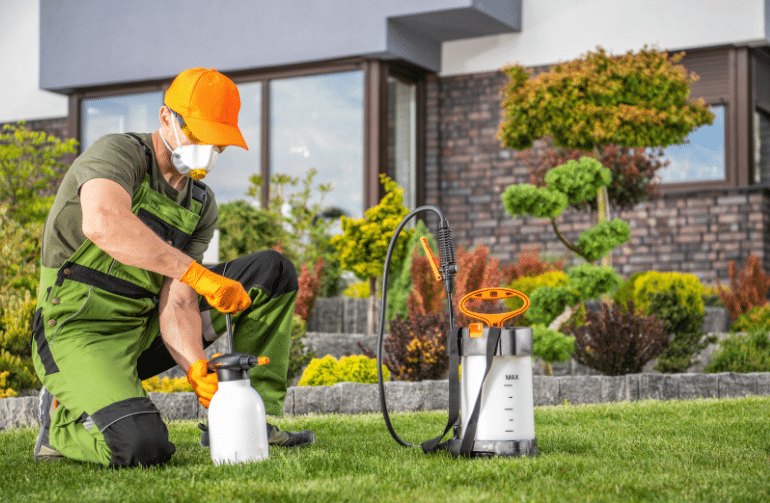
Traditional pest control methods often rely on chemical treatments that, while effective, can pose risks to your family, pets, and the environment. Eco-friendly pest control offers an alternative that balances effective pest management with environmental responsibility. By adopting sustainable strategies, homeowners can maintain a pest-free home while minimizing harmful impacts.
This blog explores eco-friendly pest control methods, their benefits, and why professional services are essential for safe and effective results.
1. Understanding Eco-Friendly Pest Control
Eco-friendly pest control, sometimes called green pest management, focuses on reducing chemical use and prioritizing safe, sustainable solutions. It emphasizes prevention, monitoring, and targeted treatments tailored to each pest problem.
Key principles include:
- Minimized chemical exposure: Using low-toxicity or natural alternatives when possible
- Integrated Pest Management (IPM): Combining preventive, mechanical, and targeted chemical strategies
- Environmental responsibility: Protecting beneficial insects, wildlife, and ecosystems
- Health-focused approach: Safeguarding family members and pets from harmful chemicals
This approach addresses infestations while promoting long-term safety and sustainability.
2. Benefits of Eco-Friendly Pest Control
Eco-friendly pest control offers numerous advantages for homeowners and the environment.
Benefits include:
- Safety for family and pets: Reduced exposure to toxic chemicals
- Environmental protection: Prevents contamination of soil, water, and beneficial wildlife
- Effective prevention and control: Targets pests without unnecessary chemical use
- Long-term results: Emphasizes prevention and monitoring to reduce recurring infestations
- Peace of mind: Provides a healthy, safe home environment
By focusing on eco-friendly strategies, homeowners can balance pest management with responsible environmental stewardship.
3. Common Eco-Friendly Pest Control Methods
Eco-friendly pest control utilizes a combination of strategies to effectively manage infestations.
Methods include:
- Physical barriers and traps: Using door sweeps, screens, and traps to prevent or capture pests
- Biological controls: Introducing natural predators like ladybugs to manage insect populations
- Natural repellents: Essential oils, plant-based solutions, and other non-toxic deterrents
- Habitat modification: Eliminating standing water, sealing cracks, and reducing clutter to remove pest attractants
- Targeted, low-toxicity treatments: Applying chemicals only when necessary and in controlled, safe ways
These methods ensure pests are managed while minimizing risk to people and the environment.
4. Integrated Pest Management (IPM) Approach
Integrated Pest Management (IPM) is a cornerstone of eco-friendly pest control. It combines monitoring, prevention, and targeted treatments for a holistic solution.
IPM components include:
- Regular inspections: Identify early signs of infestations
- Monitoring pest activity: Track pest behavior and population trends
- Preventive measures: Seal entry points, remove food sources, and maintain sanitation
- Targeted treatments: Apply safe and effective solutions only where necessary
- Evaluation and follow-up: Adjust strategies based on results and seasonal changes
IPM ensures that eco-friendly pest control is both effective and sustainable.
5. Eco-Friendly Solutions for Common Household Pests
Many common household pests can be managed with green pest control strategies.
Examples include:
- Ants: Use natural repellents, seal entry points, and eliminate food sources
- Rodents: Install traps, seal gaps, and remove nesting areas
- Cockroaches: Apply baits, improve sanitation, and use physical barriers
- Mosquitoes: Eliminate standing water and use natural repellents or biological controls
- Spiders: Remove clutter, seal cracks, and employ sticky traps
Targeted strategies minimize chemical exposure while effectively addressing infestations.
6. Seasonal Considerations for Eco-Friendly Pest Control
Pest activity varies with the seasons, and eco-friendly strategies should adapt accordingly.
Seasonal tips:
- Spring: Inspect for ants, termites, and other emerging pests
- Summer: Manage mosquitoes, flies, and outdoor pests
- Fall: Seal entry points and check for rodents seeking warmth
- Winter: Monitor for hidden infestations and maintain home hygiene
Adjusting strategies seasonally ensures continuous protection while staying environmentally responsible.
7. Benefits of Professional Eco-Friendly Pest Management
While DIY eco-friendly methods are helpful, professional services provide comprehensive and safe solutions.
Advantages include:
- Expert assessment: Accurate identification of pests and their behavior
- Tailored solutions: Customized treatment plans based on the specific home and pest type
- Safe application: Proper use of eco-friendly chemicals and non-toxic alternatives
- Ongoing monitoring: Prevents recurring infestations and provides long-term results
- Peace of mind: Protects both your family and the environment
Professional intervention ensures that eco-friendly pest control is effective, safe, and sustainable.
8. Where to Access Expert Eco-Friendly Pest Control
Eco-friendly pest control requires expertise and knowledge to implement effectively. Professional providers offer inspections, customized treatments, and monitoring programs that prioritize safety and environmental responsibility.
For homeowners seeking safe, effective, and environmentally responsible pest solutions, Positive Pest Management provides comprehensive services. Their team combines preventive strategies, eco-friendly treatments, and ongoing monitoring to protect your home and the environment.
Conclusion
Eco-friendly pest control offers a sustainable, safe, and effective approach to maintaining a pest-free home. By combining preventive measures, targeted treatments, and Integrated Pest Management, homeowners can manage pests without compromising family health or the environment.
Partnering with professional eco-friendly pest control services ensures thorough inspections, safe applications, and long-term results. A proactive and environmentally responsible approach keeps your home protected while contributing to the health of the planet.
