
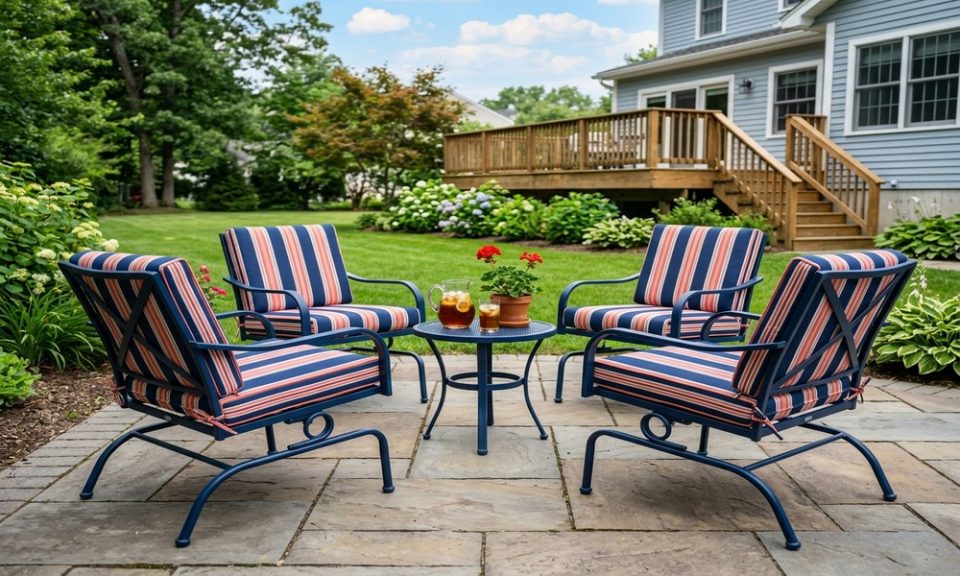
Essential Strategies for Comprehensive Outdoor Restoration
To effectively revitalize your outdoor living spaces, a strategic approach to material assessment, cleaning, and protection is paramount. Understanding the unique characteristics of different outdoor furniture materials is the first step towards implementing appropriate care protocols. We’ve found that focusing on these elements not only preserves the aesthetic appeal of your furniture but also significantly extends its lifespan.
Our comprehensive strategy involves:
- Material Assessment: Identifying the specific type of wood, metal, or synthetic material your furniture is made from, as each requires tailored care.
- Cleaning Protocols: Employing the correct cleaning solutions and techniques to remove dirt, grime, and environmental contaminants without causing damage.
- Protection: Applying suitable sealants, covers, or treatments to shield furniture from UV radiation, moisture, and extreme temperatures.
- Quality Standards: Adhering to high standards for Outdoor restoration and chair care, ensuring that your outdoor furniture receives expert attention and maintains its integrity for years to come. Reputable services, like those offered by Teak & Deck, can provide specialized care that goes beyond typical DIY efforts.
Restoring Premium Hardwoods: Ipe, Mangaris, and Cedar
Premium hardwoods like Ipe, Mangaris, and Cedar are highly sought after for their natural beauty and durability in outdoor settings. However, even these resilient materials require specific care to maintain their grandeur. Over time, exposure to the elements can lead to a silver-gray patina, a natural process that many find appealing but others prefer to prevent. This change is often accompanied by UV damage, which can dry out the wood, and the depletion of natural oils, which are crucial for the wood’s structural integrity and resistance to decay.
Proper care for these hardwoods involves regular cleaning and the application of a wood-specific sealer. This not only helps restore their original luster but also creates a protective barrier against moisture and sun damage. For instance, Ipe, known for its exceptional density and resistance to rot, benefits from sealants that penetrate deep into its fibers. Mangaris, with its rich reddish-brown hues, thrives with treatments that enhance its natural color while offering UV protection. Cedar, prized for its aromatic qualities and natural insect resistance, requires gentle cleaning and a sealer to prevent excessive graying and splintering.
Here’s a comparative look at these premium hardwoods and their general care considerations:
Hardwood Type Key Characteristics Typical Maintenance Needs Protection Strategy Ipe Extremely dense, naturally resistant to rot, insects, and decay; rich dark brown color. Regular cleaning to remove surface dirt; occasional reapplication of specialized sealer to maintain original color. Deep-penetrating oil-based sealers for UV and moisture protection. Mangaris Durable, stable, and naturally resistant to rot and insects; reddish-brown tones. Routine cleaning; reapplication of a UV-protective oil or sealer to prevent fading and cracking. UV-resistant sealers to preserve color and prevent drying out. Cedar Lightweight, aromatic, naturally resistant to insects and moisture; light brown color that grays with age. Gentle cleaning to prevent surface mold; periodic application of a wood preservative or sealer. Water-repellent sealers and UV inhibitors to slow graying and prevent splintering. Metal and Synthetic Material Maintenance
Beyond hardwoods, metal and synthetic materials form the backbone of many outdoor furniture collections. These materials, while often touted for their low maintenance, still require attention to ensure their longevity and appearance.
Metal Furniture (Aluminum, Wrought Iron, Steel): Metal frames, particularly those made from aluminum, are popular for their durability and resistance to rust. However, even the most robust metals can suffer from oxidation, leading to dullness or corrosion over time. Powder coating offers a resilient finish that protects metal furniture from the elements, but it can chip or scratch, exposing the underlying material. Regular cleaning with mild soap and water helps remove grime and prevents buildup that can trap moisture and accelerate oxidation. For wrought iron, which is prone to rust if its protective coating is compromised, prompt attention to chips and scratches with touch-up paint is essential. Stainless steel hardware, while highly resistant to corrosion, can still develop surface rust or water spots, especially in coastal environments. A quick wipe-down with a specialized stainless steel cleaner or a solution of white vinegar and water can restore its shine.
Synthetic Materials (Resin Wicker, Plastic): Resin wicker, a synthetic alternative to natural wicker, is celebrated for its weather resistance and aesthetic versatility. Made from high-density polyethylene (HDPE), it resists moisture, UV rays, and temperature fluctuations. However, it can accumulate dirt and debris within its weave. Regular vacuuming or hosing down, followed by a gentle scrub with mild soap and water, is usually sufficient to keep it clean. For stubborn grime, a soft-bristled brush can reach into intricate areas. Plastic furniture, known for its affordability and ease of care, primarily requires cleaning with mild soap and water. For sticky residues like tree sap, commercial products or rubbing alcohol, followed by a thorough rinse, can be effective.
Protecting Upholstery and Fabric Elements
Outdoor cushions, pillows, and umbrella canopies are crucial for comfort and aesthetics, but they are also highly susceptible to environmental damage. Mold prevention is a key concern, especially in humid climates, as mold and mildew can quickly take hold, causing unsightly stains and unpleasant odors. UV resistance is equally vital, as prolonged sun exposure can lead to significant fading and degradation of fabric fibers.
Fortunately, advancements in fabric technology have led to the development of solution-dyed acrylics and other high-performance materials specifically designed for outdoor use. These fabrics are engineered to resist fading, repel water, and inhibit mold and mildew growth. Even with these durable materials, regular care is essential. We’ve observed that regular cleaning and maintenance can reduce the risk of mold and mildew on patio furniture by 70%.
For routine cleaning, we recommend following the manufacturer’s instructions, as care requirements can vary. Generally, this involves brushing off loose dirt, spot-cleaning with a mild soap and water solution, and rinsing thoroughly. For more persistent issues, a solution of one cup of bleach, a quarter cup of mild detergent, and a gallon of water can be effective on bleach-safe fabrics. Always test any cleaning solution on an inconspicuous area first and allow fabrics to air dry completely to prevent moisture retention, which can lead to mold.
Long-Term Maintenance and Seasonal Care
Maintaining the beauty and functionality of your outdoor living spaces is an ongoing commitment. Just as we care for the interior of our homes, our patios and decks require seasonal attention to withstand the rigors of changing weather and ensure their longevity. Implementing a structured long-term maintenance plan, including proper storage and preventative treatments, is crucial for protecting your investment and preserving the allure of your outdoor furniture.
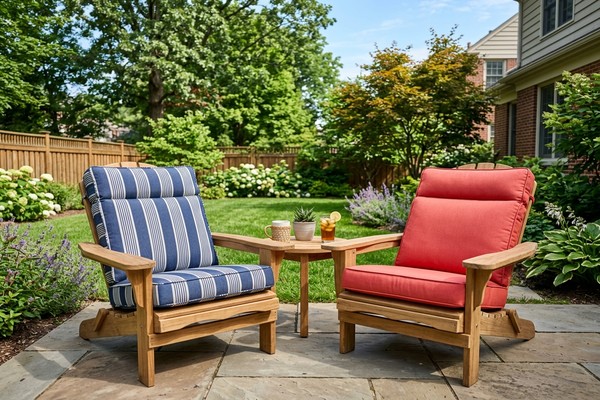
Seasonal Protocols for Outdoor Restoration Longevity
The climate in Southern California, with its intense sun, occasional coastal fog, and seasonal rains, presents unique challenges for outdoor furniture. To combat these elements, we advocate for a proactive, seasonal approach to patio chair care and overall outdoor furniture maintenance.
- Winterization: As temperatures drop and inclement weather becomes more frequent, preparing your outdoor furniture for the off-season is vital. This involves a thorough cleaning of all surfaces, making any necessary repairs (such as tightening loose screws or addressing minor rust spots), and applying protective treatments. For items that cannot be stored indoors, investing in high-quality, waterproof covers is essential. Cushions and other fabric elements should always be stored in a cool, dry indoor space to prevent moisture damage and mildew. Stacking furniture smartly can also maximize storage space and prevent damage.
- Spring Refresh: With the arrival of warmer weather, a spring refresh is in order. This is the time to remove covers, dust off accumulated debris, and give all furniture a good hose-down. A detailed cleaning, focusing on hard-to-reach areas, and the reapplication of sun and rain treatments will prepare your furniture for the busy outdoor season ahead.
- Ongoing Debris Removal: Throughout the year, especially in fall, regularly brushing off leaves and other organic debris is crucial. This simple step prevents the accumulation of moisture and organic matter that can lead to mold growth and pest infestations.
- 9-12 Month Maintenance Cycle: For most homeowners, particularly those with premium hardwoods like teak in Southern California, a maintenance cycle every 9-12 months is recommended. This regular schedule helps to keep furniture protected against the elements, preventing significant wear and tear that could otherwise necessitate more extensive and costly restoration.
Identifying When Your Space Needs Professional Outdoor Restoration
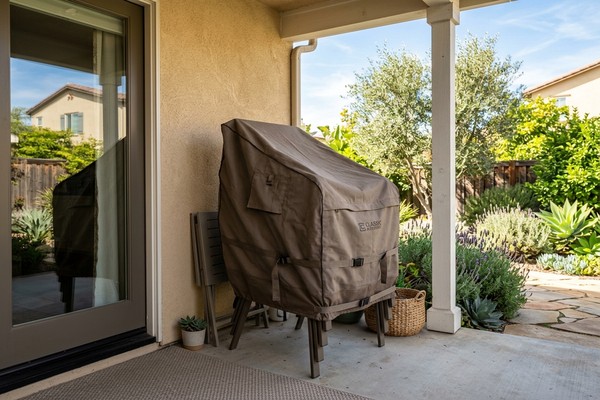
While regular DIY maintenance can go a long way, there comes a point when professional outdoor restoration becomes a wise investment. Recognizing the signs that your patio chairs, tables, or decking require expert intervention can save you time, effort, and potentially greater expense down the line.
- Oxidation Signs: For wooden furniture, particularly teak, a clear indicator is when the wood begins to lose its sealed color and turns a silvery-gray. While some appreciate this patina, if it’s accompanied by a rough texture or signs of drying, it suggests that the wood’s protective oils are depleted, and it’s on the verge of significant oxidation.
- Mold Growth: The appearance of tiny black specks, or larger gray, black, or green patches, is undeniable evidence of surface mold or mildew. While minor cases can sometimes be addressed with household solutions, widespread or deeply embedded mold often requires professional cleaning and treatment to ensure complete eradication and prevent recurrence.
- Structural Integrity Concerns: Any signs of cracking, warping, or loosening joints in wooden or metal furniture warrant attention. These issues can compromise the safety and stability of your furniture and are best addressed by professionals who can assess the damage and perform durable repairs.
- Surface Contaminants: Stubborn stains from tree sap, bird droppings, rust, or environmental pollution that resist regular cleaning efforts are a signal for professional intervention. Experts have access to specialized cleaners and techniques that can safely remove these contaminants without damaging the material.
- Loss of Sealed Color: If your furniture, whether wood or metal, has significantly faded or lost its original sealed color despite your best efforts, it indicates that the protective finish has worn away. Professional refinishing or re-sealing can restore the vibrant appearance and provide renewed protection against UV rays and moisture.
When these signs become apparent, especially if it has been more than a year since the last comprehensive maintenance, seeking professional outdoor restoration can significantly extend the life and beauty of your outdoor living spaces. This proactive approach ensures your furniture remains an inviting and valuable asset to your property.
[INFOGRAPHIC] explaining the benefits of regular patio furniture maintenance
Benefits of Professional Patio Furniture Restoration and Repair Services
While diligent DIY efforts are commendable, there are distinct advantages to entrusting your valuable outdoor furniture to professional restoration and repair services. These specialists possess the expertise, equipment, and materials necessary to tackle issues beyond the scope of typical home maintenance, ensuring a superior and longer-lasting outcome.
Expertise and Specialized Techniques
Professional restoration companies bring years of experience and specialized knowledge to the table. They understand the nuances of different materials, from exotic hardwoods like Ipe and Mangaris to various metals and synthetics. This expertise allows them to:
- Diagnose Issues Accurately: Professionals can identify the root cause of damage, whether it’s UV degradation, moisture infiltration, or material fatigue, and recommend the most effective treatment plan.
- Employ Advanced Techniques: They utilize industrial-grade cleaning agents, specialized sanding equipment, and precise application methods for sealants and finishes that are not readily available to the average homeowner. This ensures thorough cleaning, effective protection, and a flawless finish.
- Address Complex Repairs: From intricate welding for metal frames to reweaving synthetic wicker or replacing specific wood components, professionals can handle complex repairs that restore structural integrity and aesthetic appeal.
Enhanced Durability and Longevity
The ultimate goal of restoration is to extend the life of your furniture. Professional services achieve this through:
- High-Quality Materials: They use premium-grade sealants, paints, and replacement parts that are specifically designed for outdoor exposure, offering superior resistance to UV rays, moisture, and temperature fluctuations.
- Durable Finishes: Powder coating, a common professional refinishing technique for metal furniture, provides an exceptionally tough and chip-resistant finish that significantly outlasts spray paint.
- Preventative Treatments: Beyond repair, professionals apply protective treatments that actively guard against future damage, such as advanced UV inhibitors for wood and fabric, and rust-preventative coatings for metal.
Cost-Effectiveness and Value Preservation
While professional services involve an upfront cost, they often prove to be a cost-effective solution in the long run:
- Avoid Replacement Costs: Restoring high-quality, often expensive, outdoor furniture is almost always more economical than purchasing new pieces, especially for premium brands.
- Maintain Property Value: Well-maintained outdoor living spaces contribute significantly to your property’s curb appeal and overall market value. Restored furniture enhances this appeal, making your home more attractive.
- Time and Effort Savings: Delegating restoration tasks frees up your valuable time and eliminates the need to purchase specialized tools or learn complex techniques.
Environmental Benefits
Choosing to restore rather than replace also has a positive environmental impact:
- Reduced Waste: By extending the life of your furniture, you contribute to reducing landfill waste associated with discarded items.
- Sustainable Practices: Many professional restorers prioritize eco-friendly cleaning agents and sustainable practices, further minimizing environmental impact.
Professional patio furniture restoration and repair services offer a comprehensive solution for maintaining the beauty, functionality, and value of your outdoor living spaces. They provide peace of mind, knowing that your investment is protected by experts dedicated to preserving its charm for many seasons to come.
Specific Maintenance Tips for Different Outdoor Elements
Our outdoor living spaces are often composed of a variety of elements, each demanding its own unique care. From the seating arrangements to the shade providers, understanding these specific maintenance requirements ensures a cohesive and enduring outdoor aesthetic.
Chairs, Tables, and Benches
The core of any outdoor living space, chairs, tables, and benches, come in a myriad of materials, each with specific care needs:
- Wood (Teak, Ipe, Cedar, etc.): As discussed, these require regular cleaning to remove dirt and debris. For teak, the natural oils provide excellent weather resistance, but a periodic application of teak oil or a sealer can help maintain its golden-brown color and prevent the silvery-gray patina, if desired. For other hardwoods, a protective sealant is crucial to prevent cracking, warping, and fading. Always clean with mild soap and water, rinse thoroughly, and allow to air dry.
- Metal (Aluminum, Wrought Iron, Steel): Clean metal frames with mild soap and water. For aluminum, a non-abrasive liquid cleaner can remove scuffs. Stainless steel benefits from regular cleaning to prevent hard water stains and surface rust. Wrought iron, if showing signs of rust or chipped paint, needs these issues addressed promptly to prevent further corrosion. A clear liquid car wax can be applied annually to painted metal frames for added protection.
- Plastic/Resin: These materials are generally low maintenance. A simple wash with mild soap and water is usually sufficient. For stubborn stains, a bleach and water mixture (1 part bleach to 2 parts water) or white vinegar can be effective. Avoid abrasive cleaners or scouring pads that can scratch the surface.
- Wicker (Natural & Synthetic): Natural wicker needs to be kept dry and protected from excessive sun to prevent brittleness and fading. Synthetic resin wicker is more durable and can be hosed down. For both, a soft brush can remove debris from the weave, followed by a wash with mild soap and water. Ensure thorough drying to prevent mold.
Umbrellas and Canopies
Outdoor umbrellas and canopies provide essential shade but are constantly exposed to the elements.
- Cleaning: Most umbrella fabrics can be cleaned with a solution of mild soap and water. For persistent mold or mildew, a diluted bleach solution (for bleach-safe fabrics) can be used. Always rinse thoroughly and allow the umbrella to air dry completely in an open position before folding or storing to prevent mildew.
- Protection: When not in use, especially during strong winds or inclement weather, umbrellas should be closed and secured, or ideally, covered with a protective sleeve. Regular inspection for wear and tear, particularly on the cords and mechanisms, can prevent larger issues. A common patio umbrella repair is a cord replacement, which can extend its life significantly.
Outdoor Cushions and Upholstery
These elements add comfort and style but are prime targets for mold, mildew, and fading.
- Cleaning: For removable covers, check manufacturer labels for washing instructions; some can be machine washed on a gentle cycle. For non-removable upholstery, spot clean with a mild soap and water solution. For mold and mildew prevention, a solution of 1 cup bleach, ¼ cup mild detergent, and 1 gallon of water can be used on appropriate fabrics. Always rinse thoroughly and ensure cushions are completely dry before storage.
- Protection: Store cushions indoors or in weather-proof storage boxes when not in use or during bad weather. Applying a fabric protectant can enhance water repellency and UV resistance. Regularly flipping and rotating cushions can also help distribute wear and minimize uneven fading. We’ve found that regular cleaning and maintenance can reduce the risk of mold and mildew on patio furniture by 70%.
Protecting Your Outdoor Furniture from Sun Fading and Weather Damage
The relentless sun, driving rain, and fluctuating temperatures are the primary adversaries of outdoor furniture. Protecting your investment from these elements is crucial for maintaining its appearance and extending its functional life. Our approach combines preventative measures with strategic product application to create a robust defense against nature’s wear and tear.
Understanding the Threats
- UV Radiation: Sunlight’s ultraviolet (UV) rays are the leading cause of sun fading in fabrics and the breakdown of wood fibers, leading to discoloration, brittleness, and cracking. Metals can also suffer from UV degradation of their finishes.
- Moisture: Rain, humidity, and even morning dew contribute to water damage. This can lead to mold and mildew growth on fabrics and wood, rust on metals, and swelling or warping in untreated wood.
- Temperature Extremes: Rapid changes in temperature can cause materials to expand and contract, leading to cracks, particularly in wood and some plastics. Freezing temperatures can also make certain materials brittle.
Comprehensive Protection Strategies
Implementing a multi-faceted protection plan is the most effective way to safeguard your outdoor furniture:
- Strategic Placement and Shade:
- Whenever possible, position furniture in shaded areas, perhaps under a pergola, awning, or large umbrella. This directly reduces exposure to direct sunlight and UV rays.
- Avoid placing wooden furniture directly on grass, as constant moisture from the ground can lead to rot and mildew. Decks or patios are preferred.
- High-Quality Protective Covers:
- Investing in durable, waterproof, and breathable furniture covers is one of the most effective ways to protect your furniture when not in use. Covers shield against UV rays, rain, dust, and debris.
- Ensure covers fit snugly but allow for some air circulation to prevent moisture buildup underneath.
- Sealants and Finishes:
- For Wood: Regular application of a high-quality sealant, stain, or oil is paramount. These products penetrate the wood, replenishing natural oils, providing UV protection, and creating a water-repellent barrier. For instance, teak guard requires reapplication every three to five years, though for most teak owners in Southern California, maintenance every 9-12 months is recommended due to intense sun exposure.
- For Metal: Apply a clear liquid car wax to painted metal frames annually to maintain and protect the paint finish. For wrought iron, promptly touch up any chipped paint to prevent rust. Powder-coated finishes offer excellent protection but should be kept clean to prevent degradation.
- For Fabrics: Use fabric protectants designed for outdoor use. These sprays create a barrier that repels water, stains, and UV rays, significantly reducing fading and inhibiting mold growth.
- Material Selection:
- When purchasing new furniture, consider materials known for their inherent resistance to sun and weather. Solution-dyed acrylic fabrics (like Sunbrella), marine-grade polymers, and certain hardwoods (like teak or Ipe) offer superior durability against the elements.
- Regular Cleaning:
- Keeping furniture clean removes abrasive dust, corrosive pollutants, and organic matter that can trap moisture and accelerate damage. Regular cleaning also allows you to inspect for early signs of wear or damage.
By combining these strategies, we can significantly extend the life and beauty of your outdoor furniture, ensuring it remains a cherished part of your property for years to come.
Off-Season Storage and Winterization Best Practices
As the seasons change and colder weather approaches, proper off-season storage becomes a critical component of patio chair care and overall outdoor furniture maintenance. Neglecting this step can lead to accelerated wear, damage, and costly repairs or replacements. Our goal is to provide a comprehensive guide to protecting your outdoor investment during its downtime.
Why Off-Season Storage is Essential
Storing outdoor furniture during the off-season, particularly in regions with harsh winters or prolonged periods of rain, offers several key benefits:
- Protection from Extreme Weather: Freezing temperatures, heavy snow, ice, and strong winds can cause materials to crack, warp, rust, or tear.
- Prevention of Mold and Mildew: Storing furniture in a dry, protected environment significantly reduces the risk of mold and mildew growth, especially on cushions and upholstered items.
- Reduced UV Exposure: Even in winter, UV rays can cause fading and material degradation. Indoor storage or high-quality covers provide a shield.
- Extended Lifespan: By minimizing exposure to damaging elements, you significantly prolong the life of your furniture, preserving its aesthetic and structural integrity.
Best Practices for Storing Outdoor Furniture
- Thorough Cleaning:
- Before storing anything, every piece of furniture must be meticulously cleaned. Remove all dirt, dust, pollen, and any organic matter.
- For wood, use mild soap and water, rinsing thoroughly. For metals, ensure all rust spots are treated and touched up. For fabrics, follow cleaning instructions and ensure they are completely dry to prevent mildew.
- Why this matters: Storing dirty furniture can trap moisture and chemicals, accelerating damage and making spring cleaning much harder.
- Make Necessary Repairs:
- Before putting furniture away, take the opportunity to perform any minor repairs. Tighten loose screws, touch up chipped paint, or address small tears in fabric.
- Why this matters: Small issues can become major problems during storage, especially if moisture or pests get in.
- Apply Protective Treatments:
- Reapply any necessary sealants or protective oils to wooden furniture. For metal, a fresh coat of wax or rust-inhibitor spray can provide an extra layer of defense.
- Why this matters: These treatments create a barrier against residual moisture and temperature fluctuations during storage.
- Disassemble Where Possible:
- If practical, disassemble larger items like tables or chairs. This makes them easier to store, reduces their footprint, and minimizes stress on joints. Keep all hardware in a labeled bag.
- Why this matters: Disassembly can prevent warping or damage to structural components.
- Indoor Storage is Ideal:
- The best option for most outdoor furniture is to store it indoors in a garage, shed, basement, or climate-controlled storage unit. This provides the most comprehensive protection from the elements.
- Specifics: Wood and wicker furniture are particularly susceptible to cracking or warping in freezing temperatures, making indoor storage especially important for these materials.
- Use High-Quality Covers for Outdoor Storage:
- If indoor storage isn’t feasible, invest in heavy-duty, waterproof, and breathable furniture covers. Secure them tightly to prevent wind from dislodging them or rain from seeping underneath.
- Avoid: Using tarps directly on furniture, as they can trap moisture and lead to condensation and mildew.
- Store Cushions Separately:
- Always remove cushions and pillows from furniture and store them indoors in a dry, well-ventilated area. Fabric storage bags or plastic bins can protect them from dust and pests.
- Why this matters: Cushions are highly prone to absorbing moisture and developing mold or mildew if left outdoors or in damp conditions.
- Stack and Elevate:
- Stack chairs to save space, placing furniture pads or old blankets between them to prevent scratches.
- Elevate furniture off concrete floors using wood blocks or pallets to prevent moisture wicking and improve air circulation.
By following these off-season storage and winterization best practices, you can ensure your outdoor furniture emerges from its dormant period ready to grace your living spaces for many more seasons to come.
Repairing Common Issues: Rust, Cracks, and Mold
Even with diligent care, outdoor furniture can encounter common issues like rust, cracks, and mold. Addressing these problems promptly is crucial to prevent further damage and extend the life of your pieces. We’ll guide you through effective strategies for repairing these prevalent concerns.
Tackling Rust on Metal Furniture
Rust is a common enemy for metal outdoor furniture, particularly wrought iron and steel. It not only looks unsightly but can also weaken the material over time.
- Assessment: Identify the extent of the rust. Surface rust is easier to treat than deep, pitting rust.
- Preparation: Use a wire brush or sandpaper (medium to fine grit) to thoroughly remove all loose rust particles. For deep rust, a rust-removing gel or liquid can be applied according to product instructions.
- Cleaning: Once the rust is removed, clean the area with a damp cloth to wipe away debris, then dry completely.
- Priming: Apply a rust-inhibiting primer to the bare metal. This provides a protective layer and helps paint adhere better.
- Painting: Finish with a coat of exterior-grade metal paint that matches your furniture’s original color, or opt for a new look. For powder-coated items, consider professional re-powder coating for the most durable finish.
Mending Cracks in Wooden Furniture
Cracks in wooden outdoor furniture are often a result of prolonged exposure to sun (drying out the wood) and fluctuating moisture levels (causing expansion and contraction).
- Cleaning: Clean the cracked area thoroughly to remove any dirt or debris.
- Filling Small Cracks: For hairline cracks, a waterproof wood glue can be carefully applied. Clamp the area if possible until the glue dries. Excess glue should be wiped away immediately.
- Filling Larger Cracks: For wider cracks, use an exterior-grade wood filler that can be sanded and stained. Apply the filler with a putty knife, ensuring it’s pressed firmly into the crack.
- Sanding and Finishing: Once the filler is dry, sand the area smooth, blending it with the surrounding wood. Reapply a protective sealant, stain, or paint to match the rest of the furniture.
Eradicating Mold and Mildew
Mold and mildew thrive in damp, humid conditions and can quickly spread across fabrics, wood, and even some plastics. Regular cleaning and maintenance can reduce the risk of mold and mildew on patio furniture by 70%.
- Safety First: Wear gloves, eye protection, and a mask to avoid contact with mold spores.
- Initial Removal: For surface mold on fabrics, brush off loose spores with a stiff brush outdoors to prevent spreading them indoors.
- Cleaning Solution:For Fabrics (Bleach-Safe): Mix 1 cup of bleach, ¼ cup of mild laundry detergent, and 1 gallon of water. Apply the solution to the affected area, let it sit for 15-30 minutes, then scrub gently with a soft brush. Rinse thoroughly with clean water.
- For Fabrics (Non-Bleach Safe) & Wood/Plastic: Use a solution of equal parts white vinegar and water, or a specialized outdoor mold and mildew cleaner. Spray or apply with a cloth, let it sit, then scrub and rinse.
- Drying: Ensure the treated area is completely dry before use or storage. Air drying in direct sunlight can help kill remaining spores, but be mindful of sun fading on certain materials.
- Prevention: To prevent recurrence, ensure good air circulation, keep furniture clean and dry, and use protective covers or store items in dry conditions during humid seasons.
By proactively addressing these common issues, we can keep our outdoor furniture looking its best and serving its purpose for many enjoyable seasons.
Teak Furniture: Signs for Maintenance and Restoration
Teak is renowned for its durability and natural beauty, making it a premium choice for outdoor furniture. However, even this exceptional hardwood requires specific maintenance to preserve its aesthetic and structural integrity. Understanding the signs that your teak furniture needs attention is key to preventing irreversible damage and costly restoration.
The Natural Weathering Process of Teak
When left untreated outdoors, teak undergoes a natural weathering process:
- Silver-Gray Patina: Initially, the golden-brown color of new teak gradually fades to a soft, silvery-gray patina. This is a natural and often desired characteristic, as the patina itself provides a protective layer.
- Surface Roughness: Over time, the surface can become slightly rough to the touch as the softer wood fibers erode.
- Hairline Cracks: Small, superficial hairline cracks may appear, especially on end grains, due to the wood’s natural expansion and contraction with moisture and temperature changes.
While the patina is natural, certain signs indicate that your teak furniture requires active maintenance or even professional restoration.
Key Signs Your Teak Needs Maintenance or Restoration
- Loss of Sealed Color and Oxidation:
- Sign: If your teak furniture has lost most of its original sealed color and is consistently appearing a dull, grayish-brown rather than a uniform silvery-gray patina. This indicates that the wood’s natural oils and any previous protective treatments have significantly depleted, leaving the wood vulnerable.
- Action: This is a prime indicator that the wood is on the verge of oxidizing further and needs cleaning, brightening, and re-sealing to protect its cellular structure.
- Evidence of Surface Mold or Mildew:
- Sign: The appearance of tiny black specks, or larger gray, black, or green patches on the surface of the wood. This is common in humid environments or areas with coastal fog and rain, where bio-materials can settle on the wood.
- Action: Mold and mildew not only look unsightly but can also degrade the wood over time. Immediate cleaning with a specialized teak cleaner or a diluted bleach solution (followed by thorough rinsing) is necessary. If widespread, professional cleaning ensures complete eradication.
- Excessive Dryness and Fissuring:
- Sign: The wood feels excessively dry, brittle, or shows more pronounced cracking and splintering than typical hairline checks. This suggests severe UV damage and a significant loss of natural oils.
- Action: This level of deterioration often requires more than just cleaning. It may necessitate light sanding to remove damaged surface layers and a deeper conditioning with teak oil or a robust sealer to rehydrate and protect the wood.
- Rough, Eroded Surface:
- Sign: The surface of the teak is noticeably rough, uneven, or appears “fuzzy,” indicating that the softer wood fibers have eroded due to weathering.
- Action: This usually calls for light sanding to smooth the surface, followed by cleaning and the application of a protective finish to prevent further erosion.
- Time Since Last Maintenance:
- Sign: If it has been more than a year since your teak furniture was last maintained, especially if it’s exposed to harsh conditions like intense sun or coastal air. For most teak owners in Southern California, maintenance every 9-12 months is recommended to keep furniture protected against the elements.
- Action: Even if visible signs of severe damage aren’t immediately apparent, a proactive maintenance visit is advisable to prevent issues from escalating.
By paying close attention to these indicators, we can ensure our teak furniture receives timely and appropriate care, preserving its legendary durability and timeless appeal for generations.
The Benefits of Professional Patio Furniture Restoration and Repair Services
While diligent DIY efforts are commendable, there are distinct advantages to entrusting your valuable outdoor furniture to professional restoration and repair services. These specialists possess the expertise, equipment, and materials necessary to tackle issues beyond the scope of typical home maintenance, ensuring a superior and longer-lasting outcome.
Expertise and Specialized Techniques
Professional restoration companies bring years of experience and specialized knowledge to the table. They understand the nuances of different materials, from exotic hardwoods like Ipe and Mangaris to various metals and synthetics. This expertise allows them to:
- Diagnose Issues Accurately: Professionals can identify the root cause of damage, whether it’s UV degradation, moisture infiltration, or material fatigue, and recommend the most effective treatment plan.
- Employ Advanced Techniques: They utilize industrial-grade cleaning agents, specialized sanding equipment, and precise application methods for sealants and finishes that are not readily available to the average homeowner. This ensures thorough cleaning, effective protection, and a flawless finish.
- Address Complex Repairs: From intricate welding for metal frames to reweaving synthetic wicker or replacing specific wood components, professionals can handle complex repairs that restore structural integrity and aesthetic appeal. Major brands that we restore include Brown Jordan, Woodard, Winston, Tropitone, Knoll, Cast Classics, Carter Grandle and more.
Enhanced Durability and Longevity
The ultimate goal of restoration is to extend the life of your furniture. Professional services achieve this through:
- High-Quality Materials: They use premium-grade sealants, paints, and replacement parts that are specifically designed for outdoor exposure, offering superior resistance to UV rays, moisture, and temperature fluctuations.
- Durable Finishes: Powder coating, a common professional refinishing technique for metal furniture, provides an exceptionally tough and chip-resistant finish that significantly outlasts spray paint.
- Preventative Treatments: Beyond repair, professionals apply protective treatments that actively guard against future damage, such as advanced UV inhibitors for wood and fabric, and rust-preventative coatings for metal.
Cost-Effectiveness and Value Preservation
While professional services involve an upfront cost, they often prove to be a cost-effective solution in the long run:
- Avoid Replacement Costs: Restoring high-quality, often expensive, outdoor furniture is almost always more economical than purchasing new pieces, especially for premium brands.
- Maintain Property Value: Well-maintained outdoor living spaces contribute significantly to your property’s curb appeal and overall market value. Restored furniture enhances this appeal, making your home more attractive.
- Time and Effort Savings: Delegating restoration tasks frees up your valuable time and eliminates the need to purchase specialized tools or learn complex techniques.
Environmental Benefits
Choosing to restore rather than replace also has a positive environmental impact:
- Reduced Waste: By extending the life of your furniture, you contribute to reducing landfill waste associated with discarded items.
- Sustainable Practices: Many professional restorers prioritize eco-friendly cleaning agents and sustainable practices, further minimizing environmental impact.
Professional patio furniture restoration and repair services offer a comprehensive solution for maintaining the beauty, functionality, and value of your outdoor living spaces. They provide peace of mind, knowing that your investment is protected by experts dedicated to preserving its charm for many seasons to come.
Conclusion
Revitalizing your outdoor living spaces is an investment that pays dividends in both aesthetic pleasure and property value. By understanding the unique needs of different materials, implementing consistent cleaning and protection protocols, and recognizing when professional intervention is necessary, we can transform our patios and decks into enduring havens. Whether through diligent DIY care or by leveraging the expertise of outdoor restoration specialists, our commitment to patio chair care ensures that these cherished areas remain vibrant, functional, and beautiful for years to come.
To further explore comprehensive outdoor furniture maintenance and restoration services, we encourage you to visit Teak & Deck’s dedicated page on maintaining outdoor teak furniture. Their insights and services can provide invaluable support in preserving the beauty and longevity of your outdoor investment.
Pillar Page CTA: Maintaining Outdoor Teak Furniture
Pillar Page CTA: Maintaining Outdoor Teak Furniture
