
Key Takeaways
- Bed bug treatment requires repeated sessions to address life cycles effectively.
- Targeted methods such as heat and steam differ from general pest sprays.
- Preparation and inspection depth are more intensive for bed bug cases.
Introduction
Many property owners assume that professional pest control services can handle all infestations, yet bed bug treatment follows a different process that reflects how these pests behave and spread. In Singapore, where residential and commercial spaces often share walls and ventilation pathways, overlooking these differences can lead to recurring problems. Standard pest control focuses on broad prevention and control, while bed bug treatment requires a more focused approach that addresses hidden infestations and rapid reproduction cycles. Understanding how these two services differ helps property owners choose the right solution before the issue becomes harder to manage and before repeated treatments begin to disrupt daily routines.
1. Treatment Frequency and Follow-Up Timing
General pest control services usually operate on a fixed schedule, such as monthly or quarterly visits, which suits pests with predictable activity patterns. Bed bug treatment follows a more intensive timeline because eggs can hatch after the initial session. Providers schedule follow-up treatments within a specific window to ensure that newly emerged bugs do not re-establish the infestation. This structured approach requires coordination, yet it plays a critical role in achieving lasting results rather than temporary relief. Without these follow-ups, even a thorough first treatment may fail to resolve the issue completely.
2. Application Methods and Tools Used
Standard pest control relies on residual sprays applied along common entry points and surfaces where pests travel. Bed bug treatment uses more targeted methods, including heat or steam application, to reach areas where sprays may not penetrate effectively. These tools address pests that hide within fabrics, seams, and tight spaces. The difference in approach reflects the need to eliminate bugs directly rather than relying on indirect exposure to chemicals over time. When methods match the pest’s behaviour, treatment becomes more precise and reduces the likelihood of missed areas.
3. Level of Preparation Required
Preparation requirements vary significantly between the two services. General pest control may only require clearing accessible areas to allow technicians to apply treatments. Bed bug treatment demands more extensive preparation, including handling bedding and personal items to expose hiding spots. This process can feel disruptive, yet it ensures that treatment reaches areas where bugs tend to gather. Without proper preparation, even the most thorough treatment may fail to address the full extent of the infestation. Taking time to prepare properly often determines how effective the treatment will be.
4. Scope and Depth of Inspection
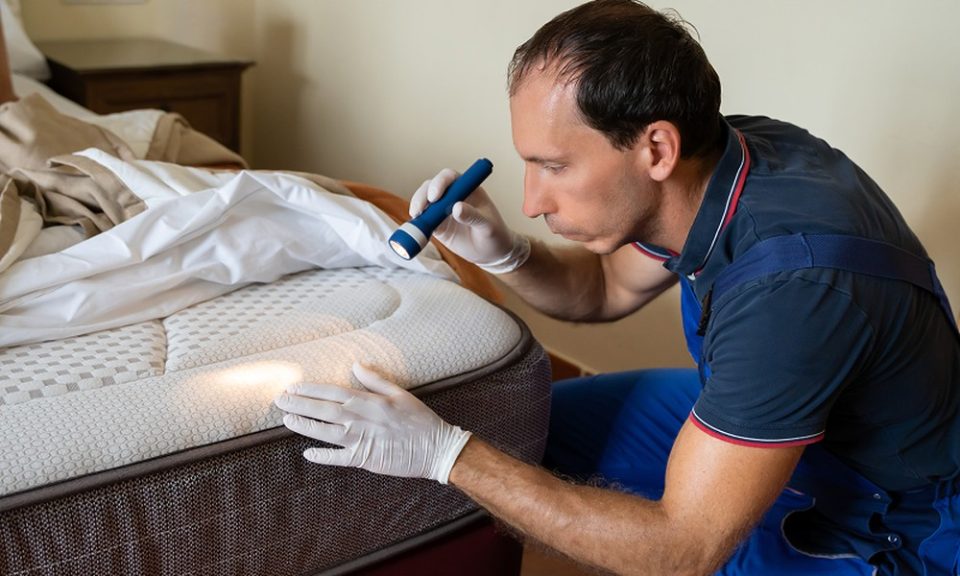
Inspection forms the basis of any pest control strategy, but the depth differs depending on the type of pest. Standard services focus on identifying entry points and common nesting areas, which work for many insects. Bed bug treatment requires a more detailed inspection that covers hidden and less obvious spaces. Technicians examine furniture, fixtures, and structural elements to locate every potential hiding area. This thorough process increases the likelihood of complete removal and reduces the chance of recurrence, especially in environments where infestations spread easily.
5. Specialisation in Pest Behaviour
Different pests require different strategies, and bed bugs present unique challenges because of how they live and spread. Standard pest control services address a wide range of pests, which means they follow generalised methods suited for broader applications. Bed bug treatment focuses specifically on understanding how these insects hide, feed, and reproduce. This specialised knowledge shapes the techniques used during treatment and ensures that the approach matches the behaviour of the pest. When the method aligns with the pest’s habits, results become more consistent and manageable over time.
Conclusion
Choosing between general pest control and bed bug treatment depends on recognising the nature of the infestation and the methods required to resolve it. When the approach aligns with the pest’s behaviour, the chances of successful removal improve significantly. Understanding these differences helps property owners respond more effectively and avoid repeated treatments that fail to address the underlying issue while ensuring that the chosen solution matches the specific demands of the situation.
Contact EcoSpace Pest Management to arrange a targeted bed bug treatment plan suited to your property’s specific needs.
