
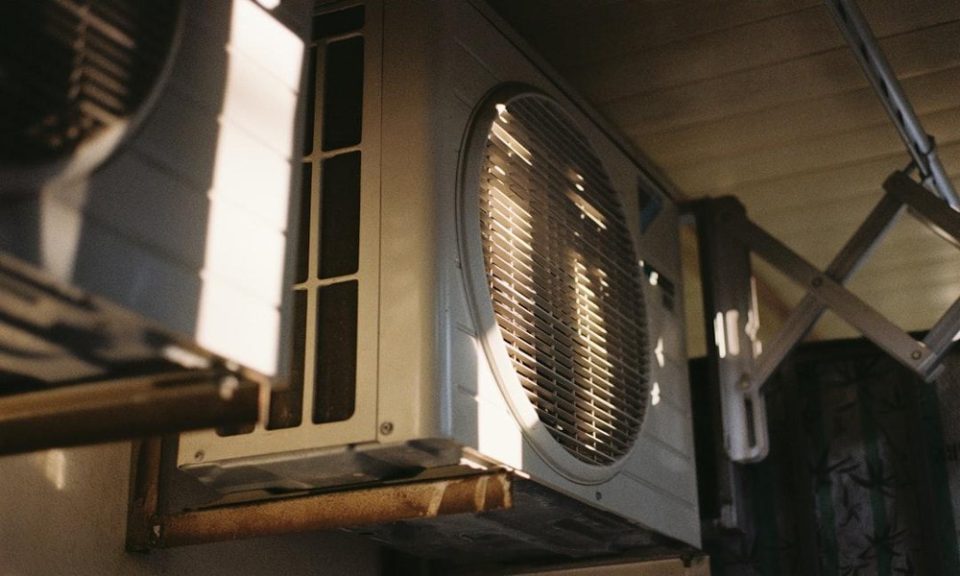
Understanding the Mechanics of HVAC and Radiant Heating
Creating the perfect indoor environment is a goal for every homeowner. We all want spaces that are consistently comfortable, energy-efficient, and contribute to good health. However, achieving this ideal climate control is more complex than simply setting a thermostat.
Two primary approaches dominate how we heat and cool our homes: conventional HVAC (Heating, Ventilation, and Air Conditioning) systems and radiant heating. While both aim to keep us comfortable, they achieve this through vastly different mechanisms. Understanding these differences is crucial for making informed decisions about your home’s comfort and efficiency.
We will explore how these systems work, comparing their performance, installation complexities, and overall impact on indoor air quality. We’ll dive into the unique benefits of radiant heating, such as its energy efficiency and superior comfort, and also discuss its limitations. Whether you are building a new home or upgrading an existing one, we aim to equip you with the knowledge to choose the best solution for your space. Often, consulting with HVAC and radiant heating experts can help clarify the best path forward for your home.
At its core, radiant heating operates on a principle fundamentally different from conventional forced-air HVAC systems. Instead of heating the air directly and then circulating it, radiant heating primarily relies on infrared radiation. This is the same type of warmth you feel from the sun or a hot stovetop element from across a room. The system directly warms objects and surfaces within a space – floors, walls, and even people – which then radiate heat back into the room. This direct transfer of energy provides a gentle, pervasive warmth that feels incredibly comfortable.
Conventional HVAC, on the other hand, works by heating or cooling air in a central unit and then distributing that conditioned air through a network of ducts and vents. This process relies on convection, in which warm air rises and cool air sinks, gradually changing the ambient temperature of a room. While effective, this method can lead to uneven temperatures, drafts, and the circulation of airborne particles.
Radiant heating systems typically achieve this direct heat transfer through one of two primary methods: hydronic tubing or electric heating cables. Hydronic systems circulate warm water through a network of durable pipes, usually embedded in floors, walls, or ceilings. The water, heated by a boiler or water heater, transfers its thermal energy to the surrounding building materials, which then radiate heat into the room. This method leverages water’s impressive energy-transport capacity; it has 3,500 times the energy-transport capacity of air in hydronic radiant systems, making it an incredibly efficient medium for heat transfer. Electric radiant systems, conversely, use electric resistance cables or mats installed beneath surfaces to generate heat. These systems are often simpler to install in smaller areas or as supplemental heat sources.
A significant advantage of radiant heating, particularly hydronic systems, lies in its ability to utilize thermal mass. Materials such as concrete or gypcrete, in which the heating elements are embedded, absorb and store substantial amounts of heat. This stored energy is then slowly released over time, contributing to stable indoor temperatures and reducing the need for continuous system operation. This characteristic is a key factor in the energy efficiency benefits often associated with radiant heating. For a deeper dive into how radiant heating systems improve energy efficiency, you might find this Scientific American article insightful.
Hydronic vs. Electric Systems
When considering radiant heating, the choice between hydronic and electric systems is paramount, each offering distinct advantages and considerations.
Hydronic radiant systems are often considered the workhorses of whole-home radiant heating. They consist of a network of durable tubing, most commonly PEX (cross-linked polyethylene), through which warm water circulates. This water is heated by a central boiler, which can be powered by natural gas, propane, electricity, or renewable sources such as geothermal or solar thermal energy. The boiler heats the water to a relatively low temperature (typically 85-140°F), which is then pumped through the tubing embedded in the floor, walls, or ceiling.
- Pros: Hydronic systems are highly energy-efficient, especially in larger areas, thanks to water’s superior heat transfer. They can integrate with various heat sources, including highly efficient condensing boilers or heat pumps. They also offer excellent zoning control, allowing different areas of a home to be heated to different temperatures. Their lifespan can be exceptionally long, often exceeding 50 years.
- Cons: Installation is more complex and invasive, typically requiring embedding the tubing in concrete slabs or under subfloors, making them ideal for new construction or significant renovations. The upfront cost is generally higher than that of electric systems.
Electric radiant systems, on the other hand, use electric resistance cables or mats installed directly beneath the floor finish. These systems are typically powered by standard household electricity.
- Pros: Electric systems are simpler and quicker to install, making them a popular choice for smaller areas like bathrooms, kitchens, or as supplemental heat in specific rooms. They offer faster response times than hydronic systems and are easier to retrofit into existing homes without extensive demolition.
- Cons: Operational costs can be higher, especially if electricity rates are high, as they rely solely on resistive heating. They are generally less efficient for heating large, whole-house areas compared to hydronic systems. Their lifespan is typically shorter than that of hydronic systems, averaging around 25 years.
Historically, radiant heating has a rich and long lineage, with examples dating back millennia. Ancient civilizations, such as the Koreans with their “ondol” system and the Romans with their “hypocausts,” employed ingenious methods to heat floors and walls. Modern hydronic radiant systems, however, truly gained traction in the 20th century, benefiting from advancements in materials like PEX tubing and more efficient boiler technology. For a fascinating look at the evolution of these systems, exploring the history of radiant systems can provide valuable context. Understanding this evolution underscores the ongoing drive for more comfortable, efficient heating solutions.
Thermal Mass and Temperature Control
The concept of thermal mass plays a pivotal role in the efficiency and comfort delivered by radiant heating systems, particularly those embedded in concrete slabs or thick gypcrete. Thermal mass refers to a material’s ability to absorb, store, and release heat energy. Dense materials like concrete have high thermal mass, making them excellent thermal energy reservoirs.
In a radiant floor heating system, when warm water circulates through tubes embedded in a concrete slab, the slab itself becomes a large, low-temperature radiator. It slowly absorbs heat from the water and then gradually releases it into the living space. This slow release of stored heat results in exceptionally stable indoor temperatures, minimizing fluctuations and creating a consistent, comfortable environment. This is particularly advantageous during periods of high demand or when external temperatures drop, as the stored heat can continue to warm the space even if the primary heat source cycles off.
However, the high thermal mass also influences the system’s response time. Unlike forced-air systems, which can quickly change room temperatures, radiant systems with significant thermal mass respond more slowly. It takes time for the slab to heat up and then for that heat to permeate the space. This characteristic means that rapid temperature setbacks (e.g., significantly lowering the thermostat at night) are less effective and can lead to longer reheat times and potentially higher energy consumption as the system works to bring the mass back up to temperature. Therefore, maintaining a more constant temperature is often recommended for homes with high-thermal-mass radiant systems.
To optimize temperature control in these systems, specialized floor thermostats are often employed. These thermostats can monitor not only ambient air temperature but also floor surface temperature and even outdoor temperature. This multi-sensor approach allows for more intelligent control, preventing overheating of the floor surface (which could damage certain flooring materials or cause discomfort) and anticipating heating needs based on external conditions.
For electric radiant systems, particularly those installed in concrete, the concept of thermal mass can be strategically leveraged with time-of-use (TOU) electric rates. In areas where electricity is cheaper during off-peak hours (e.g., overnight), homeowners can program their electric radiant floors to “charge” the concrete slab during these cheaper periods. The stored heat in the slab can keep the house comfortable for several hours during peak hours without drawing expensive electricity. This strategy effectively turns the floor into a thermal battery, significantly reducing operational costs.
The interplay between thermal mass and temperature control is a sophisticated aspect of radiant heating design. Understanding the thermal response time of different radiant systems is crucial for effective design and control. Researchers have extensively studied this, classifying systems based on how quickly they respond to changes in heating demand. For an in-depth look at this technical aspect, consulting research on thermal response time can provide valuable insights into optimizing these systems for efficiency and comfort, especially when dealing with the inherent thermal lag of high-mass installations.
Performance Comparison: Radiant vs. Forced-Air
When evaluating heating and cooling systems for your home, a direct comparison between radiant heating and conventional forced-air HVAC reveals significant differences in performance, comfort, and long-term implications. We find that while both systems achieve the goal of temperature control, they do so with varying degrees of efficiency, impact on indoor air quality, and overall user experience.
Imagine a comparison across several key metrics:
- Efficiency: Radiant heating systems are renowned for their energy efficiency. Unlike forced-air systems, which can lose significant heat through leaky ductwork, radiant systems deliver heat directly to the living space. Unfortunately, the average homeowner loses 20% of their heating through leaks, gaps, and other faults in forced-air systems. This substantial energy loss from ducts is virtually eliminated with radiant heating.
- Lifespan: Radiant systems generally boast an impressive lifespan. Electric radiant floor heating systems can last up to 25 years, while hydronic systems using boilers can last an extraordinary 50 years or more, often outliving the home itself with proper maintenance. This contrasts with traditional HVAC systems, which typically have a lifespan of 15-20 years for furnaces and air conditioners.
- Maintenance: While both require maintenance, the nature of the upkeep differs. Forced-air systems need regular filter changes, duct cleaning, and fan/motor checks. Radiant hydronic systems require boiler maintenance and occasional system flushing, but the embedded components are essentially maintenance-free once installed. Electric radiant systems are virtually maintenance-free.
- Air Quality: This is where radiant heating truly shines. Forced-air systems constantly circulate air, along with dust, allergens, pet dander, and other airborne particulates. This can exacerbate allergies and respiratory issues. Radiant heating, by warming surfaces directly, eliminates air movement as a primary heat transfer mechanism, leading to significantly improved indoor air quality and reduced allergen circulation.
- Comfort: Radiant heat provides a more even, consistent warmth, mimicking the sun’s natural warmth. There are no cold spots near windows or drafts from vents. The heat is concentrated at floor level, where people are, creating a “warm feet, cool head” sensation that is often described as superior comfort. Forced-air systems can create temperature stratification (hot ceilings, cold floors) and noticeable drafts. For a more detailed understanding of the comfort differences, an article from ASHRAE Journal on thermal comfort provides valuable insights into how radiant systems contribute to a more pleasant environment.
- Noise: Radiant systems operate silently, with no noisy fans blowing air through ducts. Forced-air systems, conversely, can be pretty loud due to the fan operation and air moving through ductwork.
Furthermore, radiant heating systems do not dry out the air as much as forced-air systems, helping to maintain natural humidity levels and contributing to better respiratory comfort. The absence of visible vents and radiators also allows for greater flexibility in interior design and furniture placement.
Efficiency Benchmarks for HVAC and Radiant Heating
When we examine the efficiency benchmarks of heating systems, the properties of the heat transfer medium become crucial. As previously noted, water possesses a remarkably high heat capacity. In practical terms, this means that water has 3,500 times the energy-transportation capacity of air in hydronic radiant systems. This staggering difference profoundly impacts how efficiently heat can be moved and distributed throughout a building.
Forced-air systems rely on air as the heat transfer medium. To move a significant amount of heat, large volumes of air must be heated to high temperatures and then rapidly circulated. This process is energy-intensive, and as we’ve discussed, a considerable portion of that energy can be lost through ductwork leaks. In contrast, hydronic radiant systems can transfer the same amount of heat using much smaller volumes of water at lower temperatures. This allows boilers and heat pumps to operate more efficiently, as they don’t need to work as hard to achieve the desired output temperature.
This characteristic makes radiant systems particularly well-suited for integration with low-exergy heat sources. Low-exergy sources are those that provide heat at moderate temperatures, such as solar thermal collectors or ground-source heat pumps. These renewable energy technologies are highly efficient but produce heat that is often too cool for effective distribution by traditional forced-air systems without significant additional energy input. Radiant systems, operating at lower water temperatures, can seamlessly utilize these sustainable sources, further enhancing their overall energy efficiency and reducing reliance on fossil fuels.
Another significant efficiency advantage of radiant heating is its precise zoning capabilities. Because each loop or electric mat can be controlled independently, homeowners can heat only the rooms they are actively using, rather than heating the entire house. This granular control minimizes wasted energy, resulting in lower fuel consumption and lower utility bills. While forced-air systems can also be zoned, they often require more complex ductwork and dampers, and the inherent inefficiencies of air distribution persist.
Given the comprehensive benefits of radiant heating, especially its efficiency and compatibility with diverse energy sources, it’s clear why many are looking to optimize their entire climate control strategy. Services that specialize in both HVAC and radiant heating can provide tailored solutions that leverage the strengths of each system, ensuring optimal comfort and energy savings for your home. This holistic approach is becoming increasingly important as homeowners seek to reduce their environmental footprint and long-term operating costs.
Air Quality and Allergy Mitigation
The impact of a heating system on indoor air quality (IAQ) is a critical factor in overall home comfort and health. This is an area where radiant heating systems offer a distinct advantage over conventional forced-air HVAC.
Forced-air systems, by their very design, continuously circulate air throughout the home. While they include filters to capture some particulates, they also inevitably stir up and distribute dust, pollen, pet dander, mold spores, and other allergens that settle on surfaces. This constant air movement can be a significant trigger for individuals with allergies, asthma, or other respiratory sensitivities, leading to worsened symptoms and a less healthy living environment. Furthermore, ductwork itself can become a breeding ground for dust mites, mold, and bacteria if not regularly cleaned and maintained, potentially contributing to “sick building syndrome.” The average homeowner loses 20% of their heating through leaks, gaps, and other faults in their forced-air system. Still, these faults also allow unfiltered air and contaminants into the system, further compromising IAQ.
Radiant heating, in stark contrast, operates without forced air movement. Since heat is transferred directly to surfaces and objects, there is no need for fans to circulate air. This eliminates the primary mechanism by which dust and allergens are circulated, resulting in a cleaner, fresher indoor environment. For households with allergy sufferers or those sensitive to airborne irritants, this can translate to a noticeable improvement in respiratory comfort and overall well-being.
Moreover, radiant heating tends to maintain more natural humidity levels within a home. Forced-air heating, especially in dry climates, can significantly deplete indoor air moisture, leading to dry skin, irritated nasal passages, and static electricity. Radiant systems are less prone to this effect, contributing to a more comfortable and healthier indoor climate. However, it’s important to note that in radiant cooling applications, careful humidity management is crucial to prevent condensation on cool surfaces, which could lead to mold if left unchecked. Understanding the complex relationship between indoor humidity and health is essential for designing and operating climate control systems effectively, ensuring they contribute positively to occupant well-being.
By minimizing dust circulation and preserving natural humidity, radiant heating systems offer a superior solution for maintaining high indoor air quality and mitigating allergy-related concerns, making them a healthier choice for many homes.
Installation and Material Compatibility
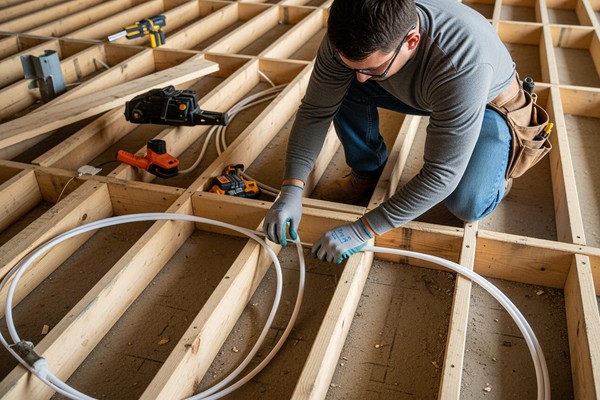
The installation of radiant heating systems is a primary consideration for homeowners, particularly when weighing new construction against retrofitting an existing home. While the benefits of radiant heating are compelling, the initial installation process can be more complex and costly than that of traditional forced-air HVAC systems.
In new construction, installing radiant heating is typically the most straightforward and cost-effective option. During the initial build phase, the heating elements (PEX tubing for hydronic systems or electric cables/mats) can be easily integrated into the floor structure, whether embedded in concrete slabs, laid within grooved subfloor panels, or stapled up from below between joists. This allows for seamless integration without significant demolition or disruption. The planning for the boiler (for hydronic systems), manifolds, and control wiring can be incorporated into the architectural and engineering design from the outset, optimizing performance and minimizing costs.
Retrofitting an existing home with radiant heating presents more challenges and generally higher costs. The invasive nature of installing heating elements under existing floors often requires removing the current flooring and, in some cases, portions of the subfloor or ceiling below to access joist spaces. For hydronic systems, this also means finding space for a boiler and running supply and return lines, which can involve significant plumbing work. The cost of retrofitting an existing home with radiant heating can range from $10,000 to $20,000 for a whole-house system, depending on the home’s size, complexity, and chosen system type. For specific rooms, such as bathrooms, installing radiant heating can cost between $5,000 $10,000 per room. This is often compared to new HVAC system installation costs, which typically range from $9,000 to $15,000, though this comparison usually doesn’t account for the long-term operational savings of radiant systems.
Another critical installation consideration, especially for wet installations (where tubing is embedded in concrete), is the floor’s structural carrying capacity. Adding a significant amount of concrete or gypcrete can increase the floor’s weight, which needs to be accounted for in the structural design, particularly in multi-story homes. Consulting with a structural engineer is often recommended to ensure the existing or new structure can safely support the added load.
Selecting Flooring for HVAC and Radiant Heating
The choice of flooring material is crucial for optimizing the performance and longevity of a radiant heating system. Since radiant heat works by warming the floor surface, the thermal conductivity and resistance of the flooring material directly impact how efficiently heat transfers into the room.
Ceramic tile and natural stone are widely considered the best flooring options for radiant heating. These materials have excellent thermal conductivity, meaning they readily absorb and transfer heat. They also possess high thermal mass, allowing them to store heat effectively and release it slowly, contributing to stable, even temperatures. The result is a wonderfully warm and comfortable floor surface that enhances the radiant effect.
Engineered wood flooring is also a good option, provided it is rated explicitly for radiant heat applications. Unlike solid hardwood, which can be prone to warping, shrinking, or cracking due to temperature fluctuations and moisture changes, engineered wood is more dimensionally stable. Manufacturers often provide specific guidelines for installation over radiant heat, including maximum surface temperatures and proper acclimation procedures.
Laminate flooring can work well with radiant heating, as it is designed for stability, similar to engineered wood. However, it’s essential to choose products that are certified compatible with radiant systems and to follow the manufacturer’s installation instructions carefully.
Carpet presents the most significant challenge for radiant heating. Carpet and its padding act as insulators, preventing heat from transferring from the floor to the room. While it is possible to use carpet over radiant heat, it significantly reduces the system’s efficiency and requires the system to operate at higher temperatures, increasing energy consumption. If carpet is desired, it’s recommended to choose thinner carpets with low tog ratings (a measure of thermal resistance) and dense, low-profile padding to minimize insulation. It might also necessitate separate tubing loops or zones for carpeted areas to allow for higher operating temperatures without overheating other regions.
Materials like vinyl and linoleum can also be used, but, as with engineered wood and laminate, select products approved for radiant heat and ensure the adhesives used can withstand temperature cycling without degrading or off-gassing. For a broader understanding of how different materials interact with various heating methods, consulting a comprehensive guide to heat distribution systems can offer additional context. The best flooring choice balances aesthetic preferences with the thermal performance requirements of your radiant heating system.
Retrofitting vs. New Construction Options
The decision to install radiant heating often hinges on whether a project is new construction or a renovation, as each presents unique opportunities and challenges.
For new construction, the possibilities for radiant heating are extensive and typically more cost-effective. The most common and efficient method is a wet installation, where hydronic tubing or electric cables are embedded directly into a concrete slab (slab-on-grade) or a gypcrete overlay on a subfloor. This method maximizes thermal mass, leading to excellent efficiency and consistent heating. Planning for these systems is integrated into the foundation and subfloor design, minimizing labor and material costs associated with accessing existing structures.
In retrofitting existing homes, the options become more varied and often more complex. The goal is to install the radiant elements with minimal disruption and cost, while still achieving effective heat transfer.
- Dry Plate Systems: Popular for retrofits. Aluminum heat transfer plates are installed directly under the subfloor, often between floor joists, or within pre-grooved subfloor panels. The hydronic tubing snaps into these plates, which help distribute heat evenly across the floor. This method is less invasive than pouring new concrete but may require access from below (e.g., from a basement or crawlspace) or lifting existing subflooring.
- Plywood Sandwich Systems: In this method, grooved plywood panels are laid over the existing subfloor, and the tubing is placed within the grooves. Another layer of plywood is then installed on top, creating a “sandwich” that encapsulates the tubing. This raises the floor height slightly but can be a good option where access from below is not feasible.
- Thin-Slab or Gypcrete Overlays: For homes with sturdy subfloors, a thin layer of gypcrete (a lightweight concrete compound) can be poured over the existing subfloor, embedding the tubing. This adds thermal mass and is effective, but it also increasesweight and rraises the oor height, requiring careful structural assessment.
- Staple-Up Systems: For homes with accessible joist spaces from below (e.g., an unfinished basement), tubing can be stapled to the underside of the subfloor. Reflective insulation is then installed below the tubing to direct heat upwards. This is often the least invasive retrofit method, but it can be less efficient than embedded systems due to air gaps and less direct contact with the subfloor.
- Electric Mats: For smaller areas like bathrooms or kitchens, electric radiant mats are a highly favored retrofit option. They are thin, easy to install directly under tile or other flooring, and require only an electrical connection, avoiding the complexities of plumbing.
The choice between these retrofit options depends on factors such as the existing floor structure, desired heat output, budget, and the extent of the planned renovation. For a comprehensive overview of the various installation methods and their suitability, the DOE guide to radiant heating provides excellent, detailed information. While retrofitting can be more challenging, the long-term benefits of radiant heating often make the investment worthwhile.
Advanced Climate Control: Radiant Cooling
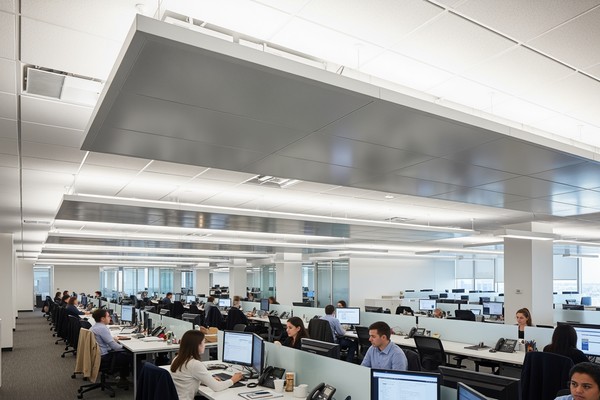
While radiant heating is well-established, radiant cooling represents an advanced frontier in climate control, offering significant advantages, particularly in energy efficiency. Radiant cooling leverages the same principles as radiant heating but in reverse: instead of circulating warm water, chilled water is circulated through panels in ceilings, walls, or floors, or through chilled slabs. These cool surfaces absorb heat radiated from people and objects in the room, effectively cooling the space without the need for noisy fans or moving air.
Radiant cooling systems offer impressive energy savings compared to conventional air conditioning. This is primarily because water is a far more efficient medium for transporting thermal energy than air, and radiant systems operate with higher chilled water temperatures than traditional AC systems. Studies have shown that radiant cooling systems offer average energy savings of 30% compared to conventional systems across the US, with savings ranging from 17% in cool humid regions to a remarkable 42% in hot arid areas. This regional variation highlights the importance of climate in system design and performance. For a detailed analysis of these savings, research on energy and peak-power savings from radiant cooling systems can provide valuable context.
Chilled slabs, where the same hydronic tubing embedded in concrete for heating is used to circulate chilled water for cooling, are a particularly effective form of radiant cooling. The slab’s large surface area and thermal mass provide stable, continuous cooling. This approach is often favored in commercial buildings and modern, energy-efficient residential designs.
The advantages of radiant cooling extend beyond energy efficiency:
- Improved Comfort: Radiant cooling provides a gentle, even cooling effect without drafts or cold spots associated with forced-air systems. Occupants often feel comfortable at slightly higher air temperatures because their bodies are directly radiating heat to the cool surfaces.
- Superior Indoor Air Quality: Like radiant heating, radiant cooling eliminates forced-air circulation, reducing the spread of dust, allergens, and airborne contaminants.
- Silent Operation: Without the need for loud fans or compressors in occupied spaces, radiant cooling systems operate virtually silently.
- Reduced Peak Loads: By leveraging the building’s thermal mass, radiant cooling can help shift cooling loads, potentially reducing demand on the electrical grid during peak periods.
However, radiant cooling is not without its challenges, primarily concerning humidity management.
Managing Condensation and Humidity
The primary challenge in implementing radiant cooling systems is the risk of condensation. If the temperature of cool radiant surfaces (e.g., chilled ceiling panels or floors) drops below the indoor air’s dew point, moisture in the air will condense on them. This can lead to water damage, mold growth, and compromised indoor air quality.
To effectively manage this risk, radiant cooling systems must be integrated with robust humidity control strategies:
- Dew Point Sensors: These sensors are crucial components of a radiant cooling system. They continuously monitor the indoor air’s dew point. The system’s controls are programmed to ensure that the temperature of the circulating chilled water, and thus the radiant surfaces, never falls below the measured dew point, maintaining a safe buffer. If the dew point rises, the system will automatically raise the surface temperature or reduce cooling capacity to prevent condensation.
- Dehumidification: In humid climates, or during periods of high indoor moisture generation (e.g., cooking, showering), supplementary dehumidification is often necessary. This can be achieved through dedicated dehumidifiers or, more commonly in integrated systems, via a Dedicated Outdoor Air System (DOAS). A DOAS conditions (dehumidifies and filters) fresh outdoor air before introducing it into the building, effectively managing the latent load (moisture) independently of the sensible cooling load (temperature). This allows the radiant system to focus solely on temperature control without battling high humidity.
- Surface Temperature Limits: System designers carefully calculate the minimum allowable surface temperatures based on anticipated indoor dew points for a given climate. In general, radiant cooling surfaces are designed to operate at temperatures several degrees above the dew point, typically maintaining indoor relative humidity below 60-70%.
- Building Envelope and Ventilation: A well-sealed, well-insulated building envelope is essential to minimize moisture infiltration from the outside. Proper ventilation strategies, often handled by the DOAS, ensure that stale, moisture-laden indoor air is exhausted and replaced with fresh, conditioned air, further aiding humidity control.
The successful implementation of radiant cooling relies heavily on this integrated approach to humidity management. By diligently monitoring dew points, actively dehumidifying, and designing within safe surface temperature limits, we can harness the significant energy savings and superior comfort of radiant cooling without succumbing to the challenges of condensation. This sophisticated control ensures that the indoor environment remains both cool and dry, optimizing comfort and preventing potential issues like mold growth.
Frequently Asked Questions about HVAC and Radiant Heating
Many homeowners have questions when considering a shift from traditional HVAC to radiant heating, or when considering integrating both systems. Here, we address some of the most common inquiries.
What is the lifespan of a radiant system compared to traditional HVAC?
Radiant heating systems are known for their exceptional longevity, often outperforming conventional HVAC components. Hydronic radiant systems, which circulate warm water through durable PEX tubing, can last up to 50 years. The tubing itself, once embedded, is highly resilient and protected from wear and tear. The lifespan of the boiler, which is the heart of a hydronic system, typically ranges from 15 to 30 years, but it can be replaced independently of the embedded tubing. Electric radiant floor heating systems, while generally having a shorter lifespan than hydronic, are still very durable, often lasting up to 25 years. This contrasts sharply with traditional forced-air HVAC systems, where furnaces and air conditioners typically have a lifespan of 15 to 20 years. The long lifespan of radiant systems contributes significantly to their long-term value and return on investment.
Can radiant heating be installed in an existing home?
Yes, radiant heating can be installed in an existing home, though it typically involves greater complexity and higher costs than in new construction. Retrofitting options vary depending on the home’s structure and the desired outcome. For instance, low-profile dry plate systems can be installed over existing subfloors, or tubing can be stapled up between floor joists from an accessible basement or crawlspace. Electric radiant mats are a popular choice for retrofitting individual rooms, such as bathrooms, due to their ease of installation directly under new flooring.
However, retrofitting a whole-house hydronic system can be a significant undertaking, potentially requiring the removal of existing flooring, structural modifications, and extensive plumbing. The cost for retrofitting an existing home with radiant heating can range from $10,000 to $20,000 for a whole-house system. For specific rooms, like updating a bathroom, the cost might be $5,000 to $10,000 per room. While the initial investment might be higher than a traditional HVAC replacement, the long-term energy savings and enhanced comfort often justify the expense. It’s crucial to consult experienced professionals to assess your home’s suitability and determine the most appropriate, cost-effective retrofit solution.
Which flooring is best for radiant heat?
The best flooring materials for radiant heat are those with high thermal conductivity and low thermal resistance, allowing heat to pass through efficiently and warm the space.
- Ceramic Tile and Natural Stone: These are the top choices. They conduct heat exceptionally well and have high thermal mass, meaning they absorb and store heat, releasing it slowly and evenly. This results in floors that are incredibly warm and comfortable.
- Engineered Wood: A good option, provided it’s rated explicitly for radiant heat. Engineered wood is more stable than solid hardwood, making it less prone to warping or gapping with temperature changes. Always follow manufacturer guidelines for installation and maximum surface temperatures.
- Laminate Flooring: Many modern laminates are compatible with radiant heat. As with engineered wood, choose products specifically designed for this application and adhere to the installation instructions to prevent damage.
- Vinyl and Linoleum: These can also be used, but ensure they are rated for radiant heat and that the adhesives used can withstand temperature fluctuations without degrading or releasing volatile organic compounds (VOCs).
- Carpet: This is the least ideal option. Carpet and its padding act as insulators, significantly impeding heat transfer and reducing the system’s efficiency. If carpet is desired, select thin carpets with low tog ratings (thermal resistance) and dense, low-profile padding. It may also necessitate operating the radiant system at higher temperatures, which can increase energy consumption.
The best flooring choice balances aesthetic preferences with the practical requirements of efficient heat transfer and long-term durability when paired with a radiant heating system.
Conclusion
In the quest for optimal indoor climate control, the choice between conventional HVAC and radiant heating systems is nuanced. While traditional forced-air HVAC offers widespread familiarity and quick temperature adjustments, radiant heating stands out for its unparalleled comfort, superior energy efficiency, and significant benefits for indoor air quality.
We’ve explored how radiant systems, whether hydronic or electric, deliver warmth directly to objects and people through infrared radiation, creating a gentle, even heat that eliminates drafts and cold spots. The remarkable energy transport capacity of water in hydronic systems, coupled with the strategic use of thermal mass, enables highly efficient operation, especially when integrated with low-exergy renewable energy sources. This efficiency translates directly into lower utility bills and a reduced environmental footprint.
Furthermore, the absence of forced-air movement in radiant heating dramatically improves indoor air quality by reducing the circulation of dust, allergens, and other airborne particles, fostering a healthier environment for all occupants. While the initial installation costs for radiant systems, particularly retrofits, can be higher than for traditional HVAC systems, their exceptional system longevity-up to 50 years or more for hydronic systems-and lower operational expenses often yield a compelling long-term return on investment.
Even advanced applications like radiant cooling, though requiring careful humidity management, offer substantial energy savings and enhanced comfort, pushing the boundaries of sustainable climate control.
The decision to choose radiant heating or to integrate it with existing HVAC components depends on a variety of factors: your home’s construction, budget, climate, and personal priorities regarding comfort, health, and energy efficiency. However, as we’ve seen, the advantages of radiant heating in optimizing indoor climate control and air quality are undeniable. By understanding these systems, we can make informed choices that lead to more comfortable, healthier, and sustainable living spaces for years to come.
