
Defining Modern Log Home Design and Construction
Modern log homes transcend the rustic image of frontier dwellings, evolving into sophisticated residences that marry natural beauty with contemporary comfort and engineering precision. When we discuss log cabin homes for sale today, we are often referring to structures built with an intricate understanding of both architectural heritage and advanced construction techniques. These homes are characterized by their primary structural material, logs, but the assembly methods and the resulting aesthetics vary widely.
We encounter several distinct types of log construction, each offering unique characteristics. Full scribe log homes are perhaps the most iconic, featuring logs meticulously hand-fitted to one another without chinking. This method demands exceptional craftsmanship, resulting in a seamless, solid wood wall that showcases the natural contours of each log. The logs are scribed and notched to create a tight, weather-resistant seal, a true testament to traditional artistry.
In contrast, chinked log homes feature logs that are stacked with deliberate gaps, which are then filled with a flexible chinking material. This style evokes a classic, rugged charm and allows for a visually appealing contrast between the logs and the chinking.
For those seeking a more uniform appearance, milled or D-log homes utilize logs that have been processed to a consistent shape, often with a flat interior surface and a rounded exterior. This approach simplifies construction while still providing the thermal benefits and aesthetic appeal of solid wood.
Beyond solid log walls, modern log home design often incorporates timber-frame and post-and-beam systems. In timber frame construction, heavy timbers form the home’s structural skeleton, with conventional walls, windows, and doors filling the spaces between them. This allows for vast open spaces and dramatic vaulted ceilings, showcasing the beauty of the exposed timber framework. Similarly, post-and-beam construction uses large vertical posts and horizontal beams to create a robust structure, often with a more rustic aesthetic than traditional timber framing.
The most versatile option is hybrid systems, which combine elements of log, timber frame, and conventional stick-built construction. This approach offers unparalleled design flexibility, allowing homeowners to integrate the warmth of log walls in certain areas (like a great room) with the smooth finishes of drywall or other materials elsewhere. Regardless of the chosen method, the focus remains on structural integrity, handcrafted aesthetics, and creating a home that is both beautiful and built to last.
Engineering for Longevity in Log Home Design and Construction
The enduring appeal of log homes is rooted not only in their aesthetic charm but also in their inherent durability and longevity, which are significantly enhanced by modern engineering. We understand that logs are a natural material and, as such, respond to environmental conditions. This understanding drives innovations in design and construction to ensure these homes stand for generations.
One critical aspect is settling systems. As logs naturally dry and acclimate over time, they will shrink. Modern log homes are engineered to accommodate this settling gracefully, using specialized joinery, adjustable fasteners, and careful planning around windows, doors, and interior partitions. This prevents structural stress and maintains the home’s air-tightness and integrity.
Moisture management is paramount to preventing rot and decay. This involves thoughtful architectural design, such as generous roof overhangs that protect log walls from rain and snow, and elevated foundations to prevent ground moisture from wicking up. Proper site drainage and ventilation are also crucial. Additionally, logs are often treated with environmentally safe preservatives that enhance their natural resistance to insects and fungi.
Many leading manufacturers employ patented joinery systems, which are a hallmark of advanced log home construction. These innovations, often developed over decades of research and experience, ensure a superior fit between logs, enhancing structural stability, air-tightness, and overall durability. Precision-milled profiles and interlocking mechanisms minimize gaps and improve insulation performance.
The thermal mass of solid logs is a significant advantage. The dense wood absorbs and slowly releases heat. This natural thermal regulation helps keep interiors cooler in summer and warmer in winter, contributing to energy efficiency. Coupled with meticulous attention to air-tightness through advanced sealing techniques around all penetrations and joints, modern log homes can achieve impressive energy performance.
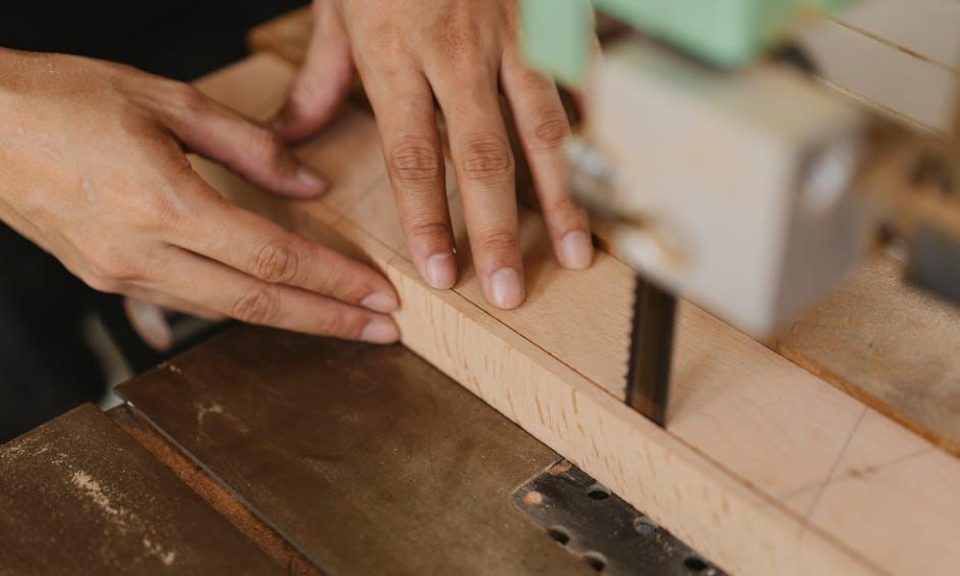
Finally, precision milling plays a vital role. Computer-aided design (CAD) and manufacturing (CAM) allow logs to be cut with extreme accuracy, creating tighter, more consistent joints. This not only speeds up the construction process but also contributes to the home’s structural soundness and aesthetic finish. These engineering considerations collectively ensure that a modern log home is not just a beautiful structure, but a robust and resilient one.
Material Selection and Wood Species
The choice of wood species is a foundational decision in log home construction, influencing everything from the home’s aesthetic appeal and structural integrity to its long-term durability and maintenance requirements. We carefully consider the properties of various species to match them with the specific needs and desires of each homeowner.
Among the most popular choices, White Pine is highly favored for its light color, fine grain, and excellent insulating properties. It’s relatively easy to work with, making it a common choice for both milled and handcrafted log homes. Its consistent texture allows for a smooth finish, and it readily accepts stains and finishes.
Western Red Cedar stands out for its natural resistance to rot, decay, and insect infestation, thanks to its inherent oils. It is also dimensionally stable, meaning it tends to shrink and swell less than other woods, contributing to a more stable log wall. Cedar boasts a beautiful reddish-brown hue and a distinctive aroma, adding to the sensory experience of a log home.
Cypress is another exceptional choice, particularly for its outstanding water resistance and durability, making it well-suited for humid climates. It has a unique grain pattern and natural insect resistance, similar to cedar. Cypress logs often have a lighter, more golden tone that deepens with age.
Spruce is a strong, relatively lightweight wood commonly used in log home construction, especially in colder regions. It offers good insulation and is a cost-effective option. While not as naturally decay-resistant as cedar or cypress, proper treatment and maintenance ensure its longevity.
Other species, such as Douglas Fir, Oak, and Hemlock, are also used, each with its own set of characteristics. Douglas Fir is known for its strength and straight grain, often used in large timbers. Oak offers exceptional hardness and durability, though it can be more challenging to work with. Hemlock provides good strength and is often used for its rustic appearance.
When selecting wood, we consider factors such as its natural resistance to pests and decay, its insulating properties, its tendency to check (crack as it dries), and its aesthetic qualities, such as grain patterns and color. Our goal is to ensure the chosen species not only fulfills the structural requirements but also contributes to the desired look and feel of the home. For a deeper dive into the specific characteristics and benefits of different wood types, we encourage you to explore our detailed guide on Choosing Wood Species for Your Log Home.
Popular Regions and Architectural Styles in Ontario and Beyond
The allure of log homes is deeply intertwined with their natural surroundings, and in Ontario, Canada, certain regions are synonymous with this distinctive way of life. We find a high concentration of log cabin homes for sale in areas celebrated for their pristine lakes, lush forests, and tranquil landscapes, offering an escape from urban life.
The Muskoka region, often referred to as “cottage country,” is perhaps Ontario’s most iconic area for log homes. Its granite outcroppings, clear lakes, and dense forests provide a breathtaking backdrop for these rustic yet luxurious residences. Similarly, the shores of Georgian Bay and the expansive wilderness of the Haliburton Highlands are sought-after destinations, where log homes blend seamlessly with the rugged beauty of the Canadian Shield. The Kawarthas, with its chain of lakes and rivers, also offers a picturesque setting for log home enthusiasts, providing ample opportunities for waterfront living and outdoor recreation.
Beyond location, log homes in these regions and elsewhere often draw inspiration from a range of architectural styles. The Adirondack style, originating from the rustic camps of upstate New York, is characterized by its grand scale, natural materials, and integration with the landscape. These homes often feature large porches, rough-hewn logs, and elements like bark and twig work, creating a sense of rugged elegance.
Scandinavian influences bring a different aesthetic, emphasizing clean lines, functionality, and abundant natural light. These designs often feature lighter wood tones, minimalist interiors, and a strong connection to the outdoors, reflecting the Nordic appreciation for simplicity and nature.
For properties nestled in more dramatic terrains, mountain-style architecture is prevalent. These log homes are typically robust, often multi-level structures designed to withstand harsh weather while maximizing panoramic views. They blend sturdy logs with stone accents, expansive windows, and large, protective roofs, creating a formidable yet inviting presence. Whether seeking a cozy lakeside retreat or a grand wilderness estate, the combination of Ontario’s stunning geography and diverse architectural inspirations makes it a prime destination for log home ownership.
The Rise of Log Cabin Farmhouses and Barndominiums
The evolution of log home design has seen a fascinating convergence of traditional aesthetics with modern living concepts, giving rise to popular styles like log cabin farmhouses and barndominiums. We observe that these designs cater to a desire for spaciousness, rustic charm, and contemporary functionality, expanding the appeal of log cabin homes for sale to a broader audience.
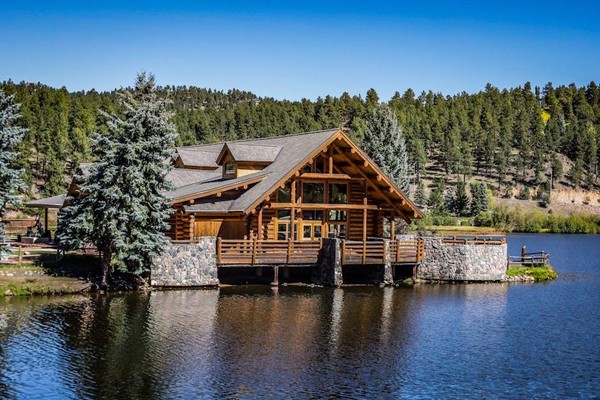
Log cabin farmhouses beautifully blend the enduring warmth of log construction with the classic, comfortable appeal of a traditional farmhouse. These homes often feature expansive open floor plans that create a sense of airiness and facilitate family gatherings. Key characteristics include large, inviting front porches, generous kitchens with ample counter space, and often a mix of log walls with painted or plastered interior surfaces to brighten spaces. Vaulted ceilings are common, enhancing the feeling of grandeur and allowing for dramatic light fixtures. The aesthetic is one of “rustic luxury,” where natural wood elements are complemented by modern finishes, high-end appliances, and comfortable furnishings, creating a home that is both elegant and deeply rooted in its natural surroundings.
Another innovative trend we’re seeing is the emergence of barndominiums. Originally agricultural barns converted into living spaces, modern barndominiums are newly constructed buildings, typically with a steel or post-frame structure, that incorporate residential living. When combined with log elements, they become a unique hybrid. These structures are celebrated for their immense flexibility, offering vast great rooms, high ceilings, and the ability to seamlessly integrate living quarters with workshops, garages, or even equestrian facilities. The “industrial-chic” fusion often seen in barndominiums is softened by the addition of log walls, timber accents, or even full log construction in certain sections, providing warmth and a connection to nature. Expansive glazing is a common feature, allowing natural light to flood the interiors and offering panoramic views of the property.
Both log cabin farmhouses and barndominiums represent a creative approach to home design, offering owners the best of both worlds: the timeless appeal and durability of log construction combined with the spaciousness, modern amenities, and adaptable layouts demanded by today’s lifestyles. These styles provide a unique opportunity to craft a personalized haven that reflects individual tastes and practical needs. For those exploring comprehensive building options, including customizable designs and premium packages, delving into Log Cabin Homes packages can provide a wealth of inspiration and practical solutions.
Flexible Living: Park Model Cabins and Tiny Retreats
For those who dream of a log home lifestyle but seek a more compact, flexible, or budget-conscious option, park model cabins and tiny retreats offer compelling solutions. We understand that not everyone requires a sprawling estate, and these smaller-scale log dwellings provide an accessible entry point into log living, particularly within the Ontario market.
Park model cabins are a fascinating category. Often built with 100% solid log timber, they are designed to resemble small log homes but are legally classified as recreational vehicles (RVs). This classification can offer significant advantages, as it is typically exempt from traditional building permits and property taxes in many areas, though local regulations should always be verified. Despite their smaller footprint, these cabins are engineered for durability, with manufacturers like Lancaster Log Cabins boasting over 20 years of experience and claiming a lifespan of 50+ years for their solid log timber structures. They are frequently offered as turnkey solutions, arriving pre-assembled and often furnished, ready for immediate hookup to utilities. This makes them ideal for campgrounds, Airbnb rentals, hunting camps, or as cozy getaway cabins, providing a rustic yet comfortable escape. The emphasis is on compact luxury, featuring high-end finishes and efficient layouts that maximize every square foot.
Tiny homes and other small log cabins represent a broader movement towards minimalist living. These structures, whether on wheels or built on permanent foundations, prioritize efficient space utilization and a reduced environmental footprint. They offer a unique opportunity to live simply yet comfortably, surrounded by the natural beauty of wood. A 13’x24′ tiny home/cabin, for instance, can provide a fully functional living space, proving that significant luxury and comfort can be achieved within a modest area.
Both park model cabins and tiny retreats cater to a growing demand for flexible living arrangements and seasonal getaways. They embody the essence of log home living-the connection to nature, the warmth of wood, and the sense of enduring quality-in a scaled-down, highly adaptable format. These options are particularly attractive in Ontario’s cottage country, where they offer charming, practical ways to enjoy the province’s stunning natural landscapes without the commitment of a large-scale construction project.
Lifestyle Advantages and Environmental Efficiency
Owning a log home extends far beyond a mere housing choice; it’s an embrace of a distinct lifestyle and a commitment to environmental consciousness. We consistently hear from homeowners about the profound benefits that define log living, from enhanced well-being to impressive energy performance.
One of the most frequently cited advantages is the biophilic benefits that log homes provide. Living surrounded by natural wood fosters a deep connection to nature, even indoors. The warm tones, tactile surfaces, and subtle wood aroma create a calming, restorative environment. This inherent connection to the natural world has been shown to reduce stress and improve overall mood, contributing to a sense of peace and tranquility that is often elusive in conventional homes.
The indoor air quality in a log home is typically superior. Natural wood breathes, helping to regulate humidity levels and filter airborne particles. Unlike many manufactured building materials, solid logs emit minimal volatile organic compounds (VOCs), resulting in a healthier living environment with fewer allergens and irritants.
Modern log homes are also celebrated for their energy performance. The substantial thermal mass of solid logs acts as a natural insulator, absorbing heat during the day and releasing it slowly at night. This thermal flywheel effect helps maintain a stable indoor temperature, reducing the reliance on heating and cooling systems. When combined with advanced sealing techniques and proper insulation in the roof and foundation, log homes can be remarkably energy efficient. This leads to lower utility bills and a reduced carbon footprint. For more detailed information on how log homes achieve such efficiency, we invite you to read our guide on the Energy Efficiency of Log Homes.
Beyond energy savings, log homes contribute positively to the environment through carbon sequestration. As trees grow, they absorb carbon dioxide from the atmosphere. When these logs are used in construction, the carbon they contain remains stored in the home for its entire lifespan, effectively removing it from the atmosphere. This makes log homes a sustainable choice compared to energy-intensive materials.
Furthermore, the dense structure of log walls provides excellent acoustic insulation, creating a quiet, peaceful interior environment and shielding occupants from external noise. The natural warmth of wood, both aesthetically and thermally, creates a cozy, inviting atmosphere year-round.
We’ve compiled a comparison to highlight the practical benefits of different log home systems:
Feature Full Log System Hybrid Timber System Thermal Performance High thermal mass, natural insulation Excellent insulation with added materials, good thermal mass Construction Timeline Often longer due to hand-fitting or precision milling Potentially faster due to combination of methods Aesthetic Pure, rustic, solid wood aesthetic throughout Blends rustic timber with modern finishes, versatile Flexibility Less flexible for interior wall finishes Highly flexible for interior and exterior finishes Structural Integrity Inherently robust, time-tested Strong, often engineered for large spans These advantages underscore why log cabin homes for sale continue to captivate those seeking a lifestyle that harmonizes with nature, offers superior comfort, and demonstrates a commitment to environmental stewardship.
Essential Considerations for Prospective Owners
Embarking on the journey to own a log home is an exciting prospect, but it requires careful planning and consideration. We guide prospective owners through several essential steps to ensure a smooth and successful experience, from initial site selection to long-term maintenance.
The first crucial step is site evaluation. The land on which your log home will sit plays a significant role in its design, construction, and overall enjoyment. We assess factors such as soil composition, topography, access to utilities (water, septic/sewer, electricity), and sun exposure. Proper orientation of the home can maximize natural light and passive solar gain, contributing to energy efficiency. Understanding the site’s unique characteristics is fundamental to designing a log home that harmonizes with its environment.
Navigating building permits and zoning regulations is another critical aspect. Log homes, especially those with unique designs or in rural areas, may have specific requirements. We work closely with local authorities to ensure all plans comply with building codes, environmental regulations, and zoning ordinances. This includes understanding restrictions on building size, setbacks, and material usage. For flexible options like park model cabins, confirm their classification and associated regulations with local municipalities, as these can vary significantly.
Maintenance cycles are a key consideration for log home ownership. Unlike conventional homes, log structures require periodic exterior care, primarily staining and sealing, to protect the wood from UV radiation, moisture, and pests. While modern stains offer long-lasting protection, a typical re-staining cycle might be every 3-7 years, depending on climate exposure and product quality. Regular inspections are also recommended to identify and address any issues early, ensuring the home’s longevity.
Engaging professional design services is invaluable. Architects and designers specializing in log and timber-frame homes possess the expertise to translate your vision into a functional, aesthetically pleasing design while also addressing the unique structural and material properties of logs. They can help optimize floor plans, integrate custom features, and ensure energy efficiency.
When considering construction types and permits, it’s important to differentiate between them. A full-size, permanent log home will follow standard residential building codes and require comprehensive permits. A park model cabin, as discussed, may fall under RV regulations, potentially simplifying the permit process but still requiring adherence to specific placement and hookup rules. Understanding these distinctions from the outset prevents unforeseen challenges and ensures your project progresses smoothly. By addressing these essential considerations proactively, we help prospective owners build their dream log home with confidence and peace of mind.
Innovations in Sustainable Log Home Design and Construction
The commitment to sustainability is increasingly central to modern log home design and construction. We see continuous innovation aimed at enhancing the environmental performance and resource efficiency of these homes, ensuring they are not only beautiful but also responsible.
One significant area of advancement is smart home integration. Modern log homes can incorporate intelligent systems for lighting, climate control, security, and entertainment. These systems allow homeowners to monitor and manage energy consumption, optimize heating and cooling schedules, and enhance overall comfort, all contributing to a more efficient and responsive living environment.
High-performance glazing is another key innovation. Windows and doors are critical points for heat loss or gain. Today’s log homes use advanced double- or triple-pane windows with low-emissivity (low-E) coatings and inert gas fills (such as argon) to significantly improve insulation performance. This reduces energy consumption while allowing ample natural light to flood the interiors.
The selection of finishes has also evolved, with a strong emphasis on eco-friendly stains and sealants. These products are formulated with low volatile organic compounds (VOCs), minimizing off-gassing and improving indoor air quality. They provide superior protection for the logs against UV damage, moisture, and mildew, extending the lifespan of the wood without harming the environment.
For those seeking even greater energy independence, renewable energy systems are increasingly integrated. Solar panels for electricity generation and solar hot water systems are popular choices. Geothermal heating and cooling systems, which harness the stable temperature of the earth, offer highly efficient climate control with a minimal environmental footprint.
Passive solar design principles are often incorporated, optimizing the home’s orientation, window placement, and thermal mass to naturally heat and cool the interior. Large south-facing windows, for example, can capture winter sunlight, while strategically placed overhangs can block high summer sun, reducing the need for artificial heating and air conditioning.
Finally, while logs themselves offer excellent insulation, advanced insulation techniques are used to further enhance thermal performance, particularly in roofs, foundations, and hybrid wall systems. This might include structural insulated panels (SIPs) or high-density foam insulation, ensuring a tightly sealed and highly efficient building envelope. These innovations collectively ensure that modern log homes are at the forefront of sustainable residential architecture.
Selecting Prominent Manufacturers and Builders
Choosing the right manufacturer or builder is arguably the most critical decision in your journey to owning a log home. We emphasize partnering with companies that demonstrate a proven track record, innovative practices, and a deep commitment to quality and customer satisfaction. The market for log cabin homes for sale is diverse, and identifying a reputable partner is key to realizing your dream home.
Look for companies with extensive industry experience. Longevity in the log home business often signifies reliability, accumulated expertise, and a history of successful projects. For example, companies like True North Log Homes, with over 35 years in business, or Ward Cedar Log Homes, boasting over a century of operation, bring invaluable knowledge to the table. Their long-standing presence indicates a deep understanding of the intricacies of log home construction and a commitment to enduring quality.
A strong indicator of innovation and quality is the presence of patented technologies. Manufacturers who invest in research and development to improve their building systems often offer superior products. True North Log Homes, for instance, holds 22 Canadian and US patents, demonstrating its dedication to developing advanced log home systems that address challenges such as settling and energy efficiency. These patents often translate into tighter seals, stronger structures, and reduced maintenance for homeowners.
Custom design capabilities are essential for creating a home that truly reflects your vision and lifestyle. A top-tier manufacturer or builder should offer comprehensive design services, from initial conceptual drawings to detailed architectural plans. They should be able to adapt existing floor plans or create entirely bespoke designs, ensuring your home is uniquely yours. For those seeking personalized architectural solutions, exploring options for Custom Design Services can be incredibly beneficial.
Manufacturing precision is paramount, especially for milled log systems. Advanced computer-aided manufacturing (CAM) ensures that every log is cut with extreme accuracy, leading to tighter fits, reduced air infiltration, and a smoother construction process. This precision minimizes on-site adjustments and contributes significantly to the home’s structural integrity and energy performance.
Furthermore, assess their project management and craftsmanship standards. A reputable builder will provide clear timelines, transparent communication, and dedicated support throughout the entire construction process. They should have a team of skilled craftsmen passionate about their work, ensuring meticulous attention to detail across every aspect of the build, from joinery to finishing touches. By carefully evaluating these factors, we help homeowners select a partner who can deliver a high-quality, beautiful, and enduring log home.
Frequently Asked Questions about Log Living
As interest in log cabin homes for sale continues to grow, we frequently encounter common questions from prospective buyers. Here, we address some of these inquiries to provide clarity and insight into the unique aspects of log home ownership.
What is the difference between a log cabin and a log house?
Historically, the terms “log cabin” and “log house” had distinct meanings. A log cabin typically refers to a smaller, simpler, often single-room dwelling, often built as a temporary or recreational shelter. It evoked a rustic, frontier image. A log house, conversely, implied a larger, more complex, multi-room residence designed for permanent living, often with more refined finishes.
Today, however, the distinction has largely blurred. We often use the terms interchangeably, or “log cabin” might describe any log structure, regardless of size, that maintains a rustic or natural aesthetic, while “log house” might suggest a primary residence with all modern amenities. The key differentiator now tends to be the owner’s perception and the home’s intended use rather than strict architectural definitions. Both can be found among log cabin homes for sale, offering a range of sizes and styles.
How often does a log home require external maintenance and staining?
The frequency of external maintenance and staining for a log home depends on several factors, including climate, exposure to the elements (sun, rain, snow), the wood species, and the quality of the stain or sealant initially applied. Generally, we recommend re-staining and re-sealing the exterior of a log home every 3 to 7 years.
Areas with intense UV exposure, heavy rainfall, or extreme temperature fluctuations may require more frequent attention. High-quality, breathable stains designed specifically for log homes offer better protection and can extend the maintenance cycle. Regular inspections are crucial; looking for signs of fading, peeling, or cracking in the finish, or for any areas where water no longer beads on the surface, will indicate when it’s time for maintenance. Proactive care ensures the longevity and beauty of your log home’s exterior.
Are log homes more energy-efficient than traditional stick-built residences?
Yes, modern log homes can be highly energy efficient, and often surpass traditional stick-built residences when properly constructed and sealed. The primary reason for this is the thermal mass of the solid log walls. Logs absorb heat during the day and slowly release it at night, helping stabilize indoor temperatures. This natural thermal regulation reduces temperature swings and lessens the workload on heating and cooling systems.
While the R-value (a measure of insulating ability) of solid wood per inch might be lower than some synthetic insulation materials, the thermal mass effect provides a significant advantage that isn’t fully captured by R-value alone. Furthermore, modern log home construction incorporates advanced sealing techniques, high-performance windows and doors, and often additional insulation in roofs and foundations. When these elements are combined, log homes create a very tight, efficient building envelope, resulting in comfortable interiors and lower energy bills.
Conclusion
The journey through log home living reveals a remarkable evolution from simple shelters to sophisticated, sustainable, and luxurious residences. We’ve explored how modern log cabin homes for sale are defined by innovative construction techniques, meticulous engineering, and a thoughtful selection of natural materials. From the handcrafted elegance of full-scribe logs to the versatile appeal of hybrid systems and the compact luxury of park model cabins, there is a log home design to suit every aspiration.
We’ve seen how these homes are deeply rooted in popular regions like Ontario’s Muskoka, blending with stunning natural landscapes and embracing diverse architectural styles. The rise of log cabin farmhouses and barndominiums further exemplifies the adaptability of log construction to contemporary desires for spaciousness and rustic charm.
Beyond aesthetics, the lifestyle advantages of owning a log home are profound, offering biophilic benefits, superior indoor air quality, and impressive energy efficiency. These homes are not just structures; they are havens that foster well-being and connect us to nature. We also recognize the importance of essential considerations for prospective owners, including site evaluation and permitting, understanding maintenance cycles, and selecting reputable manufacturers. Innovations in sustainable design further underscore the industry’s forward-thinking nature.
Choosing a log home is about legacy building, creating a dwelling that will stand for generations, a testament to enduring craftsmanship and architectural artistry. It’s about investing in a lifestyle that values natural beauty, comfort, and environmental responsibility. The future of residential architecture is undoubtedly shaped by a desire for homes that are both inspiring and efficient, and log homes perfectly embody this vision. As you consider your options, a log home offers not just a place to live, but a truly personalized haven. To explore the possibilities and begin building your dream, we invite you to visit Log Cabin Homes’ packages.
