
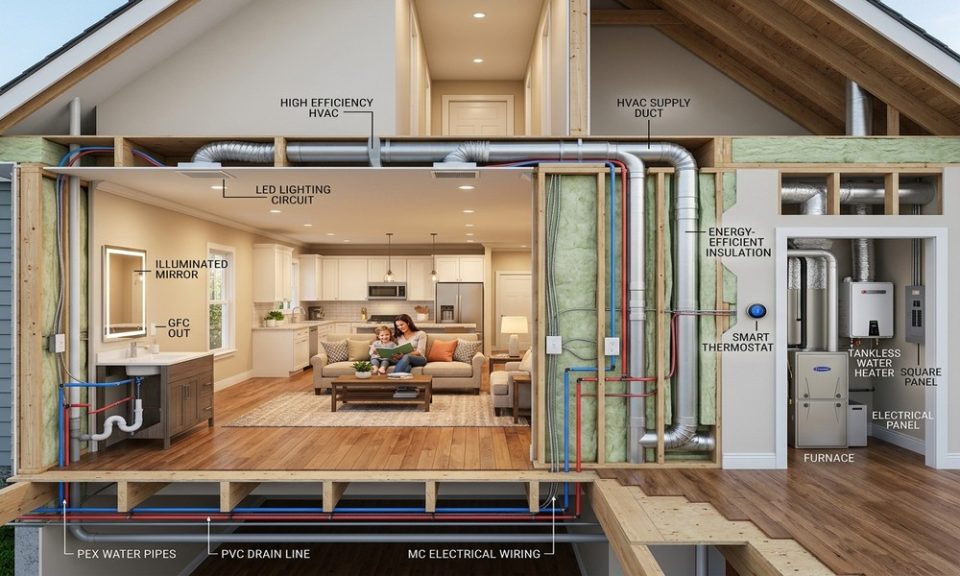
Prioritizing Essential Home System Upgrades
When we picture home renovations, new countertops, fresh paint, or stylish decor often come to mind first. These aesthetic changes are exciting. But beneath the surface, your home’s core systems are the true foundation of its comfort, safety, and efficiency.
Neglecting these hidden workhorses – your plumbing, HVAC, and electrical systems – can lead to costly problems down the road. Upgrading them during a renovation is a strategic investment. It ensures your home isn’t just beautiful, but also robust, energy-efficient, and ready for the future.
In this comprehensive guide, we’ll delve into why prioritizing these essential upgrades is crucial. We’ll explore how modernizing our HVAC system can improve air quality. We’ll also see how updating our plumbing can prevent future headaches. And we’ll learn how enhancing our electrical system powers our contemporary lifestyle. We’ll show you how smart choices in these areas can boost your home’s longevity and value.
The heating, ventilation, and air conditioning (HVAC) system is arguably the most critical component for a home’s comfort and energy profile. An outdated HVAC system can be a significant drain on your wallet and a detriment to your indoor environment. During an interior renovation, tackling an HVAC upgrade presents a golden opportunity to integrate new, more efficient technology that enhances energy efficiency, improves air quality, and ensures consistent climate control throughout your home. This is more than just comfort; it’s about creating a healthier, more cost-effective living space. For more detailed insights into optimizing your climate control, exploring resources on HVAC Home System Upgrades can provide valuable perspectives on making informed decisions.
Improving Air Quality and Comfort
Modern HVAC systems go far beyond simply heating and cooling. They are integral to maintaining superior indoor air quality. Older systems often recirculate dust, allergens, and pollutants. In contrast, new units can be equipped with advanced filtration, such as HEPA filters, which capture microscopic particles and significantly reduce airborne allergens. Integrated ventilation systems ensure a steady supply of fresh air, expelling stale indoor air and reducing humidity. Smart sensors can detect changes in air quality and adjust ventilation accordingly, creating a consistently healthy and comfortable atmosphere. This proactive approach to air management is especially beneficial for households with allergy sufferers or respiratory sensitivities.
Maximizing Energy Performance
Upgrading your HVAC system is one of the most impactful ways to reduce your home’s energy consumption. High-efficiency heat pumps, for instance, offer both heating and cooling capabilities using significantly less energy than traditional furnaces and air conditioners. Paired with variable-speed motors, these systems can precisely adjust their output to meet demand, avoiding the energy waste associated with on-off cycling. Programmable or smart thermostats further optimize energy use by learning your habits and adjusting temperatures automatically. Beyond the unit itself, ensuring proper attic insulation and sealing air leaks can shave up to 10% off annual energy bills. The synergy between a new HVAC system, robust insulation, and sealed ductwork creates a tightly controlled environment that minimizes energy loss, translating into substantial long-term savings.
Modernizing Plumbing for Longevity and Performance
Plumbing is the silent workhorse of your home, often overlooked until a problem arises. During an interior renovation, we have an unparalleled opportunity to address potential plumbing issues proactively, ensuring long-term reliability and preventing costly water damage. Older homes, especially those with galvanized steel or polybutylene pipes, are ticking time bombs for corrosion, leaks, and inconsistent water pressure. Upgrading to modern materials like PEX or copper piping offers superior corrosion resistance, enhances water pressure, and significantly reduces the risk of leaks. This investment in your home’s infrastructure provides peace of mind and contributes to its overall value. For professional guidance on installing new fixtures and optimizing your water system, consider consulting experts in Counsil Plumbing expert faucet installation.
High-Value Fixture Updates
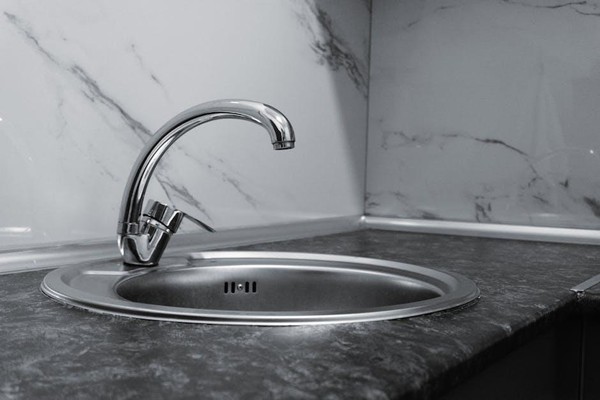
Beyond the pipes themselves, updating plumbing fixtures throughout your home can yield significant benefits in terms of water conservation, functionality, and aesthetics. Low-flow toilets, for example, use significantly less water per flush (often 1.28 gallons per flush (GPF) compared to older 3.5 GPF models), drastically reducing your water bill and environmental footprint. Aerated faucets and efficient showerheads achieve similar water savings without compromising performance. Incorporating touchless technology in kitchen and bathroom faucets adds a layer of hygiene and convenience. When selecting new fixtures, we consider both their water efficiency and how seamlessly they integrate with the renovated space’s design, adding both practical and aesthetic value.
Advanced Water Heating Solutions
Your water heater is typically the second-highest energy consumer in your home. Upgrading this appliance during a renovation can lead to substantial energy savings. Traditional tank water heaters, while common, continuously heat a large volume of water, leading to standby energy losses. Modern alternatives offer superior efficiency:
Feature Traditional Tank Water Heater Tankless Water Heater Heat Pump Water Heater Heating Method Stores and continuously heats a reservoir of water. Heats water on demand as it flows through the unit. Transfers heat from the air to heat water. Energy Efficiency Lower efficiency due to standby heat loss. Highly efficient, no standby loss. Very high efficiency, uses electricity to move heat. Cost Savings Moderate operating costs. Significant savings on energy bills. Significant savings on energy bills (up to $550/year). Hot Water Supply Limited by tank size; can run out during peak demand. Endless supply of hot water, on demand. Ample supply, but recovery time can be longer than tankless. Lifespan 10-15 years. 20+ years. 10-15 years. Space Required Large, bulky tank. Compact, wall-mounted unit. Larger than standard tank; needs adequate air space. Installation Relatively straightforward replacement. More complex, may require gas line or electrical upgrades. More complex, requires specific environmental conditions. Environmental Impact Higher carbon footprint due to continuous heating. Lower carbon footprint due to on-demand heating. Very low carbon footprint, highly sustainable. Initial Cost Lower. Higher. Higher. Heat pump water heaters, in particular, are incredibly efficient, saving an average household of four about $550 annually compared to conventional electric models. For those with suitable sun exposure, integrating solar hot water systems can further reduce reliance on traditional energy sources. These advanced solutions not only provide rapid and reliable hot water but also free up valuable space and contribute significantly to your home’s overall energy efficiency.
Enhancing Safety with Electrical System Modernization
In our increasingly connected world, our homes demand more power than ever before. Older electrical systems, often designed for a handful of appliances and basic lighting, can quickly become overwhelmed by modern electronics, smart devices, and high-demand appliances. This overload isn’t just an inconvenience; it’s a significant safety hazard, increasing the risk of electrical fires and damage to sensitive electronics. During a renovation, upgrading your home’s electrical system is paramount for enhancing safety, increasing capacity, and ensuring your home can comfortably support contemporary technology. This includes everything from the main electrical panel to the outlets in your walls. For comprehensive guidance on ensuring your home’s electrical infrastructure is up to par, exploring resources on Home electrical upgrades can be incredibly helpful.
Powering the Modern Household
A modern electrical system is designed for convenience and capacity. We’re talking about more than just adding extra outlets; it’s about smart placement and specialized circuits. USB-integrated outlets are a simple yet effective upgrade, eliminating the need for bulky adapters and streamlining device charging. Smart switches allow for remote control and automation of lighting, adding both convenience and energy savings. For dedicated workspaces, ensuring ample, easily accessible power is crucial, especially with the rise of remote work, with statistics showing 23% of the U.S. workforce working from home in late 2025. Furthermore, preparing your home for future electric vehicle charging by installing dedicated circuits and appropriate wiring is a forward-thinking investment that enhances functionality and resale value.
Safety and Code Compliance
Safety is the cornerstone of any electrical upgrade. Outdated wiring, ungrounded outlets, and insufficient circuit capacity are all potential fire hazards. During a renovation, we focus on bringing your electrical system up to current code standards. This includes installing Ground Fault Circuit Interrupter (GFCI) outlets in wet areas like kitchens and bathrooms to prevent electrocution, and Arc Fault Circuit Interrupter (AFCI) protection to guard against electrical fires caused by arc faults. Comprehensive wiring inspections ensure all connections are secure and insulation is intact. Upgrading to a smart breaker panel provides better load management, automatically detecting and isolating faults, and often includes surge protection for your entire home. Proper labeling of circuits is also crucial for safety and ease of maintenance. These upgrades not only protect your family and property but also ensure compliance with local regulations, which is vital for insurance and future resale.
Integrating Smart Technology for Future-Proof Living
The concept of a “smart home” has evolved from futuristic fantasy to everyday reality. Integrating smart home technologies during a renovation transforms a static living space into a dynamic, responsive environment. These systems offer unparalleled convenience, enhanced security, and significant energy savings, all controlled from the palm of your hand or with a simple voice command. By weaving connectivity, remote access, automated scheduling, and system integration into the fabric of your home, we create a truly future-proof living experience. Wireless protocols like Zigbee and Thread facilitate seamless communication between devices, often without the need for extensive new wiring, making retrofit automation easier than ever.
Smart Home System Upgrades for Security
Home security has been revolutionized by smart technology. Upgrading your security system during a renovation means embracing a network of interconnected devices designed to protect your home. Video doorbells allow you to see and speak to visitors from anywhere, while motion-activated lighting deters intruders and enhances safety around your property. Smart locks provide keyless entry and remote access control, letting you grant temporary access to guests or service providers. Perimeter cameras, often equipped with advanced AI detection, offer continuous monitoring and alerts for suspicious activity. Glass break sensors add another layer of protection, instantly detecting forced entry. These integrated systems, often accessible via a single app, provide comprehensive peace of mind, a feature rated as essential by 76% of recent homebuyers.
Energy-Efficient Home System Upgrades
Smart technology isn’t just about convenience; it’s about intelligent resource management. Integrating energy-efficient smart home upgrades can lead to substantial cost savings and a reduced environmental footprint. Smart irrigation systems, for instance, use local weather data to water your lawn only when necessary, preventing waste. Automated window treatments can be programmed to open and close based on sunlight, optimizing natural light and reducing the need for heating or cooling. Intelligent thermostats, like the Ecobee Smart Thermostat Premium, learn your schedule and preferences, adjusting temperatures to maximize comfort while minimizing energy use, potentially reducing heating and cooling consumption by up to 15%. Energy monitoring systems provide real-time data on your consumption, empowering you to make informed decisions. Even smart lighting scenes can optimize power usage by dimming or turning off lights in unoccupied rooms. These upgrades contribute to a more sustainable lifestyle and demonstrably lower utility bills.
Frequently Asked Questions about Home System Upgrades
Which home systems offer the highest return on investment?
Core functional improvements like updated garage doors, modernized HVAC, and energy-efficient windows typically provide the most significant boost to resale value and daily utility. For instance, a new garage door can return 90-95% of its cost, and replacing old windows with ENERGY STAR certified ones lowers household energy bills by an average of 12%. Minor kitchen and bathroom remodels also offer strong returns, averaging 60-70% ROI, sometimes even exceeding 100% for minor kitchen updates.
How do system upgrades improve indoor health?
Modernizing HVAC with advanced filtration, such as HEPA filters, significantly reduces airborne allergens, dust, and pollutants, leading to cleaner air. Replacing old plumbing pipes, especially corroded galvanized ones, ensures that water delivered to your taps is free from rust and contaminants, providing cleaner, safer water throughout the home for drinking, bathing, and cooking.
Can existing security systems be modernized without a full replacement?
Yes, many older systems can be updated by replacing the control panel with a newer model that supports smartphone integration and touchscreen interfaces. Wireless modules can be added to integrate existing sensors with contemporary smart home platforms and mobile apps, providing remote monitoring and control without the need for extensive rewiring. This approach leverages existing infrastructure while gaining modern features.
Conclusion
Embarking on a home renovation is a significant undertaking, and while the allure of cosmetic changes is strong, we believe that a truly transformative renovation prioritizes the unseen heroes: your home’s core systems. Professional planning and execution of these upgrades are paramount. By focusing on system synergy – ensuring your HVAC, plumbing, and electrical systems work together efficiently – we not only enhance daily comfort and safety but also pave the way for sustainable living.
Investing in these essential home system upgrades is a strategic move that significantly boosts your property’s value, future-proofs it against evolving technological demands, and establishes a robust foundation for years to come. It’s about more than just fixing what’s broken; it’s about optimizing your home for peak performance and longevity. A well-planned maintenance strategy, coupled with expert consultation during the renovation phase, ensures that your home is not just beautiful on the surface, but fundamentally sound and efficient at its core.
