
Takeaways
- Seasonal checks can reveal airflow, temperature, moisture, and performance problems before peak summer heat or winter cold sets in.
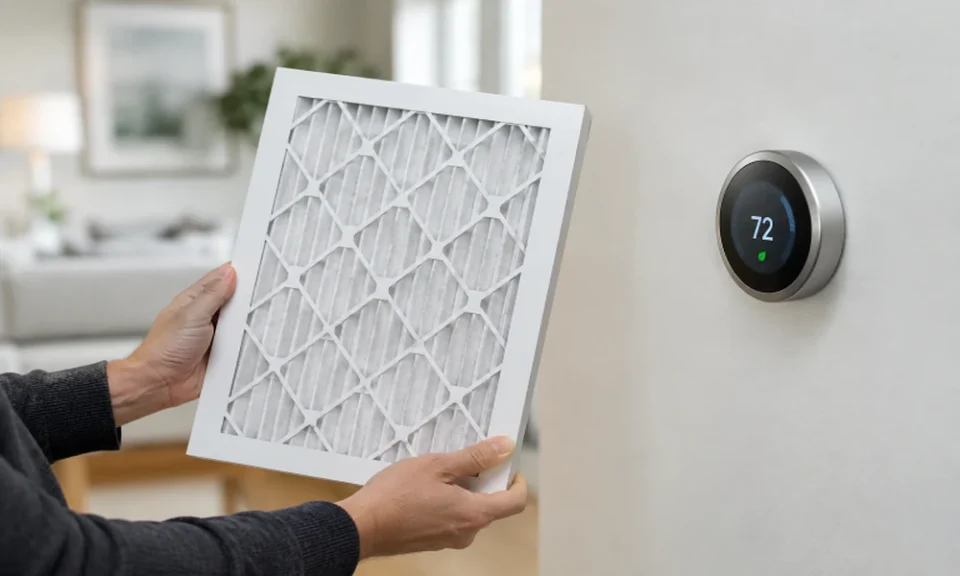
- Homeowners can safely change filters, clear accessible vents, review thermostat settings, and remove outdoor debris.
- Electrical work, refrigerant concerns, gas equipment, combustion issues, and major duct repairs require trained professionals.
- Indoor air quality depends on moisture control, ventilation, cleaning habits, and pollutant sources, not filtration alone.
- A simple maintenance log makes recurring noises, odors, leaks, and uneven temperatures easier to explain during service visits.
Shreveport homes can experience long cooling seasons, humid stretches, sudden storms, and chilly winter nights. A practical heating & cooling routine helps homeowners notice comfort, airflow, drainage, and safety concerns before the weather puts the system under greater demand.
Seasonal care does not require homeowners to take apart equipment or diagnose every mechanical issue. It means handling safe, visible tasks, keeping a record of changes, and knowing when a qualified technician should inspect the system.
Why Seasonal HVAC Care Matters
Heating and cooling equipment works differently throughout the year. Air conditioners may run for extended periods during Shreveport heat and humidity, while furnaces and heat pumps need dependable operation when colder weather arrives. Dirty filters, blocked registers, drainage problems, and thermostat errors can contribute to weak airflow, uneven room temperatures, unusual odors, or longer run times. Routine care cannot prevent every breakdown, but it can make performance changes easier to catch early.
Spring: Prepare for Cooling Season
Before regular cooling begins, replace or clean the filter according to the equipment manual and household conditions. Homes with pets, renovation dust, or frequent filter buildup may need more frequent checks. Clear leaves, grass clippings, and loose debris from around the outdoor unit without bending fins or opening panels. Indoors, make sure supply registers and return grilles are open and not covered by furniture, rugs, or storage.
Test the thermostat in cooling mode on a mild day, then listen for unusual startup sounds and look for standing water around indoor equipment. Repeated cycling, weak airflow, or trouble starting are reasons to arrange an inspection. For homeowners planning a broader HVAC review, spring is also a useful time to write down room-to-room temperature differences and any comfort concerns from the previous summer.
Summer: Manage Heat, Humidity, and Airflow
During hot weather, keep windows and exterior doors closed while the system is operating, and avoid abrupt thermostat changes that can make maintaining comfort harder. Check filters monthly and keep vents clear. If indoor air feels unusually damp, windows develop persistent condensation, or a musty smell appears, investigate promptly. Moisture can come from drainage issues, building leaks, plumbing problems, or insufficient humidity control.
Warm air from vents, ice on refrigerant lines, water leaks, grinding sounds, or repeated on-and-off operation should not be ignored. Do not scrape ice from coils or attempt to handle refrigerant. Turn the system off if recommended by a qualified professional and seek service rather than risking damage to equipment or injury.
Fall: Shift From Cooling to Heating
Fall offers a chance to check heating operation before the first sustained cold spell. Test the thermostat in heating mode, replace a dirty or overdue filter, and confirm that returns and supply vents remain unobstructed. Look over visible duct sections for obvious loose connections, crushed areas, or damage, but leave sealed duct repairs to a professional.
- Keep storage, rugs, and household items away from furnaces, air handlers, and vents.
- Note any delayed starts, unusual smells, or sounds when heat first comes on.
- Schedule a professional inspection for fuel-burning equipment, heat pumps, or systems with persistent warning signs.
Winter: Focus on Safe, Reliable Heat
Common winter concerns include cold rooms, short cycling, new noises, and frequent restarts. A brief dusty smell when heating starts after a long period of disuse can occur, but a persistent electrical, chemical, or gas odor deserves immediate attention. Keep smoke alarms and carbon monoxide alarms working, and follow their manufacturer’s instructions for testing and replacement.
Never block heating vents or use them to dry clothing, towels, or other items. If a gas leak or carbon monoxide issue is suspected, leave the home, avoid operating electrical switches or appliances, and contact emergency services or the gas utility from a safe location.
Indoor Air Quality Is More Than a Filter
Filters can capture particles, but they are only one part of indoor air care. The EPA identifies source control, ventilation, and filtration as core approaches for improving indoor air quality. Dust, pets, cleaning products, outdoor air, damp materials, and household activities can all affect the air inside a home.
A higher-rated filter is not automatically appropriate for every system because filter selection must match the equipment’s design and the manufacturer’s guidance. Address damp areas, water leaks, and recurring musty odors. If using a portable air cleaner or ventilation product, choose one sized for the room where it will be used.
Simple Monthly Checks for Homeowners
- Inspect the filter and record when it was changed.
- Confirm that supply registers and return grilles are clear.
- Listen for new rattling, buzzing, squealing, or grinding sounds.
- Compare room temperatures and note newly uncomfortable areas.
- Look for water, rust, or ice near accessible HVAC components.
- Record unusual odors, thermostat changes, and repeated system restarts.
What a Professional Seasonal Checkup May Include
A qualified technician may review thermostat operation, electrical connections, blower performance, condensate drainage, accessible coils, safety controls, and heating components. For applicable systems, service may also include refrigerant evaluation, leak testing, combustion checks, and venting inspection. The maintenance checklist for seasonal equipment care recommends pre-season cooling checks in spring and heating checks in fall.
Warning Signs That Need Prompt Attention
- The system cannot reach the thermostat setting.
- One or more rooms are consistently much warmer or colder than others.
- Water, ice, rust, weak airflow, or unfamiliar noises appear.
- The equipment cycles repeatedly within a short period.
- A burning, electrical, gas, or persistent musty odor develops.
Common Questions Homeowners Ask
How often should an HVAC system be serviced?
Service needs vary by equipment type, age, usage, local conditions, and manufacturer instructions. Seasonal pre-checks are a practical planning point for systems used for both heating and cooling.
Can homeowners perform HVAC maintenance?
Filter replacement, clearing debris, keeping vents open, and monitoring visible changes are generally appropriate homeowner tasks. Work involving electricity, gas, refrigerant, combustion, or sealed components should be left to trained professionals.
Does a new filter solve poor indoor air quality?
Not by itself. Filtration can help, but moisture management, source control, ventilation, and regular cleaning also matter.
When should a system be repaired or replaced?
Consider repair cost, age, reliability, efficiency, comfort, and anticipated future service needs together. A technician can help identify whether a repair addresses the underlying cause or only a symptom.
Conclusion
A seasonal routine gives Shreveport homeowners a manageable way to maintain comfort and safer operation year-round. Regular checks, clear notes, clean airflow paths, and timely professional help can make it easier to respond when heating or cooling performance changes.
