
The Core Pillars of Property Maintenance and Safety
Property ownership, whether residential or commercial, is a significant investment that comes with a profound responsibility: ensuring the safety, functionality, and longevity of the asset. This commitment extends beyond mere aesthetics; it directly impacts occupant well-being, property value, and legal compliance. Effective property maintenance is the strategic framework that enables owners and managers to uphold these responsibilities, transforming potential liabilities into enduring assets.
At its heart, property maintenance is the systematic process of preserving a property’s condition, keeping it safe, and ensuring it remains in good working order for all occupants. Neglecting this crucial aspect can lead to a cascade of negative consequences, from minor inconveniences to catastrophic failures, health hazards, and substantial financial losses. Conversely, a proactive approach safeguards the building’s structural integrity, enhances its market value, and fosters a secure, comfortable environment for tenants or residents.
The lifecycle of property maintenance is dynamic, encompassing various types of interventions designed to address different stages of a building’s wear and tear. Understanding these distinctions is fundamental to developing a robust and cost-effective maintenance strategy.
Defining Maintenance Categories
Property maintenance can generally be categorized into several key types, each serving a distinct purpose in preserving the asset:
- Preventive Maintenance: This involves scheduled tasks performed regularly to reduce the risk of failures and extend the lifespan of systems and components. Examples include annual HVAC tune-ups, routine gutter cleaning, and periodic testing of safety devices. This proactive approach is often the most cost-effective, as it prevents minor issues from escalating into major, expensive repairs.
- Planned Maintenance: Similar to preventive, planned maintenance refers to scheduled work that is non-urgent but necessary, often based on equipment manufacturer recommendations or anticipated wear. This allows for budgeting and resource allocation in advance, minimizing disruption.
- Condition-Based Maintenance: This type of maintenance is triggered by the early detection of an impending failure, often through monitoring or inspections. For instance, addressing a small roof leak before it causes extensive water damage, or servicing an HVAC unit that shows early signs of strain.
- Reactive Maintenance: Also known as corrective maintenance, this occurs when a component or system has already failed and requires immediate repair. While sometimes unavoidable, a high reliance on reactive maintenance is often a sign of insufficient preventive planning, leading to higher costs, greater inconvenience, and potential safety risks.
- Emergency Repairs: A subset of reactive maintenance, these are urgent repairs required to address immediate threats to safety, habitability, or property integrity, such as a burst pipe or a complete electrical outage. These are typically the most expensive due to their unplanned nature and the need for rapid response.
- Routine Upkeep: These are day-to-day tasks like cleaning, minor landscaping, and garbage disposal that contribute to the property’s overall appearance and hygiene.
- Deferred Maintenance: This refers to necessary repairs or upkeep that have been postponed, often due to budget constraints or oversight. While seemingly saving money in the short term, deferred maintenance invariably leads to accelerated deterioration, increased costs down the line, and potential safety hazards.
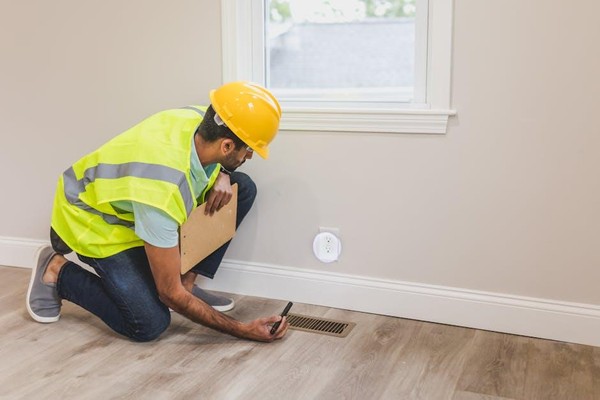
Studies consistently show that prioritizing preventive maintenance can save property owners significantly, often 3 to 5 times the cost of reactive repairs over time. For example, a routine HVAC service, costing a few hundred dollars, can prevent a mid-season system failure that could cost thousands in emergency repairs and potential tenant dissatisfaction.
Compliance with International Standards
Beyond aesthetic and functional considerations, property maintenance is heavily regulated to ensure public safety and welfare. The International Property Maintenance Code (IPMC), adopted by many jurisdictions, sets minimum standards for the maintenance of existing buildings. This code is designed to protect the health, safety, and welfare of occupants and the general public.
The IPMC covers a broad spectrum of property elements, including:
- Exterior Structure: Requirements for sound foundations, walls, roofs, and exterior surfaces to prevent deterioration and ensure structural integrity.
- Plumbing Systems: Standards for functional and sanitary plumbing fixtures, hot water supply, and drainage systems, free from leaks and blockages.
- Mechanical Systems: Mandates for safe and operational heating, ventilation, and air conditioning (HVAC) systems.
- Electrical Systems: Requirements for safe wiring, outlets, and electrical panels, free from hazards like exposed wires or overloaded circuits.
- Sanitary Facilities: Provisions for adequate and sanitary toilet and bathing facilities.
- Fire Safety Equipment: Requirements for functional smoke detectors, carbon monoxide alarms, and fire extinguishers, as well as clear emergency egress routes.
- Light and Ventilation: Standards for natural or mechanical light and ventilation in habitable spaces.
Adherence to the IPMC and related “I-Codes” (such as the International Building Code and International Fire Code) is not merely a suggestion; it is a legal obligation for landlords and property managers. Ignorance of these laws is not a valid defense against violations. Consulting with legal professionals and staying informed about local housing regulations is crucial to ensure ongoing compliance and mitigate potential liabilities. By proactively maintaining properties to these standards, we not only ensure safety but also protect our investments from legal challenges and costly penalties.
Optimizing HVAC and Electrical Systems for Long-Term Security
The HVAC (Heating, Ventilation, and Air Conditioning) and electrical systems are the lifeblood of any property, directly impacting occupant comfort, safety, and operational costs. Their proper functioning is paramount, particularly in regions like Houston, where extreme temperatures place significant demands on these critical infrastructures. Proactive maintenance and regular inspections are not just good practice; they are essential for long-term security and efficiency.
Proactive Property Maintenance and Safety for HVAC Systems
A well-maintained HVAC system is crucial for indoor air quality, temperature control, and energy efficiency. Neglecting these systems can lead to uncomfortable living conditions, skyrocketing utility bills, and premature equipment failure. Our commitment to maximizing Dickinson AC longevity through diligent maintenance exemplifies the importance of this proactive approach.
Key proactive tasks for HVAC systems include:
- Filter Replacement: Air filters should be checked monthly and replaced every 1-3 months, depending on usage and occupancy. Clogged filters restrict airflow, reduce efficiency, and strain the system, potentially leading to breakdowns.
- Thermostat Calibration: Ensuring thermostats are accurately calibrated guarantees precise temperature control and prevents unnecessary energy consumption. Smart thermostats can further optimize energy usage.
- Condensate Drain Cleaning: The condensate drain line can become clogged with algae and mold, leading to water backups, leaks, and potential water damage. Regular flushing keeps it clear.
- Ductwork Integrity: Inspecting ductwork for leaks or disconnections prevents conditioned air from escaping, ensuring efficient distribution and improved indoor air quality (IAQ).
- Professional Tune-ups: Scheduling professional HVAC inspections and tune-ups twice a year (before the heating and cooling seasons) is vital. Technicians can clean coils, check refrigerant levels, inspect electrical components, and identify potential issues before they become costly repairs. This extends the system’s lifespan and maintains optimal performance.
These measures not only enhance comfort and reduce energy consumption but also prevent the kind of emergency repairs that can be disruptive and expensive, especially during peak seasons.
Electrical Infrastructure and Fire Prevention
Electrical systems are foundational to modern living, yet they pose significant risks if not properly maintained. Home electrical fires account for a substantial number of incidents annually, causing deaths, injuries, and billions in damages. This underscores the critical need for vigilance and professional oversight.
Essential practices for electrical safety and longevity include:
- Wiring Inspections: Older properties, in particular, should undergo periodic wiring inspections to identify outdated or damaged wiring that could pose a fire hazard.
- Electrical Panel Safety: Regular checks of the electrical panel for signs of rust, damage, or overheating are crucial. Panels over 20 years old should be inspected by a qualified electrician to ensure they can safely handle modern electrical loads. Upgrading an outdated electrical panel can significantly enhance safety and capacity.
- GFCI Outlets: Ground Fault Circuit Interrupter (GFCI) outlets are designed to prevent electrical shock in areas prone to moisture, such as bathrooms, kitchens, and outdoor spaces. Regular testing ensures they are functioning correctly.
- Arc-Fault Circuit Interrupters (AFCI): AFCIs are circuit breakers that detect dangerous electrical arcs that could lead to fires and quickly shut off power. They are increasingly required in new constructions and renovations.
- Surge Protection: Whole-home surge protectors safeguard valuable electronics and appliances from power surges, which can cause significant damage.
- National Electrical Code (NEC) Compliance: All electrical work, from minor repairs to major installations, must adhere to the National Electrical Code (NEC) and local building codes. This ensures installations meet the highest safety standards.
- Warning Signs of Electrical Failure: Property owners and occupants should be educated to recognize warning signs such as flickering lights, buzzing sounds from outlets or switches, warm outlets or switch plates, frequent circuit breaker trips, burning smells, or visible wiring damage. These indicators should prompt immediate professional attention.
Professional electricians, licensed and insured, are indispensable for inspecting, maintaining, and upgrading electrical systems. Their expertise ensures that all components are up to code, functioning safely, and capable of meeting the property’s demands, drastically reducing the risk of electrical fires and other hazards.
Environmental Safeguards: Mold Inspections and Air Quality
Beyond the visible structure and mechanical systems, the invisible threats of poor indoor air quality and mold growth can severely impact occupant health and property integrity. Environmental safeguards are a critical component of comprehensive property maintenance and safety, requiring diligent attention to moisture control, ventilation, and regular inspections.
Moisture is the primary catalyst for mold growth, which can lead to respiratory issues, allergies, and structural damage. Preventing and promptly addressing water intrusion is paramount. This includes:
- Leak Detection: Regular inspections for plumbing leaks, roof leaks, and appliance leaks are essential. Even small, hidden leaks can create ideal conditions for mold. Water sensors can provide early warnings for leaks in critical areas.
- Humidity Management: Maintaining indoor humidity levels between 30-50% can inhibit mold growth. This might involve using dehumidifiers in humid climates or ensuring HVAC systems are properly sized and functioning.
- Ventilation Systems: Adequate ventilation in bathrooms, kitchens, and laundry areas helps remove excess moisture and airborne pollutants. Ensuring exhaust fans are clean and operational is key.
- Moisture Control: Addressing any sources of moisture, such as condensation on windows, damp basements, or improper drainage around the foundation, is crucial.
Should signs of mold appear, or if occupants report persistent musty odors or health issues, a professional and unbiased property mold inspection is advisable. These inspections can identify the type and extent of mold contamination, helping to guide appropriate remediation efforts and ensure the safety of the indoor environment.
Mitigating Risks through Property Maintenance and Safety Protocols
Beyond environmental factors, direct safety devices play an indispensable role in protecting occupants from immediate dangers. These devices require regular testing and maintenance to ensure their reliability.
- Smoke Detectors: These life-saving devices should be installed on every level of the property, inside and outside sleeping areas. The National Fire Protection Association (NFPA) recommends testing smoke detector batteries monthly and replacing the entire unit every 10 years.
- Carbon Monoxide Alarms: Often called the “silent killer,” carbon monoxide is an odorless, colorless gas produced by incomplete combustion. Alarms should be installed near sleeping areas and on every level. Like smoke detectors, they require regular testing and battery replacement.
- Fire Extinguishers: At least one multi-purpose fire extinguisher should be readily accessible in a central location, such as the kitchen. Occupants should know how to use it, and it should be inspected annually to ensure it is charged and in good working order.
- Emergency Egress Routes: All exits, including windows and doors, must be clear and unobstructed to allow for safe evacuation in an emergency. Locks should be functional and easy to operate from the inside without a key.
Regular checks of these safety devices are non-negotiable. They are simple tasks that can have profound impacts, providing precious minutes for evacuation and response during an emergency.
Preventing Structural and Water Damage
The structural integrity of a property and its resilience against water damage are fundamental to its long-term viability. Proactive measures can prevent costly repairs and ensure the building remains sound.
- Roof Inspections: The roof is the first line of defense against the elements. It should be inspected at least twice a year (in spring and fall) and immediately after severe weather events. Look for missing or damaged shingles, compromised flashing around chimneys and vents, and signs of wear. Early detection of minor issues can prevent major leaks and extensive interior damage.
- Gutter Maintenance: Clogged gutters and downspouts can lead to water overflowing and pooling around the foundation, causing erosion, basement flooding, and structural issues. Regular cleaning is essential.
- Foundation Monitoring: Periodically inspect the foundation for cracks, shifting, or moisture intrusion. Signs of foundation issues can indicate underlying problems that require professional assessment.
- Window Sealing and Weatherstripping: Damaged seals or worn weatherstripping around windows and doors can lead to water leaks, drafts, and increased energy costs. Repairing or replacing these elements improves energy efficiency and prevents moisture entry.
- Sump Pump Testing: In properties with basements or crawl spaces, sump pumps are critical for preventing flooding. They should be tested regularly, especially before heavy rain seasons, to ensure they activate properly.
By diligently addressing these structural and water-related aspects, we can protect the property from gradual deterioration and sudden, catastrophic damage, preserving its value and ensuring a safe environment.
Seasonal Maintenance Strategies for Houston Area Properties
The unique climate of the Houston area, characterized by hot, humid summers, occasional hurricanes, and mild but sometimes freezing winters, necessitates a tailored approach to property maintenance. Adapting maintenance schedules to the seasons is crucial for protecting properties from weather-related damage, optimizing energy efficiency, and ensuring year-round occupant comfort and safety.
A comprehensive seasonal maintenance plan helps anticipate and mitigate risks specific to the Gulf Coast region. This proactive strategy is far more effective and less costly than reacting to problems after they arise.
Spring and Summer Readiness (April 2026)
As spring transitions into the intense heat and humidity of summer, properties in the Houston area require specific attention:
- AC System Checks: This is paramount. Professional HVAC tune-ups should be scheduled in early spring to ensure the system is ready for heavy use. This includes cleaning coils, checking refrigerant levels, inspecting electrical components, and verifying thermostat accuracy. This helps maximize efficiency and prevent breakdowns during peak summer demand.
- Pool Maintenance: For properties with pools, regular cleaning, chemical balancing, and equipment checks are essential to ensure safety and hygiene.
- Exterior Pressure Washing: Cleaning siding, driveways, and walkways removes accumulated dirt, mold, and mildew, improving curb appeal and preventing surface deterioration.
- Irrigation System Testing: Inspecting sprinkler systems for leaks, clogged heads, and proper coverage ensures efficient watering and prevents water waste or over-saturation around foundations.
- Attic Insulation Inspection: Ensuring adequate attic insulation helps keep cooling costs down during summer. Check for proper ventilation to prevent heat buildup and moisture issues.
- Hurricane Preparedness: Given the region’s vulnerability, developing and practicing a hurricane preparedness plan is vital. This includes securing outdoor items, checking roof and window integrity, and ensuring emergency supplies are stocked.
Fall and Winter Protection
While winters are generally mild, occasional freezing temperatures can cause significant damage if properties are not adequately prepared. Fall maintenance focuses on transitioning from cooling to heating and preparing for potential cold snaps:
- Heating System Tune-ups: Just as with AC, professional heating system checks should occur in the fall. This ensures furnaces or heat pumps are operating safely and efficiently before the cooler months.
- Chimney Cleaning: For properties with fireplaces, annual chimney cleaning prevents creosote buildup, reducing the risk of chimney fires.
- Tree Trimming: Trimming tree branches away from the roof and power lines reduces the risk of damage during high winds or ice storms.
- Outdoor Faucet Protection: Disconnecting hoses and insulating outdoor faucets (hose bibs) prevents pipes from freezing and bursting during cold snaps.
- Draft Exclusion: Sealing gaps around windows and doors with caulk or weatherstripping prevents drafts, improves energy efficiency, and keeps cold air out.
- Winter Pipe Insulation: In areas prone to freezing, ensuring exposed pipes in unheated spaces (like crawl spaces or attics) are properly insulated is a critical step to prevent burst pipes. Educating tenants on how to prevent pipe freezing (e.g., keeping thermostats at a minimum of 55°F and dripping faucets during extreme cold) is also important.
- Pest Control: As temperatures drop, pests often seek shelter indoors. Sealing entry points and maintaining regular pest control services can prevent infestations.
- Landscaping and Drainage: Ensure proper grading and drainage to divert rainwater away from the foundation, especially before heavy fall rains.
By consistently implementing these seasonal strategies, property owners and managers can significantly reduce the likelihood of costly repairs, enhance energy efficiency, and provide a safe, comfortable environment for occupants throughout the year.
Legal Responsibilities and Tenant Communication
Property maintenance and safety are not just operational concerns; they are deeply intertwined with legal obligations and effective tenant relations. Landlords and property managers bear significant legal responsibilities to ensure their properties are safe and habitable, and how these responsibilities are communicated and managed directly impacts tenant satisfaction and retention.
At the core of landlord responsibilities is the warranty of habitability, which implies that a rental property must be fit for human habitation, safe, and free from hazards. This includes ensuring structural soundness, functional plumbing, safe electrical systems, adequate heating and cooling, and pest control. Failure to uphold this warranty can lead to legal disputes, fines, and even eviction proceedings. Additionally, compliance with the Fair Housing Act means that maintenance must be provided without discrimination.
Effective property management hinges on clear lease agreements that outline maintenance responsibilities for both landlord and tenant, as well as clear procedures for reporting issues. Robust maintenance request tracking systems and diligent vendor management are essential for demonstrating due diligence and protecting against liability. Comprehensive documentation of all maintenance activities, inspections, and repairs is not just a best practice; it’s a legal safeguard.
Handling Maintenance Requests
Tenant maintenance requests are often the primary indicator of issues that require attention. How these requests are handled can make or break the landlord-tenant relationship:
- Digital Portals: Implementing an online portal for tenants to submit maintenance requests streamlines the process, provides a clear record, and allows for easy tracking and communication.
- Response Timeframes: Establish clear and prompt response times for different types of issues (e.g., immediate for emergencies, 24-48 hours for urgent, 3-5 days for routine). Communicate these timeframes to tenants.
- Communication Transparency: Keep tenants informed about the status of their request, who will be performing the work, and when. Regular updates build trust and reduce frustration.
- Emergency Protocols: Have a clear plan for handling after-hours emergencies, including contact information for emergency services and vendors.
- Tenant Education: Educate tenants on minor upkeep tasks they can perform (e.g., changing light bulbs, clearing minor clogs) and how to prevent common issues like frozen pipes. Clearly differentiate between tenant-caused damage and normal wear and tear.
Promptly addressing maintenance issues not only fulfills legal obligations but also significantly improves tenant satisfaction, leading to longer lease renewals and a more positive living experience.
Best Practices for Hiring Contractors
While some minor repairs can be handled in-house, many property maintenance tasks, especially those involving critical systems like HVAC, plumbing, and electrical, require professional expertise. Hiring the right contractors is crucial:
- Licensed Professionals: Always hire contractors who are properly licensed for the specific trade in your state and locality. This ensures they meet minimum competency standards.
- Insured Vendors: Verify that contractors carry adequate liability insurance and workers’ compensation insurance. This protects you from financial responsibility in case of accidents or damage on your property.
- Background Checks: Especially for contractors who will be entering occupied properties, conducting background checks on their employees is a prudent safety measure.
- Service Warranties: Reputable contractors typically offer warranties on their work and materials. Understand the terms of these warranties before any work begins.
- Quality Control Audits: Periodically audit completed work to ensure it meets your standards and local codes.
- Multiple Bids: Obtain bids from multiple contractors for larger projects to ensure competitive pricing, but the lowest bid isn’t always the best. Quality, reputation, and reliability should also be key considerations.
- Clear Contracts: Always have a written contract that details the scope of work, timeline, cost, payment schedule, and warranty information.
By adhering to these best practices, property owners and managers can ensure that maintenance work is performed safely, efficiently, and to a high standard, protecting both the property and its occupants.
Frequently Asked Questions about Property Maintenance
We understand that property maintenance can raise many questions. Here, we address some of the most common inquiries to provide clarity and guidance.
How often should landlords conduct formal property inspections?
The frequency of formal property inspections can vary based on local regulations, property type, and tenant history. However, a general best practice for landlords is to conduct inspections at least annually. Many experts recommend twice a year, typically in the spring and fall, to prepare for seasonal changes and catch issues early. For critical systems like HVAC, plumbing, and electrical, more frequent checks (e.g., quarterly for HVAC filters or monthly for safety device tests) are advisable. Furthermore, inspections should always be conducted before a tenant moves in, after a tenant moves out, and potentially mid-tenancy to ensure lease compliance and identify deferred maintenance. Always check your state’s and local municipality’s laws regarding tenant notice for entry and inspection frequency, as these can vary.
What are the most common maintenance issues that lead to property damage?
Based on our experience and industry data, several common maintenance issues frequently escalate into significant property damage if left unaddressed:
- Water Leaks: These are arguably the most pervasive and damaging. Small leaks from plumbing, roofs, windows, or appliances can quickly lead to extensive water damage, mold growth, structural compromise, and costly repairs.
- HVAC Failures: Neglected HVAC systems can break down, leading to uncomfortable living conditions, frozen pipes in winter, or excessive humidity that fosters mold. The strain on an unmaintained system can also cause premature failure, requiring expensive replacement.
- Electrical Issues: Outdated wiring, overloaded circuits, or faulty outlets can pose serious fire hazards. Home electrical fires cause billions in damages annually.
- Roof Damage: Missing shingles, compromised flashing, or clogged gutters can lead to water penetration, damaging ceilings, walls, and insulation.
- Pest Infestations: Uncontrolled pests like rodents or insects can cause structural damage, chew through electrical wiring, contaminate food, and pose health risks.
- Foundation Problems: Cracks or shifts in the foundation can lead to widespread structural issues throughout the property, requiring very expensive and complex repairs.
Many of these issues start small and are easily preventable with proactive maintenance and regular inspections.
Which safety devices are legally required in rental properties?
While specific requirements can vary significantly by state, county, and city, most jurisdictions in April 2026 legally mandate the installation and maintenance of at least the following safety devices in rental properties:
- Smoke Detectors: Required on every level of the property, inside and outside sleeping areas. Landlords are typically responsible for installation and ensuring they are in working order at the start of a tenancy. Tenants may be responsible for testing and battery replacement during the lease term, but landlords should verify functionality during inspections.
- Carbon Monoxide (CO) Alarms: Often required in properties with fuel-burning appliances (furnaces, water heaters, gas stoves) or attached garages. They should be installed near sleeping areas and on every level.
- Fire Extinguishers: While not universally mandated in every rental unit, many local fire codes or landlord-tenant laws may require at least one multi-purpose fire extinguisher in common areas or kitchens.
It is imperative for landlords and property managers to consult their specific local building codes and landlord-tenant laws to ensure full compliance. Non-compliance can result in significant fines, legal liabilities, and, most importantly, put occupants at severe risk. Regular testing and maintenance of these devices are not just legal obligations but ethical imperatives.
Conclusion
As we navigate April 2026, the landscape of property ownership continues to emphasize the critical synergy between diligent maintenance and unwavering safety. The comprehensive approach to property care-encompassing everything from the routine upkeep of vital systems like HVAC and electrical, to environmental safeguards against mold, and strategic seasonal preparations-is no longer merely a suggestion; it is a cornerstone of responsible property management.
By embracing proactive management, property owners and managers not only protect their significant investments but also cultivate a safety-first culture that benefits everyone. This foresight minimizes costly reactive repairs, extends the lifespan of valuable assets, and significantly enhances occupant satisfaction and retention. Professional oversight, adherence to international codes like the IPMC, and transparent communication with tenants are the pillars upon which long-term property value and community well-being are built.
A commitment to comprehensive property maintenance and safety is an investment in stability, profitability, and peace of mind. It’s about ensuring that every property remains a secure, functional, and valuable space for years to come.
