
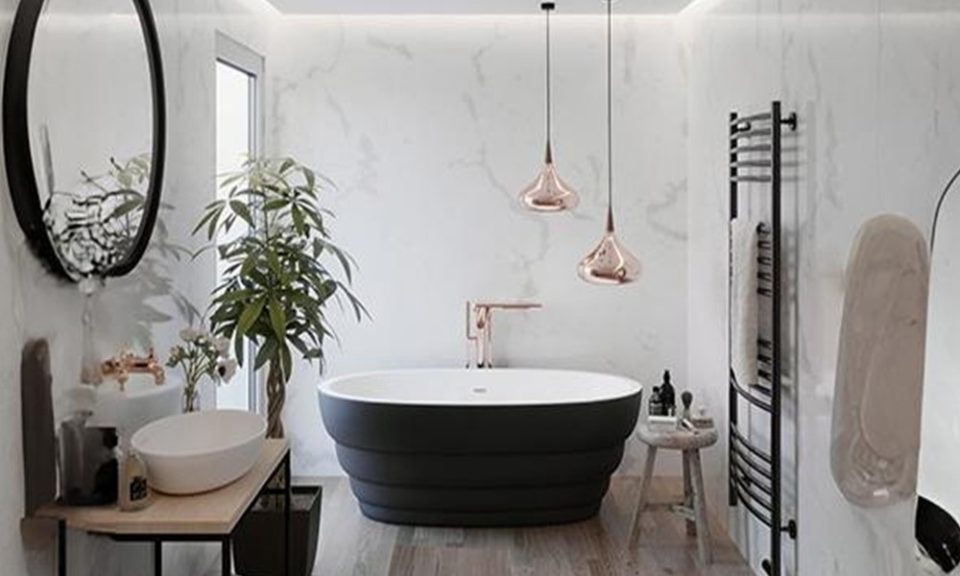
Sticker shock is often the first reaction when considering a freestanding bathtub. Yet, beyond the initial price tag lies a world of design, comfort, and long-term value that built-in tubs rarely match.
Myth 1: Freestanding Bathtubs Are Too Expensive for Most Budgets
Breaking Down the True Cost vs. Value
At first glance, freestanding tubs might seem like a splurge reserved for luxury spaces. Prices can range from budget acrylic models to high-end stone or copper creations. However, their value extends beyond cost. Unlike built-in tubs, a freestanding model acts as a sculptural centerpiece. This striking presence can instantly elevate the perceived value of your entire bathroom, often making it more appealing to potential buyers.
Long-Term Investment: Durability and Timeless Appeal
Quality freestanding tubs, such as those crafted from solid surface or stone resin, are built to last decades. Their timeless silhouettes rarely look dated, unlike some drop-in or alcove models tied to passing trends. Consider the lasting impact: a tub that looks as good in ten years as it does on installation day.
Myth 2: They Require Excessive Space and Don’t Fit Small Bathrooms
Space-Saving Designs and Creative Placement Ideas
Not every freestanding tub is a giant statement piece. Many manufacturers now offer compact versions that fit snugly into apartments or smaller homes. Clever placement, such as angling the tub toward a window, or tucking it into a corner, can make a petite bathroom feel more open, not less.
Visual Impact in Both Large and Compact Bathrooms
Freestanding tubs create an open, airy feeling because they aren’t boxed in by built-in surrounds. This effect works equally well in both sprawling ensuites and snug powder rooms. The space around the tub acts as negative space, making the bathroom appear larger than it actually is.
Myth 3: Installation Is Complicated and Costly
Simplifying Plumbing and Setup for Freestanding Tubs
There’s a common belief that freestanding tubs require complex plumbing or floor reinforcement. In most cases, installation is straightforward, especially with lighter acrylic or resin models. However, homeowners planning a larger bathroom upgrade may benefit from working with bathroom remodeling contractors in Charlotte, who can coordinate plumbing, flooring, fixtures, and the overall tub installation as part of a cohesive renovation.
Comparing Installation Costs to Built-in Alternatives
While built-in tubs require framing, tiling, and sealing, freestanding tubs typically just need a leveled floor and access to plumbing. The lack of a surround can save both time and money, evening out the initial price difference.
Myth 4: Maintenance and Cleaning Are More Difficult
Materials That Make Cleaning Easy
Gone are the days when a tub’s material dictated hours of scrubbing. Modern surfaces like acrylic, stone resin, or cast iron are non-porous and resistant to stains. Many freestanding tubs feature seamless designs with minimal crevices, cutting down on buildup.
Tips for Keeping Freestanding Tubs Spotless
Routine cleaning is as simple as a gentle wipe-down with mild soap and water. Unlike built-ins, there’s no risk of moldy grout lines or hard-to-reach corners, making maintenance less of a headache.
Myth 5: Freestanding Bathtubs Don’t Offer Comfort or Functionality
Ergonomic Designs Focused on User Comfort
Contemporary freestanding tubs are engineered for relaxation. Sloped backs, molded armrests, and deep soaking wells are common features, designed to cradle the body and encourage long, luxurious soaks.
Features Like Slopes, Armrests, and Depth Options
With options ranging from slipper tubs to Japanese-style soaking tubs, there’s a shape to suit every preference. Many brands, like Vasca design bathtubs, offer a range of ergonomic choices that blend style and comfort seamlessly.
Myth 6: They Don’t Match Modern Bathroom Styles
How Freestanding Tubs Complement Contemporary Designs
Minimalist? Industrial? Luxe? Freestanding tubs effortlessly fit into any aesthetic. Sleek silhouettes in matte black or crisp white work well within ultra-modern schemes, while sculpted clawfoot options suit more traditional tastes.
Versatile Styles from Minimalist to Ornate
From simple oval shapes to ornate sculptural pieces, the freestanding bathtub is a design chameleon. This flexibility means you don’t have to compromise your style vision for function.
Myth 7: Freestanding Bathtubs Are Just a Trend, Not a Long-Term Choice
Historical Popularity and Enduring Design Appeal
Freestanding tubs are hardly new. Think Victorian-era clawfoots or deep Japanese soaking tubs. Their enduring popularity speaks to a timelessness that few other fixtures can claim.
Why They Remain a Smart Choice for Future-Proofing Your Bathroom
Investing in a freestanding tub is less about chasing trends and more about embracing classic elegance. Their adaptability ensures they’ll look at home, even as decor preferences shift over the years.
Making the Decision: Are Freestanding Bathtubs Worth It for You?
Assessing Your Bathroom Space, Style, and Budget
The real question comes down to your lifestyle and space. Evaluate your bathroom’s layout, your design tastes, and what you value in day-to-day comfort. Consider how a freestanding tub might transform not just the look, but the feel of your home.
Final Thoughts on Investment and Enjoyment
For those seeking a blend of function, beauty, and long-term value, freestanding bathtubs deliver on all fronts. The upfront cost often pays dividends in daily enjoyment and lasting home appeal. If your space and budget allow, few upgrades make a more dramatic, satisfying impact on a modern bathroom.
