
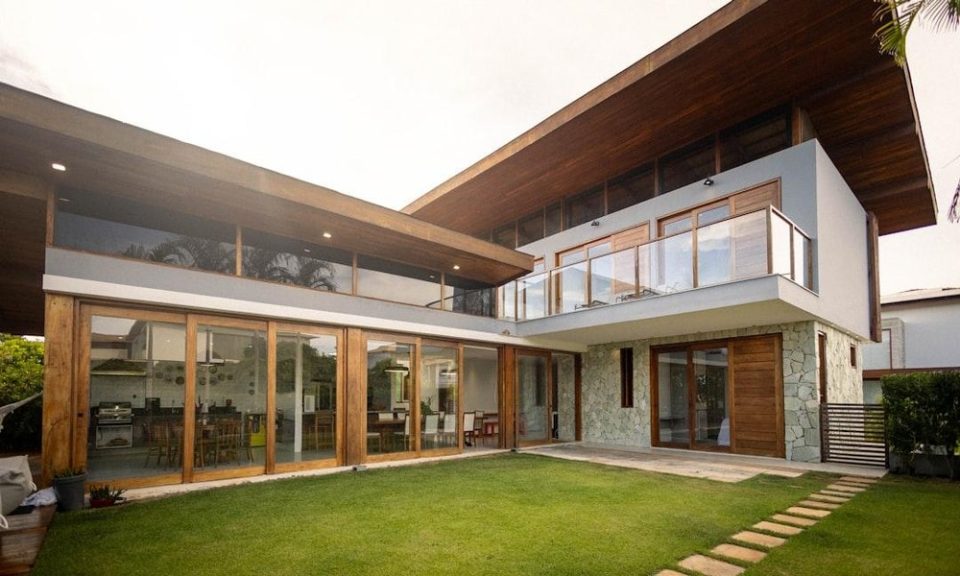
Enhancing Home Exteriors and Energy EfficiencyThe Role of Windows in Home Exteriors and Efficiency
Windows are often perceived as mere openings for light and views, but their role in a home’s energy performance is profound. They are critical components of the building envelope, acting as a primary interface between your indoor environment and the fluctuating outdoor climate. Inefficient windows can be a major source of energy loss, leading to uncomfortable drafts, temperature inconsistencies, and inflated utility bills. Conversely, high-performance windows are engineered to regulate thermal transfer, minimize solar heat gain in summer, and retain warmth in winter.
The effectiveness of a window is often measured by its U-factor, which indicates the rate of heat loss. A lower U-factor signifies better insulation properties. Air infiltration, the uncontrolled leakage of air through cracks and gaps around window frames, also significantly impacts efficiency. Modern windows are designed with advanced sealing techniques to drastically reduce this air leakage. Furthermore, they can be designed to reflect infrared light, helping to stabilize indoor temperatures. This reflection also plays a crucial role in preventing condensation on glass surfaces, a common issue with older, less efficient windows, especially in humid climates or during cold snaps. These features collectively ensure that your home’s interior remains comfortable and your HVAC system operates more efficiently.
Modern Window Technologies for Home Exteriors and Efficiency
The evolution of window technology has brought forth a suite of innovations that dramatically enhance performance.
- Low-E Coatings: These microscopic, metallic layers are applied to glass surfaces to reflect heat. In colder climates, Low-E coatings help retain indoor heat, while in warmer climates, they reflect solar heat away, reducing the need for air conditioning. They allow visible light to pass through while blocking harmful UV rays and infrared radiation.
- Inert Gas Fills: Instead of just air, the spaces between panes in double or triple-pane windows are often filled with inert gases like argon or krypton. These gases are denser than air and provide superior insulation, further reducing heat transfer by convection and conduction. Krypton, being denser, is particularly effective in narrower air spaces.
- Triple-Pane Glass: While double-pane windows are standard, triple-pane models offer up to 50% better insulation, according to industry statistics. The additional pane creates another insulating air or gas-filled cavity, significantly improving thermal performance and sound dampening.
- Warm-Edge Spacers: These non-metallic or low-conductance spacers separate the glass panes, reducing heat transfer at the edge of the glass. This helps minimize condensation and improves the overall U-factor of the window unit.
- Frame Materials: The frame itself plays a vital role. Modern frames made from vinyl or fiberglass provide superior insulation compared to traditional aluminum or wood. Vinyl is durable and low-maintenance, while fiberglass offers exceptional strength and stability, resisting expansion and contraction with temperature changes.
Impact on Interior Comfort and UV Protection
Beyond energy savings, upgrading to modern, energy-efficient windows profoundly impacts the quality of your indoor living environment. They contribute to a more consistent indoor temperature, eliminating uncomfortable hot and cold spots near windows. This stability reduces the workload on your heating and cooling systems, leading to a more comfortable home experience.
Moreover, the advanced coatings on energy-efficient windows, particularly Low-E glass, are highly effective at blocking harmful ultraviolet (UV) rays. This UV protection is crucial for preserving your interior furnishings, flooring, and artwork from fading and degradation over time. By reducing solar heat gain, these windows also help maintain a more pleasant ambient temperature, preventing rooms from overheating on sunny days. An added benefit is improved sound dampening, as the multiple panes and gas fills help to block exterior noise, creating a quieter, more serene indoor atmosphere.
Siding Materials and the Continuous Insulation Layer
Siding is more than just the aesthetic skin of your home; it’s a critical component of its thermal envelope, acting as a barrier against the elements and a key contributor to insulation. Its primary function, beyond curb appeal, is to protect the underlying structure from moisture, wind, and temperature fluctuations. When properly installed, modern siding systems create a continuous insulation layer that significantly reduces thermal bridging-the transfer of heat through less insulated components like wall studs. This continuous layer minimizes heat loss in winter and heat gain in summer, leading to substantial energy savings.
The effectiveness of siding in insulating your home is often measured by its R-value, which quantifies its thermal resistance; a higher R-value indicates better insulation. Beyond the siding material itself, a comprehensive siding system includes crucial elements like a weather-resistive barrier (WRB), often referred to as house wrap, which prevents moisture penetration while allowing water vapor to escape. Some advanced siding options, like insulated vinyl, incorporate expanded polystyrene (EPS) foam directly into their design, providing continuous insulation and further boosting the wall’s R-value. For homeowners seeking to enhance their home’s exterior performance, exploring options like those offered by Efficient St. Louis Exteriors can provide valuable insights into effective solutions.
Which Siding Materials Offer the Best Insulation Properties?
When selecting siding, balancing aesthetic appeal with insulation properties is key. Several materials stand out for their ability to enhance a home’s thermal performance:
- Insulated Vinyl Siding: This popular option integrates a layer of rigid foam insulation (often EPS) directly onto the back of the vinyl panels. This design provides continuous insulation, reducing thermal bridging through wall studs and significantly increasing the wall’s overall R-value. It’s also durable, low-maintenance, and available in a wide array of colors and styles.
- Fiber Cement Siding: Known for its durability, resistance to rot, pests, and fire, fiber cement can also contribute to insulation, especially when installed over additional exterior rigid foam insulation. While the material itself doesn’t offer a high inherent R-value, its stability and ability to protect supplementary insulation make it an excellent choice for a robust thermal envelope.
- Engineered Wood Siding: Made from wood strands, fibers, and resins, engineered wood siding is often treated for moisture and pest resistance. Like fiber cement, its insulation properties are enhanced when paired with continuous insulation beneath, and it offers a natural wood aesthetic without the high maintenance.
- Stone Veneer: While primarily chosen for its aesthetic appeal and durability, stone veneer (both natural and manufactured) adds a significant thermal mass to the exterior of a home. This mass can help stabilize indoor temperatures by slowing down heat transfer. When combined with proper insulation and a weather-resistive barrier, it contributes to a high-performance exterior.
- Continuous Insulation (CI): Regardless of the siding material chosen, incorporating a layer of continuous insulation (e.g., rigid foam boards) over the exterior sheathing before siding installation is one of the most effective ways to reduce thermal bridging and improve overall wall performance. This creates a thermal break, preventing heat from escaping through the structural framing.
[TABLE] Comparing R-Value and Durability of Common Siding Materials
Material Type Typical R-Value (per inch, material only) Moisture Resistance Maintenance Requirements Average Lifespan (Years) Insulated Vinyl R-2 to R-4 (with foam backing) Excellent Low 20-40 Fiber Cement R-0.5 to R-1 Excellent Moderate 30-50+ Engineered Wood R-0.5 to R-1 Good (treated) Moderate 20-30 Natural Wood R-0.8 to R-1.4 Moderate (requires sealing) High 20-40 (with maintenance) Stone Veneer R-0.5 to R-1 (material only) Excellent Low 50+ Aluminum R-0.6 Excellent Low 40-50 Note: R-values are approximate and can vary based on specific product thickness, density, and installation methods. The total R-value of a wall assembly will include insulation within the wall cavity and any continuous insulation added.
Roofing Systems and Climate-Specific Resilience
The roof is arguably the most exposed element of your home’s exterior, bearing the brunt of sun, rain, wind, and snow. Its contribution to energy efficiency is immense, acting as a primary shield against solar heat gain and a critical component in managing attic temperatures. An energy-efficient roofing system goes beyond merely keeping water out; it actively contributes to thermal regulation. Features like high solar reflectivity, proper attic ventilation, and radiant barriers work in concert to reduce the load on your HVAC system.
In extreme climates, the choice of roofing material and system design becomes even more crucial. For instance, in sunny regions, cool roofs with high solar reflectance can significantly lower surface temperatures, reducing the “heat island effect” around your home and cutting cooling costs. In snowy areas, effective attic ventilation and ice dam prevention strategies are vital to protect the roof structure and maintain insulation integrity. Materials like impact-resistant shingles offer superior durability against hail and high winds, common in many regions. The integration of ridge vents and soffit vents ensures a continuous airflow through the attic, expelling hot, moist air in summer and preventing moisture buildup in winter. For those exploring advanced roofing options, particularly in metal, resources focusing on Aluminum Home Exteriors Efficiency can offer valuable insights into material performance and installation techniques.
Benefits of Energy-Efficient Roofing in Extreme Climates
Energy-efficient roofing systems offer a multitude of benefits, particularly when facing extreme weather conditions:
- Reduced Heat Island Effect: In hot climates, dark, traditional roofs absorb and re-emit solar radiation, contributing to higher ambient temperatures in urban areas. Cool roofs, with their high solar reflectivity, mitigate this effect by reflecting sunlight, keeping both the roof and surrounding environment cooler.
- Minimized Solar Gain: By reflecting a significant portion of the sun’s energy, energy-efficient roofs drastically reduce the amount of heat that penetrates the attic and subsequently the living spaces below. This directly translates to lower air conditioning demands and energy bills.
- Enhanced Snow Load Management: In addition to insulation, proper roofing design and ventilation are crucial for managing snow loads. Adequate ventilation helps prevent heat from escaping the living space into the attic, which can melt snow on the roof. This melting and refreezing at the eaves lead to ice dams, which can cause significant water damage and compromise insulation.
- Improved Wind Resistance: Many energy-efficient roofing materials, such as metal roofing and certain types of asphalt shingles, are designed for superior wind resistance. This is vital in regions prone to severe storms, protecting the home’s structural integrity and preventing costly damage that can lead to energy loss.
- Thermal Expansion Control: Materials like metal roofing are designed to accommodate thermal expansion and contraction without compromising their integrity or sealing. This ensures long-term performance and energy efficiency despite significant temperature swings.
- Ventilation Balance: A well-designed roofing system includes balanced attic ventilation, ensuring a continuous flow of air. This prevents heat buildup in summer, reduces moisture accumulation in winter, and extends the lifespan of the roofing materials and attic insulation.
Regional Climate Influences on Material Choice
The optimal choice of exterior materials is heavily influenced by regional climate conditions. What works well in a cold, snowy environment might be counterproductive in a hot, humid one.
For example, in regions like Oklahoma, characterized by significant temperature swings, clay-rich soil, and potential for severe weather (hail, high winds, tornadoes), material selection is critical. The expanding and contracting clay soil can put stress on foundations and exterior walls, necessitating durable and flexible siding materials. High UV exposure demands materials with excellent color retention and UV resistance. Humidity levels influence the need for robust weather-resistive barriers and proper ventilation to prevent moisture intrusion and mold growth. Freeze-thaw cycles require materials that can withstand repeated expansion and contraction without cracking or deteriorating. Because the roof and attic directly affect indoor temperature control in these conditions, pairing exterior upgrades with Efficient Oklahoma HVAC solutions can help homeowners better manage comfort and system demand year-round.
In contrast, a home in the Midwest, facing harsh winters and humid summers, would prioritize high R-value insulation, superior air sealing, and robust ice dam prevention in its roofing system. A coastal home would focus on salt-spray resistance and hurricane-rated materials. Understanding these regional nuances is essential for making informed decisions that maximize both energy efficiency and the longevity of your home’s exterior.
The Synergy of Home Exteriors and Efficiency Upgrades
Optimizing a home’s energy efficiency isn’t about isolated upgrades; it’s about a synergistic, whole-home approach where each exterior component works in harmony with the others. Replacing old windows while leaving uninsulated siding or a poorly ventilated roof will yield limited results. The true power of energy-efficient home exteriors lies in treating the entire building envelope as a unified system. This includes not only major components like windows, siding, and roofing but also crucial details like air sealing, caulking, and weatherstripping around all penetrations and joints.
When these elements are upgraded together, they create a tightly sealed, well-insulated shell that dramatically reduces energy transfer, minimizes drafts, and stabilizes indoor temperatures. This comprehensive approach also offers significant aesthetic benefits, enhancing curb appeal and aligning with modern design trends. Many homeowners in 2026 are gravitating towards warmer, earthier neutrals in exterior colors, seeking a blend of contemporary style and timeless appeal. Such upgrades not only make your home more comfortable and sustainable but also significantly boost its resale value and return on investment (ROI).
Maximizing Performance with Home Exteriors and Efficiency Upgrades
To truly maximize the energy-saving potential of your home’s exterior, consider these strategies:
- Project Bundling: When feasible, bundling exterior projects can be highly advantageous. For instance, replacing windows and siding simultaneously allows for a more thorough air sealing process around window openings and ensures a continuous weather-resistive barrier. This integrated approach can reduce labor costs and ensure the building envelope’s seal integrity is maximized.
- Building Envelope Integrity: Focus on creating an airtight and well-insulated building envelope. This means addressing every potential point of air leakage, from gaps around plumbing and electrical penetrations to cracks in the foundation. High-quality caulking, weatherstripping, and spray foam insulation are essential tools in this effort.
- HVAC Load Reduction: A high-performance exterior directly reduces the workload on your heating, ventilation, and air conditioning (HVAC) system. When less heat escapes in winter and less heat enters in summer, your furnace and air conditioner don’t have to work as hard, leading to lower energy consumption, extended equipment lifespan, and improved indoor air quality.
- Professional Installation: The quality of installation is just as important as the quality of the materials. Even the most advanced windows or insulated siding will underperform if not installed correctly. Always choose experienced, certified contractors who understand building science and adhere to manufacturer specifications and local building codes.
- Contractor Vetting: When selecting contractors for windows, siding, and roofing installations, look for those with a proven track record, excellent references, proper licensing, and comprehensive warranties. A reputable contractor will conduct a thorough assessment of your home’s current energy performance and provide tailored recommendations.
Financial Incentives and Long-Term Maintenance
Investing in energy-efficient exterior upgrades can be offset by various financial incentives. In May 2026, homeowners should research available federal tax credits, state incentives, and local utility rebates for ENERGY STAR-certified products and energy-saving home improvements. These programs can significantly reduce the upfront cost of upgrades, making them more accessible.
Beyond initial installation, long-term maintenance is crucial for ensuring the sustained energy efficiency of your exterior upgrades.
- Maintenance Schedules: Follow manufacturer recommendations for cleaning and inspecting windows, siding, and roofing. Regular cleaning of siding prevents dirt and mildew buildup that can affect material integrity.
- Annual Inspections: Schedule annual inspections of your entire exterior. Check for damaged caulk, worn weatherstripping, loose siding panels, or compromised roofing materials. Addressing minor issues promptly prevents them from escalating into larger, more costly problems that can impact energy performance.
- Cleaning Protocols: Keep gutters clean to ensure proper drainage and prevent water from saturating wall insulation. Regularly clean windows to maintain their clarity and allow maximum natural light, reducing the need for artificial lighting.
Frequently Asked Questions about Home Exteriors and Efficiency
How does siding contribute to insulation and reduce energy loss?
Siding contributes to insulation in several ways. Modern insulated siding, particularly insulated vinyl, integrates a layer of foam backing that provides continuous insulation across the wall surface. This significantly increases the wall’s R-value (thermal resistance) and reduces thermal bridging, where heat escapes through structural elements like studs. Additionally, siding, especially when installed with a proper weather-resistive barrier, creates a protective shell that minimizes air infiltration and exfiltration, preventing drafts and uncontrolled heat transfer. This comprehensive barrier helps maintain stable indoor temperatures, reducing the workload on your heating and cooling systems and lowering energy loss.
What role do windows play in improving home energy efficiency?
Windows are pivotal in improving home energy efficiency by controlling heat transfer, air leakage, and solar gain. Energy-efficient windows feature multiple panes of glass (double or triple-pane), often with inert gas fills like argon or krypton between them, to create insulating barriers. Low-E coatings on the glass reflect infrared light, keeping heat inside during winter and outside during summer. Modern window frames (vinyl, fiberglass) also offer superior insulation compared to older materials. By minimizing heat loss, reducing solar heat gain, and preventing air drafts, high-performance windows significantly lower heating and cooling costs, improve interior comfort, and protect furnishings from UV damage.
What financial incentives are available for energy-efficient exterior upgrades in 2026?
As of May 2026, homeowners can access various financial incentives for energy-efficient exterior upgrades. These typically include federal tax credits, such as those available under the Inflation Reduction Act for qualified energy-efficient home improvements, which can cover a percentage of the cost of new windows, doors, and insulation. Many states and local utility companies also offer rebates or incentive programs for installing ENERGY STAR-certified products like windows, insulated siding, and cool roofing materials. Homeowners should research specific programs available in their region, as eligibility criteria and available funds can vary. Consulting with local energy auditors or contractors specializing in energy-efficient upgrades can help identify applicable incentives.
Conclusion: Future-Proofing with High-Performance Exteriors
In an era where energy costs continue to rise and environmental consciousness is paramount, investing in high-performance home exteriors is no longer a luxury but a strategic necessity. By understanding the intricate relationship between your windows, siding, and roofing, and by embracing modern, energy-efficient technologies, we can transform our homes into comfortable, sustainable, and cost-effective sanctuaries. These upgrades not only provide immediate benefits in terms of reduced utility bills and enhanced indoor comfort but also significantly boost your property’s value and curb appeal, aligning with the sophisticated design trends of 2026.
Future-proofing your home with a robust, energy-efficient exterior is an investment in long-term savings, environmental responsibility, and superior living quality. It ensures a healthier indoor environment, reduces your carbon footprint, and positions your property favorably in the evolving real estate market. Embrace the potential of a well-designed exterior to create a home that is as efficient as it is beautiful.
