
Key Takeaways
- Accurate measurement of the S-trap or P-trap distance is the most critical step before purchasing a new toilet bowl.
- BTO homeowners must adhere to HDB guidelines regarding waterproofing and the weight of fixtures during renovations.
- Selecting a Water Efficiency Labelling Scheme (WELS) certified model helps reduce monthly utility bills while maintaining performance.
Introduction
Renovating a bathroom is one of the most impactful changes you can make to a home. Whether you are moving into a brand new flat and dealing with a standard BTO toilet or upgrading an older residence, the process requires careful planning. Proper toilet bowl installation in Singapore requires technical precision and an understanding of local plumbing standards. A faulty installation can lead to persistent leaks, foul odours, and even structural damage to your flooring.
Understanding Trap Types and Measurements
Identify the technical requirements of your bathroom’s plumbing. Most residential units in Singapore use an S-trap, where the waste pipe goes into the floor, or a P-trap, where it goes into the wall. You need to measure the distance from the centre of the waste outlet to the finished wall or floor. This measurement is crucial because if you buy a bowl with the wrong dimensions, it simply will not fit without expensive pipe modifications.
Selecting the Right Flushing System
The efficiency of your toilet is determined by its flushing mechanism. When choosing a model for your toilet bowl installation in Singapore, look for units with more ticks, as they consume less water per flush. You should also decide between a washdown system, which uses the force of water to push waste down, or a siphonic system, which pulls waste through a vacuum effect.
Material Quality and Design Aesthetics
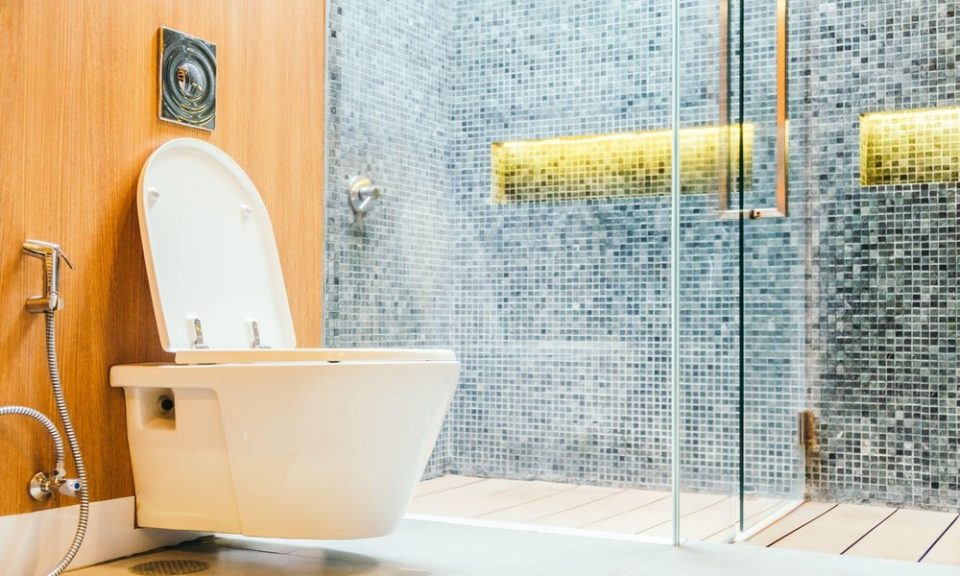
Toilet bowls come in various designs, including one-piece, two-piece, and wall-hung models. One-piece models are sleek and easier to clean because they lack the gap between the tank and the bowl. Two-piece models are often more affordable and easier to transport. If you are dealing with a small BTO toilet space, you might consider a wall-hung design to save floor space and create a modern, minimalist look.
Adhering to HDB Renovation Guidelines
When planning a toilet bowl installation in Singapore, ensure that you do not damage the existing waterproofing layer, especially in the first three years of a new BTO flat’s life. HDB guidelines often prohibit the hacking of floor tiles during the initial warranty period to prevent leaks to the unit below. Following these rules protects your warranty and ensures you do not face penalties during future flat inspections.
The Importance of Professional Sealing
A common mistake in DIY installations is failing to create a perfect seal between the bowl and the waste pipe. During the toilet bowl installation in Singapore, a high-quality wax ring or rubber gasket must be used to create an airtight and watertight connection. Additionally, the base of the toilet should be sealed to the floor using anti-fungal silicone rather than traditional white cement, which can crack over time. A proper seal prevents sewer gases from entering your home and ensures the fixture remains stable and rock-solid during use.
Final Testing and Levelling
Once the toilet is bolted down and the water supply is connected, a series of tests must be performed. They will also ensure the bowl is perfectly level; an unlevel toilet is not only uncomfortable but can also lead to uneven pressure on the wax seal, causing it to fail prematurely. For a BTO toilet, where the flooring might have a slight slope for drainage, shims may be required to achieve a level seat. Finally, the flush volume should be adjusted to match the manufacturer’s specifications to ensure a clean bowl after every use.
Post-Installation Maintenance and Care
After the installation is complete, it is important to treat your new fixture with care. Avoid using harsh abrasive cleaners that can scratch the smooth glaze of the ceramic, as these scratches will eventually trap dirt and bacteria. Check the internal tank components, such as the fill valve and flapper, every few months to ensure they are not leaking water silently. In the context of toilet bowl installation in Singapore, a silent leak in the tank can significantly increase your monthly bill.
Conclusion
A successful toilet bowl installation in Singapore requires a blend of aesthetic choice, technical measurement, and strict adherence to local regulations. By following this checklist, you can transform your bathroom into a more comfortable and efficient space. Whether you are dealing with the constraints of a BTO toilet or a luxury home renovation, the quality of the installation is just as important as the quality of the fixture itself. Taking the time to do it right the first time will prevent future leaks, save water, and enhance the overall value of your property.
Get in touch with QB Plumbing to ensure your new toilet is installed with professional precision today.
