
Introduction
For many businesses in Vinton, VA, reliable refrigeration isn’t just a convenience; it’s essential for daily operations. Imagine the impact on restaurants with spoiled food or medical facilities unable to preserve critical supplies. Any disruption to cooling systems can lead to significant financial losses and compromised services. This critical need for constant, dependable temperature control emphasizes the importance of specialized 24 hour refrigeration system engineering. Ensuring continuous operation demands expert design, robust components, and proactive strategies to keep Vinton businesses running smoothly, day and night.
We design and install Commercial HVAC Systems for all business needs. Contact us to learn more.
This article will explore the complexities of maintaining uninterrupted refrigeration, common system types, and the engineering expertise required for optimal performance in the Vinton area. We will also discuss key challenges, energy efficiency, regulatory compliance, and the role of preventative maintenance in ensuring long-term system reliability. Our aim is to provide valuable insights for businesses seeking to safeguard their critical cooling operations.
The Role of Commercial HVAC Engineering in System Design
At the heart of any reliable 24-hour refrigeration system lies sophisticated engineering. It’s not merely about installing a cooling unit; it’s about crafting a system that precisely meets specific operational demands, withstands continuous use, and operates efficiently within its environment. This process begins with a thorough understanding of system design principles, thermal dynamics, and meticulous load calculations. For businesses in Vinton, VA, this means partnering with engineering experts who can translate complex requirements into robust, long-lasting solutions.
Our approach to Commercial HVAC refrigeration engineering involves a deep dive into the unique needs of each facility. We consider factors such as the type and volume of products to be cooled, ambient temperatures, humidity levels, and the building’s insulation properties. Through precise load calculations, we determine the exact cooling capacity required, preventing both under-sizing (which leads to system overload and failure) and over-sizing (which wastes energy and increases operational costs). Understanding thermal dynamics allows us to select appropriate refrigerants, coil designs, and airflow patterns to maximize heat transfer efficiency. This foundational engineering ensures that the refrigeration system is not only powerful enough but also optimized for sustained, 24-hour performance.
Critical Components of 24-Hour Refrigeration Systems
A 24-hour refrigeration system is a complex interplay of several critical components, each vital for continuous operation. Understanding these elements is key to appreciating the engineering expertise required for their design, installation, and maintenance.
- Compressors: Often considered the “heart” of the system, compressors are responsible for circulating the refrigerant and increasing its pressure. For 24-hour systems, reliability and efficiency are paramount. Engineers select compressors based on capacity, energy consumption, and durability, often opting for scroll, screw, or reciprocating types depending on the application. Variable speed compressors are increasingly popular for their ability to adapt to fluctuating loads, saving energy.
- Condensers: These components release heat from the refrigerant into the surrounding environment. In Vinton, VA, where seasonal temperature fluctuations can be significant, the design of condensers must account for varying ambient conditions. Air-cooled condensers are common for smaller systems, while water-cooled or evaporative condensers offer greater efficiency for larger industrial applications. Proper sizing and placement are crucial to prevent overheating and maintain optimal system pressure.
- Evaporators: Inside the refrigerated space, evaporators absorb heat from the air or product, causing the refrigerant to evaporate and cool the area. The design must ensure efficient heat transfer without excessive frosting, which can impede performance. Engineers consider factors like fin spacing, coil surface area, and fan configurations to optimize cooling while managing humidity.
- Expansion Valves (Metering Devices): These devices control the flow of liquid refrigerant into the evaporator, regulating the pressure drop and ensuring efficient cooling. Thermostatic expansion valves (TXVs) and electronic expansion valves (EEVs) are commonly used, with EEVs offering greater precision and energy efficiency through electronic control.
The seamless integration and precise calibration of these components are what allow a system to provide consistent, reliable cooling around the clock. For a deeper dive into these and other essential elements of cooling technology, explore our insights on Refrigeration.
Integrating Commercial HVAC Engineering with Industrial Refrigeration
While commercial refrigeration often deals with smaller-scale cooling needs for businesses like grocery stores or restaurants, industrial refrigeration encompasses much larger, more complex applications, such as cold storage warehouses, food processing plants, or chemical facilities. The integration of commercial HVAC engineering principles with the demands of industrial refrigeration requires a highly specialized approach, particularly for 24-hour operations.
Custom design is a non-negotiable aspect here. Off-the-shelf solutions rarely suffice for the stringent temperature control requirements and high capacities typical of industrial settings. Engineers must design systems that can maintain precise temperature setpoints, often within a fraction of a degree, across vast spaces and under variable loads. This involves selecting robust equipment capable of continuous heavy-duty operation, often incorporating redundancy to ensure uninterrupted service in case of component failure.
The engineering process for industrial applications also heavily focuses on system integration. This includes not only the refrigeration cycle itself but also its interaction with building management systems (BMS), process control systems, and energy recovery mechanisms. For example, waste heat from compressors might be captured and reused for space heating or water pre-heating, significantly improving overall energy efficiency. Such complex projects demand expertise in designing and implementing Industrial Process Systems that are both highly efficient and incredibly reliable. This holistic approach ensures that the refrigeration system functions as an integral, optimized part of the entire industrial operation, providing consistent temperature control without compromise.
Challenges and Solutions for Vinton Businesses
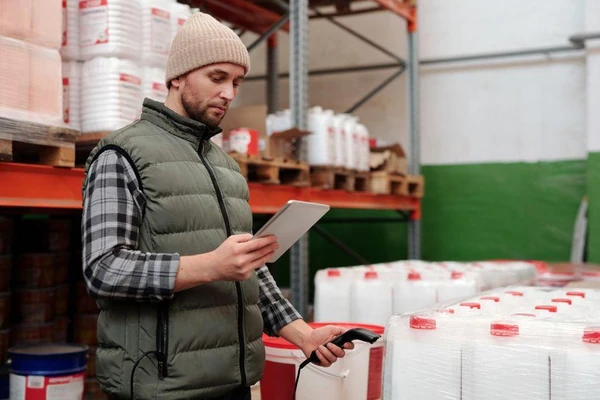
Businesses in Vinton, VA, relying on 24-hour refrigeration systems face a unique set of challenges. These often stem from a combination of environmental factors and the inherent demands of continuous operation. Understanding these hurdles is the first step toward implementing effective engineering solutions that ensure operational continuity and protect valuable assets. The local climate, with its distinct seasonal variations, can put significant stress on refrigeration equipment, from hot, humid summers to freezing winters. Beyond weather, the sheer necessity for constant uptime in critical applications, such as medical storage or food preservation, means that even minor system fluctuations can have major consequences.
Common Commercial Refrigeration Systems in Virginia
In Virginia, and specifically Vinton, businesses utilize a variety of commercial refrigeration systems, each suited to different needs and scales. The engineering behind these systems ensures they can handle the specific demands of their applications, especially when 24-hour operation is required.
- Walk-in Coolers and Freezers: These are ubiquitous in restaurants, grocery stores, and institutional kitchens. They provide large-scale cold storage for perishable goods. Engineering considerations include proper insulation, door sealing, and efficient evaporator and condenser units to maintain consistent temperatures despite frequent door openings.
- Reach-in Refrigerators and Freezers: Smaller than walk-ins, these units are common in commercial kitchens and convenience stores for easy access to frequently used items. While often more standardized, their integration into a facility’s overall cooling strategy still benefits from engineering oversight to ensure optimal placement and energy use.
- Display Cases: Found in supermarkets and delis, these systems are designed to showcase products while keeping them at safe temperatures. Open display cases, in particular, require sophisticated airflow engineering to prevent cold air spillage and maintain efficiency.
- Chillers: Used for cooling liquids (like water or process fluids) which then cool air or equipment. Chillers are common in larger commercial buildings for air conditioning or in industrial processes. Their engineering involves complex hydronic systems and precise temperature control.
- Ice Machines: Essential for food service, healthcare, and hospitality, commercial ice machines require robust refrigeration cycles designed for continuous ice production, often with integrated water filtration.
- Specialty Systems (e.g., CO2 Systems): As environmental regulations evolve, some businesses are exploring advanced, more eco-friendly refrigeration solutions like transcritical CO2 systems. These require highly specialized engineering expertise due to their high operating pressures and complex control strategies, offering significant energy efficiency benefits and lower environmental impact.
Here’s a comparison of some common commercial refrigeration system types:
System Type Typical Application Key Engineering Considerations Benefits for 24-Hour Operation Walk-in Coolers/Freezers Restaurants, grocery stores, cold storage facilities Insulation, door sealing, evaporator/condenser sizing, precise temperature control, airflow management. Large capacity, robust construction, designed for heavy use. Reach-in Units Commercial kitchens, convenience stores Energy efficiency, accessibility, integration into kitchen layout, consistent temperature maintenance. Compact, reliable for frequent access, minimal footprint. Display Cases Supermarkets, delis, bakeries Air curtain design, lighting heat load, defrost cycles, product visibility, temperature uniformity. Product presentation, continuous cooling for perishable goods. Chillers Large commercial HVAC, industrial processes Hydronic system design, load matching, energy recovery, redundancy, precise fluid temperature control. High cooling capacity, central cooling for multiple zones/processes. Ice Machines Food service, hospitality, healthcare Water quality, sanitation, continuous production cycles, energy consumption, storage capacity. Constant supply of ice, critical for operations. CO2 Systems Environmentally conscious businesses, large-scale High-pressure design, transcritical cycle management, heat reclaim, advanced controls, leak detection. High efficiency, lower environmental impact, future-proof. Overcoming Operational Challenges and Downtime
The continuous operation of 24-hour refrigeration systems in Vinton, VA, presents several operational challenges that demand proactive engineering solutions. Chief among these are the impacts of ambient temperature, humidity, and the ever-present threat of system failures.
Vinton’s climate, with its hot, humid summers and cold winters, directly affects refrigeration efficiency. High ambient temperatures force condensers to work harder, increasing energy consumption and wear on components. Conversely, very low winter temperatures can also create operational issues, particularly for systems designed for warmer climates, potentially leading to inefficient operation or even component damage if not properly engineered. High humidity levels contribute to frosting on evaporator coils, reducing heat transfer efficiency and necessitating more frequent defrost cycles, which can stress the system.
The most critical challenge, however, is preventing and responding to system failures. A refrigeration system breakdown can lead to immediate and significant losses, from spoiled inventory to halted production. This is where expert engineering truly shines. We design systems with built-in redundancies, such as multiple compressors or parallel circuits, to ensure that if one component fails, the system can continue to operate, albeit potentially at reduced capacity, until repairs are made. Advanced monitoring systems are also integrated to detect anomalies early, allowing for predictive maintenance rather than reactive repairs.
When failures do occur, the ability to quickly diagnose and rectify issues is paramount. Our engineering teams specialize in Systems Repairs & Retrofits, ensuring that repairs are not just quick fixes but long-term solutions. This includes not only replacing faulty parts but also identifying underlying causes and implementing retrofits that enhance system resilience and efficiency. The goal is to minimize downtime, protect assets, and restore full operational capacity as swiftly and effectively as possible.
Maximizing Efficiency and Regulatory Compliance
In today’s business landscape, maximizing efficiency and ensuring regulatory compliance are not just good practices; they are critical for profitability and sustainability. For 24-hour refrigeration systems in Vinton, VA, this means a concerted effort to reduce energy consumption, control operational costs, and adhere to a growing body of environmental and safety standards. Engineering plays a pivotal role in achieving these objectives, transforming refrigeration systems from mere cooling units into highly optimized, compliant assets.
Energy conservation directly impacts a business’s bottom line. Refrigeration systems are often among the largest energy consumers in commercial and industrial facilities. Therefore, every kilowatt-hour saved contributes to reduced operational expenses. Beyond cost, there’s a strong drive towards sustainability, with businesses increasingly seeking to minimize their carbon footprint. Expert engineering provides the pathways to achieve both, through intelligent design and the integration of advanced technologies.
How Commercial HVAC Engineering Optimizes Energy Efficiency
Optimizing the energy efficiency of 24-hour refrigeration systems involves a multi-faceted engineering approach that goes beyond simply selecting high-efficiency components. It’s about designing an integrated system that minimizes energy waste at every stage of the refrigeration cycle.
- Variable Speed Drives (VSDs): A cornerstone of modern energy-efficient refrigeration, VSDs allow compressors and fan motors to operate at varying speeds, matching their output precisely to the cooling load. Unlike traditional on/off systems that run at full capacity regardless of demand, VSDs significantly reduce energy consumption during periods of lower load, which can be substantial over 24 hours of operation. This not only saves energy but also reduces wear and tear on equipment, extending its lifespan.
- Heat Recovery Systems: Engineers can design systems that capture and reuse the waste heat generated by the refrigeration process. This heat, which would otherwise be expelled into the atmosphere, can be used for space heating, domestic hot water pre-heating, or other industrial processes. This ‘free’ energy significantly improves the overall energy profile of a facility, especially in colder months.
- Smart Controls and Automation: Advanced control systems utilize sensors, algorithms, and predictive analytics to fine-tune system operation. They can dynamically adjust setpoints, manage defrost cycles more intelligently, and optimize compressor staging based on real-time conditions and even predicted future loads. Integration with building management systems (BMS) allows for centralized monitoring and control, further enhancing efficiency and providing valuable data for ongoing optimization.
- Optimized Component Sizing and Selection: Beyond VSDs, meticulous engineering ensures that all components-evaporators, condensers, and piping-are correctly sized for the specific application. Proper sizing prevents inefficiencies caused by oversized or undersized equipment. Selection of high-efficiency motors, fans, and insulation materials also contributes significantly to overall energy savings.
- Natural Refrigerants: The move towards refrigerants with lower Global Warming Potential (GWP), such as CO2 (R-744) or ammonia (R-717), is another area where engineering expertise drives efficiency and sustainability. While these refrigerants often require more complex system designs, they offer excellent thermodynamic properties and significantly reduce environmental impact.
By integrating these advanced engineering strategies, businesses in Vinton, VA, can achieve substantial reductions in energy consumption, leading to lower operating costs and a smaller environmental footprint for their 24-hour refrigeration systems.
Navigating Regulatory Codes and Environmental Standards
Operating 24-hour commercial refrigeration systems in Vinton, VA, means adhering to a complex web of regulatory codes and environmental standards. Navigating these requirements is crucial for avoiding costly fines, ensuring safety, and demonstrating environmental responsibility. Expert engineering services are invaluable in ensuring full compliance from design through operation.
Key regulations include:
- EPA Section 608: This section of the Clean Air Act governs the handling of refrigerants, particularly ozone-depleting substances (ODS) and high-GWP hydrofluorocarbons (HFCs). It mandates proper refrigerant recovery, recycling, and reclamation, as well as leak detection and repair requirements. Engineers must design systems that minimize refrigerant leaks and specify refrigerants that comply with current and future phase-down schedules. They also ensure that technicians handling refrigerants are properly certified.
- Building Codes: Local and state building codes in Virginia dictate construction standards, including those for mechanical systems. This covers aspects like ventilation, structural support for heavy equipment, fire suppression systems in machine rooms, and electrical safety. Compliance ensures the safe installation and operation of refrigeration equipment within the facility.
- ASHRAE Standards: The American Society of Heating, Refrigerating and Air-Conditioning Engineers (ASHRAE) publishes widely recognized standards and guidelines for HVAC and refrigeration systems. These include standards for energy efficiency (e.g., ASHRAE 90.1), ventilation for acceptable indoor air quality (e.g., ASHRAE 62.1), and refrigerant safety (e.g., ASHRAE 15). Adhering to ASHRAE standards often goes beyond minimum code requirements, representing best practices in system design, installation, and maintenance.
- Safety Compliance: Beyond environmental and building codes, workplace safety regulations (e.g., OSHA) apply to refrigeration systems, particularly those using hazardous refrigerants like ammonia. This includes requirements for emergency shutdown procedures, personal protective equipment (PPE), and appropriate training for personnel.
Engineers play a critical role in proactive compliance. They design systems with features that facilitate leak detection, incorporate appropriate safety controls, and select refrigerants that align with long-term environmental goals. Furthermore, they can advise on maintenance schedules and operational protocols that help businesses meet their regulatory obligations, including record-keeping for refrigerant usage and leak repairs. Staying ahead of these evolving standards is not just a legal necessity but a strategic advantage for businesses committed to responsible operation.
Preventative Maintenance and Emergency Preparedness
For 24-hour refrigeration systems, system longevity, reliability, and risk mitigation are paramount. The continuous operation required by many Vinton businesses means that any downtime can be catastrophic. Therefore, a robust strategy combining proactive preventative maintenance with comprehensive emergency preparedness is not just recommended, but essential. This dual approach ensures that systems operate efficiently for their maximum lifespan and that, in the event of an unforeseen issue, rapid and effective solutions are at hand.
The Value of Structured Maintenance Services
Preventative maintenance is the backbone of reliable 24-hour refrigeration system operation. It’s a proactive strategy designed to identify and address potential issues before they escalate into costly breakdowns, ensuring system longevity and optimizing performance. For businesses in Vinton, VA, investing in structured Maintenance Services offers significant returns.
A comprehensive preventative maintenance program typically includes:
- Regular Inspections: Scheduled checks of all critical components, including compressors, condensers, evaporators, fans, motors, and controls. Technicians look for signs of wear and tear, corrosion, leaks, and electrical issues.
- Cleaning and Calibration: Coils are cleaned to ensure optimal heat transfer, electrical connections are tightened, and controls are calibrated to maintain precise temperature setpoints and maximize energy efficiency. Refrigerant levels are checked and adjusted as needed.
- Performance Monitoring: Using specialized tools, technicians monitor system pressures, temperatures, and current draws to detect any deviations from normal operating parameters. This data can indicate impending component failure or inefficiencies.
- Lubrication: Moving parts, such as fan motors, are lubricated to reduce friction and prevent premature wear.
- Filter Replacement: Air filters in condensers and evaporators are regularly cleaned or replaced to ensure proper airflow and maintain indoor air quality (where applicable).
The benefits of such structured maintenance are numerous:
- Extended System Lifespan: By addressing minor issues promptly and reducing wear and tear, preventative maintenance significantly extends the operational life of expensive refrigeration equipment, delaying the need for costly replacements.
- Enhanced Reliability: Regular servicing reduces the likelihood of unexpected breakdowns, ensuring continuous 24-hour operation and protecting perishable goods or critical processes.
- Optimized Energy Efficiency: Clean coils, properly calibrated controls, and healthy components operate at peak efficiency, leading to lower energy consumption and reduced utility bills.
- Improved Safety: Identifying and rectifying potential hazards, such as electrical faults or refrigerant leaks, enhances the safety of the operating environment.
- Compliance with Warranties and Regulations: Many equipment warranties require documented preventative maintenance. Regular servicing also helps ensure compliance with environmental and safety regulations.
Preventative maintenance is an investment that pays for itself many times over by preventing costly downtime, extending asset life, and optimizing operational efficiency.
Preparing for System Failures with 24/7 Emergency Engineering
Despite the best preventative maintenance efforts, system failures can occasionally occur, especially with machinery running 24 hours a day. For businesses in Vinton, VA, that depend on continuous refrigeration, preparing for such events is crucial. This is where the availability of 24/7 emergency engineering services becomes indispensable, transforming potential disaster into a manageable disruption.
Effective emergency preparedness involves several key elements:
- Emergency Protocols: Businesses should have clear, documented emergency protocols in place. This includes identifying key personnel, outlining initial response steps (e.g., securing the area, notifying staff), and having contact information for emergency service providers readily available.
- Contingency Planning: Beyond immediate response, contingency planning involves having backup solutions. This might include temporary refrigeration units, alternative storage locations, or procedures for rapid transfer of sensitive materials. While engineering can design redundancy into the primary system, a comprehensive contingency plan addresses broader operational disruptions.
- 24-Hour Service Agreements: Partnering with a refrigeration engineering firm that offers genuine 24-hour emergency service is paramount. This means having access to skilled technicians and engineers who can respond at any time, day or night, including weekends and holidays. The “24-hour” claim should mean rapid deployment, not just call-answering. Many local providers, such as Scott Heating & Cooling, Johnston Cooling and Heating LLC, Comfort Services, Inc., and Jonic Coldtech, advertise 24-hour emergency repair services, highlighting the critical need for constant availability in the region.
- Rapid Response Capability: The value of emergency engineering lies in its speed. A firm with local presence and well-equipped service vehicles can significantly cut down response times. Their technicians should be capable of quickly diagnosing complex issues and carrying a wide range of common replacement parts to facilitate on-the-spot repairs.
- Expert Diagnostics and Repair: Emergency situations often involve high-stress environments and complex failures. Experienced engineers bring not only the tools but also the deep knowledge to accurately diagnose the root cause of the problem, ensuring that repairs are effective and lasting, rather than temporary fixes.
By having these elements in place, businesses can significantly mitigate the financial and operational risks associated with refrigeration system failures. The peace of mind that comes from knowing expert help is just a call away, any time, is invaluable for operations that simply cannot afford to stop.
Frequently Asked Questions about Commercial Refrigeration
Facility managers and business owners in Vinton, VA, often have specific questions regarding the reliability, efficiency, and engineering standards of their commercial refrigeration systems. Here, we address some of the most common inquiries to provide clarity and guidance.
What are the most energy-efficient refrigeration options for commercial facilities?
For commercial facilities aiming for optimal energy efficiency in their 24-hour refrigeration systems, several advanced options stand out:
- Natural Refrigerants: Systems utilizing natural refrigerants like CO2 (R-744), ammonia (R-717), or hydrocarbons (e.g., propane R-290) are increasingly popular. These refrigerants have significantly lower Global Warming Potential (GWP) compared to traditional HFCs and often boast superior thermodynamic properties, leading to higher energy efficiency. While requiring specialized engineering for design and installation, their long-term environmental and operational benefits are substantial.
- Variable Speed Compressors and Fans: As discussed earlier, variable speed drives (VSDs) allow compressors and condenser/evaporator fans to adjust their output precisely to the cooling load. This eliminates the energy waste associated with traditional on/off cycling or full-speed operation, leading to significant energy savings, especially in systems with fluctuating demand.
- Smart Monitoring and Control Systems: Advanced control systems leverage sensors, data analytics, and artificial intelligence to continuously optimize system performance. They can predict cooling needs, adjust defrost cycles, fine-tune refrigerant flow, and integrate with building management systems to ensure the entire facility operates as efficiently as possible. These systems often provide real-time data, allowing facility managers to identify and address inefficiencies promptly.
- Heat Recovery Systems: Integrating heat recovery technology allows businesses to capture waste heat from the refrigeration process and reuse it for other purposes, such as space heating, water heating, or process heat. This effectively doubles the energy efficiency by utilizing energy that would otherwise be discarded.
- High-Efficiency Components: Specifying high-efficiency evaporator and condenser coils, electronically commutated (EC) motors for fans, and advanced insulation materials for refrigerated spaces also contributes significantly to overall energy savings.
Combining these options through expert engineering design can lead to substantial reductions in energy consumption and operational costs for 24-hour refrigeration systems.
Why is custom engineering preferred over off-the-shelf refrigeration systems?
While off-the-shelf refrigeration units might seem like a cost-effective solution, for 24-hour commercial or industrial applications in Vinton, VA, custom engineering is almost always preferred for several compelling reasons:
- Tailored Capacity: Off-the-shelf units are designed for average scenarios. Custom engineering precisely calculates the required cooling load based on specific products, operational hours, ambient conditions, and facility layout. This ensures the system is perfectly sized, preventing energy waste from an oversized unit or premature failure from an undersized one constantly struggling to keep up.
- Space Optimization: Commercial and industrial spaces are often unique, with specific constraints and layouts. Custom-engineered systems can be designed to fit precisely within available space, maximizing usable area and integrating seamlessly with existing infrastructure. This is particularly important for walk-in coolers, freezers, or specialized process cooling where every square foot counts.
- Long-Term Reliability and Durability: Custom systems are built with components specifically chosen for the demands of 24-hour operation. Engineers can specify higher-grade materials, redundant components, and robust construction techniques that ensure greater longevity and fewer breakdowns compared to mass-produced units. This translates to lower maintenance costs and reduced downtime over the system’s lifespan.
- Energy Efficiency Optimization: Custom engineering allows for the integration of advanced energy-saving technologies like variable speed drives, heat recovery, and natural refrigerants tailored to the facility’s specific energy profile. This leads to significantly lower operating costs over the system’s lifetime.
- Compliance with Specific Requirements: Certain industries (e.g., pharmaceuticals, specific food processing) have very stringent temperature control, humidity, or sanitation requirements. Custom engineering ensures that the refrigeration system meets these exact specifications, which off-the-shelf units often cannot.
- Scalability and Flexibility: A custom-engineered system can be designed with future expansion in mind, allowing for easier upgrades or capacity additions without needing to replace the entire system.
- Integrated Solutions: Custom engineering can integrate the refrigeration system with other building systems (e.g., HVAC, building management systems) for holistic control and efficiency, something difficult to achieve with standalone, pre-packaged units.
Custom engineering provides a refrigeration solution that is an exact fit for the business’s unique needs, offering superior performance, efficiency, reliability, and a better return on investment in the long run.
How do environmental regulations impact commercial refrigeration systems?
Environmental regulations significantly impact the design, operation, and maintenance of commercial refrigeration systems in Vinton, VA, primarily driven by concerns over ozone depletion and global warming. These regulations mandate changes in refrigerant use and impose strict requirements for system management.
- Refrigerant Phase-Outs and Phase-Downs: Historically, regulations like the Montreal Protocol led to the phase-out of ozone-depleting refrigerants (CFCs and HCFCs). Currently, the focus is on phasing down high-Global Warming Potential (GWP) hydrofluorocarbons (HFCs) under initiatives like the American Innovation and Manufacturing (AIM) Act. This means businesses must transition to refrigerants with lower GWP, such as HFOs, natural refrigerants (CO2, ammonia, hydrocarbons), or blends. Engineers must design new systems with these compliant refrigerants and advise on retrofitting existing systems.
- Leak Detection and Repair Requirements: Regulations, particularly EPA Section 608, impose strict requirements for detecting and repairing refrigerant leaks from commercial refrigeration equipment. Facilities with systems containing certain thresholds of refrigerants must conduct regular leak inspections, repair leaks within specified timeframes, and keep detailed records. This necessitates the installation of advanced leak detection systems and meticulous maintenance practices.
- Refrigerant Management and Disposal: Environmental regulations also govern the proper handling, recovery, recycling, and disposal of refrigerants. It is illegal to knowingly vent refrigerants into the atmosphere. Certified technicians are required to perform these tasks, ensuring that refrigerants are managed responsibly throughout their lifecycle.
- Compliance Audits and Reporting: Businesses may be subject to compliance audits to ensure adherence to refrigerant management regulations. This requires accurate record-keeping of refrigerant purchases, usage, additions, and disposal, as well as leak repair activities.
- Energy Efficiency Standards: While not strictly environmental, energy efficiency standards often go hand-in-hand with environmental goals. Regulations promoting energy-efficient equipment reduce the indirect emissions associated with electricity generation.
The impact of these regulations is profound: they drive innovation towards more sustainable refrigeration technologies, increase the importance of preventative maintenance to prevent leaks, and demand a higher level of technical expertise for system design and servicing. Businesses must stay informed and partner with engineering firms that are up-to-date on the latest regulatory landscape to ensure their 24-hour refrigeration systems remain compliant and environmentally responsible.
Conclusion
The continuous operation of 24-hour refrigeration systems is a cornerstone for many businesses in Vinton, VA, from preserving vital medical supplies to ensuring the freshness of food products. As we’ve explored, achieving this level of operational excellence demands far more than basic installation; it requires a deep commitment to technical expertise, precision engineering, and proactive management. From the initial design and selection of critical components to the ongoing challenges of energy efficiency, regulatory compliance, and emergency preparedness, every aspect plays a crucial role in maintaining uninterrupted service.
For businesses seeking to safeguard their operations, the path forward is clear: embrace professionally engineered solutions. This means investing in custom-designed systems tailored to specific needs, implementing structured preventative maintenance programs, and establishing robust emergency protocols supported by 24/7 engineering services. By doing so, Vinton businesses can ensure the longevity and reliability of their refrigeration infrastructure, protect their assets, and maintain seamless operations around the clock.
To discuss your specific refrigeration engineering needs and discover how our B2B solutions can enhance your operational efficiency and reliability, please don’t hesitate to reach out. We are here to provide the expert guidance and support you need.
