
Energy-Efficient Home Comfort and Electrical SystemsThe Role of Water Heaters in Energy-Efficient Home Comfort
Water heating stands as one of the most significant contributors to a household’s energy consumption, often accounting for a substantial portion of utility bills. In a place like Bainbridge Island, WA, where comfort is paramount, ensuring your water heater operates efficiently is not just about having consistent hot water; it’s about sustainable living and managing energy costs. Traditional tank water heaters, while reliable, are prone to “standby loss,” meaning they continuously heat water even when it’s not in use, leading to wasted energy.
The evolution of water heating technology has brought forth more energy-efficient solutions, such as tankless systems and advanced heat pump water heaters. These innovations are designed to minimize energy waste and provide hot water more intelligently. Understanding these systems is crucial for homeowners looking to reduce their environmental footprint and improve overall home comfort. When considering the impact of your water heater on your home’s energy profile, it’s clear that efficient water heating is a cornerstone of an energy-efficient home comfort strategy.
Upgrading to Tankless Systems for Energy-Efficient Home Comfort
Tankless water heaters, also known as on-demand water heaters, represent a significant leap forward in energy-efficient home comfort. Unlike their traditional counterparts that store and continuously heat a large tank of water, tankless systems heat water only when it’s needed. This on-demand heating eliminates standby loss, leading to substantial energy savings over the lifespan of the unit.
Beyond the energy benefits, tankless water heaters offer practical advantages. Their compact size allows for considerable space saving, as they can be mounted on a wall and take up far less room than a bulky storage tank. This is particularly beneficial in homes where space is at a premium. While the initial flow rate might be a consideration for large households requiring hot water from multiple sources simultaneously, advancements in technology have largely mitigated these concerns, with many modern units capable of meeting diverse demands efficiently. For many homeowners, the continuous supply of hot water, coupled with reduced energy consumption, makes upgrading to a tankless system an attractive and sustainable choice.
Hybrid Heat Pump Technology and Energy-Efficient Home Comfort
Another innovative solution for energy-efficient water heating is hybrid heat pump technology. These systems operate by transferring heat from the surrounding air to the water in the tank, rather than generating heat directly. This process is remarkably efficient, as it uses electricity primarily to move heat rather than create it. As a result, hybrid heat pump water heaters can achieve significant electricity reduction, leading to lower operating costs and a smaller carbon footprint.
The environmental impact of these units is considerable, as they rely on a renewable energy source (the ambient air) to heat water. Their efficiency is often measured by a coefficient of performance (COP), which indicates how much heat energy is delivered per unit of electrical energy consumed. Heat pump water heaters typically boast high COPs, signifying their superior energy performance compared to conventional electric resistance models. While they may have a higher upfront cost, the long-term savings on energy bills and their positive contribution to environmental sustainability make them a compelling option for homeowners committed to energy-efficient home comfort.
Integrating Electrical Systems with High-Efficiency HVAC
The performance of high-efficiency HVAC systems is intrinsically linked to the electrical systems that power them. Modern homes increasingly rely on sophisticated electrical panels and smart thermostats to optimize energy use and enhance comfort. An integrated approach ensures that these advanced systems operate at their peak, delivering both efficiency and reliability.
Electrical panels serve as the central nervous system for your home’s power. For high-efficiency HVAC, adequate and stable power supply is critical. Older panels might struggle to meet the demands of new, more powerful units, potentially leading to inefficiencies or even system damage. Upgrading to a modern electrical panel can provide the necessary capacity and protection.
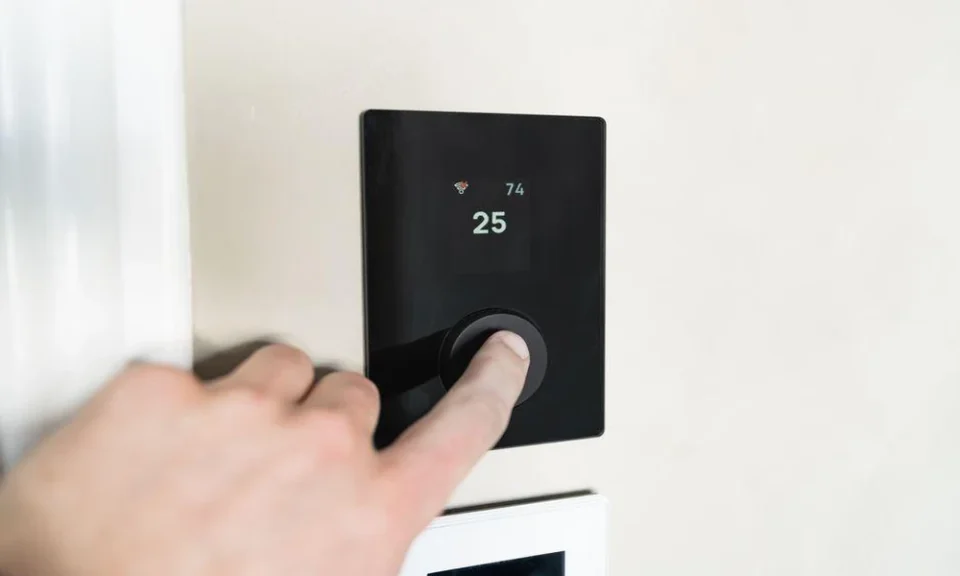
Smart thermostats play a pivotal role in optimizing HVAC performance. These devices learn your preferences and schedule, adjusting heating and cooling cycles to maximize comfort while minimizing energy waste. They can integrate with other smart home devices, allowing for comprehensive energy management.
Load management, facilitated by advanced electrical systems, ensures that energy consumption is balanced across the home. This prevents overloading circuits and allows for strategic energy use, for example, by prioritizing HVAC operation during off-peak hours. Zoning systems, which allow different areas of a home to be heated or cooled independently, further enhance efficiency by preventing energy waste in unoccupied spaces.
When comparing the electrical draw of traditional HVAC systems versus high-efficiency units, the differences are often stark. Traditional systems typically have higher, less consistent power demands. High-efficiency systems, particularly those with variable-speed motors or inverter technology, tend to have lower, more modulated power consumption, leading to reduced stress on electrical components and lower overall energy use. This comparison highlights the importance of a well-designed electrical infrastructure to support and maximize the benefits of high-efficiency HVAC.
Preventive Maintenance for Sustainable Home Systems
Maintaining your home’s essential systems, especially water heaters and HVAC, is not merely about preventing breakdowns; it’s a critical component of ensuring their system lifespan, peak performance, and overall energy efficiency. Proactive preventive maintenance can significantly reduce the likelihood of needing urgent 24 hour water heater repair in Bainbridge Island, WA; consulting the West Sound water heater guide can help homeowners keep their systems running smoothly without emergency services.
For water heaters, routine flushing is paramount. Sediment buildup at the bottom of the tank can reduce efficiency, corrode the tank, and lead to premature failure. Flushing the tank annually helps remove these deposits, extending the unit’s life and maintaining its heating efficiency. Inspecting and replacing anode rods, often referred to as “sacrificial rods,” is another vital task. These rods are designed to corrode before the tank itself, protecting it from rust and extending its lifespan. Neglecting this simple replacement can drastically shorten the life of your water heater.
Electrical safety is a broad but crucial aspect of maintaining all home systems. Regular checks of wiring, connections, and circuit breakers by a qualified professional can prevent hazards, ensure proper power delivery, and optimize the performance of both your water heater and HVAC system. Loose connections or faulty wiring can lead to inefficiencies, system failures, and even fire risks.
For HVAC systems, regular filter changes, coil cleaning, and professional tune-ups are essential. These tasks ensure that the system operates efficiently, provides optimal air quality, and lasts for its intended lifespan. Just as with water heaters, neglecting HVAC maintenance can lead to increased energy consumption, costly repairs, and a diminished level of home comfort.
By embracing a schedule of preventive maintenance, homeowners in Bainbridge Island and beyond can safeguard their investments, ensure the longevity of their systems, and contribute to a more sustainable and energy-efficient living environment.
Frequently Asked Questions About Energy-Efficient Home Comfort
Homeowners often have many questions when considering improvements to their home’s energy efficiency and overall comfort. From understanding new technologies to optimizing existing systems, the path to a more sustainable home can seem complex. Here, we address some common questions about home efficiency and system upgrades, offering insights to help you make informed decisions.
How do smart electrical panels improve home energy efficiency?
Smart electrical panels are a cornerstone of modern, energy-efficient homes, offering advanced capabilities that go far beyond what traditional panels can provide. These intelligent systems improve home energy efficiency primarily through sophisticated load shedding and detailed energy monitoring.
Load shedding allows the panel to intelligently manage and distribute power throughout your home. In situations where energy demand might exceed supply, or during peak pricing periods, the smart panel can automatically or manually reduce power to non-essential appliances. For instance, it could temporarily power down an electric vehicle charger or a secondary water heater, ensuring critical systems like your HVAC or refrigerator remain operational without interruption. This dynamic management prevents overloads and helps optimize energy consumption based on real-time needs and energy costs.
Furthermore, smart panels provide comprehensive energy monitoring. Homeowners can access detailed data on their energy usage, often through a connected app. This monitoring allows you to see exactly how much electricity each appliance or system is consuming, identify energy hogs, and understand patterns of use. With this granular data, you can make informed decisions about energy-saving habits, schedule appliance use more efficiently, and pinpoint areas for further efficiency upgrades. By offering both control and insight, smart panels empower homeowners to actively manage and reduce their energy footprint.
What is the lifespan of a high-efficiency water heater?
The lifespan of a high-efficiency water heater can vary significantly depending on its type, the quality of installation, water conditions, and, most importantly, the consistency of maintenance. Understanding these factors helps set realistic expectations for equipment longevity.
Traditional storage tank water heaters, even high-efficiency models, typically last between 8 to 12 years. Their lifespan is often limited by the wear and tear on the tank itself, particularly from corrosion and sediment buildup. Regular maintenance, such as annual flushing and anode rod inspection/replacement, can extend this range.
Tankless water heaters, due to their design which heats water on demand and avoids storing it, generally boast a longer lifespan, often reaching 15 to 20 years or more. Without a tank to corrode, their primary wear components are heat exchangers and other internal parts, which are often more durable and replaceable. However, tankless units still require maintenance, including periodic flushing to remove mineral buildup, especially in areas with hard water.
Hybrid heat pump water heaters tend to fall into a similar lifespan category as traditional tank heaters, typically lasting 10 to 15 years. Their longevity can be influenced by the lifespan of the compressor and fan components, similar to an air conditioner. Proper airflow around the unit and regular filter cleaning are crucial for maximizing their operational life.
Regardless of the type, consistent professional maintenance is the single most important factor in achieving the maximum possible lifespan for any high-efficiency water heater. Neglecting maintenance can drastically shorten its life, leading to premature replacement and unexpected costs.
Why is routine electrical maintenance important for HVAC systems?
Routine electrical maintenance is critically important for HVAC systems for several reasons, primarily concerning safety, efficiency, and system longevity. HVAC units, whether heating or cooling, are complex systems with numerous electrical components, and their reliable operation depends heavily on a sound electrical foundation.
First and foremost, electrical maintenance ensures system safety. Faulty wiring, loose connections, or degraded insulation can lead to electrical shorts, overheating, and even fire hazards. A professional inspection can identify and rectify these potential dangers before they escalate, protecting your home and family.
Secondly, proper electrical connections are vital for efficiency. Over time, connections can loosen or corrode, leading to increased resistance. This resistance causes voltage drops, meaning the HVAC system doesn’t receive the full power it needs to operate optimally. When a system is underpowered, it has to work harder to achieve the desired temperature, consuming more electricity and increasing your energy bills. Regular checks ensure all connections are tight and clean, allowing for efficient power delivery.
Moreover, consistent electrical maintenance contributes to the overall system longevity of your HVAC unit. Stable and clean power prevents undue stress on motors, compressors, and control boards, which are often the most expensive components to replace. Preventing issues like voltage drops and surges helps protect these sensitive parts from premature wear and failure. Just as you maintain the mechanical aspects of your HVAC, ensuring its electrical health is equally crucial for reliable, safe, and efficient performance throughout its service life.
Conclusion
Achieving energy-efficient home comfort is a multifaceted endeavor, encompassing everything from your water heating solutions to the sophisticated electrical systems powering your HVAC. As we’ve explored, understanding the nuances of tankless and hybrid heat pump water heaters, and integrating smart electrical panels with high-efficiency HVAC, are key steps toward a more sustainable and comfortable living environment. The importance of preventive maintenance cannot be overstated; it is the bedrock upon which system longevity, peak performance, and safety are built. By embracing these sustainable choices, homeowners on Bainbridge Island and beyond can not only reduce their environmental footprint but also enjoy significant savings on energy costs and a consistently comfortable home. The future of home comfort lies in intelligent, efficient, and well-maintained systems, paving the way for a more sustainable tomorrow.
