
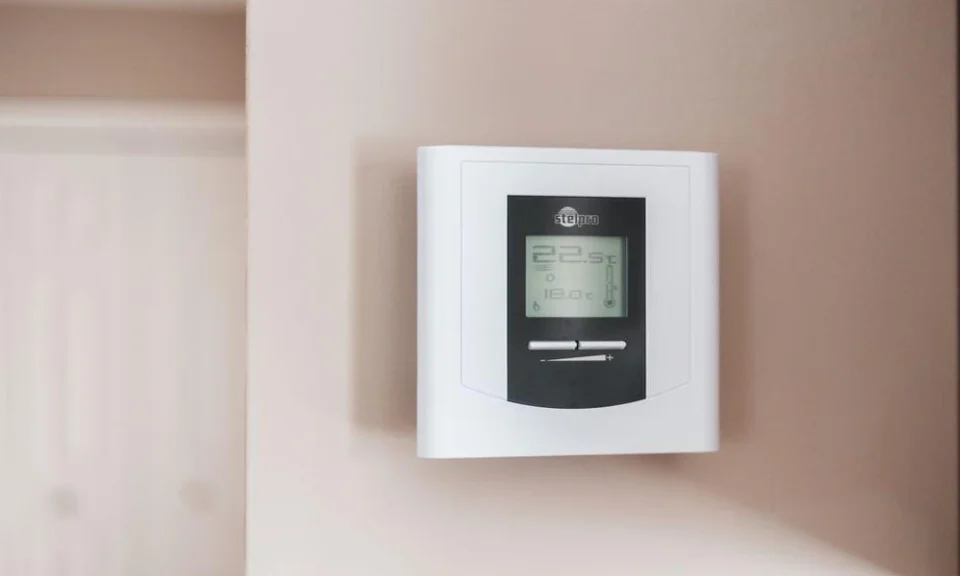
Essential Home Systems: Upgrading Your HVAC, Plumbing, and ElectricalPlanning Your Home Improvement Services for Maximum Efficiency
Undertaking major home system upgrades requires careful planning to ensure success. We consider everything from project scope and contractor selection to understanding timelines and preparing your home for the work ahead. Whether you’re working with general contractors or specialized service providers, a well-thought-out plan is key to a smooth, efficient project.
When embarking on home improvement projects, especially those involving critical infrastructure like HVAC, plumbing, and electrical systems, a strategic approach is paramount. Homeowners often spend an average of $15,000 on home improvement projects, with significant investments in areas like kitchen and bathroom remodels. This highlights the financial commitment and the importance of getting it right. Careful planning minimizes disruptions, controls costs, and ensures the longevity and effectiveness of your upgrades.
The first step is to define your project’s scope clearly. Are you looking for minor updates or a complete overhaul? Understanding your needs will guide your choice between a general contractor, who can manage diverse aspects of a larger renovation, or specialized services for specific tasks like HVAC installation or electrical upgrades. While general contractors offer a single point of contact and streamline complex projects, specialized services often bring deeper expertise and efficiency to their specific domain. Big-box retailers like Home Depot or Lowe’s also offer installation services, often backed by warranties and financing, which can be a convenient option for certain product-specific installations.
Project timelines are influenced by factors such as the complexity of the work, material availability, and local permitting processes. For instance, a kitchen remodel might take several weeks, while a new HVAC installation could be completed in a few days. Preparing your home and family for the disruption is crucial. This might involve setting up temporary living arrangements, protecting furniture, or simply communicating the schedule to everyone involved.
Selecting the Right Home Improvement Services for HVAC Upgrades
Your home’s heating and cooling systems are central to your comfort. We explore options like energy-efficient heat pumps and modern HVAC units that not only keep your home comfortable but also help save on utility bills. Finding the right professionals for these crucial upgrades ensures quality installation and long-term performance.
In June 2026, homeowners are increasingly prioritizing energy efficiency, driven by both cost savings and environmental consciousness. Upgrading your HVAC system is one of the most impactful home improvement projects you can undertake. Modern heating and cooling solutions offer significant advantages over older systems. For example, high-efficiency heat pumps can provide both heating and cooling, drastically reducing energy consumption compared to traditional furnaces and air conditioners.
When selecting an HVAC contractor, look for specialists with a proven track record. They should be able to assess your home’s specific needs, recommend appropriately sized systems, and provide clear explanations of the technology involved. Many regions offer incentives for energy-efficient upgrades. For example, homeowners considering California home improvement rebates might find substantial savings by installing qualifying HVAC systems, solar panels, or other energy-saving technologies. Understanding these financial opportunities can make significant upgrades more accessible. For detailed insights into specific HVAC installations, you might find valuable resources on Air Conditioning Installation Services or learn more about Professional Heating Repair Services.
Coordinating Home Improvement Services for Plumbing and Electrical Work
When upgrading plumbing and electrical systems, proper coordination is essential for safety and functionality. We focus on system integration, ensuring that new electrical panels and plumbing infrastructure meet modern safety standards. Effective project management is vital when dealing with these interconnected home systems.
Plumbing and electrical systems are the circulatory and nervous systems of your home. Any upgrades to these areas demand meticulous planning and execution. A poorly planned electrical upgrade could overload circuits, while a mismanaged plumbing project could lead to leaks or water damage. Therefore, selecting contractors who prioritize system integration and adhere to the highest safety standards is non-negotiable.
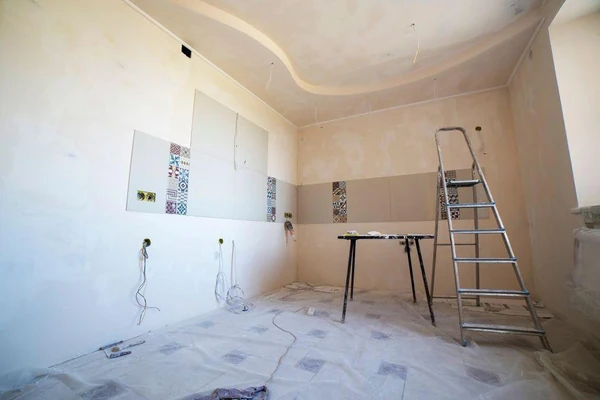
For electrical work, this often means considering an upgrade to a modern electrical panel to support today’s power demands, including smart home devices and EV chargers. For a deeper dive into ensuring your home’s electrical systems are up to par, exploring resources like The Homeowner’s Guide to Modern Electrical Panels and Safety can be highly beneficial. Similarly, plumbing improvements might range from updating fixtures to replacing old pipes or installing new water heaters and filtration systems. Effective project management ensures that these specialized tasks are coordinated seamlessly, preventing conflicts between trades and keeping the project on schedule.
Take the first step towards a more comfortable, efficient, and valuable home by scheduling your consultation.
Upgrading HVAC Systems for Year-Round Comfort
Heating, cooling, and ventilation are fundamental to a comfortable home environment. Upgrading your HVAC systems not only ensures consistent indoor temperatures but also significantly reduces energy consumption and improves indoor air quality. With the U.S. home improvement services market projected to reach $567 billion by 2027, driven in part by demand for energy-efficient upgrades, investing in modern HVAC solutions is a smart move for any homeowner.
Modern Heating and Cooling Solutions
The landscape of heating and cooling has evolved dramatically. Today’s options offer far greater efficiency and control than systems of the past. Heat pumps, for instance, are gaining immense popularity due to their ability to provide both heating and cooling using a single, highly efficient unit that transfers heat rather than generating it. This makes them incredibly cost-effective, especially in moderate climates.
Ductless mini-splits are another innovative solution, perfect for homes without existing ductwork, additions, or for creating zoned comfort in specific areas. They offer individual temperature control for different rooms, preventing energy waste in unoccupied spaces. Smart thermostats integrate seamlessly with these systems, learning your preferences and automatically adjusting temperatures, often controllable remotely via a smartphone. This level of control optimizes energy use and enhances convenience. For those considering a ductless system, a resource like the Ductless Mini-Split Installation Guide can provide valuable insights.
Indoor Air Quality and Ventilation
Beyond temperature control, modern HVAC systems play a critical role in maintaining healthy indoor air quality (IAQ). As homes become more airtight for energy efficiency, proper ventilation becomes even more crucial to prevent the buildup of pollutants. We understand that clean air is just as important as comfortable temperatures.
Advanced air filtration systems, including HEPA filters, can capture microscopic particles like dust, pollen, pet dander, and even some viruses, significantly reducing allergens and improving respiratory health. Humidity control systems, such as whole-home humidifiers and dehumidifiers, maintain optimal moisture levels, preventing issues like mold growth or excessively dry air. Integrated ventilation systems ensure a continuous exchange of stale indoor air with fresh outdoor air, without compromising energy efficiency. These upgrades are not just about comfort; they’re about creating a healthier living environment for your family.
Modernizing Electrical and Plumbing Infrastructure
As our homes become more connected and our reliance on technology grows, the demands on our electrical and plumbing systems intensify. Modernizing this infrastructure is crucial for ensuring safety, reliability, and the capacity to support contemporary living. Homeowners who hire licensed contractors for electrical and plumbing work save an average of 25% on long-term maintenance costs compared to DIY approaches, underscoring the value of professional expertise.
Panel Upgrades and Smart Home Integration
The electrical panel is the heart of your home’s power system. Older homes often have outdated panels that can’t handle the power requirements of modern appliances, smart home devices, and electric vehicle (EV) chargers. An electrical panel upgrade provides the necessary capacity and enhances safety by preventing overloads and potential fire hazards.
Integrating smart home technology requires a robust electrical foundation. From smart lighting and security systems to energy management devices, these innovations rely on a stable, reliable power supply. Furthermore, with the rise of electric vehicles, installing a dedicated EV charger at home is becoming a common and convenient upgrade. For specialized electrical needs or to find qualified professionals, exploring resources like Sartell residential electrical services can provide expert assistance. Investing in whole-home surge protection is also a wise decision to safeguard your valuable electronics from power spikes.
Upgrading Water Heaters and Filtration Systems
Plumbing systems, while often out of sight, are vital to daily life. Upgrading key components like water heaters and water filtration systems can significantly improve efficiency, comfort, and health. More energy-efficient alternatives are gradually replacing traditional tank water heaters.
Tankless water heaters, for example, heat water on demand, providing an endless supply of hot water while consuming less energy since they don’t store and continuously heat a large tank. This not only saves on utility bills but also frees up valuable space. For a comprehensive comparison, consider the advantages of a tankless system.
Beyond hot water, the quality of your tap water is a growing concern for many homeowners. Whole-home water filtration systems remove impurities, chlorine, and contaminants, improving taste and protecting plumbing fixtures from mineral buildup. Water softeners address hard water issues, helping extend the lifespan of appliances and making cleaning easier. For all your water system needs, reliable Home improvement plumbing services, such as those offered by Franklin Plumbing, can ensure professional installation and maintenance.
Frequently Asked Questions about Home System Upgrades
Embarking on home system upgrades often brings a host of questions regarding the practicalities and protections involved. Understanding licensing, warranties, and local regulations is key to a successful and stress-free project.
How do I verify that a contractor is licensed and insured?
Verifying a contractor’s credentials is one of the most critical steps in any home improvement project. A licensed contractor demonstrates professional competence and adherence to industry standards, while insurance protects you from liability in case of accidents or damage during the project.
We recommend checking with your state’s licensing board or local municipal authority for license verification. Most states have online databases where you can search for a contractor by name or license number. Always ensure the license is current and covers the specific type of work you need done (e.g., HVAC, plumbing, electrical). For insurance, request proof of both general liability and workers’ compensation. A reputable contractor will readily provide certificates of insurance directly from their provider. Additionally, conducting background checks and reviewing online testimonials and references can offer further peace of mind.
What warranties should I look for when installing major home systems?
Warranties and guarantees provide crucial protection for your investment. For major home system installations like HVAC units, water heaters, or electrical panels, you should typically look for two main types of warranties:
- Manufacturer Warranties: These cover the equipment itself and protect against defects in materials or artistry. They can range from 5 to 20 years, or even longer for certain components, such as heat exchangers on furnaces or compressors on AC units. Always register your new equipment with the manufacturer to ensure your warranty is active.
- Labor/Workmanship Warranties: Provided by the contractor, these cover the quality of the installation work. A good labor warranty typically lasts for at least one year, though some reputable contractors offer longer periods, sometimes even a lifetime guarantee.
Beyond these, consider service plans offered by contractors. These often include annual maintenance, which can be a condition for keeping manufacturer warranties valid and can help extend the lifespan of your systems. Always read the fine print of any warranty to understand what is covered, for how long, and what actions might void it.
How do local building codes and permits affect my project timeline?
Local building codes, permits, and inspections are integral to ensuring the safety, structural integrity, and compliance of your home improvement projects. Ignoring them can lead to significant problems, including fines, project delays, and even the requirement to dismantle completed work.
Most major home system upgrades-such as new HVAC installations, electrical panel upgrades, significant plumbing rerouting, or structural changes-require permits from your local building department. These permits ensure that the work meets established safety and construction standards. Your contractor should be knowledgeable about local building codes and be responsible for pulling the necessary permits.
The permitting process itself can add time to your project timeline, as it involves application submissions, plan reviews, and scheduled inspections at various stages of the work. For example, a new electrical panel installation will require an inspection before the system is energized. While it might seem like an extra step, these inspections protect your home and ensure that the work is done correctly and safely, ultimately adding to your home’s value and your peace of mind. Discussing the permitting timeline with your contractor upfront is essential for accurate project scheduling.
Conclusion
Investing in home improvement services for your HVAC, plumbing, and electrical systems is more than just a renovation; it’s an investment in your home’s long-term comfort, safety, and value. By understanding the available service types, carefully selecting reputable contractors, and appreciating the benefits of modern, energy-efficient upgrades, you can transform your living space. From the immediate advantages of lower utility bills and enhanced indoor air quality to the lasting benefits of a modernized infrastructure, these upgrades pay dividends for years to come.
A well-planned project, executed by licensed and insured professionals, ensures compliance with local building codes and provides the peace of mind that comes with robust warranties. As homeowners continue to prioritize efficiency and comfort, the demand for quality home improvement services will only grow. Take the proactive step to upgrade your essential home systems and enjoy a more comfortable, efficient, and valuable home for decades.
Ready to explore how integrated energy solutions can benefit your home? Learn more about the benefits of using a single company for solar, HVAC, and electrical services.
