
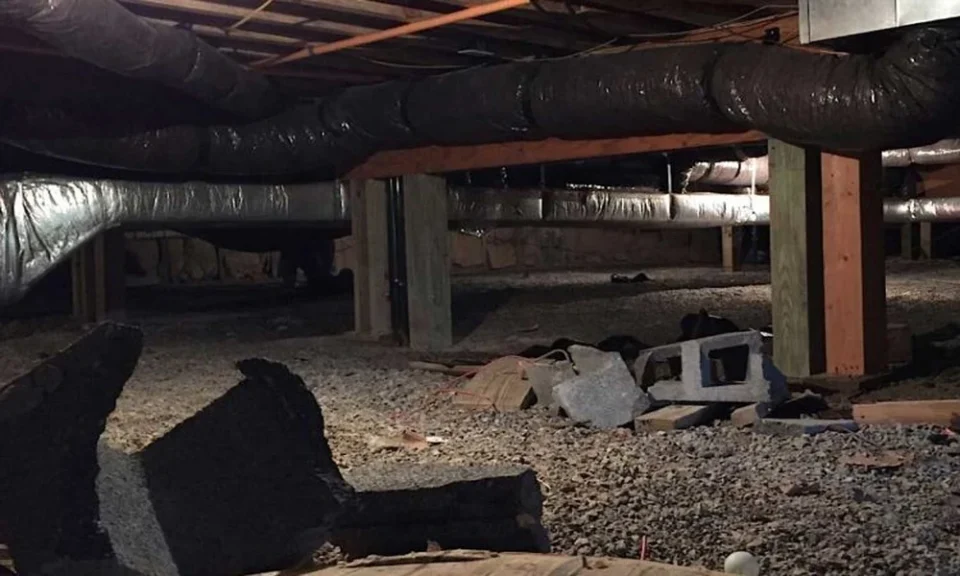
Moisture beneath a home can be easy to ignore because crawl spaces stay out of sight. A damp smell, sagging insulation, or wet soil may go unnoticed. Over time, ongoing moisture can affect wood framing, insulation, metal fasteners, and other materials under the floor.
Crawl Space Encapsulation creates a controlled barrier between the crawl space and sources of ground moisture that may otherwise enter the area. The process involves more than covering the soil. A complete system considers drainage, vapor movement, humidity, and the space’s existing condition.
Experienced crawl space contractors in Delaware can assess moisture sources, drainage problems, and the condition of materials beneath the home. This evaluation can make it easier to choose the right approach for creating a drier, more stable crawl space.
Where Crawl Space Moisture Comes From
Moisture can enter a crawl space in several ways. Exposed soil naturally releases water vapor, especially after rain or during humid weather. Groundwater may also rise or move toward the foundation when the surrounding soil becomes saturated.
Poor grading can direct runoff toward the home. Short downspouts may also discharge roof water too close to the foundation. Plumbing leaks, condensation, and open vents can add more moisture.
Sometimes the source is obvious, such as standing water. In other cases, the space simply stays damp for long periods.
Inspect the crawl space after rainy weather. Look for wet soil, condensation, staining, dripping pipes, or water collecting in low areas. Knowing how moisture enters guides the response.
How Encapsulation Creates a Moisture Barrier
Crawl Space Encapsulation generally involves covering exposed soil with a durable vapor barrier and sealing the material carefully around the crawl space.
The liner may extend across the floor and, depending on the design, up foundation walls or around piers and supports. Seams are sealed so ground vapor has fewer paths into the space. Openings around pipes, columns, and other penetrations may also receive attention.
The barrier separates the crawl space from damp soil below. This reduces the amount of ground moisture entering as vapor.
The setup depends on the home’s construction and existing conditions. A crawl space with occasional dampness may need a different approach from one that regularly collects standing water.
Encapsulation works best when it is part of a larger moisture-control plan rather than a single sheet placed over unresolved problems.
Signs Moisture Is Already Affecting the Crawl Space
Damp conditions often leave clues.
A musty odor is common, especially after wet weather. Insulation may sag or fall when it absorbs moisture. Water droplets may appear on pipes or other surfaces, and metal components may begin to rust.
Wood framing may show dark staining, while the soil may remain wet long after rain has stopped. High humidity can also make the entire space feel damp, even when there are no puddles.
Crawl Space Encapsulation may be worth considering when moisture keeps returning after obvious leaks or drainage issues have been corrected.
Document where dampness appears and when it worsens. Photos after storms can reveal patterns and show whether the issue is seasonal or constant.
Protecting Floor Framing and Insulation
The crawl space sits directly below floor framing, which means humid conditions can affect materials above it.
Floor joists, beams, subflooring, and insulation may all be exposed to recurring moisture. Damp wood can remain wet for long periods when airflow and humidity are not well controlled. Insulation may lose its position, sag, or become stained.
Metal fasteners, hangers, and other hardware may also develop corrosion in a persistently damp environment.
Before sealing the crawl space, inspect these materials. Existing issues should be identified first so they are not hidden behind new liners or insulation.
Reducing moisture below the home creates more stable conditions around these materials and makes future inspections easier.
Drainage Problems Should Be Corrected First
A vapor barrier should not be used to cover an active water problem.
If standing water regularly enters the crawl space, determine its source before sealing the area. Check gutters, downspouts, exterior grading, plumbing, foundation drainage, and low areas beneath the home.
Water that collects after storms may require drainage improvements. Some crawl spaces may also need a sump system if water repeatedly accumulates beneath the structure.
Crawl Space Encapsulation works best after liquid water problems have been managed. Otherwise, water may continue entering and become trapped below or around the new barrier.
The goal is to reduce moisture, not hide it.
Humidity Control May Be Part of the System
Sealing the ground changes how moisture moves through the crawl space, but humidity still deserves attention.
A dehumidifier may be used in some spaces to maintain more consistent conditions. Other homes may use conditioned air or another moisture-control approach suited to the building design.
Humidity monitoring can also be useful. A simple meter can show whether moisture levels rise during certain seasons or after storms.
Periodic inspections remain important. Check the liner, seams, drainage, and equipment for changes.
A well-planned system should manage both ground vapor and the humidity that remains in the enclosed space.
What to Check Before Encapsulation Begins
Inspect the crawl space before installation.
Look at plumbing lines, insulation, wood framing, foundation walls, drainage, and areas where water has collected. Remove debris that could damage the liner or block access.
Existing leaks should be repaired, and damaged materials should be evaluated before they are covered.
Ask how seams will be sealed, how the liner will be attached around walls and piers, and how future access to plumbing or equipment will be maintained.
Good preparation makes the system easier to maintain.
Conclusion
Crawl space moisture often comes from several sources at once, including ground vapor, drainage, humidity, leaks, and occasional water intrusion. Encapsulation may reduce moisture when those conditions are understood, and active water problems are handled first.
A durable barrier, proper drainage, humidity control, and regular inspections can create a consistently drier space beneath the home.
If your crawl space stays damp, musty, or humid, contact Delaware Basement Waterproofing to discuss your moisture concerns and learn more about crawl space encapsulation and waterproofing options for your property.
