
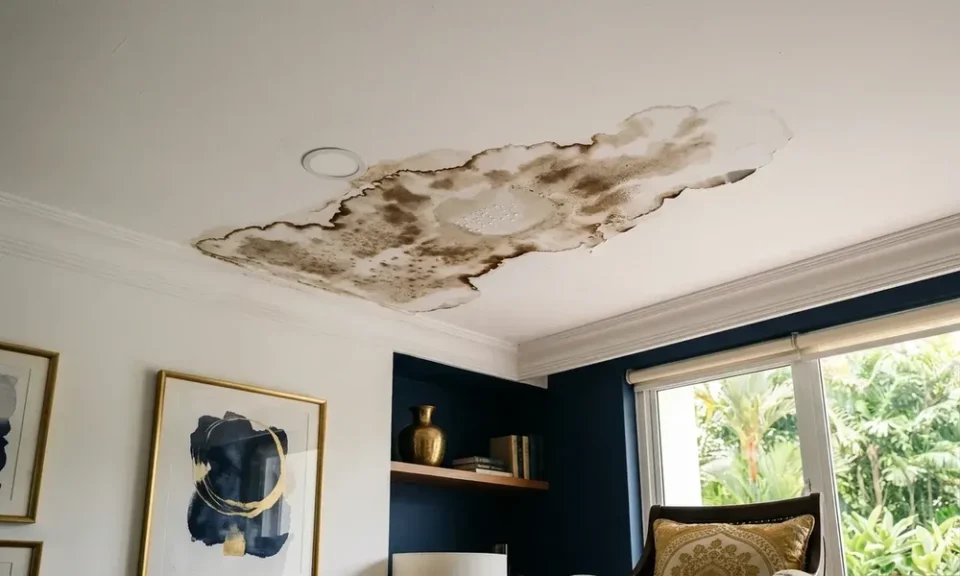
In a single-family house, a leak is usually one owner’s problem. In a condo tower, water moves through shared walls, slabs and plumbing chases, so the damage can spread to units whose owners never saw where it started. A failed washing machine hose on the fourteenth floor can stain ceilings on the thirteenth, twelfth and eleventh before anyone finds the source.
That’s why condo water damage is so stressful. The physical cleanup is one problem. The bigger worry is often who handles which part of it, which insurance policy responds and how fast the drying can start while the owners are still sorting that out.
Owners who have been through it say the hours right after the discovery matter more than anything else. Companies that handle water restoration in Miami often arrive to find the board, the property manager and two or three unit owners all standing in a hallway, unsure who should call whom. In the meantime, water keeps soaking into drywall and under flooring. Florida law sets out much of the answer to who pays, in the condominium statute at Section 718.111 of the Florida Statutes. Knowing it before a leak happens can save days of confusion.
The Line Between the Building and the Unit
Florida’s condo law divides insurance responsibility in a specific way. The association’s policy covers the building as originally constructed. A list of interior items is left to each owner: floor, wall and ceiling coverings, electrical fixtures, appliances, water heaters, water filters, built-in cabinets, countertops and window treatments.
In practice, the drywall and everything behind it usually falls on the association, while the finishes on the room side of the drywall fall on the owner. Paint, tile, wood flooring, kitchen cabinets and the water heater in the hall closet all sit on the owner’s side.
This split explains why a single leak can turn into several claims. The association’s carrier may handle the wet drywall in three units, while each owner’s HO-6 policy covers their own flooring, cabinets and furniture.
When Negligence Changes the Math
The neat division above applies to ordinary accidents. It changes when a leak comes from something an owner ignored.
Under the statute, a unit owner whose negligence or failure to maintain causes damage can be held responsible for the portions of condominium property that the association’s policy doesn’t cover. Consider a water heater left in service for twenty years with a rusted base and no drain pan. If it bursts, the downstairs neighbor may look to that upstairs owner, or their insurer, for ruined cabinets and flooring.
Each building’s declaration can add its own wording, and courts have weighed in on narrower questions like tenant-caused leaks. Owners facing a real dispute should read their condo documents and speak with a Florida attorney or a licensed public adjuster. The general framework still helps everyone know where to start.
Where Miami Condo Leaks Usually Begin
Some sources show up again and again in high-rise buildings across Brickell, Aventura and Sunny Isles.
Air conditioning condensate lines. Air handlers in Miami run almost all year and pull a steady stream of water out of humid air. When the drain line clogs with algae or debris, the pan overflows. Water often runs inside the wall for days before anyone notices.
Water heaters in interior closets. Many units keep the tank in a small closet near the kitchen or laundry. Tanks often fail slowly, so a drip can turn into a flood over a weekend while the owner is away.
Supply lines and angle stops. Braided hoses on toilets, sinks, ice makers and washing machines age out. A burst line under full building pressure can release a lot of water in an hour.
Balcony doors and windows. Wind-driven rain during summer storms finds gaps in old sliding door tracks and window seals. That water can travel along the slab into neighboring rooms.
Stack and riser pipes. Older towers often have cast iron drain stacks running through every floor. When one corrodes, the leak usually belongs to the association, even though it shows up inside a unit.
The First Hour After Water Appears
Owners who keep a clear head in the first hour usually come out with less damage and fewer arguments. In practice, a sensible order looks like this:
- Shut off water to the unit at its main valve, often located in a utility closet or near the water heater.
- Tell building management and security right away so they can check the units above and below.
- Turn off power to any circuit where water is near outlets or fixtures.
- Photograph and video everything before moving anything, including ceiling stains, wet baseboards and the apparent source.
- Move furniture, rugs and electronics out of the wet area, and set wood furniture legs on foil or plastic.
- Report the loss to your own insurer, even if you believe someone else caused it.
Waiting for a final answer on fault before starting mitigation usually backfires. Most property policies expect the owner to take reasonable steps to stop further damage. A wall left wet for a week while two parties argue can grow mold that neither policy will want to cover.
Drying a Shared Structure
Drying a condo is harder than drying a house. Moisture readings have to be taken in every affected unit, not just the one where the leak started. Ceiling cavities between floors can hold water that never shows up as a stain.
Concrete construction adds its own challenge. Poured slabs absorb water and release it slowly, so flooring installed over a damp slab can cup, buckle or grow mold underneath weeks later. Tile and marble feel cold and solid, but water trapped in the thinset beneath them often reads high on a moisture meter long after the surface looks fine.
Access also slows things down. Drying equipment runs around the clock, which means coordinating with neighbors who may be traveling, renting their unit out or simply worried about strangers in their home. Clear communication through building management helps keep the job on schedule.
Habits That Protect Every Floor
Condo owners who have watched water come through their ceiling tend to become careful about their own units. They flush AC drain lines on a regular schedule and add float switches that shut the system down when the pan starts to fill. They replace rubber washing machine hoses with braided ones and swap them out every five years or so.
Some owners install small leak sensors under sinks and near water heaters that send an alert to a phone. Others simply close the main water valve before leaving for a long trip. That one habit prevents more neighbor disputes than any insurance clause.
In a building where every floor shares the same walls and pipes, preventing leaks protects your neighbors as well as your own unit. Owners who know their own equipment, their condo documents and the shutoff valve’s location will keep a bad day from spreading to the units below.
