
Understanding the Importance of Indoor Air Quality in Desert Climates
Phoenix, AZ, presents unique challenges to maintaining optimal indoor air quality. Our desert environment, characterized by fine dust particles, can significantly impact the air inside our homes. During the hot, dry seasons, these microscopic particles are easily stirred up and can infiltrate even well-sealed properties. When the monsoon season arrives, typically from June to September, it brings not only dramatic dust storms but also increased humidity, which can foster mold growth if not properly managed.
The extreme heat in Phoenix means that homes are often sealed tight to keep the cool air in and the scorching temperatures out. While this is crucial for energy efficiency and comfort, it can inadvertently trap indoor air pollutants, leading to a concentration of particulate matter, allergens, and other airborne contaminants. Without adequate ventilation and effective filtration, these pollutants can recirculate through our living spaces, impacting respiratory health and overall well-being. Understanding these regional factors is the first step toward creating a healthier indoor environment. For those facing urgent indoor air quality concerns or other home emergencies, finding reliable support is key. Many homeowners in the region trust Award-winning Phoenix emergency & IAQ service providers to address these critical needs.
Advanced HVAC Technologies for Air Purification
Fortunately, modern HVAC systems offer a range of advanced technologies designed to actively purify indoor air, going beyond basic filtration to neutralize contaminants. These solutions integrate seamlessly into existing HVAC setups, providing whole-home protection against a variety of airborne threats.
Whole-Home Air Cleaners for Consistent Indoor Air Quality
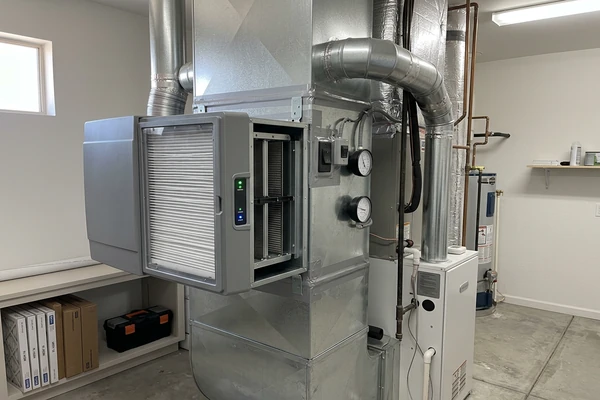
Whole-home air cleaners are sophisticated systems installed directly into your HVAC ductwork, designed to capture and remove a wide spectrum of airborne particles before they can circulate through your home. Unlike portable units that only treat a single room, these systems provide consistent air purification throughout your entire living space.
They come in various forms, including advanced media filters and electronic air cleaners. Advanced media filters boast a higher surface area than standard filters, allowing them to capture significantly more dust, pet dander, pollen, and even microscopic particles that can trigger allergies and asthma. Electronic air cleaners, on the other hand, use an electrostatic charge to attract and trap particles, including those as small as 0.01 microns. Some systems also incorporate active purification technologies, such as ionization, which releases charged ions into the air to clump particles together, making them easier for the filter to capture, or to neutralize odors and volatile organic compounds (VOCs). These comprehensive solutions ensure that every breath you take inside your Phoenix home is cleaner and healthier.
UV Germicidal Lights and Microbial Control
Beyond particulate matter, indoor air quality can be compromised by biological contaminants like mold spores, bacteria, and viruses. These microorganisms thrive in damp environments, and while Phoenix is a dry climate, the internal workings of an HVAC system, especially the evaporator coil, can create condensation that fosters their growth.
UV germicidal lights offer a powerful solution for microbial control. Installed within the HVAC system, typically near the evaporator coil or in the ductwork, these lights emit ultraviolet (UV-C) radiation. This specific wavelength of light is highly effective at destroying the DNA of mold spores, bacteria, and viruses, rendering them inert and preventing them from reproducing and spreading. By continuously sanitizing the air as it passes through the system, UV lights significantly reduce the presence of biological contaminants throughout your home. This not only improves air quality but also helps keep your HVAC coils cleaner, which can contribute to better system efficiency and longevity. For Phoenix homeowners, especially during the humid monsoon season, UV germicidal lights are an invaluable tool in the fight against unseen biological threats.
Essential HVAC Maintenance for Clean Air
While advanced technologies play a crucial role, the foundation of excellent indoor air quality lies in consistent and thorough HVAC maintenance. Regular preventative maintenance ensures that your system operates efficiently, optimizes airflow, and effectively filters the air, preventing the accumulation and circulation of pollutants.
The Role of Regular Duct Cleaning and Sealing
Your home’s ductwork acts as the circulatory system for your HVAC unit, distributing conditioned air throughout your living spaces. Over time, however, ducts can accumulate significant amounts of dust, dirt, allergens, and even mold. This buildup not only becomes a source of indoor air pollutants but also restricts airflow, forcing your HVAC system to work harder and consume more energy.
Regular duct cleaning, performed by qualified professionals, removes these accumulated contaminants, ensuring that your system is circulating clean air. Beyond cleaning, duct sealing is equally critical. Leaks in ductwork, common in older homes or systems that haven’t been properly maintained, can draw in unfiltered air from attics, crawl spaces, or wall cavities. This introduces additional dust, insulation fibers, and other outdoor pollutants directly into your home. These leaks also create pressure imbalances, leading to uneven heating and cooling and significant energy waste. Sealing these leaks improves system efficiency, reduces energy bills, and, most importantly, prevents the infiltration of unwanted indoor pollutants, contributing significantly to a healthier indoor environment.
Upgrading Filters to Enhance Indoor Air Quality
The air filter is your HVAC system’s first line of defense against airborne contaminants. However, not all filters are created equal. Understanding MERV (Minimum Efficiency Reporting Value) ratings is crucial for selecting the right filter for your needs. MERV ratings indicate a filter’s ability to capture particles of various sizes, with higher MERV ratings signifying greater filtration efficiency.
Standard fiberglass filters, often found in homes, typically have a low MERV rating (1-4) and primarily capture larger particles like dust and lint. While they protect your HVAC system, they do little to improve indoor air quality. Upgrading to pleated filters with a MERV rating of 8-13 can significantly enhance air quality by capturing smaller particles such such as pollen, pet dander, mold spores, and even some bacteria. Filters with MERV ratings above 13, often referred to as HEPA-style filters, offer superior filtration, trapping even finer particles like viruses and combustion byproducts. However, it’s important to consult with an HVAC professional before installing high-MERV filters, as they can restrict airflow if your system isn’t designed to handle them, potentially leading to increased energy consumption and system strain. A balanced approach ensures both clean air and optimal HVAC performance.
Here’s a general comparison of MERV filter efficiency and potential airflow impact:
MERV Rating Efficiency (Particle Size Captured) Common Applications Airflow Impact (General) 1-4 >10 microns (dust mites, pollen, textile fibers) Basic residential, window AC Low 5-8 3-10 microns (mold spores, pet dander, hair spray) Standard residential, commercial Moderate 9-12 1-3 microns (legionella, auto emissions, lead dust) Superior residential, hospital labs Moderate to High 13-16 0.3-1 micron (bacteria, sneeze droplets, smoke) Hospitals, surgical suites High 17-20 <0.3 micron (viruses, carbon dust, combustion smoke) Cleanrooms, pharmaceutical Very High Frequently Asked Questions About Home Air Filtration
Home air filtration and maintaining indoor air quality are common concerns for Phoenix residents. Here, we address some frequently asked questions to help you ensure your home environment is as healthy and comfortable as possible.
How often should HVAC filters be replaced in Phoenix?
The frequency of HVAC filter replacement in Phoenix can vary more than in other climates due to several factors. Given our desert environment, dust levels are generally higher, meaning filters can get clogged faster. Additionally, the prolonged and intense summer AC usage puts a greater strain on your system and its filtration. As a general guideline, we recommend checking your HVAC filters monthly and replacing them every 1-3 months. Homes with household pets, residents with allergies or asthma, or those in particularly dusty areas might need to replace filters even more frequently, sometimes as often as every 30 days. Regular inspection is key; if the filter appears dirty or discolored, it’s time for a change. Consistent filter replacement not only improves indoor air quality but also helps maintain your HVAC system’s efficiency and longevity.
Can a standard AC unit control indoor humidity during monsoon season?
While a standard air conditioning unit does offer some level of dehumidification as a byproduct of its cooling process, it may not be sufficient to adequately control indoor humidity during Phoenix’s monsoon season. Our summers bring significant moisture, and if indoor humidity levels remain high, it can lead to discomfort, condensation issues, and an increased risk of mold growth. A standard AC unit is primarily designed to lower temperature, and once the desired temperature is reached, it cycles off, potentially leaving excess moisture in the air.
For optimal humidity control, especially during monsoon season, we often recommend supplementing your AC with a whole-home dehumidifier. These systems are designed specifically to remove moisture from the air without overcooling your home. Integrated directly into your HVAC system, a whole-home dehumidifier works in conjunction with your AC to maintain ideal humidity levels (typically between 30-50%), enhancing indoor comfort, protecting your home from moisture damage, and preventing mold. This specialized approach ensures comprehensive humidity management, which is crucial for a healthy and comfortable Phoenix home.
What are the signs of poor indoor air quality in a home?
Recognizing the signs of poor indoor air quality (IAQ) is crucial for addressing potential problems before they escalate. While some issues might be subtle, others can be quite noticeable. One common indicator is excessive dust buildup on surfaces shortly after cleaning, suggesting that your filtration system isn’t effectively capturing airborne particles.
Health symptoms can also be a strong sign. If you or family members experience persistent allergy symptoms, such as sneezing, coughing, watery eyes, or a runny nose, especially when indoors, poor IAQ could be a contributing factor. Similarly, unexplained headaches, fatigue, or respiratory irritation that improves when you leave the house might point to indoor pollutants. Stale or musty odors, particularly in specific areas or when the HVAC system is running, can indicate mold growth or other biological contaminants. If you notice any of these signs, it’s advisable to have your indoor air quality professionally assessed. Early detection and intervention can prevent more serious health issues and costly home repairs.
Conclusion
Maintaining exceptional indoor air quality in Phoenix, AZ, is not merely a matter of comfort; it’s a critical component of a healthy home environment. Given our unique desert climate, proactive measures are essential to combat dust, allergens, and humidity-related issues. By understanding the challenges and leveraging professional HVAC solutions, homeowners can significantly improve the air they breathe. From advanced air purification technologies like whole-home air cleaners and UV germicidal lights to diligent maintenance practices such as regular duct cleaning, sealing, and strategic filter upgrades, every step contributes to a cleaner, safer, and more comfortable living space. Investing in these solutions and partnering with experienced HVAC professionals ensures long-term health benefits and peace of mind, allowing you to enjoy your Phoenix home to its fullest, regardless of what the weather outside brings.
