
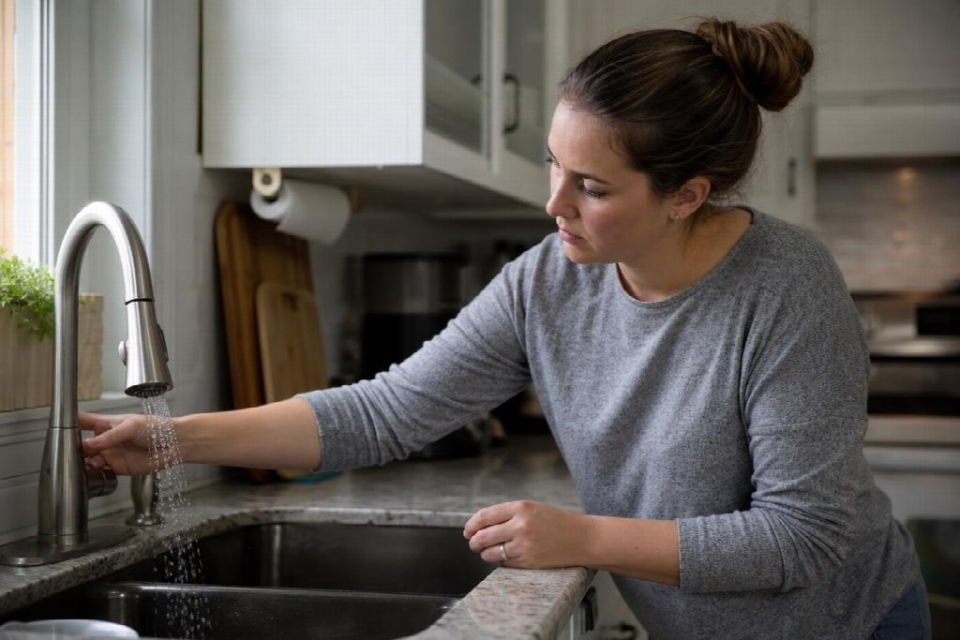
Low water pressure is one of those problems that starts as a minor annoyance and quietly gets worse. If your shower feels weak or your kitchen faucet barely trickles, something in your plumbing system is working against you. In Grand Rapids, older homes and the area’s hard water are two of the most common culprits. Grapids Home Services, a Grand Rapids HVAC, plumbing, and electrical company serving West Michigan since 1999, breaks down the most likely causes and what homeowners can do about them.
The Most Common Causes of Low Water Pressure
Most plumbing pressure issues in Grand Rapids homes trace back to a short list of diagnosable problems. Some you can fix yourself in minutes; others need a licensed plumber. Many homes in Heritage Hill and along older streets near downtown were built before 1970 and still carry original galvanized supply lines, and West Michigan’s hard water accelerates the mineral scale that narrows those pipes.
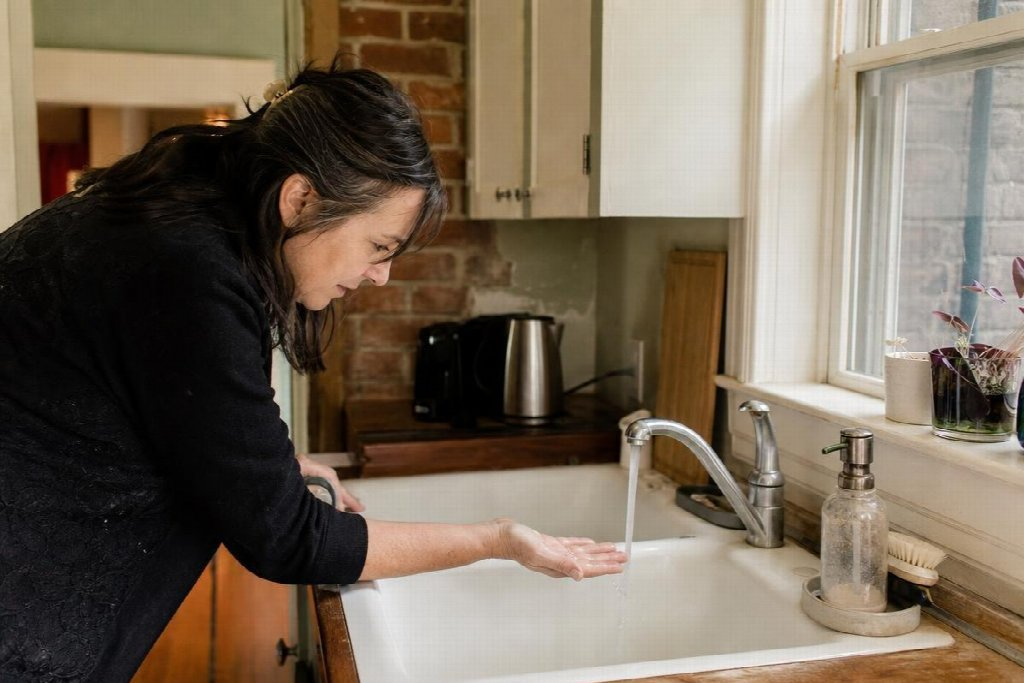
A Partially Closed Shutoff Valve
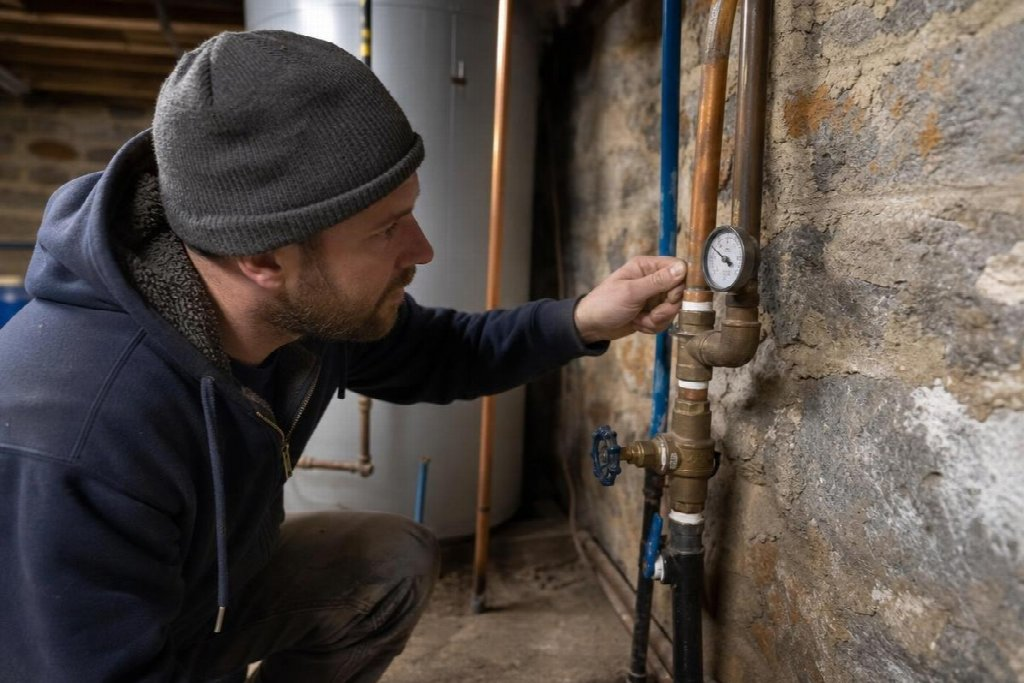
The main shutoff valve sits near the water meter, usually in a Michigan basement or utility room. Ball valves must run parallel to the pipe to open fully; gate valves must be turned fully counterclockwise. If a repair crew left the valve partially closed, that alone can cut pressure throughout the house. Check it first.
Mineral Buildup Inside Your Pipes
West Michigan’s hard water carries calcium and magnesium that deposit as scale inside older galvanized steel pipes, slowly narrowing the bore until flow drops sharply. A water softener slows future buildup but cannot clear existing scale. For homes in Alger Heights or East Hills with original pre-1980 pipes, repiping is often the only lasting fix.
A Failing Pressure Regulator
Most homes have a bell-shaped pressure-reducing valve (PRV) on the main supply line, preset to deliver 45–80 PSI. When it fails, pressure can drop or spike without warning. A pressure gauge threaded onto an outdoor hose bib—available at hardware stores for under $15—gives a quick reading. Below 40 PSI points to a PRV that needs adjustment or replacement.
Corroded or Aging Pipes
Homes built before 1970 often still have original galvanized steel supply lines that corrode from the inside out, narrowing the opening and sometimes tinting water orange or brown. Repiping with copper or PEX is the permanent solution. A Grapids Home Services’ plumbing inspection can confirm how much original piping remains and what condition it is in.
A Clogged Faucet Aerator or Fixture Screen
If only one fixture has weak flow, the aerator—the small mesh screen on the faucet tip—is usually the culprit. Unscrew it, soak it in white vinegar for an hour to dissolve the scale, rinse, and reattach. Showerheads clog the same way and clear with the same method. This fix costs nothing.
A Hidden Leak in Your Plumbing
A supply-line leak pulls water away before it reaches your fixtures. Signs include unexplained wet spots, a water bill that jumped without a usage change, or the sound of running water when everything is off. Shut off all fixtures and watch the water meter dial for 15 minutes—if it moves, you likely have a leak and should call a plumber before damage spreads.
Frequently Asked Questions
What is considered normal water pressure for a home?
Normal residential pressure falls between 45 and 80 PSI, with 60 PSI as the ideal target. Below 40 PSI, fixtures feel weak; above 80 PSI, pipe joints and appliance inlet valves take on unnecessary stress. An inexpensive gauge on an outdoor hose bib gives you an instant reading.
Can low water pressure damage my appliances?
Yes. Dishwashers and washing machines extend fill cycles under low pressure, straining inlet valves over time. Tankless water heaters are especially sensitive—most require a minimum flow rate to trigger the heating element, and if pressure falls below that threshold, the heater will not activate.
Why does my water pressure drop when I run two fixtures at once?
A small dip with simultaneous demand is normal. A dramatic drop points to undersized supply lines, a partially closed shutoff valve, or heavy mineral scale inside older galvanized pipes. A licensed plumber can determine whether repiping or a pressure booster pump is the better solution.
Does Grand Rapids municipal water affect home water pressure?
The city’s system is generally stable, but pressure can dip during peak demand or after a nearby main break. If problems follow an early-morning or evening pattern, contact the City of Grand Rapids Water Department first—the issue may be on the public main rather than inside the home.
How much does it cost to fix low water pressure?
Cost depends on the cause. Cleaning a clogged aerator costs nothing. Replacing a pressure-reducing valve typically runs a few hundred dollars in parts and labor. Repiping varies by home size and material. Grapids Home Services offers free estimates so homeowners know the full cost before work begins, and a Grapids Home Services’ plumbing inspection can pinpoint the root cause before it becomes a bigger problem.
About Grapids Home Services
Grapids Home Services is a Grand Rapids-based HVAC, plumbing, and electrical company founded in 1999 by D. Nathan Engelsma. The company holds a BBB A+ Rating and is BBB Accredited and HomeAdvisor Screened and Approved. Licensed and insured in Michigan, its plumbers work on everything from original galvanized supply lines in century-old homes to modern PEX systems in newer subdivisions. The company serves homeowners across the greater Grand Rapids area, including communities throughout Kent County, from its office at 3325 3 Mile Road NW, Grand Rapids, MI 49534.
Business Name: Grapids Home Services
Address: 3325 3 Mile Road Northwest, Grand Rapids, MI 49534
Phone number: (616) 210-3456
