
Understanding the Core of Home Maintenance and Repair
To effectively manage our homes, it’s crucial to distinguish between maintenance and repair. While often used interchangeably, they represent distinct aspects of home care, both vital for preserving our property’s integrity and value.
Home Maintenance refers to the routine, preventative tasks undertaken to keep our home systems and components in good working order. These are proactive measures designed to prevent issues from arising or escalating. Think of it as keeping your home healthy through regular check-ups and good habits. Examples include changing HVAC filters, cleaning gutters, or lubricating moving parts of a garage door.
Home Repair, on the other hand, involves addressing existing problems or malfunctions. These are reactive measures taken when something is already broken, damaged, or no longer functioning as it should. Fixing a leaky faucet, patching a hole in a wall, or repairing a damaged roof shingle are all examples of home repairs.
The critical difference lies in timing and intent. Maintenance is about prevention; repair is about correction. Embracing a preventative approach through consistent home maintenance can significantly reduce the frequency and severity of necessary repairs. For instance, addressing minor issues like a damp basement with proper waterproofing home maintenance and repair can prevent extensive structural damage and costly mold remediation down the line.
The benefits of prioritizing maintenance are clear: it protects our property’s value, ensures the safety and comfort of our households, and helps us avoid the stress and expense of emergency repairs. A well-maintained home is not only more enjoyable to live in but also more attractive to potential buyers should we decide to sell.
Here’s a comparison of routine maintenance tasks versus common emergency repairs:
Routine Maintenance Tasks Common Emergency Repairs Changing HVAC air filters Burst pipes or severe leaks Cleaning gutters and downspouts Roof damage from storms Testing smoke and carbon monoxide detectors Electrical outages or sparking outlets Lubricating garage door moving parts HVAC system failure in extreme weather Inspecting roof for minor wear Gas leaks Checking for leaky faucets and toilets Sewer line backups Cleaning dryer vents Garage door off track or broken springs Sealing cracks in driveways/walkways Foundation cracks causing immediate threat Essential Monthly and Seasonal Checklists
A structured approach to home maintenance, guided by monthly and seasonal checklists, is the cornerstone of responsible homeownership. It transforms overwhelming tasks into manageable actions, ensuring no critical area is overlooked.
Monthly Home Maintenance Tasks
Our monthly routine should focus on quick checks and minor upkeep that keep essential systems running smoothly and ensure safety.
- HVAC Air Filters: Change air filters in HVAC systems at least once every three months, or more frequently if we have pets, allergies, or live in a dusty environment. This simple task significantly improves air quality and system efficiency.
- Smoke and Carbon Monoxide Detectors: Test these vital safety devices monthly. Batteries should be checked twice a year (a good reminder is when daylight saving time changes), and the units themselves should be replaced every 10 years.
- Gutter Clearance: Briefly check gutters and downspouts for any immediate clogs, especially after heavy winds or rain. While a thorough cleaning is seasonal, a quick visual can prevent immediate overflows.
- Faucet Aerators: Clean faucet aerators every three to four months to remove mineral buildup and maintain good water flow.
- Drains: Run water and check for slow drainage in all sinks and tubs. Pouring a mixture of baking soda and vinegar can help keep drains clear.
- Garbage Disposal: Clean regularly by grinding ice cubes and citrus peels to remove buildup and odors.
- Safety Devices: Beyond smoke/CO detectors, check fire extinguishers (monthly pressure gauge check), and test ground fault circuit interrupter (GFCI) outlets.
- Water Heater: Flush a gallon or two of water from the bottom of the water heater to remove sediment, which can improve efficiency and extend its lifespan.
Spring and Summer Home Maintenance and Repair Tasks
As the weather warms, our focus shifts to preparing our home’s exterior for the elements and ensuring cooling systems are ready.
- Roof Inspection: A qualified roofer should inspect our roof every three years. However, we should visually inspect it annually after winter for missing shingles, damaged flashing, or debris. Addressing minor issues early can prevent major leaks.
- AC Servicing: Schedule professional HVAC maintenance in early spring to ensure our air conditioning system is running efficiently before peak summer heat. This includes cleaning coils, checking refrigerant levels, and inspecting electrical components.
- Window and Door Caulking: Inspect the caulking around windows and doors. If it’s cracked or peeling, replace it to improve energy efficiency and prevent water intrusion.
- Deck and Patio Maintenance: Clean and re-seal or stain wooden decks and fences to protect them from sun and moisture damage.
- Foundation Checks: Walk around the foundation, looking for any new cracks or signs of shifting. Small cracks can often be sealed, but larger ones may indicate a more serious issue requiring professional assessment.
- Exterior Paint and Siding: Inspect paint for peeling or blistering, and siding for damage or loose panels. Timely repainting or repair protects the home’s structure and curb appeal. For homes with stucco, understanding its unique maintenance needs and potential issues is key. If we observe cracks or damage, seeking Forensic stucco home repair can identify underlying problems and ensure proper restoration, preventing further water intrusion or structural issues.
- Landscaping Drainage: Ensure proper drainage away from the foundation. Clear debris from window wells and ensure downspouts extend at least 2-3 feet from the house.
Fall and Winter Home Maintenance and Repair Strategies
With colder months approaching, our efforts turn to weatherproofing, heating systems, and preventing winter-related damage.
- Heating Systems: Schedule professional furnace or boiler maintenance in early fall. This ensures our heating system is safe and efficient for the cold season.
- Chimney Cleaning: If we have a fireplace, a CSIA-Certified chimney sweep should inspect and clean it annually, especially before the first use of the season. This prevents creosote buildup, which can cause chimney fires.
- Insulation Check: Inspect attic and wall insulation for proper coverage and R-value. Adding insulation can significantly improve energy efficiency.
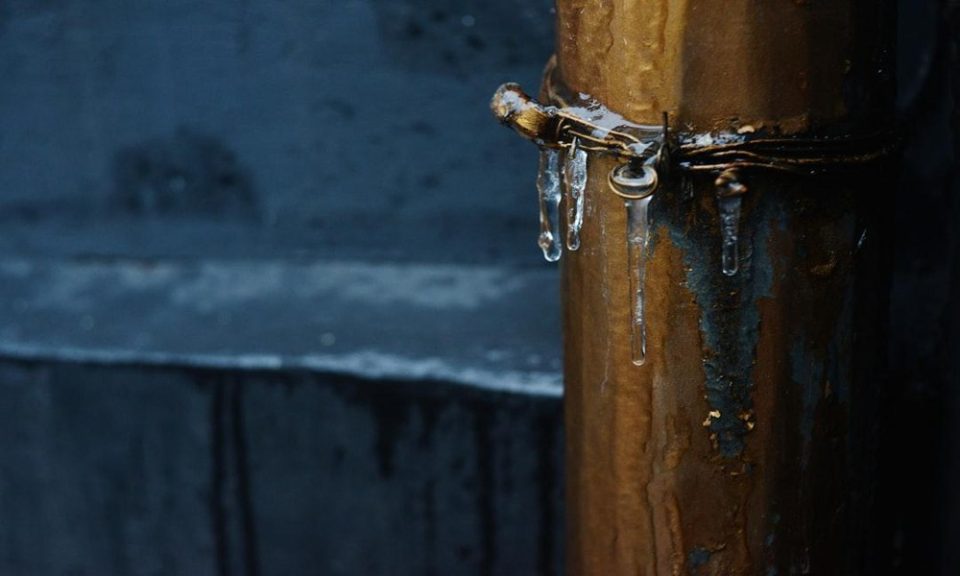
- Pipe Winterization: In regions prone to freezing temperatures, drain and turn off outdoor faucets. Insulate exposed pipes in unheated areas like basements, crawl spaces, and garages to prevent costly bursts.
- Weather Stripping: Check and replace worn weather stripping around doors and windows to seal drafts and reduce heat loss.
- Sump Pump Testing: Test our sump pump by pouring water into the pit to ensure it activates. This is crucial for preventing basement flooding during heavy rains or snowmelt.
- Pest Proofing: Seal any cracks or openings in the exterior walls, foundation, and around utility penetrations to deter pests seeking shelter from the cold.
- Store Firewood: Store firewood outside, away from the house and not directly on the ground, to prevent pest infestations and moisture issues.
Protecting the Building Envelope and Structural Integrity
The building envelope-our roof, walls, windows, and foundation-is our home’s primary defense against the elements. Maintaining its integrity is paramount to preventing water damage, energy loss, and structural deterioration.
- Roofing Longevity: Beyond annual inspections by a qualified roofer, regularly clear debris like leaves and branches. Ensure proper attic ventilation to prevent moisture buildup and extend the life of our roof shingles.
- Siding Maintenance: Keep siding clean and free of mold or mildew. Promptly repair any loose panels, cracks, or holes to prevent water from penetrating the wall structure.
- Attic Ventilation: Adequate attic ventilation is crucial for regulating temperature and moisture, preventing ice dams in winter and excessive heat buildup in summer. Ensure vents are clear and unobstructed.
- Subfloor Moisture: Regularly check basements and crawl spaces for signs of dampness, mold, or mildew. Proper ventilation and, if necessary, a dehumidifier or vapor barrier can prevent costly moisture-related issues.
- Termite Prevention: Termites can cause significant structural damage. Schedule annual professional termite inspections. Ensure there’s adequate clearance between the ground and any wooden structures of the house.
- Garage Door Maintenance: Our garage door is a significant moving part of our home’s exterior. It’s essential to keep it well-maintained. We should oil the moving parts of our garage doors every three months to ensure smooth operation and prevent wear. This includes rollers, hinges, and springs. Regularly check the weather seals around the door’s perimeter and the bottom to ensure they are intact and preventing drafts, water, and pests. If we encounter a sudden issue, like a door that won’t open or close, or unusual noises, seeking Good Golly Helendale emergency installation or repair can prevent security risks and further damage.
- Weather Seals: Beyond the garage, inspect and replace weather seals around all exterior doors and windows. This is a simple yet effective way to improve energy efficiency and protect against moisture intrusion.
Identifying When to DIY and When to Call a Professional
Many home maintenance and minor repair tasks are well within the capabilities of the average homeowner, saving money and fostering a sense of accomplishment. However, knowing our limits and when to call a professional is equally important for safety and effective problem-solving.
Common DIY Tasks
- Leaky Faucets: Often, a leaky faucet can be fixed by replacing a worn washer or O-ring. This is a straightforward task with readily available parts.
- Clogged Drains: For minor clogs, a plunger or a simple plumber’s snake can often clear the obstruction. Natural drain cleaners (baking soda and vinegar) are also effective for maintenance.
- Wall Patching: Small holes from nails or minor dings can be easily patched with spackling compound, sanded smooth, and repainted.
- Changing Light Fixtures: Replacing a basic light fixture is generally a safe DIY task if we remember to turn off the power at the circuit breaker first.
- Appliance Maintenance: Cleaning refrigerator coils, replacing vacuum cleaner belts, or cleaning dryer lint traps are all simple tasks that extend appliance life.
Essential Tools for Every Homeowner
Having a basic toolkit can make many DIY tasks much easier:
- Screwdrivers (Phillips and flathead)
- Hammer
- Pliers (various types)
- Adjustable wrench
- Tape measure
- Utility knife
- Level
- Stud finder
- Caulk gun
- Safety glasses and work gloves
When to Call a Professional
For more complex, dangerous, or potentially costly issues, professional expertise is invaluable.
- Electrical Hazards: Any issues involving flickering lights, sparking outlets, persistent circuit breaker trips, or exposed wiring should be handled by a licensed electrician. Electrical work can be extremely dangerous.
- Structural Cracks: Large or spreading cracks in the foundation, walls, or ceilings often indicate structural issues that require assessment by a structural engineer or a qualified contractor. Ignoring these can lead to catastrophic failure.
- Major Plumbing Issues: Persistent leaks, low water pressure throughout the house, sewer line problems, or water heater malfunctions are best left to a licensed plumber.
- HVAC System Failures: While filter changes are DIY, breakdowns, refrigerant leaks, or complex diagnostic issues with our furnace or AC unit require a certified HVAC technician.
- Hazardous Materials: Discovering or suspecting hazardous materials like asbestos (common in homes built before 1980s) or lead paint (in homes built before 1978) requires professional handling. Attempting to remove these ourselves can release dangerous fibers or dust, posing serious health risks. Experts can assess, contain, or safely remove these materials in accordance with approved methods and regulations.
- Roof Damage: While a visual inspection is DIY, actual roof repairs, especially involving significant damage or leaks, should be done by a qualified roofer to ensure proper sealing and warranty validity.
- Pest Infestations: For severe pest infestations, particularly termites, professional pest control is necessary to eradicate the problem effectively and prevent recurrence.
- Professional Diagnostic Tools: Professionals also bring specialized diagnostic tools, like thermal imaging cameras, which can detect hidden leaks, insulation gaps, and electrical hot spots that are invisible to the naked eye, allowing for precise and efficient repairs.
Frequently Asked Questions about Home Maintenance and Repair
How much should I budget for annual home upkeep?
Budgeting for home maintenance and repairs is a crucial aspect of responsible homeownership. While there’s no one-size-fits-all answer, a widely accepted guideline suggests that homeowners should budget 1-4% of their home’s value annually for maintenance and repairs. For example, on a $300,000 home, this equates to $3,000-$12,000 per year.
Several factors influence where our home falls within this range:
- Age of Property: Older homes generally require more maintenance and repairs than newer ones due to aging systems and materials.
- Condition Assessment: A home that has been neglected will likely require a higher budget initially to bring it up to standard.
- Planned Improvements: If we’re planning significant upgrades or renovations, these costs will be separate from routine maintenance but might influence our overall home spending.
- Emergency Fund: It’s also wise to have a separate emergency fund for unexpected, major repairs that fall outside the annual maintenance budget.
- Location and Climate: Homes in areas with extreme weather conditions (e.g., heavy snow, high humidity, or intense sun) might face more wear and tear, necessitating a higher budget.
We recommend setting aside a portion of our budget monthly, even if we don’t spend it all, to build up a reserve for larger, less frequent maintenance tasks or unexpected repairs.
How often should I have my roof and HVAC system inspected?
Regular inspections of our roof and HVAC system are vital for their longevity, efficiency, and our home’s overall health.
- Roof Inspections: While we can perform visual checks annually, a qualified roofer should inspect our roof every three years. This professional assessment can identify subtle issues like loose shingles, damaged flashing, or early signs of wear that might be missed during a homeowner’s visual check. Proactive inspections can extend the life of our roof and prevent costly leaks.
- HVAC System Inspections: Our HVAC system (heating, ventilation, and air conditioning) benefits greatly from seasonal tune-ups. We should aim for one professional service visit in the spring for our AC unit and another in the fall for our heating system. Beyond professional tune-ups, we should change our HVAC air filters at least once every three months, or more frequently as mentioned earlier. Regular filter replacement and professional servicing are critical for maintaining system longevity, ensuring optimal energy efficiency, and preserving indoor air quality.
What are the warning signs of serious structural or water damage?
Early detection of serious issues can save us from extensive and costly repairs. We should be vigilant for these warning signs:
- Efflorescence: This is a white, powdery, or crystalline deposit on masonry surfaces (like basement walls). It’s crystallized soluble salt left behind by evaporating water, indicating moisture intrusion. It can often be removed by scrubbing with water and a stiff brush, but the underlying moisture source must be addressed.
- Foundation Cracks: While small hairline cracks are common, larger cracks (wider than 1/4 inch), horizontal cracks, or cracks that are growing or allowing water seepage are serious warning signs. These can indicate foundation settlement or structural movement and require immediate professional assessment.
- Dampness and Mold: Persistent dampness in basements, crawl spaces, or walls, often accompanied by a musty odor or visible mold growth, is a clear indicator of water intrusion or high humidity. This can lead to wood rot, compromised air quality, and structural damage.
- Salt Damage: Similar to efflorescence, salt damage can manifest as crumbling or flaking masonry, especially near the ground level. This indicates prolonged exposure to moisture and salts, which can deteriorate building materials.
- Termite Activity: Signs of termites include mud tubes on foundations or walls, discarded wings near windows or doors, hollow-sounding wood, or small holes in wooden surfaces. Termites can cause extensive hidden damage, so professional inspection and treatment are crucial.
- Water Stains: Discolored patches on ceilings, walls, or around windows and doors are tell-tale signs of water leaks. These could originate from the roof, plumbing, or condensation issues.
If we observe any of these serious warning signs, it’s always best to consult with a qualified professional. Ignoring them can lead to escalating damage, significant repair costs, and even compromise the safety of our home.
