

Introduction
Our home is often our most significant investment. It is also our sanctuary. Protecting it from the elements is key. This means taking care of its exterior.
Regular home exterior maintenance is vital. It helps preserve your home’s value. It also boosts its curb appeal. More importantly, it acts as your home’s first line of defense. This preventive care saves us from costly repairs later. It ensures the structural integrity of our property.
We will explore essential strategies. We will cover everything from roof care to foundation protection. We will also look at thoughtful landscaping and seasonal tasks. Our goal is to help you keep your home safe, beautiful, and long-lasting.
Mastering Home Exterior Maintenance: Roof and Gutter Defense
The roof is your home’s primary shield against rain, snow, sun, and wind. Neglecting it can lead to costly interior damage, structural issues, and even mold growth. Therefore, regular inspections and timely maintenance are paramount.
We recommend inspecting your roof at least twice a year-ideally in the spring and fall-and always after any significant storm. During these inspections, look for specific signs of damage. Missing shingles are an obvious red flag, as they expose the underlying layers to moisture. Cracked, curling, or buckling shingles also indicate wear and tear, reducing their effectiveness and signaling that their lifespan may be nearing its end. Pay close attention to flashing around chimneys, vents, skylights, and valleys. Cracked or loose flashing can create direct entry points for water.
Additionally, observe any moss or algae accumulation. While often just an aesthetic issue, heavy moss can trap moisture against the shingles, leading to premature deterioration. A soft brush or a specialized moss treatment can help manage this, but a pressure washer should be used with extreme caution, only with appropriate attachments and at low settings, to avoid damaging the shingles.
Beyond the roof itself, your gutter system plays a critical role in directing water away from your home. Clogged or damaged gutters are a leading cause of water damage to foundations, siding, and landscaping. We advise cleaning your gutters at least twice a year, typically in late spring after tree pollen and seeds fall, and again in late fall once all leaves have dropped. Homes surrounded by many trees may require more frequent cleaning.
When cleaning, ensure that downspouts are clear and properly extended. Downspout extensions should direct water at least six feet away from your home’s foundation to prevent pooling and potential basement leaks. If your gutters frequently clog, consider installing a gutter guard system. Options like those using surgical stainless steel micro-mesh technology can effectively keep out debris while allowing water to flow freely, significantly reducing the frequency of manual cleaning. While cleaning gutters is no one’s favorite task, this preventative measure is crucial.

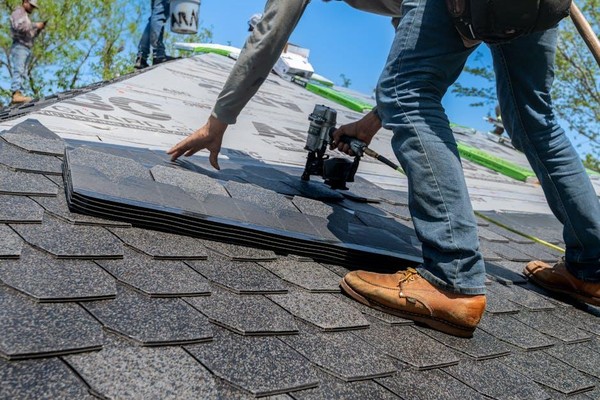
For minor roof repairs, such as replacing a damaged shingle, many homeowners can tackle this DIY. It typically takes about 10 minutes per shingle. However, it’s crucial to avoid working on the roof in hot weather, as shingles can become soft and easily damaged. Patching leaky gutters is another common DIY fix; clean the area with a wire brush, apply roofing cement, embed a mesh patch, and then recoat. However, for extensive damage, persistent leaks, or any concerns about safety or structural integrity, we always recommend consulting a professional roofer. Proactive maintenance of your roof and gutters not only protects your home’s structure but also safeguards other exterior elements, such as your Low-maintenance exterior cladding, from water runoff and splash-back damage. Catching minor issues early can save you from significant expenses down the line.
Structural Integrity: Siding, Windows, and Foundation Protection
The exterior walls of your home, including siding, windows, and the foundation, are critical components that contribute to both its aesthetic appeal and structural integrity. Regular inspections of these elements are essential to identify and address issues before they escalate into major problems.
When inspecting your siding, look for cracks, peeling paint, or moisture damage. Even seemingly minor cracks can allow water to penetrate, leading to rot, mold, and pest infestations within your walls. Peeling paint not only looks unsightly but also indicates that the paint’s protective barrier is compromised, leaving the underlying material vulnerable. For homes with wood siding, we generally recommend repainting every 3 to 7 years, depending on the climate and exposure. Aluminum siding typically needs repainting every 5 years. Beyond paint, check for mildew or algae, especially on shaded sides of the house, and clean them promptly with a mild detergent and a soft brush, or with a low-pressure wash.
Windows and doors are common culprits for energy loss and pest intrusion if not correctly maintained. We advise regularly inspecting the caulking and weatherstripping around all windows and doors. Over time, caulk can crack, shrink, or pull away, creating gaps that allow drafts, moisture, and insects to enter your home. Similarly, worn or damaged weatherstripping compromises your home’s energy efficiency. Sealing these gaps is a simple yet effective way to prevent energy loss, keep pests out, and protect your home from water intrusion. For larger gaps or recurring issues, you might need to remove old caulk and apply a fresh bead, or replace the weatherstripping entirely.
Sealant Type Best Use Cases Pros Cons Acrylic Latex Interior/Exterior trim, small gaps Easy to apply, paintable, water cleanup Less flexible, shorter lifespan, not for high-movement joints Silicone Windows, doors, bathrooms, high-movement joints Highly flexible, durable, waterproof, long-lasting Can be challenging to paint, harder to clean up Polyurethane Foundations, concrete, driveways, significant gaps Very durable, flexible, strong adhesion, paintable Can be messy, requires mineral spirits for cleanup, longer cure Butyl Rubber Gutters, flashing, metal roofing Excellent water resistance, flexible, good adhesion to metal Messy to apply, difficult to paint, strong odor Your home’s foundation is its bedrock, and protecting it from water damage is critical. We recommend a diligent inspection of your foundation for any cracks. While hairline cracks are common and often superficial, pay close attention to any cracks that are wider than a dime, appear wider at one end, or show signs of growing over time. These could indicate more serious structural issues that warrant a professional evaluation.
Equally important is ensuring proper yard grading around your foundation. The ground should slope away from your house at a rate of at least six inches over the first ten feet. This directs rainwater away, preventing it from pooling against the foundation walls, which can lead to leaks, hydrostatic pressure, and even foundation damage. If your yard has low spots or inadequate grading, consider adding soil to build up the grade. For persistent water issues, solutions like French drains or a properly functioning sump pump system in your basement or crawl space can be invaluable. We advise testing your sump pump before the spring rainy season to ensure it’s in good working order. By diligently maintaining your siding, windows, and foundation, we protect our homes from the ground up.
Landscaping and Tree Safety Strategies
While often viewed as purely aesthetic, your home’s landscaping plays a significant role in its exterior maintenance and protection. Trees, shrubs, and the overall grading of your yard can either safeguard your home or contribute to its deterioration if not properly managed.
One of the most crucial aspects of tree maintenance around your home is managing overhanging branches. Branches that extend over your roof or close to your siding pose a significant risk, especially during storms. Strong winds can cause branches to scrape against your roof, damaging shingles, or even break off and fall onto your house, leading to extensive structural damage. We recommend trimming any branches within 10 feet of your roofline or siding. This proactive measure can prevent costly repairs and extend the lifespan of your roof and exterior walls.
Safety is paramount when dealing with trees, particularly those near power lines. We strongly advise homeowners to maintain a safe distance of at least 3 meters (about 10 feet) from all power lines. Attempting to trim trees near these lines yourself can be extremely dangerous and even fatal due to the risk of electrocution or arcing. In such cases, it is imperative to hire a qualified utility arborist. These professionals are trained and equipped to safely trim trees near live electrical wires, ensuring the safety of your property and the surrounding community. For broader landscape projects, such as preparing land for new construction or significant garden redesigns, specialized services for land clearing site preparation can ensure your property is ready for its next phase, minimizing future maintenance challenges.
Beyond trees, general yard maintenance contributes significantly to your home’s longevity. Regular Quality lawn maintenance helps keep your property looking its best and healthy. Applying mulch to flower beds and around trees is not just for appearance; it helps retain soil moisture, suppresses weed growth, and moderates soil temperature, benefiting your plants and reducing your workload. We also encourage promptly removing yard debris, such as fallen leaves and branches. Accumulations of organic matter can trap moisture against your home’s foundation or siding, creating an inviting environment for pests like insects and rodents.
Furthermore, we must address any low areas or depressions in your yard. These spots can collect rainwater, leading to pooling that can seep into your foundation or create breeding grounds for mosquitoes. Filling these low spots with soil helps ensure proper drainage and eliminates potential mosquito breeding sites, contributing to a healthier, safer outdoor environment for your family. By proactively managing your landscaping and trees, we not only enhance our home’s curb appeal but also reinforce its defenses against environmental wear and tear.
Seasonal Checklists and System Upkeep
Effective home exterior maintenance isn’t a one-time event; it’s a continuous, seasonal cycle that adapts to the changing demands of the environment. By following a seasonal checklist, we can ensure our homes are prepared for whatever weather comes our way, preserving their condition and functionality.
Spring: As winter loosens its grip, spring is the ideal time to assess and prepare for warmer months. We focus on our HVAC system, specifically the air conditioning unit. A thorough inspection of the exterior AC unit and removal of accumulated leaves or debris ensures optimal airflow and efficiency. This is also a good time to test your sump pump, if you have one, before heavy spring rains. Ensure it turns on and drains properly to prevent basement flooding.
Summer: With long, warm days, summer is perfect for outdoor projects. If you have a wood deck, summer is the time to clean, stain, or seal. Wood decks typically need re-staining every two or three years, depending on the environment and wear. This protects the wood from UV rays and moisture, extending its life. We also find summer to be an excellent period for pressure washing exterior walls, driveways, and fences, removing accumulated dirt, grime, and mildew that can degrade surfaces over time. It’s best to do this after the spring rainy season to avoid excessive mud splash-back.
Fall: As leaves begin to fall, our attention shifts to preparing for winter. Gutter cleaning becomes paramount to prevent clogs from leaves and debris, which can lead to ice dams and water damage. Rake leaves from your yard to prevent them from smothering your lawn and creating damp conditions conducive to pests. It’s also crucial to winterize your sprinkler system by blowing out the lines to avoid freezing and bursting pipes.
Winter: While outdoor tasks are fewer, a few critical items remain. Draining garden hoses and insulating outdoor faucets are essential to prevent freezing and costly pipe bursts.
Beyond seasonal tasks, some systems require ongoing attention:
- HVAC Filters: The frequency of changing HVAC filters depends on their size. We recommend changing 1-inch filters monthly, 2-inch filters every 2 months, and 4- to 5-inch filters every 6 to 12 months. Regular filter changes improve air quality and the efficiency of your HVAC system.
- Garage Doors: For safety, we test the auto-reverse feature of our garage doors. Place a 2×4 board flat on the ground in the path of the closing door. The door should stop and reverse upon contact. This federal safety standard for openers manufactured after January 1, 1991, is crucial for preventing accidents.
- Septic Systems: If your home has a septic tank, we advise having it pumped out every 3 to 5 years and inspected by a certified professional every 2 years. This prevents costly backups and ensures the system’s longevity.
- Driveways: Regular maintenance significantly extends their lifespan. Asphalt driveways, for example, can last almost 30 years with proper installation and annual maintenance, such as filling cracks and applying sealer. Concrete driveways, with proper care, should last 25 to 30 years. Sealing cracks immediately prevents water from penetrating and causing more extensive damage.
By adhering to these seasonal checklists and keeping key systems well-maintained, we can proactively protect our homes from wear and tear, ensuring their comfort, safety, and value year-round.
Frequently Asked Questions about Home Exterior Maintenance
Home exterior maintenance can feel overwhelming, but breaking it down into manageable questions can make it less daunting. Here, we address some common inquiries to help you navigate your home care routine.
How often should I perform home exterior maintenance?
We advocate a biannual maintenance schedule, with comprehensive evaluations in the spring and fall. These periods allow us to assess any damage from the previous season and prepare for the upcoming one. Additionally, we conduct quick post-storm walk-throughs to check for immediate damage. Monthly checks for items like HVAC filters are also crucial. For specific critical systems or areas, we recommend annual professional inspections to catch issues that might be missed during DIY checks.
When is it time to hire a professional for home exterior maintenance?
While a diligent homeowner can handle many tasks, certain situations unequivocally call for professional expertise. We advise hiring professionals for:
- Roof leak repairs: Especially if the source is difficult to pinpoint or involves extensive damage.
- Foundation structural issues: Any cracks wider than a dime or showing signs of movement require a structural engineer’s assessment.
- Chimney cleaning: An annual inspection and cleaning by a CSIA-Certified chimney sweep is vital for fire safety.
- Tree pruning near power lines: As discussed, this is a high-risk task best left to licensed utility arborists.
- Septic system inspections: Certified professionals are needed for thorough inspections and pumping.
- Complex HVAC servicing: Beyond filter changes and annual tune-ups, repairs should be handled by licensed technicians.
When in doubt about a task’s complexity, safety, or potential for damage, we always err on the side of professional assistance.
What are the most critical DIY exterior repairs for homeowners?
Empowering ourselves with basic DIY repair skills can save money and prevent minor problems from becoming large ones. We consider the following among the most critical DIY exterior repairs:
- Sealing driveway cracks: Using appropriate sealants for asphalt or concrete can prevent water penetration and extend driveway life.
- Replacing damaged shingles: A relatively quick fix that prevents roof leaks.
- Recaulking windows and doors: Essential for energy efficiency, pest prevention, and moisture control.
- Cleaning gutters: A fundamental task to prevent water damage to your foundation and siding.
- Testing sump pumps: Ensuring they work before heavy rains is a simple but vital preventative measure.
- Replacing weatherstripping: An easy way to seal drafts and improve insulation around doors and windows.
These tasks are generally straightforward and require minimal specialized tools, offering significant returns on our time and effort.
Conclusion
Protecting our home’s exterior is not merely a chore; it’s a strategic investment in its long-term value, safety, and beauty. By embracing a proactive approach to maintenance, we move beyond simply reacting to problems and instead anticipate and prevent them. This shift from reactive to proactive repairs not only saves us significant financial resources in the long run but also ensures the structural integrity and efficiency of our living spaces.
The strategies we’ve discussed, from diligent roof and gutter care to meticulous foundation protection and thoughtful landscaping, collectively safeguard our homes against the relentless forces of nature. Consistency in these efforts-adhering to seasonal checklists, performing regular inspections, and knowing when to call in professionals-is the cornerstone of a well-maintained home.
A well-cared-for exterior reflects pride of ownership, enhances our neighborhood’s aesthetics, and provides a safe, comfortable environment for our families. Let us commit to this ongoing journey of care, ensuring our homes remain resilient, beautiful, and valuable for generations to come.
