
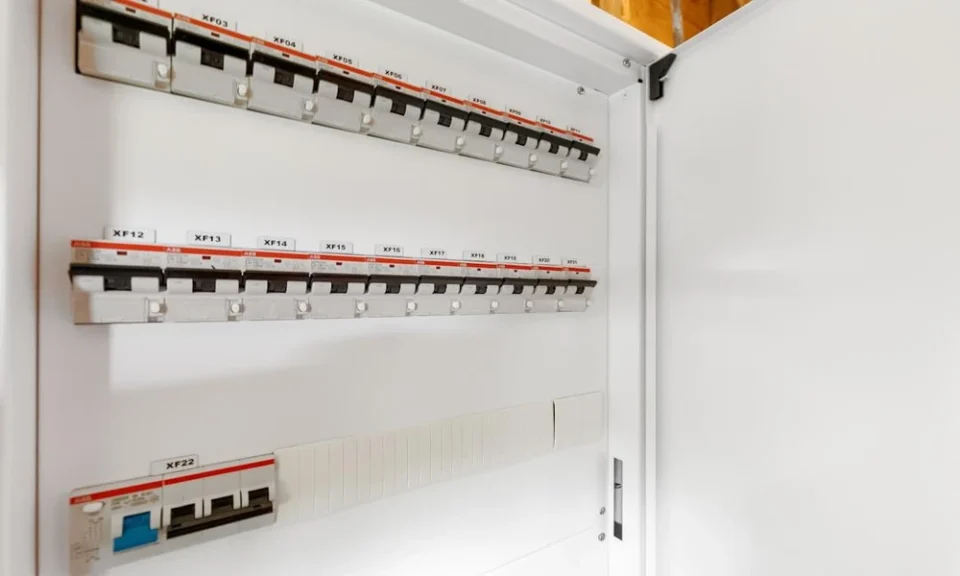
The Evolution of Residential Electrical Services
As we move further into the 21st century, residential electrical systems are undergoing a significant transformation. What was once a basic necessity has evolved into a complex network supporting smart homes, electric vehicles, and sophisticated energy management. Modernizing your home’s electrical infrastructure is no longer just about fixing problems; it’s about enhancing efficiency, safety, and future readiness.
A crucial aspect of this evolution involves upgrading outdated electrical panels. Many homes, especially those built decades ago, still rely on panels that were never designed to handle the power demands of today’s appliances and electronics. These older panels can lead to frequent circuit trips, flickering lights, and even safety hazards. Electrical service providers today offer comprehensive panel upgrades, replacing old fuse boxes or undersized breaker panels with modern, higher-capacity units. These new panels ensure a stable power supply and provide the necessary circuits for contemporary living.
Beyond simple capacity, the advent of “smart panels” represents a leap forward in home energy management. Companies like SPAN are at the forefront, offering intelligent electrical panels that provide homeowners with unprecedented control and insight into their energy consumption. These panels allow for real-time monitoring of energy usage, remote control of individual circuits, and seamless integration with solar power and battery storage systems. This level of control not only optimizes energy efficiency but also enhances convenience and safety. For a deeper dive into the array of essential upgrades available for your home, including comprehensive Electrical Services AND best outdoor shades services in fraser, co, exploring expert offerings can provide a holistic approach to home improvement. Understanding when your electrical system might be signaling trouble is also vital; for guidance on identifying potential issues, refer to our article on How to Spot Electrical Problems Before They Become Dangerous.
Upgrading Outdated Wiring and Infrastructure
The backbone of any electrical system is its wiring, and in many older homes, this infrastructure can be a silent hazard. Two common culprits of outdated wiring are aluminum wiring, prevalent in homes built between the mid-1960s and late 1970s, and knob and tube wiring, found in houses constructed before the 1940s.
Aluminum wiring, while initially seen as a cost-effective alternative to copper, has proven to be problematic. It expands and contracts more than copper when heated, leading to loose connections at outlets, switches, and fixtures. These loose connections can cause overheating, arcing, and ultimately, a significant fire risk. Similarly, knob and tube wiring, characterized by ceramic insulators and cloth-covered wires, lacks a ground wire, making it incompatible with modern grounded outlets and increasing the risk of shock. Its insulation can also become brittle over time, exposing bare wires.
Addressing these issues is paramount for fire safety and overall home integrity. Professional electrical services include thorough inspections to identify outdated wiring and provide safe, code-compliant replacement solutions, typically with modern copper wiring. This not only mitigates fire risks but also ensures that your home’s electrical system can safely handle current demands. The risks associated with such wiring are serious; to understand more about these dangers, read our detailed guide on How Outdated Wiring Increases Fire Risk. For a comprehensive overview of what to look for in older homes, consult our Electrical Safety Checklist for Older Homes.
Integrating Smart Technology with Modern Electrical Services
The smart home revolution has deeply intertwined with modern electrical services, creating environments that are not only more convenient but also more energy-efficient and secure. Home automation, once a luxury, is now an accessible reality for many, allowing control over lighting, climate, security, and entertainment systems from a single interface or even remotely.
Integrating smart technology goes beyond simply installing smart bulbs or thermostats. It involves a thoughtful design and implementation of an energy management system that optimizes how your home consumes and distributes power. This can include automated lighting that adjusts to natural light levels, smart outlets that monitor appliance usage, and integrated systems that prioritize power to essential devices during peak hours or outages. The benefits of such systems are extensive, from reducing your carbon footprint to significantly lowering your monthly energy bills. To explore these advantages further, our article on Energy Management System Benefits for Homeowners offers valuable insights.
Many electrical service providers now specialize in designing and installing these complex smart home ecosystems, ensuring seamless integration and optimal performance. For homeowners looking to embrace cutting-edge electrical design and smart living, exploring examples of sophisticated residential projects, such as those found at Miller modern electrical, can provide inspiration and demonstrate the possibilities of advanced electrical integration in contemporary residences.
Safeguarding Homes with Advanced Power Backup Solutions
In today’s interconnected world, a reliable power supply is more critical than ever. Power outages, whether due to severe weather, grid strain, or unexpected events, can disrupt daily life, compromise safety, and lead to significant inconvenience. This is where advanced power backup solutions step in, offering peace of mind and continuous operation for your home.
Standby generators and battery storage systems are the two primary technologies homeowners consider for backup power. Both offer distinct advantages and are designed to automatically kick in when the main power supply fails, ensuring that essential appliances, lighting, and HVAC systems remain operational. As we approach June 2026, the demand for these systems continues to grow, driven by an increasing awareness of grid vulnerabilities and the desire for uninterrupted comfort and security. To prepare your home for potential disruptions, especially during seasonal changes, understanding how to safeguard your electrical systems is key. Our guide on Spring Electrical Safety and Storm Preparation provides essential tips for readiness.
Standby Generators vs. Battery Storage Systems
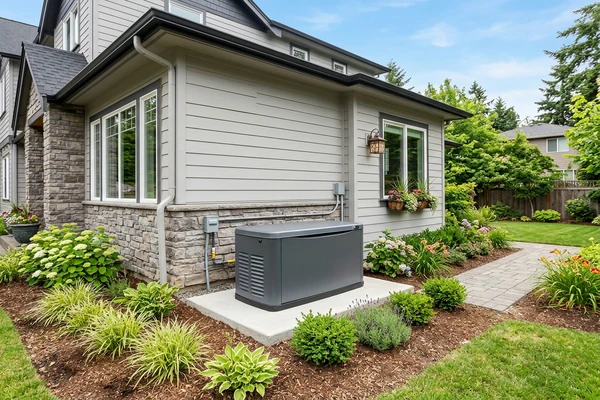
Choosing between a standby generator and a battery storage system depends on various factors, including your specific needs, budget, and environmental considerations.
Standby Generators: These systems, often powered by natural gas or propane, are designed to automatically detect a power outage and start up within seconds. Brands like Generac and Cummins are prominent in this market, offering a range of generators from 18 kW to 80 kW for residential use. They can power an entire home for extended periods, as long as fuel is available. Installation typically involves a concrete pad, fuel line connections, and integration with your home’s electrical panel via an automatic transfer switch. The process, including permitting, design, and installation, can take 60-90 days.
Battery Storage Systems: These systems, such as those utilizing Franklin batteries or integrated with smart panels like SPAN, store electricity generated from solar panels or the grid. They provide quiet, emission-free backup power and are ideal for short to medium-duration outages. Battery systems can also be used for energy management, allowing homeowners to store cheaper off-peak electricity for use during expensive peak hours, or to maximize solar self-consumption. They are particularly appealing for those seeking a more sustainable and environmentally friendly backup solution.
Here’s a comparative table to help illustrate the differences:
Regardless of the system you choose, proper maintenance is crucial for ensuring long-term reliability and performance. For standby generators, annual maintenance is non-negotiable. This typically involves oil changes, filter replacements, spark plug checks, and a general inspection of all components. Regular testing, often weekly or bi-weekly, ensures the generator starts reliably when needed. Many providers offer maintenance plans, including remote monitoring, to keep units in top condition. For instance, Generator Supercenter of East Denver offers lifetime maintenance options and 24/7 monitoring through programs like GenMonitor. They emphasize the importance of factory-certified technicians for expert repairs and routine servicing.
Battery storage systems generally require less hands-on maintenance but benefit from software updates and occasional performance checks. Ensuring the system’s software is current helps optimize its efficiency and longevity. Both types of systems benefit from load management strategies, especially during extended outages. This involves prioritizing essential circuits and temporarily shutting down non-critical loads to conserve power. Understanding how to manage your home’s electrical demand effectively, especially during warmer months, can significantly impact the performance and longevity of your backup solutions. Our article on Summer Electrical Tips for Colorado Homeowners offers practical advice for optimizing energy use.
Enhancing Home Safety and Code Compliance
Electrical safety is paramount in any home, and adherence to established codes and standards is non-negotiable. The National Electrical Code (NEC), published by the National Fire Protection Association (NFPA) as NFPA 70, sets the benchmark for safe electrical installation and inspection. Additionally, NFPA 70E focuses on electrical safety in the workplace, but its principles of hazard identification and mitigation are relevant for homeowners interacting with their electrical systems.
One of the most critical safety features mandated by modern electrical codes is Ground Fault Circuit Interrupter (GFCI) protection. GFCI outlets and breakers are designed to quickly shut off power when they detect a ground fault – an unintended path for electricity to flow to the ground. This rapid response can prevent severe electrical shocks and electrocution, especially in areas where water is present, such as bathrooms, kitchens, laundry rooms, garages, and outdoor spaces. Ensuring your home has adequate GFCI protection is a simple yet highly effective way to enhance safety. To learn more about fundamental safety practices, refer to our guide on Electrical Safety Tips Every Homeowner Should Know. Preventing electrical fires is also a key concern for homeowners, and our resource on How to Prevent Electrical Fires in Your Home offers practical steps to safeguard your property.
The Importance of Professional Electrical Services
When it comes to electrical work, the stakes are high. Improper installations or repairs can lead to serious hazards, including fires, shocks, and damage to property. This is why the importance of engaging professional, licensed electricians cannot be overstated. Licensed electricians possess the extensive training, knowledge, and experience required to perform electrical work safely and in compliance with all local, state, and national codes.
Professional electrical services encompass a wide range of critical functions:
- Code Compliance: Licensed electricians are intimately familiar with the NEC and local amendments, ensuring all work meets the latest safety standards. Companies like Henderson Services emphasize that compliance with standards like NFPA 70B (for electrical equipment maintenance) is now mandatory, not optional, highlighting the evolving landscape of electrical safety.
- Permit Handling: Major electrical projects, such as panel upgrades, new circuit installations, or generator installations, typically require permits from local authorities. Professional contractors handle the entire permitting process, ensuring that the work is inspected and approved, which is vital for insurance purposes and resale value.
- Safety Inspections: Comprehensive electrical inspections can identify potential hazards, code violations, and areas for improvement before they become critical issues. These inspections are particularly valuable for older homes or before significant renovations.
- Warranties and Insurance: Reputable electrical contractors offer warranties on their workmanship and are fully insured, protecting homeowners from liability in case of accidents or faulty installations. This provides a layer of security that DIY work or unlicensed contractors simply cannot match.
Attempting complex electrical tasks yourself or hiring unqualified individuals can lead to costly mistakes and dangerous situations. For a clear understanding of when to seek expert help, our article on When to Call an Electrician vs DIY provides valuable guidance.
Frequently Asked Questions About Home Electrical Upgrades
As homeowners increasingly consider modernizing their electrical systems, several common questions arise. We’ve compiled some of the most frequent inquiries to help you navigate your home electrical upgrade journey.
How do I know if my home needs an electrical panel upgrade?
Several signs indicate that your electrical panel might be outdated or insufficient for your home’s needs. If your home is over 20-30 years old and still has its original electrical panel, it’s a strong candidate for an upgrade. Older panels, especially those from the 1960s and 70s, often have lower amperage (e.g., 60 or 100 amps) than modern homes require (typically 200 amps or more).
Other common indicators include:
- Frequent breaker trips: If breakers trip often, especially when using multiple appliances, your panel might be overloaded.
- Flickering or dimming lights: This can signal an inconsistent power supply due to an overburdened system.
- Outlets that don’t work: This could be a sign of circuit issues or an overloaded panel.
- Burning smells or scorching around the panel: These are serious warning signs that require immediate professional attention.
- Using multiple power strips or extension cords: This indicates a lack of sufficient outlets or dedicated circuits, putting strain on your existing system.
- Planning major appliance additions: New appliances like EV chargers, hot tubs, or large HVAC units require dedicated circuits and sufficient panel capacity.
What are the benefits of installing a smart electrical panel like SPAN?
Smart electrical panels, such as those offered by SPAN, represent the next generation of home electrical management, offering a multitude of benefits:
- App Control and Monitoring: Gain real-time insights into your home’s energy consumption through a user-friendly mobile app. You can monitor individual circuits, track energy usage patterns, and identify energy hogs.
- Load Shedding and Prioritization: In the event of a power outage, smart panels can intelligently manage your home’s loads. You can prioritize essential circuits (e.g., refrigerator, medical devices) and automatically shed non-essential ones to extend the runtime of your backup power system (battery or generator).
- Seamless Battery and Solar Integration: Smart panels are designed to integrate effortlessly with solar energy systems and home battery storage. They optimize charging and discharging cycles, maximizing the efficiency of your renewable energy investments.
- Enhanced Safety: With advanced diagnostics and remote monitoring capabilities, smart panels can alert you to potential electrical issues, often before they become serious problems.
- Future-Proofing: These panels are built to adapt to future energy technologies, including bidirectional EV charging and evolving grid services, ensuring your home remains at the forefront of energy innovation.
How long does it take to install a home standby generator?
The installation timeline for a home standby generator can vary, but typically, the entire process, from initial consultation to final inspection, ranges from 60 to 90 days. This duration accounts for several key stages:
- Initial Consultation and Sizing: An electrician assesses your home’s power needs to recommend the appropriate generator size and type.
- Permitting Process: Obtaining necessary permits from local authorities is a critical step, as generator installations involve electrical, gas, and structural work. This stage alone can take several weeks, depending on local regulations.
- Site Preparation: This includes preparing a suitable concrete pad for the generator, ensuring proper clearance from the home and other structures, and sometimes light landscaping.
- Fuel Line Installation: A licensed plumber connects the generator to your home’s natural gas line or installs a propane tank and associated piping.
- Electrical Connections: A licensed electrician installs the automatic transfer switch, which detects power outages and safely switches your home’s power source from the utility to the generator, and connects the generator to your home’s electrical panel.
- Testing and Training: Once installed, the system is thoroughly tested to ensure proper operation, and homeowners receive training on its basic functions and maintenance.
- Final Inspections: Local building and electrical inspectors will review the installation to ensure it meets all code requirements.
While the physical installation might only take a few days, the preparatory and regulatory steps contribute significantly to the overall timeline.
Conclusion
Modernizing your home’s energy infrastructure through smart electrical upgrades and reliable backup power solutions is an investment in safety, efficiency, and peace of mind. As we navigate the complexities of the mid-2020s, ensuring your home’s electrical system is robust enough to handle current demands and adaptable to future technologies is more important than ever. From upgrading outdated wiring and panels to integrating smart home automation and installing advanced backup generators or battery storage, the options for enhancing your home are extensive. By prioritizing professional electrical services, you ensure that all work is performed to the highest safety standards and in compliance with the latest codes. This comprehensive approach to electrical care not only protects your property and loved ones but also contributes to a more sustainable and connected living experience. For all your home electrical needs, from routine maintenance to complex installations, exploring dedicated Residential electrical services is the first step toward a safer, smarter, and more efficient home.
