
Smart thermostats, security cameras, leak sensors, ceiling speakers, home hubs, and hardwired lighting make a house easier to manage. They also add more parts that can be damaged when the roof above them fails. For homeowners in St. George, where summer heat, wind, monsoon moisture, and desert dust all stress roofing systems, the smartest home upgrade may not be another device. It may be keeping water and heat out of the structure.
A roof problem rarely stays on the roof. A small gap around a vent, cracked flashing, lifted shingles, or worn underlayment can let moisture into the attic. Once that happens, insulation loses performance, drywall stains, framing absorbs moisture, and electrical components become vulnerable. In a connected home, that risk spreads because smart systems depend on wiring, Wi-Fi reliability, clean attic conditions, and stable indoor temperatures.
Smart Home Equipment Depends on a Dry, Stable Structure
Modern homes are packed with electronics. Some are visible, like doorbell cameras, smart locks, and wall-mounted control panels. Others sit behind the scenes, including low-voltage wiring, attic network equipment, smart HVAC controls, and sensors tied into water, lighting, or security systems.
These devices are built to simplify home management, not survive hidden roof leaks.
Moisture Can Travel Farther Than Expected
A leak above one room does not always show up directly below the damaged roof area. Water can run along rafters, drip onto insulation, follow wiring, and settle behind walls before a homeowner sees a stain. By the time water reaches a ceiling, the attic may already have damp insulation, mold risk, damaged sheathing, or compromised wiring paths.
That matters because many smart systems rely on stable electrical connections. Moisture near junction boxes, recessed lights, ceiling speakers, or attic wiring can create intermittent failures that are hard to trace. A homeowner may blame the device, router, or app when the real issue began overhead.
Heat Is Part of the Problem Too
St. George heat is hard on homes. Attics can reach extreme temperatures during summer, especially when ventilation is poor or roofing materials are aging. Excess attic heat can shorten the life of HVAC equipment, strain smart thermostats, and make upstairs rooms harder to cool.
A sound roof system includes more than shingles or tiles. Ventilation, underlayment, flashing, decking, and insulation all work together. When one part fails, comfort and efficiency suffer. That can lead to higher utility bills, longer HVAC run times, and less reliable indoor climate control.
Roof Maintenance Protects More Than Curb Appeal
Many homeowners think about roofing only when they see missing shingles or an active leak. By then, the repair may already involve drywall, paint, insulation, flooring, electrical work, or device replacement.
A small roof repair caught early can become several thousand dollars in interior damage if delayed through one storm season. Add smart home equipment, custom lighting, or built-in audio, and the final bill can climb quickly.
The Attic Is the Early Warning Zone
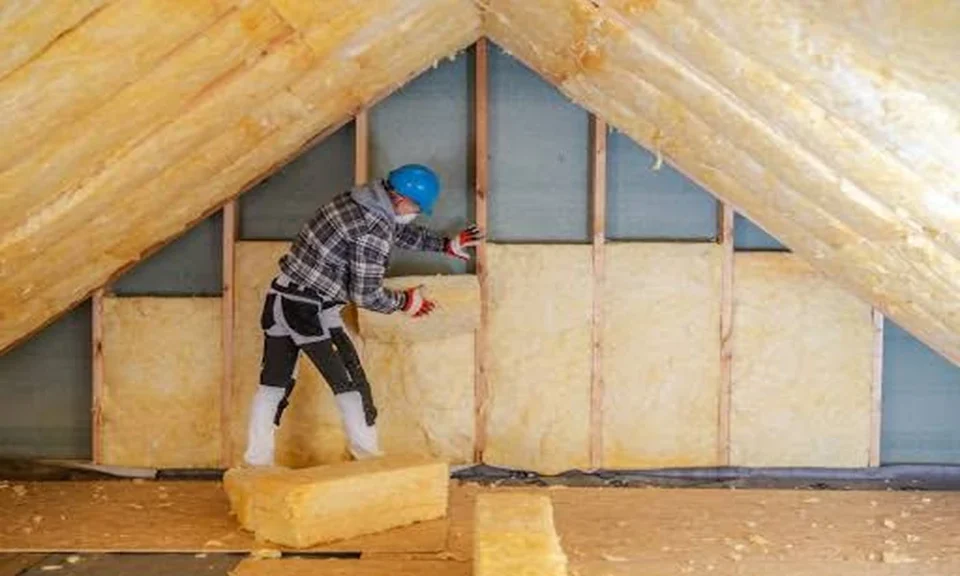
The attic often shows the first signs of roof trouble. Homeowners should look for:
- Dark stains on roof decking
- Damp or compressed insulation
- Rust around fasteners or vents
- Daylight around penetrations
- Musty odors after rain
- Pest activity near roof gaps
- Uneven temperatures between rooms
These signs do not always mean the roof needs replacement. They do mean the roof system should be inspected before the issue reaches finished living spaces.
In St. George, a useful seasonal rhythm is to inspect before the hottest part of summer and again after heavy wind or monsoon storms. Heat can dry out and crack materials, while sudden rain can expose weak points fast.
Connected Homes Need Better Moisture Planning
Smart leak detectors are helpful, but they are not a substitute for roof maintenance. Most leak sensors sit near water heaters, sinks, washing machines, or mechanical rooms. Roof leaks often start in attics, behind walls, or above ceilings where sensors may not be installed.
That creates a blind spot. A home may be filled with technology but still miss the slow leak that damages insulation, drywall, and wiring.
Homeowners upgrading smart systems should think about the building envelope first. Before adding attic devices, security wiring, ceiling-mounted speakers, or integrated lighting, confirm that the roof is dry, ventilated, and properly sealed. A stable structure gives those upgrades a better chance to last.
If concerns show up during an attic check, working with experienced roofers St George can help identify whether the issue is flashing, ventilation, storm damage, worn materials, or a larger roof system failure.
What Business Owners and Home-Based Professionals Should Consider
Many St. George homeowners also run businesses from home, manage rental properties, or rely on home offices. For them, roof performance affects more than comfort. It can affect uptime, client calls, stored inventory, equipment, and daily productivity.
A roof leak over a home office can damage computers, routers, monitors, documents, and electrical outlets. Even a smaller attic moisture issue can create humidity, odor, or air quality problems that make a workspace less usable.
Rental owners have another stake: tenant satisfaction and property value. A tenant may not report early attic signs, but they will report stains, drips, musty smells, and cooling problems. Preventive inspections can reduce emergency calls, especially before peak heat or storm periods.
Small Preventive Habits Can Avoid Bigger Repairs
A sound roof does not require constant attention, but it does need consistent attention. Homeowners can reduce risk by keeping gutters clear, trimming branches away from rooflines, checking attic conditions after storms, watching for ceiling stains, and scheduling professional inspections when something changes.
Pay attention after:
These triggers connect roof stress to the problems homeowners actually notice inside the house.
The Smartest Protection Is Often Structural
Smart technology can make a home more efficient, secure, and convenient. But those systems still depend on the basics: a dry attic, protected wiring, sound insulation, reliable ventilation, and a roof that keeps weather outside.
In St. George, where heat and storm bursts can punish weak points, roof care is not just an exterior maintenance task. It is a cost-control decision that protects devices, interiors, comfort, and property value. Before investing in the next connected upgrade, make sure the roof above it is ready to protect it.
