
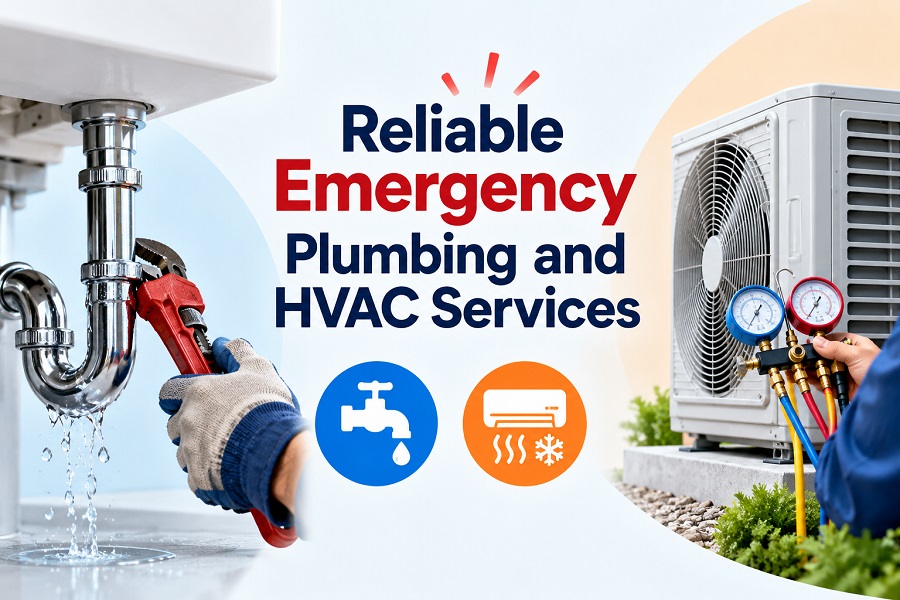
The Critical Role of Reliable AC Installation in Preventing HVAC Emergencies in Cape Coral
Cape Coral, FL, is known for its beautiful canals and warm climate. However, this sunshine also means your home’s air conditioning system works tirelessly. When an AC unit falters or fails, it can quickly turn comfortable living into an urgent situation, impacting health and daily life. A reliable AC system is not just about comfort; it’s a necessity in our hot, humid environment. This guide focuses on AC installation in Cape Coral, FL, explaining why professional setup is crucial for long-term efficiency and peace of mind. We will explore everything from choosing the right system to understanding the installation process and post-installation care.
For all your home comfort needs, explore our main services or contact us for AC installation.
In a region like Cape Coral, where temperatures frequently soar and humidity levels remain consistently high, a functioning air conditioning system is not merely a luxury—it’s a critical component of home safety and comfort. The relentless heat places immense strain on AC units, making professional AC installation an absolute necessity, not just a recommendation. Without a properly installed system, homeowners risk not only discomfort but also potential health hazards and costly breakdowns that can quickly escalate into HVAC emergencies.
Why is professional AC installation so essential in Cape Coral’s hot and humid climate? Firstly, the extreme conditions demand precise sizing and calibration of your AC unit. An undersized unit will struggle to cool your home, running constantly and inefficiently, leading to premature wear and tear. An oversized unit will “short cycle,” turning on and off too frequently, which also reduces efficiency, fails to adequately dehumidify the air, and shortens its lifespan. Only a certified professional can accurately assess your home’s unique cooling load, taking into account factors like square footage, insulation, window efficiency, and sun exposure, to recommend the perfect system. This precision prevents common issues like uneven cooling and ensures your unit operates at peak performance, significantly extending its operational life.
Moreover, the humid climate exacerbates indoor air quality issues. A professionally installed AC system helps manage indoor humidity, which is crucial for preventing mold growth and maintaining a healthy living environment. Improper installation can lead to moisture problems within the system or ductwork, creating breeding grounds for allergens and pollutants.
Choosing a local, experienced HVAC company in Cape Coral offers distinct advantages. These companies understand the specific challenges posed by Southwest Florida’s climate, including the corrosive effects of salt air on outdoor units and the constant demand for cooling. They are familiar with local building codes and regulations, ensuring your installation is compliant and safe. For example, local providers like Gulf Shore Cooling, with over 24 years of experience since 2000, have accumulated over 25,000 5-star reviews, reflecting a deep understanding of local needs and a commitment to quality service. This local expertise translates into installations that are optimized for longevity and efficiency in our unique environment, helping to prevent the kind of system failures that turn into urgent, inconvenient, and expensive emergencies.
Identifying When Your AC Unit Requires Urgent Attention or Replacement
The signs that it’s time to replace your old AC unit with a new installation often begin subtly but can quickly escalate into urgent problems, especially in Cape Coral’s demanding climate. Recognizing these indicators early can save you from a complete system breakdown during the hottest months.
One of the most obvious signs is the age of your unit. The average lifespan of an air conditioner is 10-15 years. If your unit is approaching or has exceeded this range (e.g., in June 2026, an AC installed in 2011 is 15 years old), it’s likely operating less efficiently and becoming more prone to issues. Older units use outdated technology and refrigerants, making them less environmentally friendly and more expensive to run.
Beyond age, look for these critical performance indicators:
- Frequent Breakdowns and Costly Repairs: If you’re calling for repairs multiple times a year, or if a single repair bill rivals the cost of a new unit, it’s a clear signal for replacement. Some experts suggest a rule: if the system’s age in years multiplied by the repair cost exceeds a certain threshold (e.g., $5,000), it’s more economical to replace.
- Diminished Cooling Capacity: Your home struggles to reach or maintain the desired temperature, especially on hot days. This could manifest as minimal airflow from vents or the unit running continuously without providing adequate relief.
- Rising Energy Bills: An inefficient AC unit has to work harder to cool your home, consuming more electricity. If your utility bills are steadily climbing without a corresponding increase in usage or rates, your AC is likely the culprit.
- Unusual Noises or Odors: Grinding, squealing, banging, or clanking sounds often indicate failing mechanical components. Musty or burning smells could point to mold in the ductwork or electrical issues, both of which require immediate attention.
- Excessive Humidity Indoors: While your AC cools, it also dehumidifies. If your home feels sticky or damp, even when the AC is running, the unit is failing to properly manage humidity, which can lead to comfort issues and mold growth.
- Short Cycling: The AC unit turns on and off frequently, running for short bursts. This not only wastes energy but also puts immense strain on the compressor, leading to premature failure.
Ignoring these signs can lead to an unexpected and inconvenient AC emergency. Proactive replacement ensures you choose a new system on your terms, avoiding the pressure of a sudden failure and allowing for a planned, professional installation.
Preventing Future Problems: The Long-Term Benefits of Professional AC Installation
Professional AC installation is a strategic investment that pays dividends in the long run, not just in immediate comfort but also in preventing future problems and enhancing your home’s overall efficiency and value. A new, expertly installed AC system offers significant advantages, particularly in a climate like Cape Coral’s.
One of the most compelling benefits is improved energy efficiency and reduced utility bills. Modern air conditioners are designed with advanced technology to consume less energy while providing superior cooling. For instance, a new unit installed in June 2026 will likely have a much higher Seasonal Energy Efficiency Ratio (SEER) rating than a unit from 10-15 years ago. This higher efficiency directly translates to lower monthly electricity costs, offering substantial savings over the lifespan of the unit. This is especially critical in Florida, where AC accounts for a large portion of household energy consumption.
Furthermore, professional installation ensures that your system is correctly sized and configured for your home, preventing issues like short cycling or uneven cooling. Proper sizing means the unit runs for optimal durations, effectively removing heat and humidity, and distributing cool air evenly throughout your home. This prevents hot spots and ensures consistent comfort, which is difficult to achieve with an improperly installed system.
When you invest in a professional AC installation, you also benefit from robust warranties and guarantees. Most new air conditioning systems come with a manufacturer’s warranty, typically ranging from 5 to 10 years on parts, and sometimes longer on the compressor. Professional installation is often a prerequisite for these warranties to remain valid. An improper installation can void your warranty, leaving you responsible for costly repairs down the line. Reputable HVAC companies also offer their own labor guarantees, providing peace of mind that the installation will be done right.
After installation, proper maintenance is required to ensure long-term performance and to uphold warranty conditions. This typically includes annual tune-ups, filter replacements, coil cleaning, and checking refrigerant levels. Many professional installers offer maintenance plans that make it easy to stay on top of these tasks, further extending the life of your unit and preventing unexpected breakdowns. Regular maintenance not only keeps your system running efficiently but also helps maintain healthy indoor air quality, a crucial factor in humid environments.
Navigating AC Installation Choices for Cape Coral’s Unique Climate
Choosing the right AC system for your Cape Coral home involves several considerations, all influenced by Southwest Florida’s hot, humid, and sometimes salty climate. Homeowners need to evaluate their specific needs to ensure optimal comfort, efficiency, and longevity.
When selecting an AC system, homeowners should consider:
- Home Size and Layout: This determines the necessary cooling capacity (measured in tons). A professional load calculation (Manual J) is essential to size the unit correctly.
- Energy Efficiency Ratings (SEER/EER/HSPF): Higher ratings mean greater efficiency and lower operating costs, a significant factor in Florida.
- Budget: While new AC installation involves an upfront cost, the long-term savings on energy bills and reduced repair frequency can offset the initial investment.
- Indoor Air Quality Needs: Features like advanced filtration, UV lights, or dehumidification capabilities might be important for allergy sufferers or in areas prone to mold.
- Noise Levels: Some units operate more quietly than others, a consideration for outdoor living spaces or bedrooms.
For Cape Coral homes, the most common types of AC systems are:
- Central Air Conditioning Systems: These are the most prevalent, using a network of ducts to distribute cooled air throughout the entire home. They are highly effective for whole-home cooling and dehumidification.
- Ductless Mini-Split Systems: Ideal for homes without existing ductwork, additions, or for zoning specific areas. They offer flexible cooling, allowing different rooms to be set at different temperatures, and are known for their energy efficiency and quiet operation.
- Heat Pumps: While primarily providing cooling, heat pumps can also reverse their cycle to offer efficient heating during Cape Coral’s mild winters, making them a versatile, all-in-one solution.
Many reputable brands are well-suited for AC installations in Southwest Florida, known for their durability and performance in harsh conditions. Brands like Carrier, Lennox, Trane, and Goodman are frequently recommended by local HVAC professionals for their reliability and range of efficient models. When considering a new AC unit for your Cape Coral home, consulting with a provider specializing in Certified AC installation Cape Coral can help you navigate these choices. They can provide tailored recommendations based on your home’s specifications and your comfort preferences.
A common question during new AC installation is whether existing ductwork can be reused. In many cases, yes, if the ductwork is in good condition, properly sized for the new unit, and free from leaks or obstructions. An HVAC technician will inspect your current duct system to ensure it can efficiently support the new AC unit. If the ducts are old, damaged, or improperly sized, they may recommend repairs or replacement to maximize the efficiency and performance of your new system. This step is crucial for preventing energy loss and ensuring optimal airflow throughout your home.
Best Practices for a Smooth AC Installation Process in Cape Coral
Embarking on a new AC installation project in Cape Coral can seem daunting, but with the right approach and a reliable contractor, the process can be smooth and hassle-free. Understanding the typical timeline, costs, and how to select a trustworthy company will prepare you for success.
A typical AC installation in Cape Coral generally takes between 4 to 8 hours for a standard replacement, according to Gulf Shore Cooling. More complex installations, such as those involving new ductwork, significant system upgrades, or larger homes, might extend to a full day or slightly longer. The process usually involves:
- System Removal: The old AC unit (both indoor and outdoor components) is carefully disconnected and removed.
- Site Preparation: The area for the new unit is prepared, which might include minor modifications to the pad or electrical connections.
- New Unit Placement: The new indoor (air handler/furnace) and outdoor (condenser) units are positioned.
- Connections: Refrigerant lines, electrical wiring, and condensate drains are meticulously connected.
- Ductwork Integration: The new system is seamlessly connected to existing or new ductwork.
- Vacuum and Charge: The refrigerant lines are evacuated to remove moisture and then charged with the correct amount of refrigerant.
- Testing and Calibration: The system is thoroughly tested for proper operation, airflow, temperature, and pressure. Technicians calibrate it for optimal performance.
- Cleanup and Walkthrough: The work area is cleaned, and the technicians explain the new system’s operation, maintenance requirements, and answer any questions.
While specific pricing varies widely based on system type, size, brand, and installation complexity, it’s important to understand the factors that contribute to the overall cost. These include equipment costs, labor, permits, and any necessary ductwork modifications. Many reputable companies in Cape Coral offer flexible financing options to make new AC installations more accessible. It’s always advisable to get multiple, detailed quotes and inquire about financing plans.
Selecting a reliable AC installation company in Cape Coral is paramount. Look for companies with:
- Proper Licensing and Insurance: Ensure they hold the necessary state and local licenses (e.g., HVAC contractor license) and are fully insured.
- Certifications: Technicians should be NATE-certified (North American Technician Excellence) or hold similar industry-recognized certifications.
- Experience and Reputation: Companies with a long-standing history in the community and positive customer reviews (like Gulf Shore Cooling’s 25,000+ 5-star reviews) often indicate reliability.
- Transparent Communication and Pricing: They should provide clear explanations of your options, upfront pricing, and no hidden fees.
- Comprehensive Services: Beyond installation, they should offer maintenance and repair services.
Finally, be aware of local permits and regulations for AC installation in Cape Coral, FL. Most major HVAC installations require permits to ensure the work meets safety and building codes. A reputable contractor will handle all necessary permitting, ensuring your installation is compliant and passes inspection. This protects your investment and ensures your home’s safety.
Here’s a simplified overview of what to expect during an AC installation:
| Stage | What Happens | Why It Matters |
|---|---|---|
| Pre-Installation Assessment | Technician performs load calculation, inspects ductwork, and provides system recommendations. | Ensures accurate sizing for Cape Coral’s climate. |
| Old Unit Removal | Existing indoor and outdoor units are safely disconnected and removed. | Supports proper disposal of old refrigerants and equipment. |
| New Unit Placement | New air handler/furnace and condenser are set in place. | Ensures level placement and secure mounting. |
| System Connections | Refrigerant lines, electrical connections, and condensate drains are installed or connected. | High-quality, leak-free connections are vital for efficiency. |
| Ductwork Integration | New system is connected to existing or new ductwork. | Duct integrity and sealing are crucial for optimal airflow. |
| Vacuum & Charge | Lines are evacuated, then charged with the precise refrigerant amount. | Correct refrigerant charge is essential for performance and lifespan. |
| Testing & Calibration | System undergoes testing, airflow checks, and temperature calibration. | Helps ensure efficient and even cooling throughout the home. |
| Post-Installation Review | Technician explains operation, maintenance, and answers questions. | Helps homeowners understand the new system and warranty details. |
Frequently Asked Questions About AC Installation in Cape Coral
Homeowners often have specific questions when considering a new AC installation. Here, we address some of the most common concerns, tailored to the Cape Coral environment.
What constitutes an AC emergency requiring installation?
While a sudden, complete breakdown of your AC unit in the middle of a Cape Coral summer is a clear emergency, other situations can also necessitate urgent installation. These include a unit that is constantly running but not cooling, emitting burning smells, or leaking significant amounts of water, especially if it’s an older unit. In Florida’s extreme heat, a malfunctioning AC can quickly become a health risk, particularly for vulnerable populations. If your AC is failing and repairs are no longer cost-effective or possible, a rapid replacement becomes an emergency installation to restore safe indoor conditions.
How long can a home go without functional air conditioning in Florida?
In Cape Coral, going without functional air conditioning, especially during the peak summer months (June through September), is not advisable for more than a few hours. The combination of high temperatures (often in the 90s°F) and extreme humidity can quickly make indoor environments unsafe. Indoor temperatures can rapidly exceed outdoor temperatures, and high humidity can lead to heat exhaustion, dehydration, and exacerbate respiratory issues. For pets, children, and the elderly, the risks are even higher. This urgency underscores why many Cape Coral HVAC companies, like Cool Today, aim to complete 96% of service calls, including installations, the same day.
Can regular maintenance prevent sudden system failures?
Absolutely. Regular, professional AC maintenance is one of the most effective ways to prevent sudden system failures and extend the lifespan of your new AC installation. Just as you maintain your car, your AC system benefits from annual tune-ups. These service visits, typically performed in the spring before the heavy cooling season, allow technicians to:
- Inspect and clean coils.
- Check refrigerant levels and pressure.
- Lubricate moving parts.
- Tighten electrical connections.
- Inspect drainage lines.
- Verify thermostat accuracy.
- Identify potential issues before they become major breakdowns.
This proactive approach not only helps your system run more efficiently, saving you money on energy bills, but also significantly reduces the likelihood of an unexpected and costly breakdown, ensuring your home remains cool and comfortable year-round.
Conclusion
In Cape Coral’s demanding climate, a reliable air conditioning system is more than just a convenience—it’s a cornerstone of home comfort, health, and safety. As we’ve explored, professional AC installation is a critical investment that lays the foundation for long-term efficiency, reduced utility bills, and peace of mind. From selecting the right system tailored to your home’s unique needs to understanding the meticulous installation process and the importance of ongoing maintenance, every step contributes to preventing future HVAC emergencies.
By recognizing the signs that your old unit needs replacement, choosing a reputable local HVAC company, and embracing the benefits of modern, energy-efficient systems, homeowners in Cape Coral can ensure their living spaces remain cool and comfortable, even amidst the most intense Florida heat and humidity. Proactive care and expert installation are your best defense against unexpected breakdowns, safeguarding your home and your family’s well-being for years to come.
