
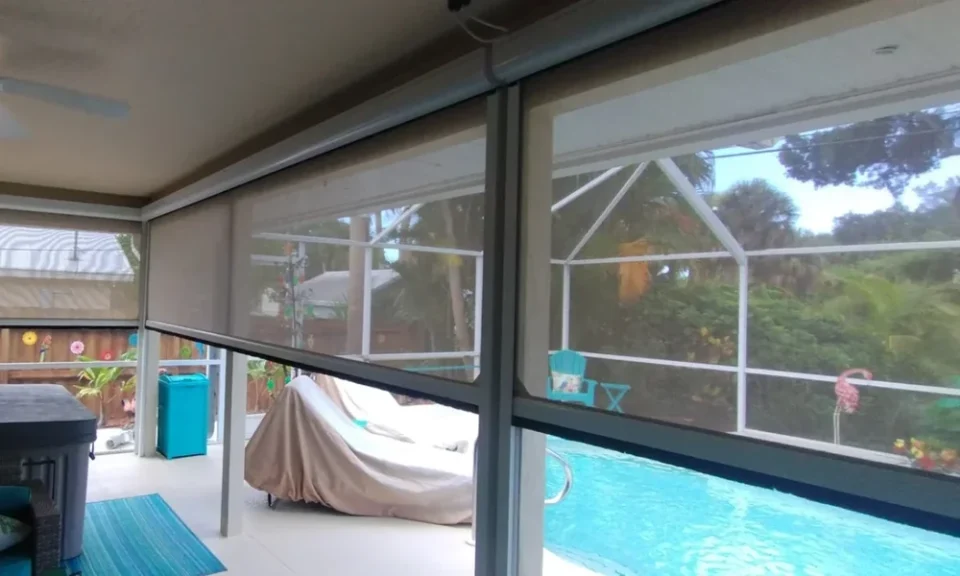
The dream of a perfect outdoor oasis often clashes with the reality of harsh sun, intense heat, and unpredictable weather. Many homeowners find their patios and windows exposed to relentless glare and excessive temperatures, making outdoor spaces uncomfortable.
Especially in regions like Florida’s Space Coast, these environmental factors pose significant challenges. High UV exposure and intense heat can limit the usability of outdoor areas, impacting enjoyment and even leading to higher energy bills. Homeowners are increasingly seeking professional solutions to combat these issues.
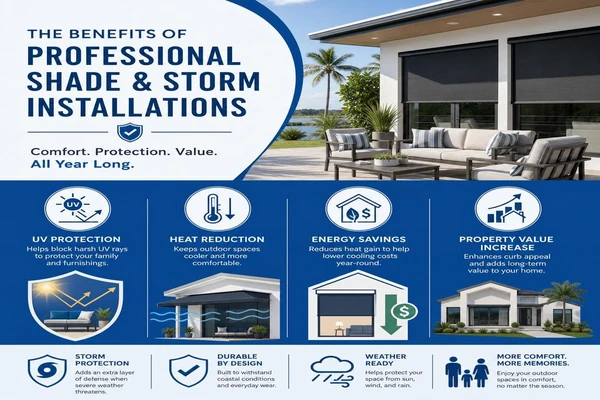
This comprehensive guide will explore the transformative power of Exterior Shade Systems for Patios and Windows. Readers will discover how these custom solutions enhance comfort, reduce heat, provide crucial UV protection, and offer vital storm preparedness.
Investing in advanced Florida shade and hurricane protection can significantly enhance both daily comfort and long-term property resilience. This article will delve into the various types of exterior shading systems available, their benefits, and key considerations for selecting the right options.
Living in coastal Florida, particularly in areas like Brevard County, presents unique environmental challenges that necessitate robust outdoor solutions. The region is characterized by intense sunlight, high humidity, salt-laden air, and a prolonged storm season. These factors can quickly degrade unprotected outdoor furnishings, fade interior decor, and make outdoor living spaces unbearable during peak heat. Beyond comfort, the threat of tropical storms and hurricanes demands proactive measures for property protection.
Exterior shade systems are specifically engineered to withstand these demanding conditions. Unlike indoor shades, which only address light after it has entered the home, exterior systems intercept sunlight and heat before they reach windows or patio surfaces. This proactive approach is significantly more effective at reducing heat gain. For instance, some advanced exterior fabrics can keep temperatures up to 15 degrees cooler underneath, while blocking up to 98% of harmful UV rays. This level of protection is vital not just for comfort, but also for preserving the longevity of outdoor furniture and preventing sun damage to skin.
The constant exposure to salt air and humidity also means that materials used in outdoor shade and storm protection must be of superior quality. Systems designed for coastal environments often feature marine-grade components, such as powder-coated aluminum frames and stainless steel hardware, to resist corrosion and ensure long-term durability. When considering comprehensive solutions for your property, understanding the specific environmental demands of the Space Coast is paramount. For a deeper dive into how these systems address local climate specifics, exploring resources on Florida shade and hurricane protection can provide valuable insights. Investing in high-quality exterior shade and hurricane protection not only enhances daily living but also contributes significantly to a property’s long-term value and resilience against the elements.
Selecting the Right Shade Solutions for Patios and Windows
Choosing the ideal exterior shade system involves evaluating various types, each offering distinct advantages for different needs and architectural styles. From versatile retractable awnings to specialized window shades, the market offers a diverse range of solutions designed to enhance comfort, reduce energy consumption, and extend the usability of outdoor areas.
Retractable Awnings are a popular choice for patios and decks, offering on-demand shade. These systems can be deployed during sunny hours and retracted when not needed or during inclement weather, preserving views and allowing natural light when desired. Modern retractable awnings often feature durable fabrics that provide up to 99% UV protection, significantly cooling outdoor spaces and preventing glare. Many are equipped with advanced motorization, allowing for effortless extension and retraction at the touch of a button, or even integration with smart home systems. Some models can span impressive widths, with certain systems reaching up to 26 feet wide and a 20-foot drop, making them suitable for expansive outdoor living areas.
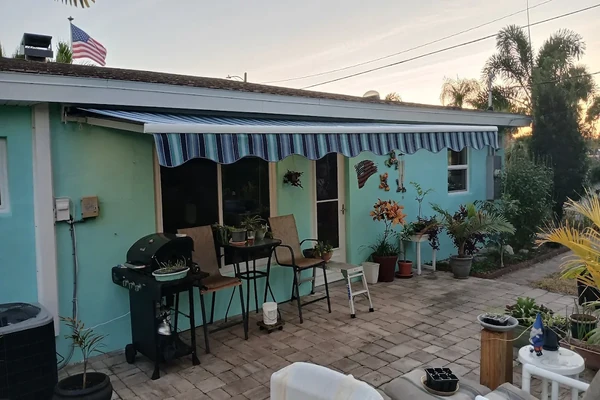
Exterior Window Shades, also known as exterior roller shades, are specifically designed to be mounted outside the window. This placement is crucial because it blocks the sun’s heat before it passes through the glass, which is far more effective at reducing indoor temperatures and glare than interior window treatments. These shades are available in various fabric openness levels, allowing homeowners to choose between maximum heat reduction and view preservation. For example, a 5% openness fabric can block up to 95% of UV rays, while still allowing some visibility. They are particularly beneficial for west-facing windows that receive intense afternoon sun, contributing to substantial energy savings by reducing the load on air conditioning systems.
For a comprehensive overview of the diverse offerings and how they can be tailored to your specific needs, exploring dedicated resources on Shade Solutions can guide your selection process. Furthermore, to understand current opportunities and special offers that might make these investments even more accessible, checking a Shade Offer page is always a smart step.
Here’s a comparison of retractable awnings and exterior window shades:
Here’s a comparison of retractable awnings and exterior window shades:
| Feature | Retractable Awnings | Exterior Window Shades |
|---|---|---|
| Primary Use | Shading patios, decks, and outdoor living areas | Reducing heat and glare through windows, protecting interiors |
| Placement | Mounted above patios/decks, extending outwards | Mounted directly over exterior windows or patio openings |
| Heat Reduction | Significantly cools outdoor spaces (e.g., up to 10-15°F cooler) | Highly effective at blocking heat before it enters the home, reducing indoor temperatures |
| UV Protection | Up to 99% with high-quality fabrics (e.g., Sunbrella) | Up to 98% with solar screen fabrics |
| Flexibility | On-demand shade; can be retracted to enjoy sun or clear skies | Retractable, offering flexibility to block sun or allow natural light |
| Wind Resistance | Designed to withstand light to moderate winds; usually retracted in high winds (some with sensors) | Secured with cable guides or side channels for stability; often recommended to retract above 15 mph |
| Aesthetics | Adds architectural flair and color to the home’s exterior | Blends seamlessly with window lines; available in various colors and textures |
| Energy Savings | Reduces AC load by cooling adjacent indoor spaces and protecting windows | Directly lowers indoor cooling costs by preventing solar heat gain |
| Privacy | Offers overhead privacy for outdoor areas | Provides daytime privacy while maintaining outward visibility (depending on openness level) |
| Typical Sizes | Can span large areas, e.g., up to 26′ wide x 20′ drop | Custom sizes, e.g., up to 120″ wide x 144″ high, or larger for specialized systems (e.g., 11’x11′ or 16’x20′) |
| Operation | Manual crank or motorized (remote, smart home integration, sensors) | Manual clutch or motorized (remote, wall switch, smart home integration) |
| Maintenance | Regular cleaning of fabric, inspection of moving parts | Regular cleaning, inspection of guides/channels |
Beyond traditional awnings and window shades, motorized screens offer another layer of versatile protection and comfort for outdoor living spaces. These systems are essentially retractable walls of mesh fabric that can be deployed at the touch of a button to enclose patios, lanais, garages, or even large window openings.
One of the primary benefits of motorized screens is their exceptional insect control. In Florida’s humid climate, insects like mosquitoes and “No See Ums” can quickly make outdoor areas unusable. Specialized insect screen fabrics, such as those used in Oasis® 2900 Solar Insect Shades, can feature four sealed edges to effectively block even the tiniest biting midges, allowing homeowners to enjoy fresh air without the annoyance of pests.
Motorized screens also provide enhanced privacy and airflow. Depending on the fabric’s openness level, they can obscure views into your outdoor space while still allowing air to circulate. This creates a comfortable, semi-private enclosure that can be enjoyed year-round. The automated operation is a key convenience, allowing users to effortlessly adjust their environment. Many systems integrate with remote controls, wall switches, or even smart home platforms, offering seamless control over your outdoor oasis. This level of automation means you can adapt your space to changing weather conditions or privacy needs in moments.
These systems are not just about comfort; they also contribute to the overall resilience of your outdoor living area. Some advanced systems feature heavy-duty zipper tracks or side retention systems that secure the fabric, providing increased wind resistance and insulation. This robust design ensures the screens remain stable and effective even in moderate breezes. For a deeper understanding of how these adaptable solutions can transform your outdoor areas, exploring comprehensive Screen Solutions can reveal the full spectrum of possibilities.
Enhancing Storm Preparedness with Hurricane Screens and Bahama Shutters
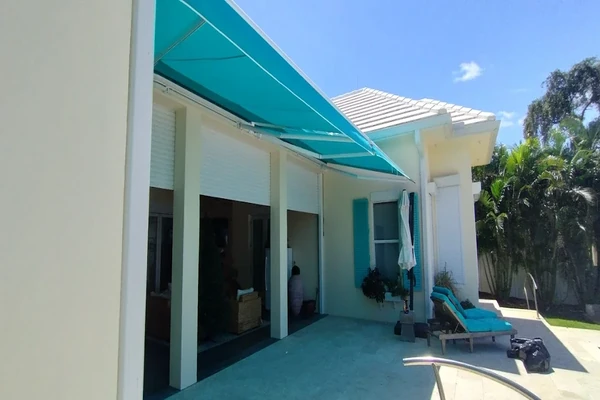
In coastal regions prone to severe weather, integrating storm preparedness into outdoor living solutions is not just an option-it’s a necessity. Hurricane screens and Bahama shutters offer critical protection for homes, combining durability with functional benefits.
Hurricane Screens are engineered to provide robust protection against high winds and flying debris during tropical storms and hurricanes. Unlike traditional storm panels, these screens are flexible, lightweight, and often deployable with ease, sometimes even through motorization. They are typically made from highly durable, reinforced fabrics designed to absorb impacts and withstand extreme wind pressures, far exceeding the capabilities of standard insect screens. For instance, some advanced hurricane screens are designed to meet stringent building codes for impact resistance, offering peace of mind during the Space Coast’s storm seasons.
Beyond their protective capabilities, hurricane screens can also serve as a dual-purpose solution. When not bracing for a storm, they can function as solar screens, blocking up to 97% of the sun’s UV rays and significantly reducing heat gain. This versatility makes them a valuable investment, enhancing daily comfort while providing essential storm readiness. Their ability to be retracted when not needed ensures that views and natural light are preserved during fair weather. For homeowners seeking the ultimate in storm defense and daily usability, exploring specialized Hurricane Screens is an essential step.
Integrating Aesthetics and Safety with Bahama Shutters and Outdoor Shade and Hurricane Protection
Bahama Shutters, also known as Bermuda shutters, offer a distinctive blend of architectural charm and practical storm protection. These louvered shutters are top-hinged and prop open from the bottom, creating an iconic tropical aesthetic that complements many coastal homes. When open, they provide excellent shade and privacy, allowing filtered light and airflow while blocking harsh direct sun. This makes them an attractive option for windows, adding character to the home’s exterior while contributing to interior cooling.
During storm events, Bahama shutters can be quickly closed and secured, providing a formidable barrier against high winds and flying debris. Their robust construction and secure locking mechanisms make them an effective form of impact protection, often meeting local building codes for hurricane-rated products. The dual functionality of providing daily shade and instant storm readiness makes them a smart choice for homeowners in coastal communities. Professional installation ensures that these shutters are securely mounted and properly functional for both aesthetic appeal and critical protection.
The Value of Professional Design, Measurement, and Installation
While the allure of DIY projects can be strong, the complexity and precision required for exterior shade systems and hurricane protection often necessitate professional design, measurement, and installation. This is particularly true for custom solutions, motorized systems, and hurricane-rated products where performance and safety are paramount.
Professional measurement is the foundation of a successful installation. Exterior shade systems, especially those designed to fit precisely over windows or within patio openings, require exact dimensions. Even slight inaccuracies can lead to gaps, poor functionality, or compromised aesthetics. Professionals use specialized tools and techniques to ensure measurements are precise, accounting for factors like mounting surfaces, architectural irregularities, and necessary clearances for operation.
Custom fabrication is another area where professional expertise shines. Many high-quality exterior shade systems are custom-made to fit unique spaces. This might involve tailoring fabric dimensions, selecting specific hardware finishes to match a home’s exterior, or integrating advanced motorization and smart controls. Local contractors often have direct relationships with manufacturers, ensuring that custom orders are produced to exact specifications and quality standards.
The installation complexity of exterior shade systems can be significant. Mounting hardware securely to various building materials (stucco, brick, wood, concrete) requires specific fasteners and techniques to ensure long-term durability, especially in windy conditions. Motorized systems need careful wiring and calibration for smooth, reliable operation. For hurricane screens and shutters, correct installation is critical for meeting impact resistance ratings and ensuring the safety of your home during a storm. Attempting a complex installation without the right tools or experience can lead to costly mistakes, voided warranties, or, worse, a system that fails when you need it most.
By partnering with local experts, homeowners benefit from their deep understanding of site conditions, local building codes, and the unique climate challenges of the area. This expertise ensures that the chosen systems are not only perfectly fitted and aesthetically pleasing but also engineered for maximum performance and longevity. Professional installation is an investment in the long-term durability and effectiveness of your exterior shade and storm protection solutions.
Frequently Asked Questions about Shade and Storm Protection
Homeowners often have specific questions when considering exterior shade systems and storm protection. Here, we address some common concerns to provide clarity and expert advice.
What are exterior shade systems and how do they differ from indoor shades?
Exterior shade systems are designed to be installed on the outside of a home, over windows, patios, or other outdoor living spaces. Their primary distinction from indoor shades lies in their placement and purpose: exterior shades block solar radiation before it ever reaches the glass or enters the living space. This pre-emptive blocking is significantly more effective at reducing heat gain and glare compared to internal shades, which only address light and heat once they are already inside. Exterior systems are also built with robust, weather-resistant materials to withstand UV rays, wind, rain, and humidity, ensuring durability and performance in outdoor conditions.
What are the main types of exterior shade systems available for patios and windows?
The market offers a variety of exterior shade systems tailored for different applications. For patios and decks, popular options include retractable awnings, which offer flexible on-demand shade, and motorized screens, which can enclose spaces for insect control, privacy, and sun protection. For windows, exterior roller shades (also known as solar screens) are highly effective at blocking heat and glare, while Bahama shutters provide both aesthetic appeal and storm protection. Advanced systems also include louvered roofs and tension zip shades for pergolas or angled installations, offering precise light control and weather resilience.
What are the key benefits of installing exterior shade systems, such as UV protection, heat reduction, and energy savings?
The benefits of exterior shade systems are multifaceted. They offer superior UV protection, with many fabrics blocking up to 98% of harmful UV rays, safeguarding skin, outdoor furnishings, and interior decor from sun damage. This also leads to significant heat reduction; some systems can lower ambient temperatures by up to 15 degrees Fahrenheit, making outdoor spaces far more comfortable. By preventing solar heat from entering the home, exterior shades also contribute to substantial energy savings, reducing the workload on air conditioning systems and lowering utility bills. Additional benefits include enhanced privacy, glare reduction, and in the case of screens, effective insect control.
How do motorized vs. manual exterior shades compare in terms of convenience, cost, and features?
Motorized exterior shades offer unparalleled convenience, allowing for effortless operation via remote control, wall switch, or even smart home integration. Many motorized systems can also incorporate sensors for sun, wind, or rain, enabling automatic deployment or retraction for optimal performance and protection. This convenience comes with a higher initial investment due to the motor and control components. Manual exterior shades, typically operated with a crank or clutch mechanism, are generally more cost-effective. While they require physical effort to operate, they are a reliable and durable option for those on a budget or with simpler needs. Motorized systems often come with more advanced features like larger sizes, integrated lighting, and heating options, enhancing the overall outdoor experience.
What factors should be considered when selecting the right openness level or fabric for shade systems?
Selecting the right fabric and openness level is crucial for achieving desired results. Openness level refers to the percentage of the fabric weave that is open, influencing how much light, heat, and view is allowed through. A lower openness percentage (e.g., 1-5%) provides maximum UV blockage, heat reduction, and privacy, but offers less outward visibility. Higher openness levels (e.g., 10-15%) maintain a clearer view while still offering significant sun protection. Fabric color also plays a role: darker fabrics tend to offer better outward visibility and glare reduction, while lighter fabrics reflect more heat. Considerations should include the direction of sun exposure, desired privacy, and the need to preserve views. Requesting fabric samples to test in your actual lighting conditions is highly recommended.
What are popular brands and specific products for exterior shades, including pricing examples?
Several reputable brands offer high-quality exterior shade systems. Draper Inc. provides solutions like the Exterior Motorized FlexShade XL, capable of sizes up to 11′ wide x 11′ high, and the FlexShade Tension ZIP for angled applications. Insolroll features their Oasis® 2900 Solar Insect Shades, known for blocking insects like “No See Ums” and providing up to 97% UV protection. Coolaroo offers custom outdoor shades up to 120″ wide x 144″ high, with their Signature+ HeatShield fabric keeping areas up to 15 degrees cooler. Polar Shades’ Mega Shades can span impressive sizes up to 24′ wide and 14′ tall, featuring advanced wind resistance.
Regarding pricing, it’s important to understand that the investment for exterior shade systems varies significantly. Factors such as the system type (e.g., retractable awning vs. window shade), size, choice of fabric, level of motorization, and inclusion of advanced features (like smart controls, lighting, or wind sensors) all influence the final cost. Customization options, professional measurement, and expert installation also contribute to the overall investment. While specific dollar ranges are not provided here, homeowners should view these systems as a tailored investment in enhancing their property’s comfort, energy efficiency, and protection, with costs reflecting the quality, durability, and features selected.
How do you properly measure for custom exterior shade installations on patios and windows?
Accurate measurement is critical for custom installations. For windows, decide between an inside mount (shade fits within the window opening) or an outside mount (shade covers the opening and overlaps the frame). For inside mounts, measure the exact width and height of the window opening at three points (top, middle, bottom) and use the smallest measurement; the factory will typically make deductions for hardware. For outside mounts, measure the exact width and height you want the shade to cover, including any overlap. For patios and larger openings, measure the total width and height of the area you wish to cover, considering mounting points, clearances, and any architectural features. It is highly recommended to consult with a professional for precise measurements, especially for motorized or large-scale systems, as they can account for nuances that DIY measurements might miss, ensuring a perfect fit and optimal performance.
What installation methods and hardware options are recommended for durability in outdoor conditions?
For durability in outdoor conditions, robust installation methods and hardware are paramount. Mounting brackets should be securely fastened to structural elements using appropriate, corrosion-resistant fasteners. For systems exposed to wind, cable guides or side channels are often recommended. Cable guides secure only the hem bar, while side channels fully enclose the fabric edges, offering superior stability and preventing fabric blowout in high winds. Zip track systems are particularly effective, as they capture the fabric edges within a track, creating a sealed barrier. Hardware components, including headboxes, cassettes, and frames, should be made from durable materials like extruded aluminum with marine-grade powder coatings to resist rust and wear from salt air and humidity. Professional installation ensures that these components are correctly chosen and installed for maximum longevity and performance.
How can exterior shades be secured against wind, rain, and other weather elements?
Securing exterior shades against weather elements is vital for their longevity and safety. For wind, many systems incorporate wind sensors that automatically retract motorized shades when strong gusts are detected. Side retention systems, such as zip tracks or cable guides, are crucial for keeping the fabric taut and preventing it from flapping or blowing out of its tracks. For manual shades, tie-downs or hold-down brackets can secure the bottom rail to the ground or wall. While many shade fabrics are water-resistant and can withstand light rain, it is generally recommended to retract all exterior shades during heavy precipitation, high winds (typically above 15-20 mph), or severe storms. This proactive measure protects the fabric and mechanical components from damage and extends the system’s lifespan.
What maintenance and cleaning tips ensure the longevity of exterior shade systems?
Regular maintenance is key to ensuring the longevity and optimal performance of exterior shade systems. For fabrics, routine cleaning involves hosing them down with water to remove loose dirt and debris. For more stubborn stains, a solution of mild soap and water can be gently scrubbed onto the fabric, followed by a thorough rinse. It’s crucial to let the fabric air dry completely before retracting to prevent mildew. Avoid harsh chemicals or pressure washers, which can damage the fabric’s protective coatings. For hardware, annual lubrication of moving parts (like motors and tracks) and periodic inspection of fasteners and mounting points are recommended. In coastal areas, regularly rinsing salt residue from hardware can prevent corrosion. Promptly addressing any operational issues or signs of wear will help prevent minor problems from escalating into costly repairs.
Are there advanced features like insect screening, lighting, heating, or smart controls available?
Yes, modern exterior shade systems offer a wide array of advanced features that significantly enhance outdoor living spaces. Insect screening is a popular option, especially in humid climates, with specialized mesh fabrics that can block even tiny “No See Ums” while maintaining airflow. Integrated LED lighting can be incorporated into the headbox or arms of awnings and screens, extending the usability of outdoor areas into the evening. For cooler evenings, built-in heating elements can provide comfortable warmth. Smart controls allow for seamless integration with home automation systems, enabling users to operate shades via smartphone apps, voice commands, or pre-set schedules. Many motorized systems also feature environmental sensors (sun, wind, rain) for automatic operation, optimizing comfort and protection without manual intervention. These advanced features transform a simple shade into a sophisticated outdoor living solution.
How do exterior shade systems increase property value and enhance outdoor living spaces?
Exterior shade systems significantly increase property value and enhance outdoor living spaces in several ways. By creating comfortable, protected, and functional outdoor rooms, they effectively expand the usable square footage of a home. A well-shaded patio or deck becomes an inviting area for entertaining, dining, or relaxation, making the property more appealing to potential buyers. The aesthetic upgrade provided by custom-designed awnings, screens, or shutters also boosts curb appeal. Furthermore, the energy efficiency benefits from reduced heat gain and lower utility bills add to the home’s long-term value proposition. In storm-prone regions, the added layer of hurricane protection provided by certain systems is a major selling point, signaling a well-maintained and resilient home. These systems offer a tangible return on investment by improving lifestyle quality and safeguarding the property.
How do motorized screens perform in high-wind conditions?
Motorized screens designed for outdoor use, especially those with advanced track technology or zipper retention systems, are built to withstand moderate wind conditions. These systems securely hold the fabric within side channels, preventing it from blowing out. Many motorized screens can also be equipped with wind sensors that automatically retract the screen when wind speeds exceed a pre-set threshold (e.g., 15-20 mph). This automated retraction protects the screen from potential damage during strong gusts. While they offer significant wind resistance for daily use, it’s generally recommended to retract all screens during severe storms or hurricane-force winds to ensure maximum longevity and prevent damage. Consulting with a professional installer can help determine the specific wind rating and operational guidelines for your chosen screen system.
Can custom shade systems help lower my home’s energy bills?
Absolutely. One of the most significant benefits of exterior shade systems is their contribution to energy efficiency and reduced utility costs. By blocking the sun’s heat before it reaches your windows and enters your home, these systems dramatically reduce solar heat gain. This means your air conditioning system doesn’t have to work as hard to maintain comfortable indoor temperatures, leading to lower electricity consumption. For instance, exterior shades can reduce heat gain by up to 85% and significantly cut cooling costs. The specific energy savings will depend on factors like the type of shade, fabric openness, and local climate, but the principle remains consistent: stopping heat at the exterior is far more effective than trying to cool it once it’s inside.
What basic maintenance is required to keep these systems operating smoothly?
Maintaining exterior shade systems is generally straightforward and helps ensure their longevity and smooth operation. The primary tasks include routine cleaning of the fabric to remove dirt, dust, and environmental debris. This can often be done by simply hosing down the fabric with water and, if needed, gently scrubbing with a mild soap solution before rinsing thoroughly. It’s crucial to allow the fabric to dry completely before retracting to prevent mildew. For the hardware, periodic inspection of all moving parts, fasteners, and mounting points is recommended. Lubricating tracks or motor components annually can prevent friction and ensure smooth operation. In coastal areas, regular rinsing of hardware with fresh water helps to remove salt residue and prevent corrosion. Addressing any minor issues promptly can prevent more significant problems from developing.
Conclusion
Creating an outdoor living space that is both comfortable and resilient is a key aspiration for homeowners, especially in dynamic climates like Florida’s Space Coast. Exterior Shade Systems for Patios and Windows offer a powerful solution, transforming sun-drenched areas into inviting retreats while providing essential protection against the elements. From the cooling relief of retractable awnings and the insect-free comfort of motorized screens to the critical storm defense of hurricane screens and Bahama shutters, these systems are designed to enhance every aspect of outdoor living.
By investing in these advanced solutions, homeowners can enjoy significant benefits including superior UV protection, substantial heat reduction, noticeable energy savings, and enhanced property value. The ability to customize these systems with features like motorization, smart controls, lighting, and heating further elevates the outdoor experience, making patios and windows truly integrated extensions of the home.
For those ready to elevate their outdoor living experience and fortify their property against the unique challenges of the Florida climate, partnering with a local expert is the most effective approach. They can provide professional design, precise measurement, and flawless installation, ensuring your investment delivers lasting comfort and peace of mind.
To begin the journey of transforming your outdoor space, consider requesting an estimate or scheduling a consultation with a trusted provider. Explore the possibilities, discuss your specific needs, and discover how custom exterior shade and storm protection systems can create the perfect blend of luxury, functionality, and security for your home.
