
Eco-Friendly Electrical and Plumbing ServicesUnderstanding the Scope of Eco-Friendly Home Services
In June 2026, many homeowners are looking for smart ways to make their properties more sustainable. We are all more aware of our impact on the planet. We also want healthier living spaces and lower utility bills. Eco-friendly home services offer practical solutions to meet these growing needs.
These services go beyond simple green cleaning. They cover a wide range of improvements for your home’s essential systems. Think about energy-efficient electrical upgrades, water-saving plumbing solutions, and advanced HVAC systems.
This guide will explore the many benefits of choosing eco-friendly services. We will show you how they can improve your home’s comfort, reduce its environmental footprint, and save you money in the long run. Join us as we uncover how to transform your house into a healthier, more sustainable home.
Sustainable living is no longer a niche concept; it’s a growing imperative, and our homes are at the forefront of this movement. Eco-friendly home services encompass a holistic approach to residential maintenance and improvement, focusing on resource conservation, whole-home efficiency, and carbon reduction. These services aim to minimize a home’s environmental impact while enhancing the quality of life for its occupants.
The main types of eco-friendly home services available today span several critical areas:
- Energy Efficiency: This includes upgrades to HVAC systems, insulation, windows, and electrical components like lighting and smart home technology. The goal is to reduce energy waste, which, for the average U.S. home, can be as high as 30% of its total consumption.
- Water Conservation: Services focus on reducing water usage through efficient plumbing fixtures, smart irrigation systems, and advanced water heating solutions.
- Indoor Air Quality (IAQ): This involves using non-toxic cleaning products, improving ventilation, and maintaining HVAC systems to filter out allergens and pollutants.
- Sustainable Materials and Construction: For those undertaking renovations or new builds, eco-friendly services offer guidance and implementation of sustainable materials, waste reduction strategies, and green building certifications.
- Waste Management: Beyond construction, this also includes services that help homeowners manage household waste more efficiently through composting, recycling, and responsible disposal.
By integrating these services, homeowners can achieve a truly sustainable living environment that benefits both their family and the planet.
Sustainable Plumbing Solutions and Water Conservation
Water is a precious resource, and efficient plumbing plays a crucial role in conserving it within our homes. Sustainable plumbing solutions are designed to significantly reduce water waste without compromising performance or convenience.
One of the most impactful changes homeowners can make is installing low-flow fixtures. These include low-flow showerheads, faucets, and toilets, which are engineered to use less water per minute or flush. For example, upgrading to low-flow plumbing fixtures can reduce household water use by an impressive 20%. This translates directly into lower water bills and a reduced strain on local water supplies.
Beyond fixtures, tankless water heaters represent a significant leap in water heating efficiency. Traditional tank water heaters continuously heat a large volume of water, leading to standby energy losses. Tankless models, however, heat water on demand, only when you need it. This not only saves energy but also ensures you never run out of hot water. Considering that water heating accounts for about 18% of the average home’s energy use, switching to an energy-efficient option like a heat pump water heater can lead to substantial savings and environmental benefits. For those in colder climates or looking for advanced solutions, working with Eco Electric home services can provide tailored insights into maximizing efficiency.
Another critical aspect of sustainable plumbing is leak detection and repair. Even small, undetected leaks can waste thousands of gallons of water annually. Professional plumbing services can identify and fix these hidden leaks, preventing costly damage and unnecessary water loss. Implementing smart water monitoring systems can also provide real-time data and alerts, empowering homeowners to address issues promptly.
Energy-Efficient Electrical Upgrades for Modern Homes
Our homes are increasingly reliant on electricity, making energy-efficient electrical upgrades a cornerstone of eco-friendly living. These upgrades not only reduce your carbon footprint but also significantly lower your utility costs.
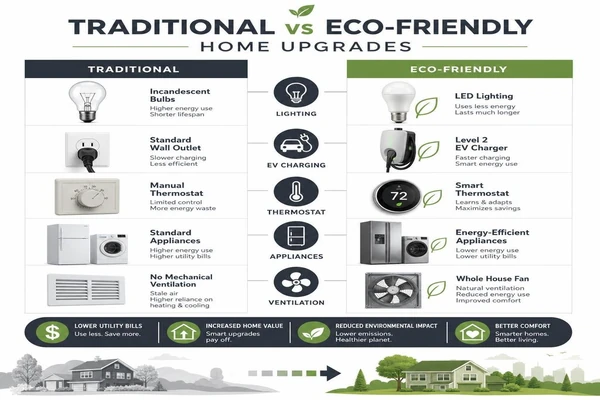
LED lighting is perhaps the simplest yet most effective upgrade. Unlike incandescent bulbs, LEDs consume a fraction of the energy, last significantly longer, and produce very little heat. Replacing traditional bulbs with LEDs can drastically cut down on electricity consumption for lighting. To learn more about the advantages, you can explore the energy-saving LED lighting benefits.
For the growing number of electric vehicle owners, EV charging solutions are becoming essential. Installing a Level 2 EV charger at home offers faster charging times and can be integrated with your home’s energy management system for optimal efficiency. Understanding the differences between Level 1 vs Level 2 EV chargers is key to choosing the right setup for your needs.
Smart thermostats are another powerful tool for energy management. These devices learn your preferences, adjust heating and cooling based on occupancy, and can be controlled remotely. By optimizing your HVAC system’s operation, smart thermostats prevent energy waste and maintain comfortable indoor temperatures.
Beyond these, other electrical upgrades contribute to overall home efficiency:
- Whole house fans: These systems provide natural ventilation, drawing cool air into the home and expelling hot air, reducing reliance on air conditioning during milder weather.
- Energy-efficient appliances: When replacing major appliances, opting for Energy Star-certified models ensures you’re choosing products designed for maximum efficiency.
- Home energy management systems: These advanced systems monitor and control energy usage across various appliances and systems, providing homeowners with detailed insights and optimization opportunities.
By focusing on these energy-efficient electrical upgrades, homeowners can create a smarter, more sustainable home that is prepared for the future.
Financial and Environmental ROI of Green Upgrades
Investing in eco-friendly home services offers a compelling blend of financial advantages and environmental stewardship. While the initial outlay for sustainable upgrades might sometimes be higher than traditional options, the long-term cost savings and return on investment (ROI) are substantial.
Homeowners who embrace sustainable solutions often see a dramatic reduction in their utility bills. Energy-efficient HVAC systems, LED lighting, and water-saving plumbing fixtures directly translate to lower monthly expenses for electricity, natural gas, and water. In fact, eco-friendly upgrades can help homeowners save an average of $2,400 annually on energy bills. This figure represents significant savings that accumulate over the lifespan of the upgrades, often leading to a full return on investment within 3-5 years for many projects.
Beyond immediate savings, green upgrades also enhance property value. Studies indicate that green-certified homes sell for 4-9% more than non-certified homes. This added value comes from the demonstrable energy savings, improved indoor air quality, and the overall appeal of a modern, sustainable home to environmentally conscious buyers. As the market continues to prioritize sustainability, this appreciation is likely to grow.
From an environmental perspective, the ROI is equally profound. By reducing energy consumption, we decrease demand for fossil fuels and lower greenhouse gas emissions, directly combatting climate change. Water conservation efforts protect local ecosystems and ensure future water security. Reducing waste and using non-toxic materials contribute to healthier environments both inside and outside the home.
To illustrate the benefits, consider this comparison:
Maximizing Efficiency with Eco-Friendly Home Services
Achieving maximum efficiency in your home requires a strategic approach, often starting with a comprehensive energy audit. These audits identify areas of energy waste, such as poor insulation, inefficient appliances, or leaky ductwork, providing a roadmap for targeted upgrades.
One of the most effective ways to leverage eco-friendly home services is through partnerships with utility companies. Many utility providers, like Duke Energy, actively promote energy-efficient home solutions by offering incentives, rebates, and expert guidance. These partnerships can make sustainable upgrades more accessible and affordable for homeowners, helping to offset initial costs. For example, some programs might offer rebates for installing high-efficiency heat pumps or smart thermostats. These collaborations underscore a shared commitment to reducing energy consumption and fostering a greener future.
Furthermore, governments at various levels offer tax credits and rebates for specific eco-friendly installations, such as solar panels, energy-efficient windows, or heat pump water heaters. Staying informed about these incentives can significantly reduce the financial burden of going green.
When seeking comprehensive solutions for your home’s efficiency, it’s beneficial to partner with providers who understand the full spectrum of sustainable practices. Companies like Eco Electric home services specialize in integrating these various elements-from electrical and plumbing to HVAC-to create a truly optimized and eco-conscious living space. They can help navigate the complexities of energy audits, incentive programs, and the installation of advanced systems, ensuring your home operates at its peak efficiency.
Long-Term Value and Property Appreciation
The benefits of eco-friendly home services extend far beyond immediate utility bill savings; they significantly contribute to the long-term value and appreciation of your property. In today’s market, a home equipped with sustainable features is increasingly desirable, commanding higher resale values and attracting a broader pool of buyers.
One of the key drivers of this increased value is green certifications. Programs like LEED for Homes, Energy Star, and WaterSense provide verifiable proof that a home meets rigorous standards for energy efficiency, water conservation, indoor air quality, and sustainable materials. A home with a LEED certification, for instance, signals to potential buyers that it’s built or renovated with environmental responsibility in mind, often translating into a premium selling price. Green-certified homes are not just better for the planet; they are also recognized as higher-quality, more durable, and healthier living spaces.
Consider the impact of specific eco-friendly installations on resale value:
- Energy-efficient HVAC systems: A modern, high-efficiency heating and cooling system is a major draw, promising lower operating costs for the new owner.
- Solar panels: Homes with owned solar installations often sell faster and for more money, as buyers value the reduced or eliminated electricity bills.
- Smart home technology: Integrated systems for lighting, temperature control, and security add a layer of modern convenience and efficiency.
- Sustainable landscaping: Drought-tolerant plants and efficient irrigation systems reduce maintenance and water usage, appealing to eco-conscious buyers.
Even seemingly smaller upgrades, such as efficient outdoor heating solutions, can contribute to the overall appeal and perceived value of a property. For instance, understanding the advantages of Infratech patio heaters and the benefits of Infratech heater installations can showcase how even comfort-focused amenities can be integrated sustainably, enhancing the home’s overall marketability.
As consumer awareness of environmental issues and energy costs grows, the demand for sustainable homes will only increase. Investing in eco-friendly upgrades today is a strategic move that future-proofs your property, ensures its long-term appeal, and provides a tangible return on investment.
Improving Indoor Air Quality and Home Comfort
Beyond the financial and environmental benefits, eco-friendly home services play a critical role in enhancing indoor air quality (IAQ) and overall home comfort. We spend a significant portion of our lives indoors, making the air we breathe within our homes paramount to our health and well-being.
Traditional homes can be breeding grounds for allergens, pollutants, and volatile organic compounds (VOCs) released from conventional cleaning products, building materials, and furnishings. Eco-friendly services actively work to mitigate these issues, creating a healthier and more comfortable living environment.
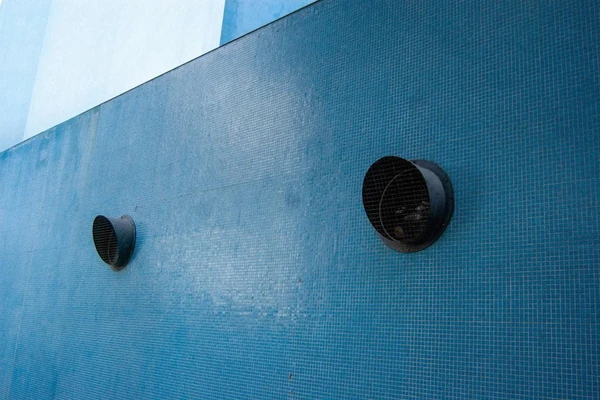
Improved ventilation is a cornerstone of better IAQ. Proper ventilation systems exchange stale indoor air with fresh outdoor air, reducing the concentration of pollutants, humidity, and odors. This is particularly important for managing allergens like dust mites and mold, which thrive in poorly ventilated spaces.
When IAQ is optimized, occupants often experience a reduction in respiratory issues, allergies, and sensitivities. The absence of harsh chemical fumes contributes to a more pleasant and natural atmosphere, fostering a sense of peace and well-being. This focus on a healthier home environment is a direct contribution of eco-friendly practices to overall home comfort.
The Role of HVAC and Duct Maintenance
The heating, ventilation, and air conditioning (HVAC) system is the lungs of your home, and its proper maintenance is crucial for both energy efficiency and indoor air quality. Eco-friendly HVAC services focus on optimizing these systems to deliver clean, conditioned air efficiently.
Duct cleaning is a vital service that removes accumulated dust, debris, allergens, and even mold from your home’s ductwork. Over time, these contaminants can be circulated throughout your home, negatively impacting IAQ. Regular duct cleaning ensures that your HVAC system is distributing clean air, reducing allergens and improving overall air freshness. You can read more about the 6 benefits of duct cleaning to understand its full impact.
AC maintenance is another critical component. Just like a car needs regular tune-ups, your air conditioning system benefits from routine servicing. This includes cleaning coils, checking refrigerant levels, and inspecting all components for optimal operation. Regular maintenance not only extends the lifespan of your unit but also ensures it runs efficiently, preventing breakdowns and maintaining consistent indoor temperatures. For homeowners in the Pacific Northwest, understanding the importance of regular AC servicing in Seattle can be particularly beneficial.
Beyond traditional HVAC, eco-friendly options like QuietCool fans offer innovative ventilation solutions. These whole house fans pull cool air from outside and exhaust hot air from inside, providing a natural and energy-efficient way to cool your home, especially during milder evenings. Learn more about QuietCool Whole House Attic Fans as an alternative or supplement to traditional AC.
Finally, air purification systems can be integrated into your HVAC setup or used as standalone units to further enhance IAQ. These systems use various technologies, such as HEPA filters or UV-C lights, to capture and neutralize airborne particles, pathogens, and odors, ensuring the air you breathe is as clean as possible. By prioritizing these HVAC and duct maintenance services, homeowners can significantly improve their indoor air quality and enjoy a more comfortable, healthier home.
Non-Toxic Cleaning as a Component of Eco-Friendly Home Services
When we talk about eco-friendly home services, cleaning often comes to mind first, and for good reason. Traditional cleaning products frequently contain harsh chemicals, synthetic fragrances, and VOCs that can irritate respiratory systems, trigger allergies, and pollute indoor air. Non-toxic cleaning services offer a healthier alternative, prioritizing the well-being of your family and the environment.
The core difference lies in the products and methods used. Eco-friendly cleaning services exclusively utilize plant-based surfactants and other natural ingredients, avoiding petrochemicals, ammonia, chlorine bleach, and synthetic dyes. These products are biodegradable, meaning they break down naturally without harming ecosystems. They also leave behind zero-residue, preventing chemical buildup on surfaces that can be harmful to children and pets.
Beyond products, eco-friendly cleaning methods often incorporate advanced equipment to maximize effectiveness and minimize environmental impact:
- HEPA filtration vacuums: These commercial-grade vacuums capture 99.97% of particulates down to 0.3 microns, including pollen, mold spores, and dust mites. This significantly improves indoor air quality by removing allergens rather than just stirring them up.
- Microfiber technology: Advanced microfiber cloths are highly effective at trapping dirt and bacteria, often requiring less cleaning solution and reducing water usage.
- Water stewardship: Many eco-friendly cleaning companies employ low-moisture techniques that can reduce water waste by as much as 60% compared to traditional cleaning methods.
The health benefits of using non-toxic, plant-based cleaning products are substantial. They lead to a significant VOC reduction, creating a healthier indoor environment free from irritating fumes. This is particularly beneficial for individuals with allergies, asthma, young children, and pets, who are more sensitive to chemical exposures. For example, studies have linked traditional household chemical exposure to increased childhood asthma rates.
Several companies exemplify this commitment to green cleaning. Services like PurelyEco non-toxic cleaning emphasize hospital-grade equipment and plant-based solutions. Similarly, Casa Eco & Co residential cleaning focuses on health and safety through EPA-reviewed products and specialized protocols, particularly for sensitive times like prenatal and postpartum care. And for those seeking organic options, Go Green Organic Clean highlights the use of EPA Safer Choice and Green Seal certified products to ensure a chemical-free clean. By choosing these services, homeowners can ensure their homes are not just visibly clean, but truly healthy.
Certifications, Standards, and Choosing the Right Provider
When embarking on the journey of eco-friendly home upgrades, it’s crucial to know what to look for in service providers. Not all “green” claims are equal, and understanding key certifications and standards can help homeowners make informed decisions, ensuring quality, safety, and genuine sustainability.
Several reputable certifications and standards exist to guide homeowners:
- LEED (Leadership in Energy and Environmental Design): A globally recognized green building certification program that verifies a home’s sustainable design, construction, and operation.
- Energy Star: A joint program of the U.S. Environmental Protection Agency (EPA) and the U.S. Department of Energy (DOE) that helps businesses and individuals save money and protect the climate through superior energy efficiency. Products and homes earning the Energy Star label meet strict energy efficiency guidelines.
- WaterSense: An EPA-sponsored program that promotes water efficiency by labeling products and services that meet its water-saving criteria. This includes plumbing fixtures like toilets, faucets, and showerheads.
- Green Seal: An independent non-profit organization that certifies products and services based on their environmental performance. Their certification mark indicates that a product or service has undergone a rigorous evaluation and meets leadership standards for health, sustainability, and product performance.
- B Corp Certification: While not specific to home services, B Corps are businesses that meet high standards of verified social and environmental performance, public transparency, and legal accountability to balance profit and purpose. This indicates a company’s broader commitment to sustainability.
Beyond these, look for providers who emphasize factory-trained installers. This ensures that technicians are specifically qualified to install and maintain high-efficiency and specialized eco-friendly equipment, maximizing its performance and longevity.
Verifying Green Credentials and Safety Standards
To ensure you’re choosing a truly eco-friendly and reliable service provider, delve deeper into their credentials and safety protocols.
- EPA Safer Choice: For cleaning services, look for products that carry the EPA Safer Choice label. This signifies that the product contains ingredients that have been reviewed by EPA scientists and meet stringent human health and environmental criteria.
- Green Seal Certification: As mentioned, Green Seal certification for services (like cleaning or landscaping) indicates a commitment to environmental best practices.
- Licensing and Insurance: Always verify that any service provider is properly licensed and insured. This protects you in case of accidents or issues during the service.
- Warranties: Reputable eco-friendly companies often stand behind their work with comprehensive warranties on both parts and labor. This demonstrates their confidence in the quality and durability of their sustainable solutions. For instance, some companies offer membership plans, like the Eco Care Membership Plan, which often include extended warranties, priority service, and routine maintenance to ensure the longevity of your green investments.
- Quality Assurance: Inquire about their quality assurance processes. How do they ensure their sustainable practices are consistently applied? Do they track and report on environmental metrics? Some companies even use AI-powered systems for scheduling, real-time checklists, and quality assurance, providing transparency and accountability.
By thoroughly vetting providers based on these certifications, standards, and operational commitments, homeowners can confidently choose eco-friendly home service companies that deliver on their promises of quality, safety, and sustainability. This due diligence ensures that your investment truly contributes to a greener, healthier home.
Frequently Asked Questions about Sustainable Home Upgrades
As more homeowners consider making their properties eco-friendlier, common questions arise regarding the logistics, benefits, and expectations of sustainable home upgrades. Here, we address some of the most frequent inquiries to help you get started on your green transition.
How much can I save by switching to a heat pump water heater?
Switching to a heat pump water heater can lead to significant energy savings. Traditional water heaters, as we’ve noted, account for approximately 18% of the average home’s energy use. Heat pump water heaters are considerably more efficient because they transfer heat from the surrounding air to heat the water, rather than generating heat directly. This process requires much less electricity.
While exact savings vary based on household size, water usage, and local electricity rates, many homeowners report saving hundreds of dollars annually on their utility bills. Some sources indicate potential savings of up to $1,000 per year compared to conventional electric resistance water heaters. Furthermore, many utility companies and government programs offer rebates or tax credits for installing these energy-efficient units, further reducing the upfront cost and accelerating your return on investment.
What certifications should I look for in eco-friendly service providers?
When selecting an eco-friendly service provider, look for certifications that demonstrate a verifiable commitment to sustainability and quality. Key certifications include:
- LEED (Leadership in Energy and Environmental Design): Especially for larger renovation projects or new construction, this indicates a comprehensive approach to green building.
- Energy Star Partner: For HVAC, appliance, and electrical services, this shows a commitment to installing and recommending energy-efficient products.
- WaterSense Partner: For plumbing services, this indicates expertise in water-saving fixtures and practices.
- Green Seal: For cleaning or landscaping services, this certifies that products and practices meet rigorous environmental standards.
- EPA Safer Choice: For cleaning products, this label ensures ingredients have been reviewed for human health and environmental safety.
- B Corp Certification: While broader, a B Corp certification reflects a company’s overall commitment to social and environmental responsibility, which can be a strong indicator of their values.
Additionally, always check for local licensing, insurance, and positive customer reviews to ensure professionalism and reliability.
How do low-flow plumbing fixtures reduce water waste?
Low-flow plumbing fixtures are engineered to deliver the same perceived water pressure and effectiveness as their traditional counterparts, but using significantly less water. They achieve this through several innovative designs:
- Aerators: Faucet aerators mix air into the water stream, creating a consistent pressure while reducing the actual volume of water used.
- Flow restrictors: Showerheads incorporate flow restrictors that limit the amount of water passing through per minute, without sacrificing spray force.
- Efficient flush mechanisms: Low-flow toilets use less water per flush (typically 1.28 gallons or less, compared to 3.5+ gallons for older models) by optimizing bowl design and flush dynamics for effective waste removal.
By implementing these technologies, low-flow fixtures can reduce household water use by up to 20%. This directly translates to lower water bills for homeowners and a reduced demand on municipal water supplies, contributing to broader water conservation efforts. It’s a simple yet highly effective way to make your home more sustainable without compromising comfort or hygiene.
Conclusion
Embracing eco-friendly home services is a powerful way for homeowners to invest in a more sustainable, healthier, and cost-efficient future. As of June 2026, the shift towards green living is not just a trend but a fundamental change in how we approach our homes. From energy-efficient electrical upgrades and water-conserving plumbing solutions to non-toxic cleaning and superior indoor air quality, the benefits are comprehensive and far-reaching.
We’ve seen how these services can lead to significant long-term cost savings, with homeowners potentially saving an average of $2,400 annually on energy bills and enjoying increased property values of 4-9% for green-certified homes. Beyond the financial incentives, the improvements to indoor air quality, reduced exposure to harmful chemicals, and enhanced overall home comfort contribute to a better quality of life for everyone under your roof.
The journey to a greener home is accessible, supported by various certifications, utility partnerships, and a growing number of expert providers. By choosing certified professionals and making informed decisions about your home’s systems, you can ensure quality, safety, and genuine environmental impact.
The action steps are clear:
- Assess your current home: Consider an energy audit to identify key areas for improvement.
- Prioritize upgrades: Start with high-impact changes like LED lighting, low-flow fixtures, or a heat pump water heater.
- Seek certified professionals: Look for providers with relevant green certifications and a strong track record.
- Explore incentives: Research local and federal rebates, tax credits, and utility company programs.
By taking these steps, you’re not just upgrading your house; you’re contributing to a sustainable future, reducing your environmental footprint, and creating a healthier, more comfortable living space for years to come.
