
Maintaining Indoor Climate Control and System EfficiencyThe Core Components of Indoor Climate Control
Effective indoor climate control is the orchestration of several interconnected systems designed to maintain a comfortable, healthy, and energy-efficient environment within any building. Far beyond simply heating or cooling a space, it encompasses a holistic approach to managing temperature, humidity, ventilation, and air quality. When these components work in harmony, they create an optimal indoor environment, protecting occupants from external weather extremes and internal pollutants.
The fundamental services involved in establishing and maintaining superior indoor climate control typically include:
- Heating Services: Ensuring spaces remain warm and comfortable during colder periods. This involves the installation, repair, and maintenance of furnaces, boilers, heat pumps, and other heating systems.
- Air Conditioning Services: Providing efficient cooling and dehumidification during warmer months, through services like AC installation, repair, and regular tune-ups.
- Ventilation Services: Facilitating the exchange of indoor and outdoor air to remove stale air, pollutants, and excess moisture, while introducing fresh, filtered air. This includes ductwork services and the installation of ventilation systems.
- Maintenance and Repairs: Proactive and reactive services to keep HVAC systems running smoothly, efficiently, and reliably, preventing breakdowns and extending equipment lifespan.
- Installation and Replacement: Expert guidance and execution for new system installations or the upgrade of outdated equipment to modern, energy-efficient alternatives.
- Indoor Air Quality (IAQ) Solutions: Implementing technologies and strategies to purify the air, control humidity, and mitigate allergens and pollutants, ensuring a healthier breathing environment.
Reputable HVAC service providers ensure quality and reliability through a multi-faceted approach. This often begins with employing highly trained, certified, and experienced technicians who are continuously updated on the latest industry standards and technologies. Comprehensive background checks and drug testing for all personnel are common practices to foster trust and professionalism. Furthermore, a commitment to transparent communication, honest advice, and prioritizing customer peace of mind over sales quotas builds lasting relationships. Companies often back their services with warranties and guarantees, demonstrating confidence in their workmanship and the products they install. This dedication to excellence ensures that both residential and commercial clients receive dependable and effective climate control solutions. For an example of a service provider dedicated to comprehensive indoor climate management, exploring what a company like AllStar’s indoor climate control offers can provide insight into the breadth of services available.
The key benefits of a well-balanced climate system are extensive, contributing significantly to both quality of life and operational efficiency:
- Consistent Comfort: Maintaining stable temperatures throughout the year, eliminating hot and cold spots.
- Enhanced Health: Reducing allergens, pollutants, and humidity to mitigate respiratory issues and prevent mold growth.
- Energy Efficiency: Lowering utility bills through optimized system performance and modern, energy-saving technologies.
- Property Protection: Safeguarding sensitive electronics, furniture, and structural integrity from temperature and humidity fluctuations.
- Increased Productivity: Creating an optimal environment for focus and well-being in both homes and workplaces.
- Environmental Responsibility: Reducing carbon footprints through the use of eco-friendly refrigerants and highly efficient systems.
Heating and Cooling Systems
At the heart of indoor climate control are the heating and cooling systems, working in tandem to regulate temperature.
Heating Systems: Furnaces, boilers, and heat pumps are the primary methods for warming indoor spaces.
- Furnaces typically burn natural gas, propane, or use electricity to heat air, which is then distributed through ductwork. They are a common and reliable choice for many homes and businesses.
- Boilers heat water to create steam or hot water, which is then circulated through radiators or radiant floor systems. They offer a comfortable, even heat, often preferred in older or larger buildings.
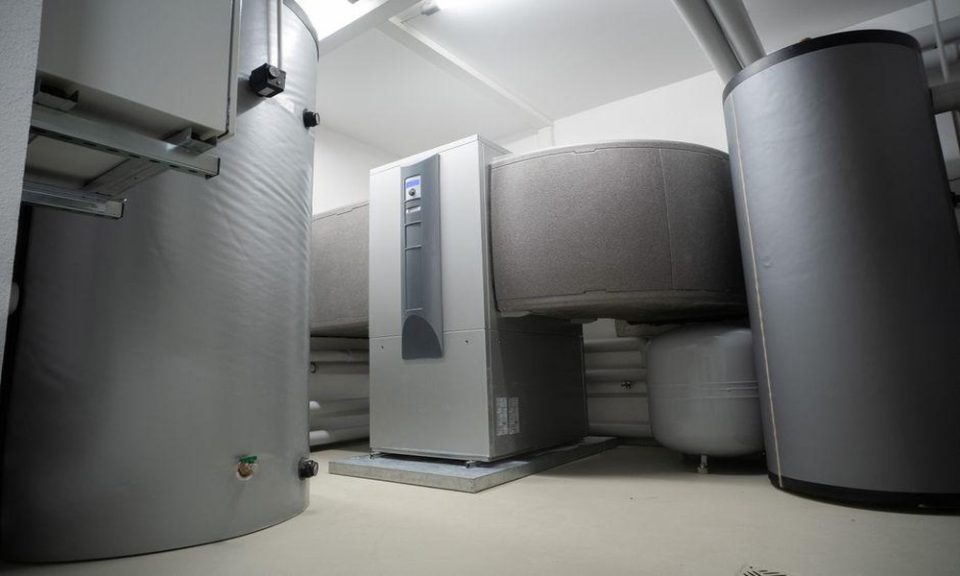
- Heat Pumps are versatile systems that can both heat and cool a space. In heating mode, they extract heat from the outside air (or ground) and transfer it indoors. In cooling mode, the process is reversed. Their ability to move heat rather than generate it makes them incredibly energy-efficient, especially in moderate climates. Modern advancements have significantly improved their performance in colder regions, making them a viable option for year-round comfort. For those interested in the cutting edge of thermal management, understanding Four-season heat pump efficiency is crucial for maximizing energy savings and comfort.
Air Conditioning Systems: When temperatures rise, air conditioners become indispensable.
- Central Air Conditioning cools an entire building by distributing chilled air through a system of ducts. It’s a popular choice for comprehensive cooling.
- Ductless Mini-Splits offer zoned cooling (and often heating) for individual rooms or areas without the need for extensive ductwork, providing flexibility and energy savings.
- Heat Pumps (as mentioned above) also serve as highly efficient air conditioners, reversing their cycle to extract heat from indoors and release it outside.
The choice of heating and cooling system depends on various factors, including climate, building size, existing infrastructure, and energy efficiency goals. Professional HVAC technicians can assess specific needs and recommend the most suitable solutions, ensuring optimal performance and long-term savings.
Ventilation and Indoor Climate Control
Beyond temperature, the quality of the air we breathe indoors profoundly impacts our health and comfort. This is where ventilation plays a critical role. Ventilation is the process of replacing stale indoor air with fresh outdoor air, or at least circulating and filtering the indoor air. This is essential for:
- Removing Pollutants: Exhausting airborne contaminants such as volatile organic compounds (VOCs) from cleaning products, cooking fumes, pet dander, and other indoor allergens.
- Controlling Humidity: Expelling excess moisture that can lead to mold growth, musty odors, and discomfort.
- Replenishing Oxygen: Ensuring a continuous supply of fresh oxygen for occupants.
- Diluting Viruses and Bacteria: Reducing the concentration of airborne pathogens, contributing to a healthier environment.
Fresh Air and Air Changes: The concept of “air changes per hour” (ACH) is a key metric in ventilation, indicating how many times the entire volume of air in a space is replaced within an hour. Adequate ACH rates are crucial for maintaining healthy indoor environments. For human comfort, proper ventilation rates of at least 4 air changes per hour are often recommended. In critical environments like healthcare facilities, specific guidelines, such as the CDC’s recommendation of 5 ACH for general spaces and 12 ACH for hospital rooms with airborne contagions (as of June 2026), ensure heightened safety.
Mechanical Ventilation: While natural ventilation (opening windows and doors) can be effective in certain conditions, mechanical ventilation systems offer consistent and controlled air exchange. These systems use fans to actively bring in fresh air and exhaust stale air. Types of mechanical ventilation include:
- Exhaust Fans: Commonly found in bathrooms and kitchens, these remove localized pollutants and moisture.
- Supply Fans: These bring fresh air into a building, often through filtration systems.
- Balanced Ventilation Systems (HRV/ERV): Heat Recovery Ventilators (HRVs) and Energy Recovery Ventilators (ERVs) are highly efficient systems that exchange indoor and outdoor air while recovering a significant portion of the energy used for heating or cooling. HRVs transfer heat, while ERVs transfer both heat and humidity, making them ideal for maintaining comfort and energy efficiency.
Integrating effective ventilation strategies is paramount for a truly comprehensive indoor climate control system. To dive deeper into the importance of air movement and quality within your living spaces, explore resources like our guide on Home Ventilation for Improved Air Quality. Understanding these systems can dramatically improve the health and comfort of your indoor environment.
Maximizing Energy Efficiency in Modern Buildings
In an era where environmental consciousness and cost savings are paramount, maximizing energy efficiency in building climate control systems is no longer optional-it’s essential. The HVAC industry accounts for approximately 40% of total energy consumption in residential and commercial buildings in the United States, highlighting the immense potential for savings through optimized systems. Modern HVAC technologies and smart strategies offer significant opportunities to reduce energy consumption, lower utility bills, and decrease environmental impact.
SEER Ratings and Energy Consumption: When evaluating cooling systems, the Seasonal Energy Efficiency Ratio (SEER) is a crucial metric. A higher SEER rating indicates greater energy efficiency. Similarly, for heating, Annual Fuel Utilization Efficiency (AFUE) for furnaces and Heating Seasonal Performance Factor (HSPF) for heat pumps provide insights into efficiency. Investing in systems with high SEER, AFUE, and HSPF ratings can lead to substantial long-term savings. For instance, modern energy-efficient HVAC systems can reduce utility bills by 15-30% compared to older, less efficient units.
One of the most innovative and efficient technologies available today is the geothermal heat pump. Unlike traditional systems that rely on air temperature, geothermal systems tap into the earth’s stable underground temperatures for both heating and cooling. This allows them to achieve remarkable efficiencies, often ranging from 300-600%, significantly outperforming conventional methods.
Here’s a brief comparison:
Feature Traditional HVAC (Air-Source) Geothermal Heat Pump Energy Source Outside air Earth’s stable temperature Efficiency Moderate (dependent on ambient air temp) Very High (300-600%) Operating Cost Higher Significantly Lower Lifespan 10-15 years 20-25 years (indoor), 50+ years (ground loop) Environmental Impact Moderate Very Low Installation Cost Lower Higher (initial investment) ROI Shorter Longer (but greater long-term savings) While the initial investment for geothermal systems can be higher, the long-term energy savings and environmental benefits often make them a compelling choice for those looking to maximize efficiency.
Smart Thermostats and Automation
The advent of smart technology has revolutionized how we manage indoor climate. Smart thermostats and automation systems are at the forefront of this change, offering unprecedented control and efficiency.
- Programmable Settings: Modern thermostats allow for detailed scheduling, enabling homeowners and businesses to set different temperatures for various times of the day or week. This ensures energy isn’t wasted heating or cooling an unoccupied space.
- Zoning: Advanced systems can divide a building into multiple “zones,” each with its own thermostat. This allows for independent temperature control in different areas, catering to diverse comfort preferences and further reducing energy consumption by only conditioning occupied zones.
- Sensors: Smart systems often integrate with occupancy sensors, window/door sensors, and even outdoor weather sensors. This allows the system to make intelligent adjustments, such as turning off the AC when a window is open or reducing heating when no one is home.
- IoT Integration: The Internet of Things (IoT) enables seamless connectivity between HVAC systems and other smart home devices. This integration allows for remote control via smartphones or voice assistants, providing convenience and the ability to monitor and adjust climate settings from anywhere. Many systems also offer energy monitoring and analytics, providing insights into consumption patterns and suggesting further optimizations.
By leveraging these technologies, occupants can achieve personalized comfort while significantly cutting down on energy waste.
The Role of Regular Maintenance
Even the most advanced HVAC systems require diligent care to operate at peak efficiency and reliability. Regular, professional maintenance is not merely a suggestion; it’s a critical component of maximizing energy efficiency and extending the lifespan of your equipment.
- System Calibration: Over time, components can drift out of alignment or calibration. Professional technicians can recalibrate thermostats, check refrigerant levels, and ensure all electrical connections are secure, preventing unnecessary energy draw.
- Filter Replacement: Clogged air filters restrict airflow, forcing the HVAC system to work harder and consume more energy. Replacing or cleaning filters regularly (typically every 1-3 months, depending on usage and environment) is one of the simplest yet most impactful maintenance tasks.
- Coil Cleaning: Evaporator and condenser coils can accumulate dirt and debris, hindering their ability to transfer heat effectively. Clean coils ensure the system operates efficiently, preventing a drop in performance and an increase in energy consumption.
- System Lifespan: A well-maintained HVAC system not only runs more efficiently but also lasts longer. Neglecting maintenance can lead to premature wear and tear, necessitating costly repairs or even early replacement. Studies show that proper HVAC maintenance can improve system efficiency by up to 15-20%, leading to significant energy savings over the life of the unit. Furthermore, regular servicing often catches minor issues before they escalate into major, expensive breakdowns, providing peace of mind and protecting your investment.
By adhering to a consistent maintenance schedule, property owners can ensure their climate control systems deliver reliable performance, optimal energy efficiency, and a comfortable indoor environment for years to come.
Enhancing Indoor Air Quality and Health
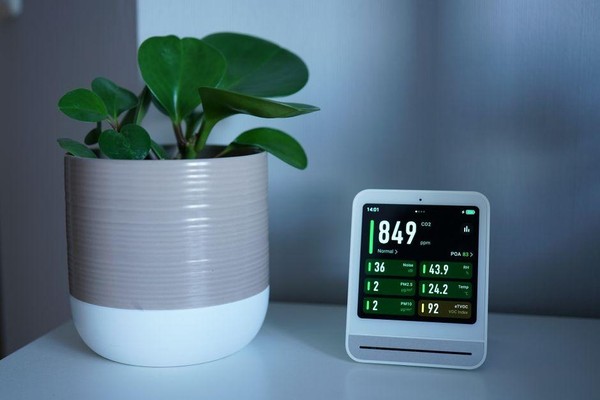
While temperature control is often the most noticeable aspect of indoor climate management, the quality of the air we breathe indoors is equally, if not more, critical for our health and well-being. Poor indoor air quality (IAQ) can lead to a host of problems, from respiratory issues and allergies to fatigue and reduced cognitive function. Given that many people spend up to 90% of their time indoors, optimizing IAQ is paramount.
Allergens and Pollutants: Indoor environments can harbor a variety of allergens and pollutants, including:
- Dust mites: Microscopic organisms that thrive in warm, humid conditions.
- Pet dander: Tiny flakes of skin shed by animals.
- Pollen: Microscopic grains released by plants, often entering through open windows or ventilation systems.
- Mold spores: Fungi that grow in damp areas, releasing spores that can trigger allergic reactions.
- Volatile Organic Compounds (VOCs): Gases emitted from common household products like paints, cleaning supplies, and furniture.
- Bacteria and Viruses: Airborne pathogens that can spread illness.
Air Purification: Modern climate control systems often integrate advanced air purification technologies to combat these threats. These systems can include high-efficiency filters, UV-C lights, and air scrubbers designed to capture or neutralize airborne contaminants.
Humidity Regulation: Maintaining optimal humidity levels is a cornerstone of good IAQ. High humidity creates an ideal breeding ground for mold, dust mites, and bacteria, exacerbating allergies and respiratory problems. Conversely, excessively low humidity can dry out mucous membranes, making individuals more susceptible to colds and flu, and can also damage wood furniture and electronics. HVAC systems with integrated humidifiers and dehumidifiers play a crucial role in balancing indoor moisture levels.
Respiratory Health: The impact of IAQ improvements on respiratory health cannot be overstated. With 50 million Americans suffering from asthma or allergies, effective indoor air quality solutions can significantly reduce symptoms and improve quality of life. By minimizing exposure to triggers, HVAC systems contribute to a healthier breathing environment for everyone, particularly vulnerable populations like children and the elderly. For a deeper understanding of how to protect your family, consider the insights provided in resources addressing Indoor Air Quality on Children Health.
Air Filtration and Indoor Climate Control
Air filtration is the first line of defense against airborne pollutants and a fundamental component of effective indoor climate control. The right filtration system can dramatically improve IAQ and contribute to a healthier environment.
MERV Filters: The Minimum Efficiency Reporting Value (MERV) rating indicates a filter’s ability to capture airborne particles. Higher MERV ratings signify greater filtration efficiency:
- MERV 1-4: Basic filters, primarily capturing large particles like dust and lint.
- MERV 5-8: Good for residential use, capturing mold spores, pet dander, and some dust.
- MERV 9-12: Excellent for residential and light commercial use, trapping finer particles like auto emissions and humidifier dust.
- MERV 13-16: Hospital-grade filters, highly effective against bacteria, sneeze particles, and most smoke.
- MERV 17-20: Used in cleanrooms and surgical operating rooms, capturing viruses and carbon dust.
While higher MERV filters offer superior filtration, they can also restrict airflow more significantly, potentially impacting system efficiency if the HVAC unit isn’t designed to handle them. Consulting with an HVAC professional can help determine the optimal MERV rating for your system and needs.
Dust Reduction and Airborne Pollutants: Beyond MERV filters, other technologies further enhance air purification:
- Electronic Air Cleaners: These use an electrostatic charge to attract and trap microscopic particles.
- UV-C Lights: Installed within the HVAC system, UV-C lamps can sterilize airborne bacteria, viruses, and mold spores as they pass through the ductwork.
- Whole-Home Air Purifiers: These integrated systems work with your HVAC unit to continuously clean the air throughout your entire home or building.
By investing in robust air filtration and purification, you can significantly reduce dust, allergens, and other airborne pollutants, leading to a cleaner, fresher, and healthier indoor environment. For a comprehensive overview of available solutions, refer to our guide on Top Indoor Air Quality Solutions. Implementing these strategies is a proactive step towards ensuring the well-being of all occupants.
Frequently Asked Questions About Climate Control
Navigating the complexities of indoor climate control can raise many questions. Here, we address some of the most common inquiries to help you better understand and manage your indoor environment.
What is the ideal humidity level for indoor comfort?
Maintaining the right balance of relative humidity is crucial for both comfort and health. Relative humidity (RH) refers to the amount of moisture in the air compared to the maximum amount it can hold at a given temperature.
- Comfort Range: For optimal indoor comfort and health, the ideal relative humidity level typically falls between 30% and 50%.
- Mold Prevention: Humidity levels consistently above 60% create an ideal breeding ground for mold, mildew, and dust mites, which can trigger allergies and respiratory issues. High humidity can also cause structural damage to your home over time.
- Health and Property Protection: Conversely, humidity levels below 30% can lead to dry skin, irritated nasal passages, static electricity, and can even damage wood furniture, flooring, and musical instruments by causing them to crack or warp.
Many modern HVAC systems include built-in humidifiers and dehumidifiers, or these can be installed as standalone whole-home units, to help maintain these ideal levels throughout the year. Monitoring your home’s humidity with a hygrometer can help you determine if adjustments are needed.
How often should HVAC air filters be replaced?
The frequency of HVAC air filter replacement is a critical aspect of filter maintenance, directly impacting both indoor air quality and system efficiency. While there’s no single universal answer, a general guideline is to replace your air filters every 1 to 3 months. However, several factors can influence this schedule:
- Occupancy: Homes with more people tend to accumulate dust and dander faster.
- Pets: Households with pets often require more frequent filter changes due to increased pet dander and hair.
- Allergies/Asthma: If anyone in your home suffers from allergies or asthma, more frequent replacement (monthly) can significantly improve their symptoms.
- Local Air Quality: Living near construction, busy roads, or in areas with high pollen counts may necessitate more frequent changes.
- System Usage: Filters in systems that run continuously (e.g., during extreme seasons) will need to be replaced more often than those in systems used intermittently.
- Filter Type: Higher MERV-rated filters, while more effective at trapping small particles, can sometimes become clogged more quickly and may require more frequent checks.
Regular filter replacement ensures proper airflow, which is vital for your HVAC system’s efficiency and longevity. A clogged filter forces your system to work harder, consuming more energy and potentially leading to costly breakdowns. It also prevents the filter from effectively trapping airborne particles, compromising your indoor air quality. Make it a habit to check your filter monthly and replace it as needed.
What are the benefits of zoning in climate control?
Zoning in climate control refers to the ability to divide a home or commercial building into distinct temperature zones, each controlled by its own thermostat. This allows for independent temperature regulation in different areas, offering a host of benefits:
- Energy Savings: This is one of the most significant advantages. Instead of heating or cooling an entire building to a single temperature, zoning allows you to condition only the occupied or most-used areas. For example, you can keep bedrooms cooler at night and warmer during the day, or reduce conditioning in unused guest rooms or offices. This targeted approach can lead to substantial reductions in energy consumption and lower utility bills.
- Personalized Comfort: Different individuals have different comfort preferences, and various rooms have different heating/cooling needs (e.g., a sunny room versus a shaded room). Zoning allows occupants to set temperatures that suit their specific comfort levels in their respective zones, eliminating arguments over the thermostat and ensuring everyone is comfortable.
- Enhanced Efficiency for Multi-Story Homes: Multi-story homes often suffer from uneven temperatures due to the natural phenomenon of heat rising. Zoning effectively combats this by allowing separate control for each floor, ensuring consistent comfort throughout the entire property.
- Increased System Lifespan: While the initial installation of a zoning system can be more complex, it can lead to less wear and tear on your HVAC unit in the long run. By only conditioning necessary areas, the system may run less frequently or at lower capacities, extending its operational life.
- Flexibility: Zoning provides unparalleled flexibility, allowing you to adapt your climate control to your lifestyle, occupancy patterns, and even seasonal changes with ease.
For larger homes or commercial spaces, investing in a well-designed zoning system can pay dividends in terms of both comfort and cost savings, making it a smart upgrade for modern climate control.
Conclusion
Achieving optimal indoor climate control is a continuous journey that significantly impacts our comfort, health, and financial well-being. From the foundational elements of heating, cooling, and ventilation to the advanced capabilities of smart thermostats and comprehensive air purification, every component plays a vital role in creating and sustaining an ideal indoor environment. As we’ve explored, embracing energy-efficient technologies like high-SEER systems and geothermal heat pumps, coupled with diligent maintenance, not only reduces utility bills but also contributes to a more sustainable future.
The benefits extend beyond mere temperature regulation, profoundly influencing indoor air quality and, by extension, our respiratory health and overall quality of life. By understanding the nuances of humidity control, the importance of proper air filtration, and the advantages of advanced features like zoning, we empower ourselves to make informed decisions about our indoor spaces. In June 2026, the commitment to superior indoor climate control is more than just a home improvement; it’s an investment in long-term comfort, system reliability, and sustainable living for generations to come.
