
The Core Pillars of Eco-Friendly Home Maintenance
Embracing eco-friendly home maintenance is fundamentally about making conscious choices that benefit both your living environment and the planet. At its heart, this approach prioritizes sustainability, resource conservation, and a significant reduction in your home’s carbon footprint. It’s a holistic strategy that encompasses everything from the materials we use for repairs and renovations to the daily practices that keep our homes running efficiently.
The foundation of sustainable home maintenance lies in selecting materials and products that are not only effective but also environmentally responsible. This means looking beyond immediate cost and considering the entire lifecycle of a product-its production, use, and eventual disposal. Certifications like ENERGY STAR and WaterSense serve as invaluable guides, indicating products that meet rigorous standards for energy and water efficiency, respectively. These labels simplify the process of identifying appliances, windows, and fixtures that will reduce your utility consumption and environmental impact.
Beyond major appliances, the materials we choose for smaller maintenance tasks also play a critical role. For instance, when considering updates or renovations, opting for low-VOC (Volatile Organic Compound) products for paints, sealants, and adhesives significantly improves indoor air quality by reducing harmful emissions. Similarly, choosing durable, long-lasting materials minimizes the need for frequent replacements, conserving resources and reducing waste over time. This focus on durability and quality not only benefits the environment but also enhances your home’s resale value, as properties with green upgrades like energy-efficient windows, sustainable flooring, and smart thermostats often see an increase in market appeal. For those planning renovations, considering all aspects of your home, including exterior finishes, can lead to substantial long-term benefits. For instance, prioritizing eco-friendly painting maintenance can ensure that your home’s exterior protection aligns with your broader sustainability goals.
The shift towards sustainable materials and practices is a tangible step towards a greener future, making our homes healthier and more resilient.
Affordable Starting Points for Eco-Friendly Home Maintenance
Making your home more eco-friendly doesn’t always require a significant financial investment. Many impactful changes can be implemented with a low budget, making sustainable living accessible to everyone. These affordable starting points are crucial for homeowners and renters alike, proving that every small step contributes to a larger environmental impact and noticeable savings.
One of the fastest and most cost-effective ways to reduce energy consumption is by switching to LED lighting. Replacing just five frequently used incandescent bulbs with LEDs can save approximately $45 each year. LEDs consume significantly less energy and have a much longer lifespan, reducing both your electricity bill and the frequency of bulb replacements.
Weatherproofing your home is another budget-friendly strategy with substantial returns. Sealing air leaks around windows and doors with caulk and weatherstripping prevents conditioned air from escaping and unconditioned air from entering. This simple measure can lead to annual energy savings of 5% to 30% by reducing drafts, making your home more comfortable year-round.
Water conservation is equally important and can be achieved through inexpensive upgrades. Installing faucet aerators is incredibly simple and can reduce home water consumption by nearly 50% without compromising water pressure. Similarly, replacing old showerheads with low-flow fixtures can cut water flow from 5.5 gallons per minute (gpm) to 2.5 gpm or lower, saving over 50% water during showers. For renters, these small, reversible changes are ideal for making a space more eco-friendly without permanent alterations.
Here’s a list of budget-friendly green hacks and renter-friendly upgrades:
- LED light bulbs: Easy to install, long-lasting, and energy-efficient.
- Smart power strips: Cut “vampire” energy drain from electronics when not in use.
- Programmable thermostats: Optimize heating and cooling schedules to save energy.
- Draft stoppers: Inexpensive fabric tubes placed at the bottom of doors to block drafts.
- Window film: Adds an extra layer of insulation to windows, reducing heat transfer.
- Rain barrels: Collect rainwater for gardening, reducing reliance on municipal water.
- Composting bin: Turn food scraps into nutrient-rich soil for plants.
- Reusable cleaning cloths: Reduce waste from paper towels.
- DIY cleaning solutions: Use natural ingredients like vinegar and baking soda.
These simple, low-cost changes demonstrate that eco-friendly home maintenance is within reach for every household, offering immediate benefits in terms of reduced utility bills and a smaller environmental footprint.
The Role of Home Energy Audits in Eco-Friendly Home Maintenance
Understanding where your home loses energy is the first critical step toward making it truly eco-friendly and energy-efficient. This is precisely where a home energy audit comes into play. A professional energy audit provides a comprehensive assessment of your home’s energy performance, pinpointing specific areas of inefficiency and offering tailored recommendations for improvement.
During an energy audit, certified professionals use specialized tools and techniques to identify energy leaks and insulation deficiencies. Key diagnostic tests often include:
- Blower door tests: This involves depressurizing your home to exaggerate air leaks, making them easier to detect and seal.
- Thermographic scanning: Infrared cameras are used to visualize temperature differences, revealing areas of heat loss or gain through walls, ceilings, and floors.
The audit identifies not just obvious issues but also hidden problems that contribute to higher energy bills and reduced comfort. For example, while insulation is a known energy saver, an audit might reveal that an improperly insulated attic is costing you significantly. Properly insulated attics, for instance, can reduce heating and cooling bills by 10% to 50%. The insights gained from an audit allow homeowners to prioritize upgrades based on their potential for energy savings and return on investment.
While a professional energy audit typically costs around $400, it can yield 5% to 30% annual energy savings from reducing drafts alone. This makes it a highly valuable investment for anyone serious about eco-friendly home maintenance. For a detailed understanding of how these evaluations work and how they can benefit your home, exploring resources like EnerGuide energy home evaluations can provide further insights into the process and its benefits. These evaluations are essential for creating an effective strategy for eco-friendly improvements, ensuring that your efforts are targeted and yield the best possible results.
Energy Efficiency and Smart Technology Integration
Integrating energy-efficient upgrades and smart technology into your home maintenance routine is a powerful way to reduce environmental impact and significantly lower utility bills. These advancements offer precise control over your home’s energy consumption, leading to a more sustainable and comfortable living space.
One of the most impactful upgrades involves improving your home’s thermal envelope. This includes enhancing insulation, particularly in the attic, where a significant amount of heat can be lost or gained. Sealing air leaks around the attic and other areas, often referred to as attic sealing, works in conjunction with insulation to create a more airtight and energy-efficient home. Upgrading to triple-glazed windows is another excellent investment, providing superior insulation compared to standard windows, further reducing heating and cooling demands.
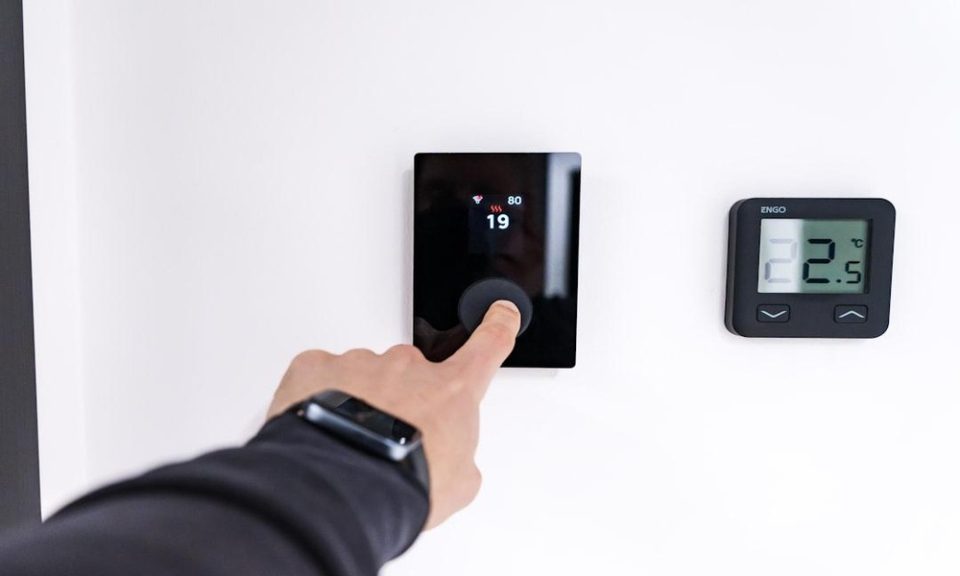
Smart technology takes energy efficiency to the next level. Smart thermostats, for example, learn your preferences and adjust temperatures automatically, optimizing energy use based on occupancy, weather, and your schedule. This can result in significant savings without sacrificing comfort. Beyond thermostats, smart home systems can include smart leak detectors that alert you to water leaks, preventing costly damage and water waste.
The integration of renewable energy sources is also becoming increasingly accessible. Installing solar panels on your roof can generate clean electricity, potentially allowing you to sell excess power back to the grid. For suitable locations, wind turbines can also contribute to your home’s energy independence.
Here’s a comparison that highlights the benefits of smart thermostats:
Feature Traditional Thermostat Smart Thermostat Programming Manual, limited schedules Automated, adaptive learning, remote control Energy Savings Basic, dependent on manual use Optimized, significant savings Comfort Static temperature settings Dynamic, adapts to occupancy and preferences Integration Standalone Connects with other smart home devices Insights None Provides energy usage reports and tips By combining robust insulation and advanced window technology with smart home devices, we can achieve unparalleled levels of energy efficiency, making our homes truly sustainable and future-ready.
Optimizing HVAC and Appliance Performance
Regular maintenance and strategic upgrades to your home’s heating, ventilation, and air conditioning (HVAC) systems and appliances are fundamental to eco-friendly home maintenance. These systems are often major energy consumers, and optimizing their performance can lead to substantial reductions in energy use and environmental impact.
A simple yet highly effective maintenance task is consistent HVAC filter replacement. Dirty filters restrict airflow, forcing your system to work harder and consume more energy. Replacing your HVAC filter every three months ensures maximum efficiency, reduces energy consumption, and improves indoor air quality.
When it comes to appliances, making informed choices is crucial. The EnerGuide label provides valuable information on a product’s energy consumption, allowing you to compare models and choose the most efficient option. This label, often found alongside the ENERGY STAR® qualified products logo, indicates that an appliance meets strict energy efficiency guidelines set by government agencies. Whether you’re buying a new refrigerator, washing machine, or dishwasher, prioritizing ENERGY STAR certified models can lead to significant energy and water savings. For instance, ENERGY STAR certified homes are 20% more energy-efficient than typical homes, and R-2000 certified homes offer 50% more energy efficiency.
Consider upgrading to a tankless water heater for more efficient hot water production. Unlike traditional tank heaters that continuously heat a large volume of water, tankless models heat water on demand, reducing standby energy losses and saving energy.
For those looking to generate their own power, exploring solar panels and wind turbines can dramatically reduce reliance on the grid. These renewable energy sources can be converted into electricity or heat, offering long-term environmental and financial benefits. By actively managing and upgrading these critical home systems, we contribute to a more sustainable household and a healthier planet.
Water Conservation and Sustainable Landscaping
Water is a precious resource, and its efficient use is a cornerstone of eco-friendly home maintenance. Implementing strategies for water conservation, both indoors and outdoors, can significantly reduce your household’s water footprint and lower utility bills.
One effective outdoor strategy is rainwater harvesting. Installing rain barrels connected to your downspouts allows you to collect rainwater for irrigating gardens, washing cars, or other non-potable uses. This reduces your reliance on municipal water supplies, especially during dry periods. For more advanced systems, greywater reuse involves diverting water from sinks, showers, and washing machines (after filtering) to irrigate landscaping.
Indoors, addressing leaks is paramount. A single leaky faucet can waste thousands of gallons of water per year. Regularly checking and maintaining fixtures, such as replacing a faulty toilet flapper, can prevent silent leaks that often go unnoticed. A simple dye test can reveal if your toilet is leaking silently. For comprehensive water-saving solutions in your bathroom, exploring options for reliable home plumbing maintenance can help you identify upgrades like low-flow toilets and showerheads that significantly reduce water usage.
Irrigation efficiency is critical for outdoor water conservation. This involves using smart irrigation controllers that adjust watering schedules based on weather conditions, soil moisture sensors, and the specific needs of your plants. Drip irrigation systems deliver water directly to plant roots, minimizing evaporation and runoff compared to traditional sprinklers. The WaterSense certification on products like toilets, showerheads, and irrigation controllers indicates that they meet EPA criteria for efficiency and performance, helping families save more than 50,000 gallons of water and over $700 in water and energy costs per year.
By adopting these water-saving practices, we can ensure our homes are both sustainable and responsible stewards of this vital resource.
Greening the Outdoors with Native Plants
Beyond efficient irrigation, the choice of plants for your landscape profoundly impacts water consumption and ecological health. Sustainable landscaping emphasizes using plants that are well-suited to your local climate and soil conditions, significantly reducing the need for supplemental watering and chemical treatments.
Xeriscaping, a landscaping method that minimizes the need for water, is an excellent approach for water-scarce regions. This involves selecting drought-tolerant species that thrive with minimal irrigation once established. Replacing traditional lawns, which account for 50% of residential water use for landscaping, with low-water or no-water alternatives makes a huge difference. Examples of drought-tolerant plants include seaside daisy, Texas ranger, agave, and lavender.
Composting plays a dual role in sustainable landscaping. By turning food scraps and yard waste into nutrient-rich soil, composting reduces landfill waste and enriches your garden beds. This improved soil structure retains moisture more effectively, further reducing the need for irrigation.
Soil mulching is another simple yet powerful technique. Applying a layer of organic mulch around plants helps to suppress weeds, regulate soil temperature, and, most importantly, retain soil moisture by reducing evaporation. This means less frequent watering and healthier plants.
By focusing on native plants and these sustainable landscaping practices, we not only conserve water but also support local biodiversity, providing habitat and food sources for local wildlife, such as pollinators.
Indoor Air Quality and Green Cleaning Trends
The air inside our homes can often be more polluted than the air outside, making indoor air quality a critical component of eco-friendly home maintenance. Our cleaning practices and the products we use significantly influence this.
Improving indoor air quality starts with reducing sources of pollution. Regular dusting and vacuuming with a HEPA filter can remove dust, allergens, and airborne particles that carry toxic chemicals. Many everyday household products, from cleaners to furniture, can contain harmful substances. Therefore, minimizing exposure to these chemicals is vital. This includes choosing products with low-VOC formulations and avoiding artificial air fresheners.
When it comes to cleaning, the trend is moving towards green cleaning. This involves using products made from natural, non-toxic ingredients that are effective without harming human health or the environment. Many homeowners are discovering the benefits of DIY cleaning solutions using ingredients like vinegar, baking soda, and essential oils. For those who prefer professional assistance, many services now specialize in green cleaning. For instance, reputable services offering Eco-friendly home cleaning Broomfield prioritize the use of non-toxic, biodegradable products, ensuring a healthy environment for your family and pets. To help identify safer products, resources like Your guide to safer cleaning products offer valuable information and ratings.
Looking ahead, the cleaning industry is evolving with advanced technologies designed to enhance sustainability and effectiveness. Electrostatic sprayers deliver cleaning solutions with an electrical charge, allowing them to cling to surfaces more thoroughly and use less product. UV disinfection uses ultraviolet light to kill germs and bacteria without chemicals, particularly useful for sanitizing surfaces. These innovations are paving the way for even greener and more efficient cleaning practices in our homes.
Future Trends in Sustainable Upkeep
The landscape of eco-friendly home maintenance is continuously evolving, with exciting innovations on the horizon that promise even more sustainable and efficient ways to care for our homes. These future trends are driven by a growing awareness of environmental impact and a desire for healthier living spaces.
One significant trend is the increasing demand for products with robust environmental certifications. Beyond ENERGY STAR and WaterSense, labels like Cradle-to-Cradle certified indicate products designed for circularity, meaning their materials can be reused or recycled indefinitely. Similarly, the Safer Choice label from the EPA identifies products made with ingredients that are safer for human health and the environment. These certifications provide consumers with clear guidance, making it easier to select truly sustainable options for cleaning supplies, building materials, and more. For a comprehensive list of products meeting these stringent standards, refer to resources like the Safer Choice label website.
In the realm of cleaning and maintenance, we can expect to see wider adoption of technologies that minimize chemical use and maximize efficiency. Antimicrobial protection integrated into surfaces and materials will help inhibit the growth of bacteria and mold, reducing the need for harsh cleaning agents.
Furthermore, AI-driven maintenance is set to revolutionize how we manage our homes. Smart home systems equipped with artificial intelligence will be able to predict maintenance needs, optimize energy usage based on learned patterns, and even detect issues before they become major problems. Imagine a system that alerts you to a potential HVAC malfunction based on subtle changes in performance or automatically adjusts irrigation based on hyper-local weather forecasts.
These advancements, from advanced certifications to intelligent home systems, underscore a future where eco-friendly home maintenance is not just a choice but an integrated, seamless part of modern living, making our homes healthier, more efficient, and more harmonious with the environment.
Frequently Asked Questions about Eco-Friendly Home Maintenance
We understand that transitioning to eco-friendly home maintenance can raise many questions. Here, we address some of the most common inquiries to help you on your journey toward a more sustainable home.
What are the most effective low-cost eco-upgrades for renters?
For renters or those on a tight budget, the most effective low-cost eco-upgrades focus on energy and water conservation, as well as reducing waste. These include:
- Switching to LED light bulbs: An inexpensive and immediate way to cut electricity use.
- Installing faucet aerators and low-flow showerheads: These are easy to install, often reversible, and significantly reduce water consumption.
- Using smart power strips: Prevents “vampire” energy drain from electronics when they’re turned off but still plugged in.
- Sealing drafts: Applying removable window film, using door snakes, or temporary weatherstripping can improve insulation.
- Composting: A small countertop or balcony composter can turn food scraps into valuable soil amendments.
- DIY cleaning products: Using vinegar, baking soda, and essential oils can replace many chemical-laden commercial cleaners.
These affordable changes can make a noticeable difference in your utility bills and environmental footprint without requiring landlord permission for major alterations.
How do green home improvements affect property value and utility bills?
Green home improvements have a profoundly positive impact on both property value and utility bills.
- Increased Property Value: Homes with green features like energy-efficient windows, sustainable flooring, and smart thermostats are increasingly attractive to buyers. Studies show that green homes can command higher resale values and sell faster than conventional homes. Certifications like ENERGY STAR or WaterSense labeled homes signal superior performance and lower operating costs, making them more desirable.
- Reduced Utility Bills: This is one of the most immediate and tangible benefits. Eco-friendly upgrades directly target energy and water consumption. For example, switching to energy-efficient lighting can save $45 per year for just five frequently used bulbs. Properly insulated attics can reduce heating and cooling bills by 10% to 50%. The average green home reduces energy costs by 30% a year. Families in WaterSense labeled homes save more than 50,000 gallons of water and over $700 in water and energy costs per year. These savings accumulate over time, offsetting the initial investment in upgrades.
Overall, green improvements are a win-win, enhancing your home’s appeal while providing ongoing financial and environmental benefits.
Are there tax incentives or certifications for sustainable home upgrades?
Yes, many governments and local utilities offer tax incentives, rebates, and certifications to encourage homeowners to adopt sustainable practices. These programs can significantly reduce the upfront cost of eco-friendly upgrades.
- Tax Incentives: These often come in the form of federal, state, or provincial tax credits for specific energy-efficient improvements, such as installing solar panels, energy-efficient windows, or upgrading insulation. It’s crucial to check with your local tax authority for current programs.
- Rebates: Utility companies frequently offer rebates for purchasing ENERGY STAR certified appliances, smart thermostats, or making specific home efficiency improvements. These can be direct cash back or credits on your utility bill.
- Certifications: Beyond product labels like ENERGY STAR and WaterSense, entire homes can achieve certifications that validate their sustainable design and performance. Examples include ENERGY STAR certified homes (20% more efficient) and R-2000 certified homes (50% more efficient). These certifications not only provide peace of mind but can also increase a home’s market value.
We recommend researching available programs in your specific area, as incentives can vary widely by location. Consulting with a professional energy auditor can also help identify eligible upgrades and navigate the application process for incentives.
Conclusion
Embracing eco-friendly home maintenance is more than a series of individual tasks; it’s a commitment to long-term sustainability and a testament to environmental stewardship. By integrating thoughtful choices into our daily routines and home improvement projects, we actively contribute to a healthier planet and create more resilient, comfortable, and cost-effective living spaces. From the simple act of switching to LED lighting to the significant investment in renewable energy, every step we take helps reduce our collective carbon footprint and conserve precious resources.
The journey toward a greener home is also about habit formation. It encourages us to be more mindful consumers, to prioritize durability and efficiency, and to understand the impact of our choices. This holistic approach not only benefits the environment but also leads to tangible financial savings through reduced utility bills and enhanced property value. As we look to the future, eco-friendly home maintenance is becoming increasingly vital, ensuring that our homes are not just structures but thriving ecosystems that support both human well-being and ecological balance. By making these conscious decisions today, we are actively future-proofing our properties and fostering a legacy of sustainability for generations to come.
