
Identifying the Need for Home Exterior Renovations
Our homes are more than just shelters; they are significant investments and reflections of our personal style. The exterior is the first impression, immediately telling a story about the property and its inhabitants. More than just aesthetics, your home’s exterior protects you from the elements, influences energy efficiency, and plays a critical role in its overall value.
Over time, even the most robust exteriors can show signs of wear and tear. Fading, cracking, or outdated designs are not just visual concerns; they can signal deeper issues impacting comfort and safety. Proactive quality home exterior renovations are key to maintaining both beauty and function.
In this comprehensive guide, we will explore everything you need to know about revitalizing your home’s facade. We will cover how to identify when renovations are needed, delve into high-impact upgrades like siding and roofing, discuss smart planning and material selection, and outline essential maintenance tips to ensure your investment lasts for decades. Our goal is to empower you with the knowledge to enhance your home’s curb appeal, improve its protection, and boost its long-term value.
Before embarking on any renovation project, it’s crucial to understand why your home’s exterior might need an upgrade. Recognizing the warning signs early can save you significant time and money, preventing minor issues from escalating into major structural problems.
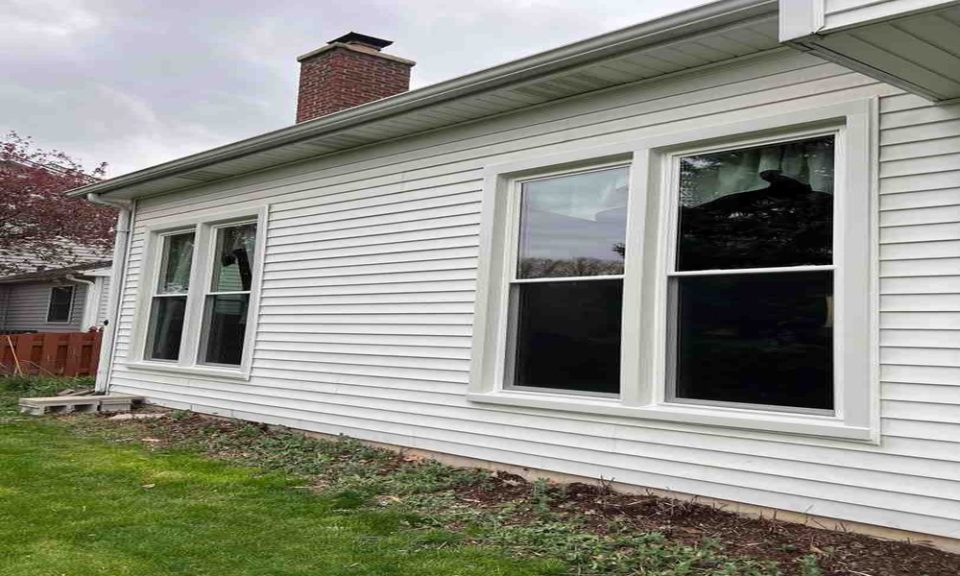
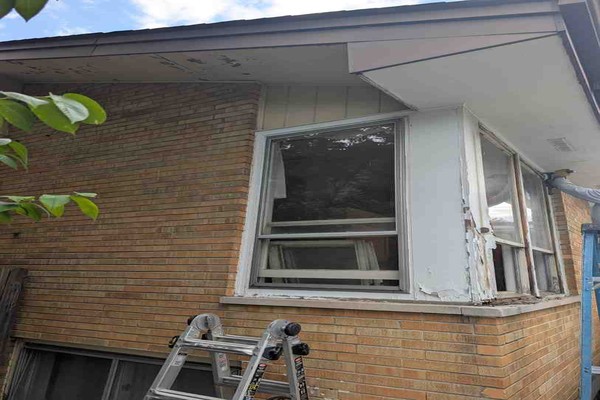
Visually, your home’s exterior might show obvious signs of distress. Fading paint and peeling surfaces are not just aesthetic nuisances; they indicate that your home’s protective layer is compromised, leaving the underlying materials vulnerable to moisture and UV damage. Cracked or warped siding, whether vinyl, wood, or fiber cement, is another clear indicator. These cracks can allow water to penetrate, leading to rot, mold, and structural damage. Outdated aesthetics and mismatched additions can also significantly detract from your home’s curb appeal and perceived value, making it look neglected or out of place in its neighborhood.
Beyond the visible, there are functional signs that point to the need for renovation. Drafty windows and doors are often culprits behind rising utility bills, as they allow conditioned air to escape and unconditioned air to enter. This compromises your home’s energy efficiency and comfort. Moisture intrusion, often evidenced by water stains, dampness, or even mold growth inside your walls or attic, is a serious concern that demands immediate attention.
Structural issues, though less obvious, are paramount. We recommend a thorough inspection for foundation cracks, especially those wider than bc inch, or signs of warped door frames, which can indicate shifting foundations. These issues require professional assessment before any cosmetic renovations begin. For homeowners in regions like Chicago, the constant freeze-thaw cycles can exacerbate these problems, making durable materials and proper installation even more critical. Addressing these fundamental issues through quality home exterior renovations ensures the longevity and safety of your entire home.
High-Value Upgrades: Siding, Roofing, and Entryways
When considering home exterior renovations, focusing on upgrades that offer a strong return on investment (ROI) is a smart strategy. Certain projects consistently deliver significant value, enhancing both curb appeal and structural integrity.
Siding replacement is often one of the most impactful upgrades. Materials like fiber cement and vinyl siding not only dramatically improve your home’s appearance but also offer superior durability and protection against the elements. Fiber cement, for instance, is renowned for its resistance to rot, pests, and fire, while modern vinyl siding provides excellent weather resistance and comes in a vast array of colors and styles. Updated siding can recoup up to 88% of its cost at resale, making it a sound investment.
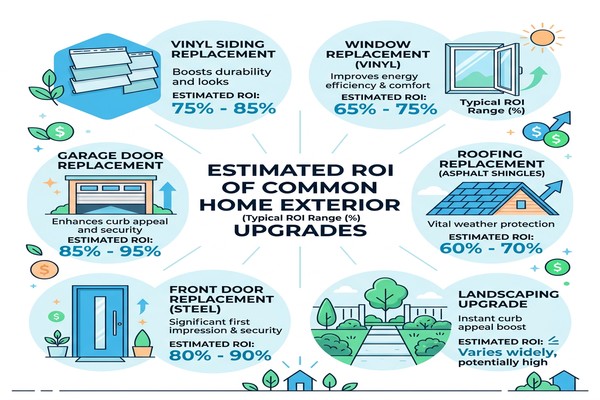
Roofing is another critical component. A new roof not only protects your home but also contributes significantly to its curb appeal and energy efficiency. Options range from traditional asphalt shingles, known for their cost-effectiveness and versatility, to more durable and long-lasting metal roofing, which can offer superior impact resistance and thermal protection. A new roof can return up to 60% in resale value, and choosing high-quality materials can extend its lifespan for decades. For homeowners looking for comprehensive exterior solutions, exploring resources focused on Delaware exterior renovations can provide valuable insights into regional considerations and available services, regardless of your location.
Entryways, including your front door and garage door, are often overlooked but offer some of the highest ROIs. A new front door can provide an ROI of up to 119% in some markets, instantly boosting curb appeal and making a welcoming statement. Fiberglass doors offer excellent durability and can mimic the look of wood without the maintenance, while steel entryways provide superior security and energy efficiency. Garage door replacement is another top performer, recouping nearly 96% of its cost at resale. Adding stone veneer accents can further elevate your home’s facade, consistently ranking among the highest-ROI improvements. These projects collectively contribute to a significant increase in perceived home value, potentially by up to 17%.
The Impact of Energy-Efficient Windows and Doors on Home Exterior Renovations
Beyond aesthetics and immediate ROI, the long-term benefits of energy-efficient windows and doors cannot be overstated. These upgrades play a crucial role in improving your home’s thermal performance, leading to substantial energy savings and enhanced comfort.
Modern windows incorporate advanced technologies such as Low-E (low-emissivity) glass coatings, which reflect infrared light, keeping heat inside during winter and outside during summer. Many also feature inert gas fills, like argon or krypton, between panes of glass. These gases are denser than air, further improving insulation. Double-pane and triple-pane windows significantly reduce heat transfer compared to older single-pane units, and opting for ENERGY STAR certified products ensures they meet strict energy performance standards.
The frame durability of windows and doors is equally important. Materials like vinyl, fiberglass, and wood-clad frames offer excellent insulation properties and require minimal maintenance. Upgrading to energy-efficient windows can reduce energy costs by up to 30%, making them a worthwhile investment that pays dividends over time.
For doors, especially your front entry, choosing insulated fiberglass or steel options can drastically reduce heat loss. Incorporating features like security locks enhances safety, while options like sidelights can introduce natural light into your entryway without compromising privacy if chosen with frosted or decorative glass. Beyond energy savings, new windows and doors can also offer improved sound reduction, creating a quieter and more peaceful indoor environment, and custom hardware allows for personalized touches that elevate your home’s overall design.
Strategic Planning and Material Selection
A successful home exterior renovation hinges on meticulous planning and informed material selection. Rushing into decisions without a clear vision or understanding of options can lead to costly mistakes and unsatisfactory results.
One of the most valuable tools in modern renovation planning is design visualization. Technologies like 3D modeling and virtual exterior design services allow you to preview changes on a rendering of your actual home before any work begins. This helps you experiment with different color palettes, material combinations, and architectural styles, ensuring the final outcome aligns perfectly with your vision. For instance, you can test how modern neutrals complement your home’s existing features or visualize the impact of board-and-batten siding versus traditional lap siding. This proactive approach helps avoid buyer’s remorse and ensures contractors bid on an exact design, leading to more accurate quotes.
Beyond aesthetics, practical planning involves navigating local building codes and permits. These regulations ensure safety and structural integrity, and compliance is non-negotiable. A thorough structural assessment of your home is also critical, addressing any underlying issues before cosmetic upgrades. This might involve checking the foundation, framing, or existing moisture damage. For expert guidance on these crucial aspects of your project, seeking out resources for quality exterior renovations can provide invaluable support in ensuring both compliance and structural soundness.
When it comes to material selection, durability, maintenance, and weather resistance are key considerations. Brands like James Hardie, known for their fiber cement products, offer robust solutions that stand up to harsh weather conditions, including strong winds and moisture. Effective moisture management is paramount, especially in climates prone to heavy rain or humidity, to prevent rot and mold.
Material Type Primary Use Durability (Lifespan) Maintenance Weather Resistance Key Benefits Fiber Cement Siding Siding 30-50+ years Low Excellent (rot, pest, fire, wind) Highly durable, versatile, fire-resistant Vinyl Siding Siding 20-40 years Very Low Good (fade, crack, wind) Affordable, low maintenance, wide color range Engineered Wood Siding Siding 20-30 years Moderate Good (moisture, pest) Natural wood look, sustainable, durable Asphalt Shingles Roofing 15-30 years Moderate Good (wind, hail) Cost-effective, widely available Metal Roofing Roofing 40-70+ years Low Excellent (wind, fire, impact) Long lifespan, energy-efficient, strong Selecting Materials for Long-Term Home Exterior Renovations
Choosing the right materials is perhaps the most crucial decision for ensuring your home exterior renovations stand the test of time. It’s about balancing aesthetics with performance, especially when considering long-term durability, weather resistance, and maintenance.
Fiber cement siding, often exemplified by brands like James Hardie, is a top choice for its exceptional longevity and resilience. It’s engineered to resist moisture, pests, fire, and extreme weather conditions, making it particularly suitable for diverse climates. Similarly, engineered wood siding offers the classic look of wood with enhanced durability, resisting rot and insect damage better than traditional wood.
For roofing, impact-rated shingles, including those made of metal or high-grade asphalt, are designed to withstand severe weather events like hail and high winds. Metal roofs, for example, can come with UL 2218 Class 4 impact ratings, offering superior protection. When choosing materials, consider their UV resistance to prevent fading, fire rating for safety, and wind resistance, especially if you live in a high-wind zone (some fiber cement options are rated for winds up to 130+ mph).
Beyond just the primary materials, consider low-maintenance finishes that reduce the need for frequent painting or repairs. Sustainable materials are also gaining popularity, offering eco-friendly options without compromising performance. The best materials will be architecturally compatible with your home’s style and meet specific regional climate needs, such as the harsh winters and humid summers often experienced in areas like Des Plaines near Chicago. A thoughtful material selection process ensures your renovation is a lasting investment.
Professional Execution and Maintenance
Even the best materials and most meticulous plans can fall short without professional execution. Hiring licensed contractors and insured professionals is paramount for any significant home exterior renovation. They bring expertise, experience, and the necessary certifications to ensure the work is done correctly, safely, and in compliance with all local regulations.
Choosing the right contractor involves more than just getting the lowest bid. Look for professionals with a proven track record, excellent references, and transparent communication. They should be able to clearly outline the project sequencing, which typically follows a “top-down” approach. This roof-first strategy ensures that any work on the roof is completed before siding or windows, preventing potential damage to newly installed components. Proper siding installation and meticulous window flashing are critical steps that prevent water intrusion and ensure the long-term performance of your exterior envelope.
Upon completion, a final walk-through with your contractor is essential to inspect the quality of work and address any concerns. Ensuring proper debris removal leaves your property clean and ready for enjoyment. Adhering to local regulations, such as those in Park Ridge, is also part of a professional job, preventing future headaches with permits or inspections. Reputable contractors will also provide manufacturer warranties for materials and labor, standing behind their craftsmanship.
Ensuring Longevity Through Seasonal Care
Once your home exterior renovations are complete, proper maintenance is key to ensuring your investment lasts for decades. Regular, seasonal care can prevent minor issues from becoming major repairs and preserve your home’s curb appeal.
Start with gutter cleaning at least twice a year to prevent water overflow, which can damage siding, foundations, and landscaping. Gentle power washing (under 40 PSI) can remove dirt, grime, and mildew from siding, but always check manufacturer recommendations to avoid damage. Regularly inspect sealants around windows, doors, and trim for cracks or deterioration, reapplying as needed to maintain a watertight seal.
Keep an eye on your trim for any peeling paint or signs of wear, and perform touch-ups promptly. Vegetation management is crucial: trim trees and shrubs away from your home to prevent moisture buildup, pest access, and physical damage. Implement pest prevention strategies, as insects and rodents can compromise your exterior materials.
Considering regional weatherproofing, such as for the diverse conditions in Morton Grove, means being proactive about preparing your home for seasonal changes. Annual inspections by a professional can identify potential problems early. Don’t forget hardware lubrication for hinges and locks to keep them functioning smoothly. Finally, apply appropriate surface protection to decks, fences, and other wooden elements to guard against UV rays and moisture. These consistent maintenance efforts will protect your home and preserve its beauty for years to come.
Frequently Asked Questions about Exterior Remodeling
How long does a full exterior renovation typically take?
The timeline for a full exterior renovation can vary significantly based on the scope of work, the size of your home, material availability, and weather conditions. A comprehensive project involving roofing, siding, and windows can range from several weeks to a few months. For instance, a full siding replacement might take 1 to 2+ weeks, while a roof replacement can often be completed in a matter of days to a week. Effective project sequencing and coordination of trades are crucial to streamline the process. Staged installation, where different components are tackled sequentially, can help manage the timeline more efficiently and minimize disruption to your daily life.
Should I replace my windows and siding at the same time?
Replacing your windows and siding simultaneously is often a highly recommended and efficient approach. This strategy offers several benefits: it saves on labor costs by allowing contractors to work on the exterior envelope cohesively, ensures superior weatherproofing by integrating flashing and sealing more effectively, and results in a unified design aesthetic. When windows are installed first, proper flashing can be seamlessly integrated with the new siding, creating a complete energy envelope. This coordinated effort can significantly improve your home’s insulation and protection against the elements, which is particularly beneficial in climates with extreme temperatures or frequent storms.
How do exterior renovations improve home energy efficiency?
Exterior renovations contribute significantly to your home’s energy efficiency through several key mechanisms. Insulated siding, for example, adds a thermal barrier to your walls, reducing heat transfer. Replacing old, drafty windows with modern Low-E, double or triple-pane units with inert gas fills drastically minimizes heat loss and gain. Proper air sealing around all exterior penetrations, including windows, doors, and utility lines, eliminates drafts and prevents conditioned air from escaping. Additionally, upgrading your roof with energy-efficient materials and ensuring adequate attic ventilation can reduce thermal bridging and help regulate indoor temperatures. These improvements collectively lead to substantial utility savings and a more comfortable living environment year-round.
Conclusion
Investing in home exterior renovations is a powerful way to transform your property, moving beyond mere aesthetics to embrace long-term protection, enhanced energy efficiency, and a significant boost in property value. From identifying the early signs of wear and tear to strategically planning high-ROI upgrades like siding, roofing, and energy-efficient windows and doors, every decision contributes to your home’s future.
By prioritizing expert craftsmanship, selecting quality materials suited to your climate, and committing to diligent maintenance, you ensure your home remains a source of pride and comfort for decades. Don’t let your home’s exterior tell a story of neglect; empower it to tell a story of resilience, beauty, and thoughtful investment.
Ready to unlock your home’s full potential? We encourage you to schedule a consultation with experienced professionals who can guide you through every step of the renovation process. Get a free estimate today and take the first step toward a revitalized and protected home.
