
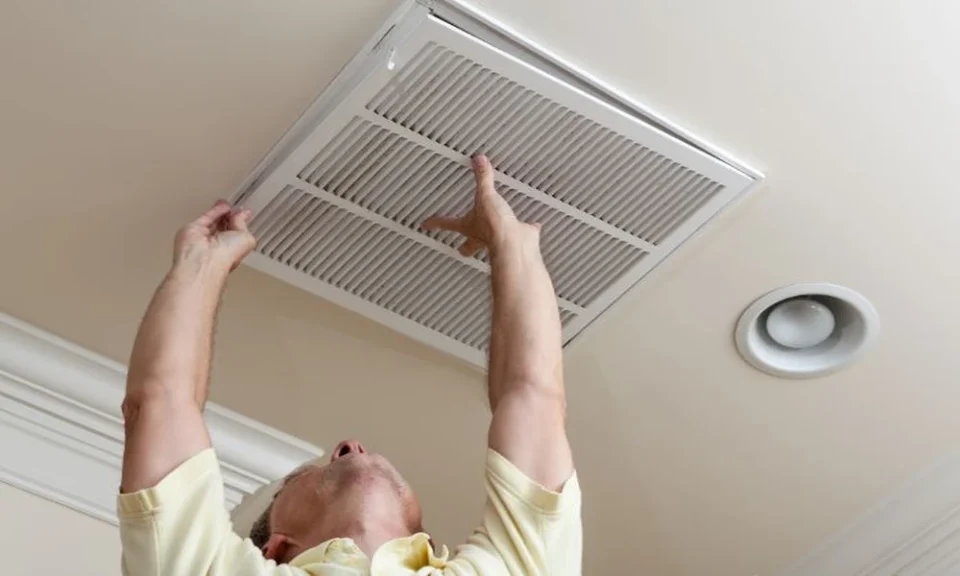
Heating and cooling systems often work hardest when the weather becomes extreme. During mild weeks, small problems may stay hidden because the equipment runs less often. Once summer heat or winter cold arrives, weak airflow, worn parts, drainage issues, or unusual noises may become much more noticeable.
HVAC Inspections give property owners a chance to identify developing problems before the system faces the heavier demands of the heating or cooling season. A seasonal check provides a clearer picture of how the equipment is operating and which areas may need attention before daily use increases.
A reliable HVAC company in Brockton, MA can evaluate airflow, thermostat performance, electrical components, and other signs of system wear before peak season begins. A seasonal check can make it easier to spot small problems before heavier heating or cooling demand starts.
Seasonal Demand Puts More Stress on the System
Heating and cooling equipment often runs for longer periods during the hottest and coldest parts of the year. That extra workload may expose problems that were harder to notice during mild weather.
Weak airflow is one example. A system may still heat or cool the building, but certain rooms may take longer to reach the desired temperature. You may also notice frequent cycling, delayed startup, rattling sounds, or longer run times.
HVAC Inspections before peak season may reveal these concerns while there is still time to evaluate them. A technician may compare current performance with normal operation and look for signs that specific components are working harder than expected.
Airflow Problems May Start Small
Airflow plays a major role in comfort. When air does not move properly through the system, some rooms may feel warmer or cooler than others.
Dirty filters are one common cause. Blocked registers, debris near equipment, duct concerns, or blower problems may also reduce airflow.
Do not assume the thermostat is always responsible for uneven temperatures. The issue may be related to how air moves through the system rather than to the temperature setting itself.
Replacing filters on schedule and keeping registers clear are simple steps, but recurring airflow problems may deserve a closer look.
Electrical and Mechanical Parts Deserve Attention
Heating and cooling equipment contains many parts that move, switch, and cycle repeatedly. Motors, fans, electrical connections, relays, and other components may wear over time.
Warning signs may include buzzing, rattling, delayed operation, frequent shutdowns, or equipment that struggles to start. Burning odors or other unusual smells also deserve immediate attention.
HVAC Inspections may identify worn, loose, or damaged parts before seasonal demand places more strain on the system. Identifying a developing issue early may reduce the risk of an unexpected interruption during extreme weather.
If the equipment starts sounding different from usual, write down when the noise happens. Note whether it occurs at startup, during operation, or when the system shuts off.
Heating Equipment Needs a Seasonal Check Too
Cold weather places different demands on HVAC equipment. Furnaces, heat pumps, and other heating systems use different components, so seasonal checks should reflect the equipment installed in the building.
Depending on the system, an inspection may include ignition components, burner operation, venting, electrical connections, thermostat response, and other operating parts.
The purpose is to check performance before colder weather arrives.
Watch for delayed heating, unusual odors, frequent cycling, or rooms that take longer to warm. These changes may provide useful clues before the system begins working harder every day.
Cooling Systems Benefit From Early Attention
Air conditioners often run for long stretches during hot weather. That repeated use places steady demand on coils, fans, electrical parts, drainage, and airflow.
Before cooling season begins, inspect the outdoor equipment for leaves, grass, or debris around the unit. Inside, pay attention to drainage and any signs of water near the system.
HVAC Inspections before summer can make it easier to spot issues, such as weaker cooling, longer run times, or uneven temperatures from room to room.
If the system seems to run longer than it did last year, note the difference. Changes in performance may be gradual, so comparing current operation with past seasons is useful.
Thermostat Performance Affects the Whole System
The thermostat controls when heating and cooling equipment starts and stops. A problem at the thermostat may create symptoms that look like equipment trouble.
Incorrect readings, delayed response, frequent cycling, or programming mistakes may all affect comfort.
Compare the displayed temperature with how the building actually feels. If the thermostat says the room has reached the set temperature but the space still feels noticeably warmer or cooler, further evaluation may be worthwhile.
Placement matters too. A thermostat near direct sunlight, drafts, or heat-producing equipment may read conditions differently from the rest of the building.
Maintenance Needs Often Show Up During an Inspection
Filters may need replacement. Drainage lines may need cleaning. Debris may need to be removed from outdoor equipment, and moving parts may need attention.
Seasonal checks also provide an opportunity to discuss changes noticed since the previous season. Mention unusual sounds, uneven temperatures, longer run times, or recent repairs.
Keeping a short list before the appointment makes those details easier to remember and gives the technician more context about how the system has been behaving.
Watch for Changes Between Seasonal Checks
You do not need to wait for an inspection to notice warning signs.
Pay attention to sudden increases in runtime, weak airflow, uneven temperatures, new noises, frequent cycling, water near equipment, or unexpected odors.
The most useful comparison is often with the system’s normal behavior. A small change may matter more when it continues for several days or becomes more noticeable under heavier use.
Simple observation throughout the year provides useful information before the next seasonal check.
Conclusion
Preparing before heating or cooling season gives you a better chance to understand the condition of your HVAC system before demand increases. Airflow, thermostat performance, electrical parts, drainage, and general equipment condition all deserve attention.
Notice changes in comfort and system behavior throughout the year, and investigate recurring issues before extreme weather arrives.
If your heating or cooling system is approaching another busy season, contact Brockton HVAC Experts to discuss its condition and learn more about inspection, maintenance, and HVAC service options for your property.
