
A safe, comfortable home depends on more than clean rooms and well-maintained appliances. The systems hidden behind your walls, beneath your floors, and around your property all play an important role in everyday life. From heating and cooling to plumbing and electrical components, regular attention can help prevent small issues from becoming expensive or potentially dangerous problems. For homeowners looking for dependable home services around Butler, PA, having a simple maintenance checklist can make it easier to stay ahead of repairs and keep essential household systems working properly.
Start With Your HVAC System
Your heating and cooling system works throughout the year to keep indoor temperatures comfortable. Because HVAC equipment can experience considerable wear, routine maintenance should be part of every homeowner’s checklist.
Begin by checking or replacing air filters according to the manufacturer’s recommendations. A dirty filter can restrict airflow and make the system work harder than necessary. Homeowners should also pay attention to unusual sounds, inconsistent temperatures, weak airflow, or frequent cycling.
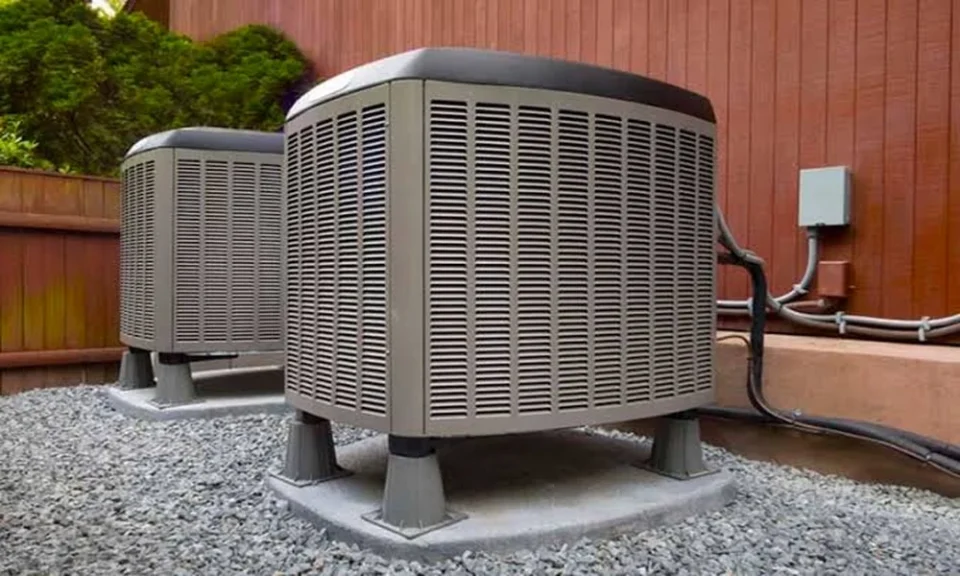
Before the start of a heating or cooling season, inspect the area around outdoor equipment and remove leaves, grass, branches, and other debris. Indoor vents should remain clear of furniture and other objects that could interfere with airflow.
Professional inspections are also valuable. A technician can identify worn components, electrical concerns, refrigerant issues, or other problems that may not be obvious during a basic visual check.
Keep Plumbing Problems From Escalating
Plumbing problems rarely improve when ignored. A small drip under a sink can eventually damage cabinets or flooring, while a slow drain may indicate a developing blockage.
Make a habit of checking exposed pipes, faucets, toilets, and water supply connections for signs of leaks. Look for moisture, water stains, corrosion, or unexplained puddles. Pay particular attention to areas beneath sinks and around appliances that use water.
Your water heater deserves attention as well. Check for visible leaks, unusual noises, rust, or changes in hot-water performance. If the unit appears damaged or behaves differently than usual, professional evaluation is safer than attempting a complicated repair yourself.
It is also useful to know where your home’s main water shutoff valve is located. In the event of a burst pipe or major leak, shutting off the water quickly can help limit damage.
Give Your Electrical System Regular Attention
Electricity makes modern homes convenient, but electrical problems should never be treated casually. Warning signs such as flickering lights, frequently tripped breakers, buzzing outlets, burning smells, or warm switches deserve prompt attention.
Avoid overloading outlets with multiple high-powered devices. Extension cords should not be used as permanent substitutes for properly installed electrical outlets, particularly for appliances that require substantial power.
Homeowners should also inspect visible cords for fraying, cracking, or other damage. Keep electrical equipment away from water and make sure outlets in appropriate areas of the home have suitable ground-fault protection.
If a breaker repeatedly trips, do not simply reset it again and again without finding out why. Repeated trips can indicate an underlying electrical problem that needs professional attention.
Inspect Smoke and Carbon Monoxide Protection
Safety equipment should be one of the easiest parts of your home maintenance routine to check. Test smoke alarms and carbon monoxide detectors regularly to make sure they are functioning correctly.
Replace batteries as recommended and follow the manufacturer’s guidance regarding replacement of the entire unit. Many detectors have a limited service life, so an alarm that appears functional may still need to be replaced when it reaches the end of its recommended lifespan.
It is also important to have detectors positioned appropriately throughout the home, particularly near sleeping areas and on each level where required by local safety recommendations.
Never ignore an alarm simply because you cannot immediately identify the source. Leave the area when necessary and contact the appropriate emergency service if you suspect a fire or carbon monoxide exposure.
Watch for Early Warning Signs
One of the best ways to maintain household systems is to notice changes before they become major failures. Homeowners live with their systems every day, which puts them in a good position to recognize unusual behavior.
A furnace that suddenly runs longer than normal, a drain that takes increasingly longer to empty, or lights that begin flickering can all provide useful clues. Strange odors, unusual noises, damp spots, and unexplained increases in utility bills may also indicate that something needs attention.
Keeping a simple record of repairs and maintenance can help you identify recurring problems. Write down when filters are changed, appliances are serviced, or repairs are completed. This information can also be useful when speaking with a professional.
Know What You Can Safely Handle
Not every household maintenance task requires professional help. Replacing an HVAC filter, cleaning accessible areas around equipment, checking for visible plumbing leaks, and testing safety alarms are generally manageable for many homeowners.
More complex work is another matter. Electrical repairs, major plumbing work, gas-related equipment, refrigerant systems, and structural modifications can involve serious safety risks or require specialized knowledge and permits.
When you are unsure about a problem, getting professional advice is usually better than experimenting with a repair. A short inspection may prevent a minor issue from turning into a much larger one.
Create a Seasonal Maintenance Routine
A seasonal checklist can make household maintenance less overwhelming. In spring, inspect your air conditioning system, clean outdoor areas around HVAC equipment, check plumbing for winter damage, and test safety devices.
Before winter arrives, have heating equipment inspected if needed, check exposed plumbing, clean or replace filters, and make sure heating vents are unobstructed.
Throughout the year, keep an eye on electrical outlets, appliances, water fixtures, and HVAC performance. These small checks take little time but can make it easier to spot problems early.
A Safer Home Starts With Consistent Attention
Reliable household systems are rarely maintained through one major effort. They stay dependable because homeowners notice changes, complete routine maintenance, and address problems before they have an opportunity to grow.
A practical checklist gives you a clear starting point. Check your HVAC system, inspect plumbing, pay attention to electrical warning signs, test smoke and carbon monoxide detectors, and know when a problem requires professional help. With consistent care, you can protect your home, reduce avoidable disruptions, and create a safer and more comfortable environment for everyone who lives there.
Conclusion
Keeping household systems safe and reliable does not require waiting for a major problem to occur. Consistent home maintenance, timely inspections, and attention to early warning signs can help homeowners protect their property and avoid unnecessary disruptions. HVAC maintenance can support dependable heating and cooling, while regular plumbing checks can help identify leaks and drainage issues before they cause extensive damage.
Electrical safety inspections are equally important for identifying potential hazards, and properly maintained smoke and carbon monoxide detectors provide an essential layer of household protection. Seasonal maintenance is another effective way to stay organised and prepare essential systems for changing weather conditions. By following a practical home safety checklist and knowing when to call a qualified professional, homeowners can keep their household systems functioning efficiently, safely, and reliably for years to come.
================================================================================
9.
